
Review · KAMAKURA DAY TRIPS
Japanese Sweets Making in Kamakura
Kamakura tastes like the season. In this 3-hour private experience, you make wagashi first, then step into the world-famous scale of the Great Buddha at Kotoku-in. It is a smart combo day, because the sweets class is hands-on and calm, while the temple visit is pure wow.
What I like most is how the wagashi are tied to the time of year, so you are not making generic sweets. I also appreciate that the guide, Hiro, keeps things easy to follow, with clear instructions and a friendly tone that makes beginners feel comfortable. One consideration: the wagashi time is only about 1 hour, so if you want a slow, long workshop where you perfect every detail, you may wish for more class time.
Key Highlights You Should Know
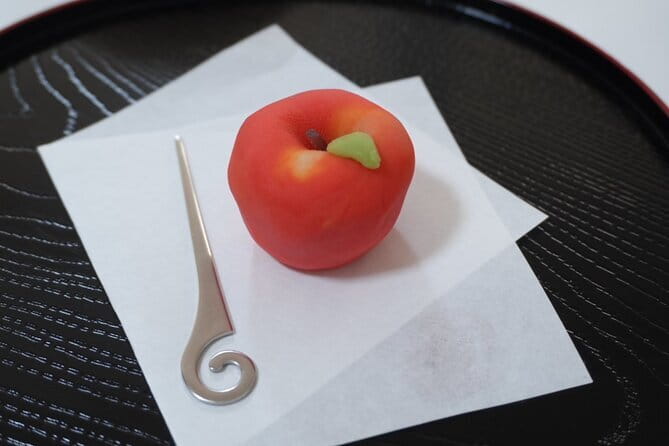
- Seasonal wagashi in three shapes, customized to the current time of year
- A private format where only your group participates
- Hiro as the guide, praised for fluent English and step-by-step clarity
- Optional matcha available during the experience (550 yen)
- Kotoku-in visit included, with admission handled for you
Japanese Sweets Making in Kamakura: Why This Combo Works
Kamakura is one of those places where food, faith, and sea air all share the same sidewalk. This tour takes advantage of that. You start with a short but hands-on wagashi-making session. Then you walk into Kotoku-in to see the Great Buddha of Kamakura, one of Japan’s most iconic bronze statues.
I like this format because it avoids the usual “one hour here, thirty minutes there” feeling you sometimes get. The sweets portion gives you something you can actually hold, shape, and take home. Then the temple portion gives you the kind of history-and-scale moment that stays in your head.
The best part is the rhythm: creative work first, sightseeing second. If your brain wants a break from crowds, the timing and walking route can help you keep things calmer than you might expect.
More Tokyo tours and experiences for the shortlist
Hase Station Start: Wagashi Class With Seasonal Shapes
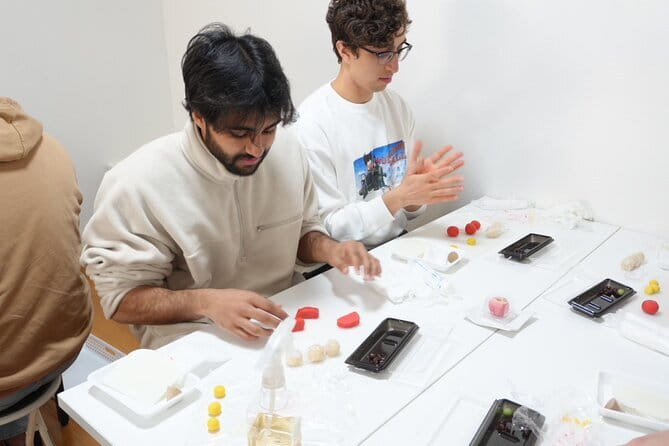
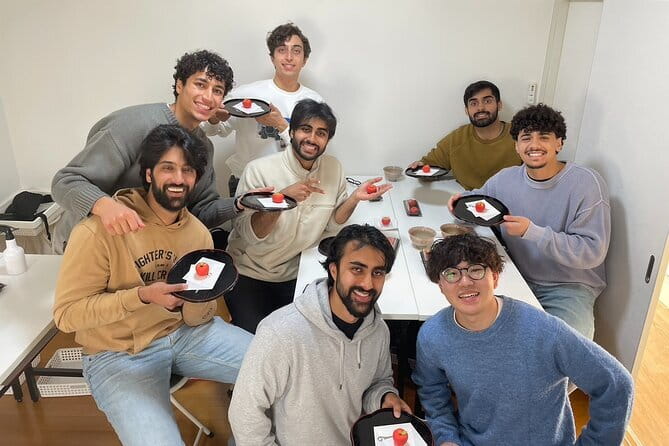
The tour begins at Hase Station (Hase, Kamakura). From there, you head into the wagashi-making lesson. This is the heart of the experience, and it is thoughtfully designed for beginners. You make three seasonal Japanese sweets, each with a different shape that reflects the time of year.
You will not just watch. You are guided through the process. The lesson is described as easy-to-follow, and the guide is specifically called out for friendly guidance and clear instructions. That matters, because wagashi shaping can look intimidating from the outside. In practice, the “do this, then this” approach makes it doable.
What you can do with your wagashi
You can eat your sweets on the spot, or take them home as a souvenir. This is one of those small choices that actually changes the mood of the class. If you eat on the spot, you get a quick reward and a sense of closure. If you take them home, you get a built-in edible memory you can share later.
One more detail that I think is worth planning around: you can also add a cup of matcha for 550 yen. If you like having a proper tea moment after making something sweet, budget for it.
The “Nerikiri” angle
In the class, you may do nerikiri-style shaping, since this experience is noted for that kind of fun, sculpted wagashi making. Even if you have never touched nerikiri before, the focus is on getting you through the steps smoothly, not on being perfect.
The Ocean View Break: A Local-Pace Kamakura Moment
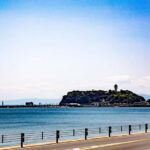
Between the sweets and the Great Buddha, there is a stretch of time where you get a great ocean view. This is described as a popular spot among local people, which tells you something important about the feel of the walk. You are not just seeing scenery, you are seeing how Kamakura looks when people actually use it.
This stop works well because it gives your hands a rest. After shaping sweets, your body goes into sightseeing mode. The sea view also helps the day feel less like a checklist and more like a real morning or afternoon in the area.
If you care about avoiding dense crowds, this is another reason the timing matters. The experience is set up so that you walk paths that are often not crowded, according to feedback from people who did the tour. That tends to make photos easier, and it makes your guide’s commentary more pleasant to hear.
Kotoku-in and the Great Buddha: Icon Scale, Real Numbers
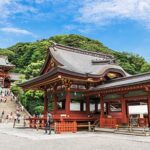
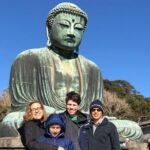
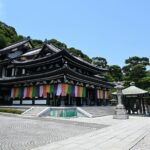
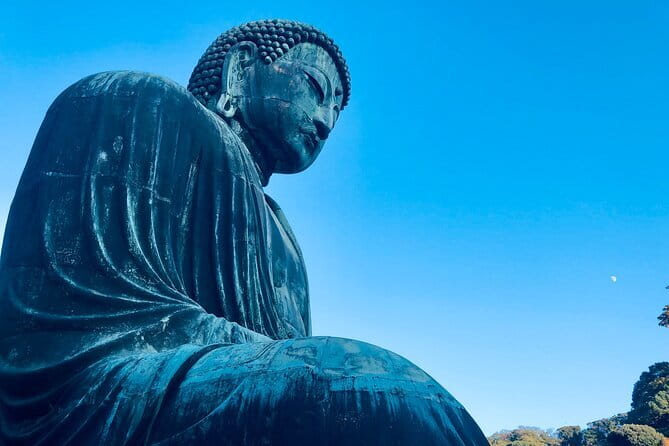
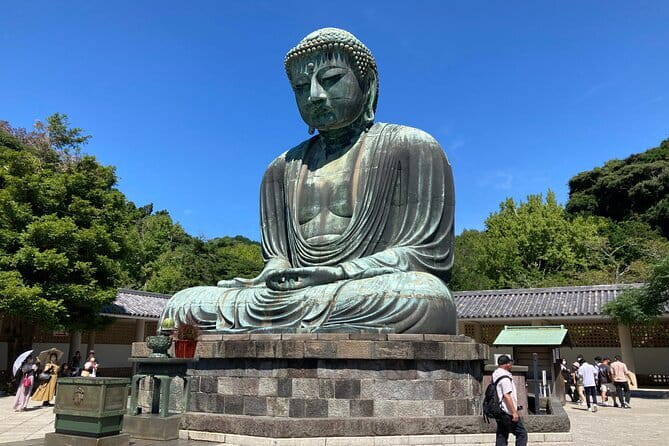
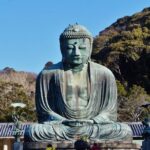
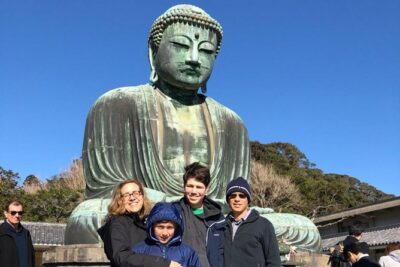
After the sweets portion and the scenic break, the tour ends at Kotoku-in (Great Buddha of Kamakura). Admission to Kotoku-in is included, and you get about 30 minutes there.
Here are the facts you will hear, and they are the kind that make you look up with a different brain:
- The Great Buddha is 13.35 meters tall
- It is bronze and weighs about 121 tonnes
- It has stood for over 750 years
- It is Kamakura’s only Buddhist national treasure
- It is Japan’s second tallest bronze Buddha
Those are not just trivia. They change how you experience the statue. In thirty minutes, you might not do a full deep study, but you can still get the main thing: scale, presence, and the sense that this is an old, important place.
Stories that connect the statue to Kamakura
Your guide also shares stories about Japanese history and the culture of Kamakura during the visit. That is where this tour goes beyond photos. Even if you have seen big Buddhas before, the context can make this one feel more grounded in its location, not floating in a travel brochure.
Timing reality check
Thirty minutes is enough to see the Great Buddha, take photos, and listen to the key points. But it is not enough if you want to linger for a long, slow temple circuit. If you want extra time to explore beyond what is guided, plan to extend your visit after the tour ends.
Price and Logistics: What You’re Actually Paying For

The price is $71.51 per person, and on average it is booked about 5 days in advance. At this cost, you are paying for three things that add real value.
First, you get an English-speaking local guide. Second, you get the traditional wagashi-making lesson where you actively make three seasonal sweets. Third, you get the Kotoku-in entrance fee included. Add in the fact that this is private, meaning only your group participates, and the price starts to make sense as a “time-saved and stress-saved” deal.
What is not included is hotel pick up and drop-off, plus personal expenses. That means you should plan to make your own way to the start at Hase Station, and you finish at Kotoku-in.
Duration and pacing
The tour runs about 3 hours total. With roughly 1 hour for the sweets class and 30 minutes at Kotoku-in, the remaining time is for walking and the ocean-view portion. That pacing is pretty ideal for a half-day style plan. It gives you enough time to enjoy two very different experiences without exhausting you.
Who This Private Tour Is Best For
This is a strong fit if you want a hands-on cultural experience and you also want a major sight at the end.
You will likely love it if:
- You are new to Japanese food experiences and want something guided and easy
- You enjoy seasonal details and making sweets that match the time of year
- You want a more personal tour, not a large group shuffle
- You like the idea of taking your wagashi home as a souvenir
It may be less ideal if:
- You want a longer cooking or confectionery workshop where you repeat steps and refine your technique for a long time
- You are the kind of traveler who prefers solo temple wandering with zero structure
Because it is described as suitable for most travelers, you do not need specialized skills. Your main requirement is curiosity, and maybe a willingness to try shaping something that looks simple but is oddly satisfying to learn.
What Makes Hiro’s Guide Style Matter
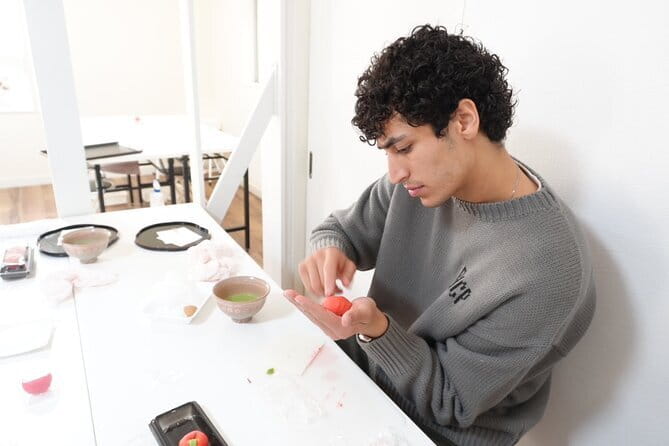
One consistent theme in feedback is that Hiro makes the day feel fun and doable. People highlight his humor, his kindness, and his strong English. That combination matters more than it sounds, because wagashi instructions need clear, step-by-step communication.
When a guide is fluent and friendly, you spend less time worrying about what you are doing wrong. Instead, you focus on the process. And when you are done, you have the kind of story you can tell later: you made sweets shaped for the season, and you saw the Great Buddha in the same outing.
The practical benefit is that you are less likely to feel lost during transitions. You go from the making table to the quiet sea view to the massive bronze statue without the usual “now where do we go” tension.
Should You Book This Kamakura Wagashi and Great Buddha Tour?
I think this tour is worth booking if you want a compact but meaningful Kamakura day. The value is strongest when you care about three things: learning by doing, seeing a major sight with context, and getting a private guide who keeps things clear and comfortable.
Book it if you:
- Like seasonal experiences (three wagashi, different shapes for the time of year)
- Want Kotoku-in included without you figuring out tickets on your own
- Appreciate a private format and a guide like Hiro who is praised for clear English
Skip it if you are aiming for a long temple exploration day or a very extended sweets workshop. This is designed as a tight, friendly, high-reward outing in about 3 hours.
FAQ
What is the duration of the Japanese sweets making in Kamakura experience?
The experience lasts about 3 hours.
What is the price per person?
The price is $71.51 per person.
Where does the tour start and where does it end?
It starts at Hase Station and ends at Kotoku-in.
What is included in the tour price?
Included items are an English-speaking local guide, the traditional sweets making lesson, and the entrance fee to Kotoku-in.
What sweets will I make during the lesson?
You will make three seasonal wagashi, with shapes that vary depending on the season.
Can I eat the sweets on the spot or take them home?
Yes. You can eat them on the spot or take them home as a souvenir.
Is matcha included?
A cup of matcha is optional and costs 550 yen.
More Dessert Tours in Kamakura
More Tour Reviews in Kamakura
Not for you? Here's more nearby things to do in Kamakura we have reviewed


Kamakura Day Trips, side by side.
 ★ 4.5Kamakura & Enoshima Day Trip including Temple TicketsFrom $581,375 reviews
 ★ 4.5Mt. Fuji, Kamakura, Big Buddha, & Lake Ashi Day TripFrom $49867 reviews
 ★ 4.5From Tokyo: Kamakura & Enoshima 1-Day Bus TourFrom $66189 reviews
 ★ 5.0Kamakura Historical Walking Tour with the Great BuddhaFrom $98129 reviews
 ★ 5.0Kamakura Private Tour: Temples, Nature, and the Great BuddhaFrom $98121 reviews
 ★ 5.0Kamakura Walking Tour – The City of ShogunFrom $35100 reviews
 ★ 5.0Kamakura 8 hr Private Walking Tour with Licensed Guide from TokyoFrom $20180 reviews
 ★ 4.1Kamakura & Enoshima Day Tour with Pickup & Train RideFrom $1361 reviews
This tour also belongs to