
Review · KAMAKURA DAY TRIPS
Whispers of Kamakura: Jean’s Full-Day Daibutsu & Hidden Walk
Golden-bronze Buddha, fox shrines, and lunch.
This 5-hour guided walk through Kamakura is one of those rare days where the stops actually connect, and you feel the place make sense. I especially like the chance to see the 13th-century Kotoku-in Daibutsu up close, then pair it with quieter stops like Sasuke Inari Shrine and Zeniarai Benten. The lunch at La Terrasse Zen is the other highlight, because it is included and timed so you recharge before the bamboo walk. One drawback to note: it is a walking tour, so the timing can feel tight if you want to linger longer than the scheduled visits.
If you want temples and shrines without feeling rushed, this works well. You get a local guide telling the stories behind what you see, and the pacing is built around short, manageable visits. In my book, that is the sweet spot for Kamakura, since you can’t really “power through” all the major sites on your own and still enjoy the mood.
Key things I’d plan around
- A focused 5-hour route with short visits at each site, not a long day of nonstop movement
- Kotoku-in Great Buddha plus a guide explanation of Amitabha Buddha at the bronze statue
- Sasuke Inari and Zeniarai Benten as a fun Shinto pairing, with coin-washing meaning
- Lunch at La Terrasse Zen (bento plus Japanese tea) so you do not have to hunt for a good meal
- Eishoji Temple’s bamboo walk where the pace slows down for atmosphere, not just photos
- Finish near Yuigahama Beach to end the day with sea air instead of more temple steps
Starting in Kamakura, not from nowhere
The tour starts at Hotel New Kamakura around 10:00 am, and the day is designed as a smooth guided loop with pickup offered. Since it is a private tour, you are with your group only, so you can actually ask questions without feeling like you are interrupting a big bus tour rhythm.
For me, the biggest value of a morning start is control. Kamakura’s religious sites can get crowded, and a planned route with a guide keeps you from wasting time at the wrong entrance or circling in confusion. You still walk, but you walk with a plan.
You’ll also get basics that make a difference on temple days: bottled water and a restroom on board. These small comforts add up when you are doing several stops in one stretch.
Price-wise, it is $130.07 per person for about 5 hours, and that is not cheap on paper. The part that makes it feel more fair is that lunch is included, and so are entrance fees for the key temples. If you were to add up a guided day plus a decent meal plus entry costs, you are often not that far off.
You can also read our reviews of more walking tours in Kamakura
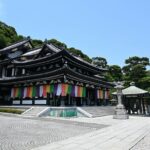
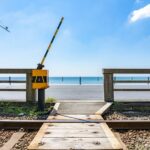
Sasuke Inari Shrine: fox devotion in an easy walk
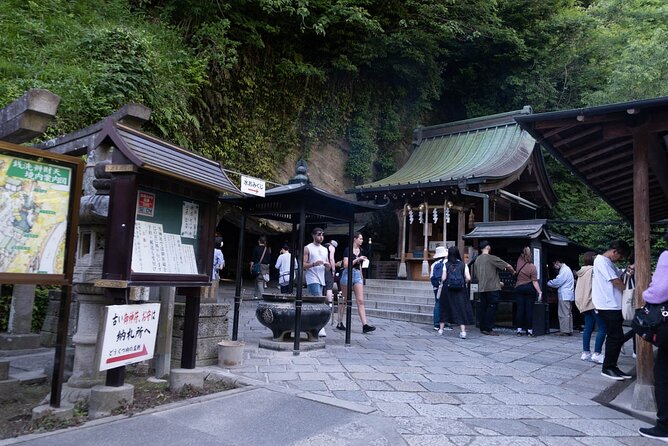
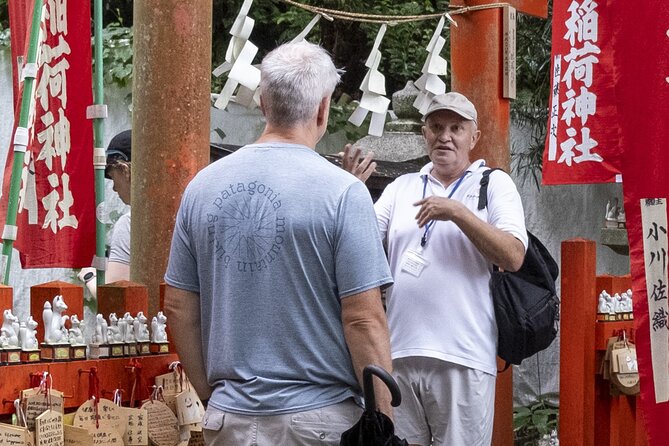
Your first stop is Sasuke Inari Shrine, about a 20-minute walk from Kamakura Station. This is a Shinto shrine dedicated to the fox, and the guide’s job here is to help you notice the details you might otherwise skim past.
What I like about starting with Sasuke Inari is how it sets an emotional tone for the day. You are not just ticking off a famous site. You are learning how Kamakura worship includes symbols, animals, and practical beliefs, not only big stone halls.
A practical heads-up: the visit is listed for about 40 minutes, and admission is free. That means you can look closely, but you probably will not have time for a long, quiet wander beyond the scheduled visit.
Zeniarai Benten: the coin-washing tradition
Next you head to Zeniarai Benten Shrine, another stop that runs about 40 minutes with free admission. The idea here is wonderfully specific. Zeniarai means coin washing, and the belief is that money washed at the spring will double.
This stop is fun because it feels like a local ritual that visitors can understand fast. You see what people come to do, and you get context for the why. It is also a good contrast to the Great Buddha later, since this is more about everyday belief and practice than monumental sculpture.
One consideration: it can be lively in the areas where people do the washing ritual. If you do not like crowds around activity zones, keep your focus on the shrine details and the meaning the guide is pointing out, and do not plan on lingering in the busiest spot.
Kotoku-in Great Buddha: the 13th-century statue
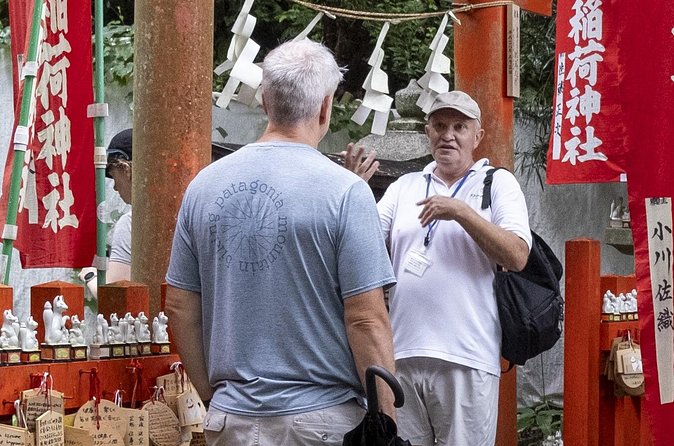
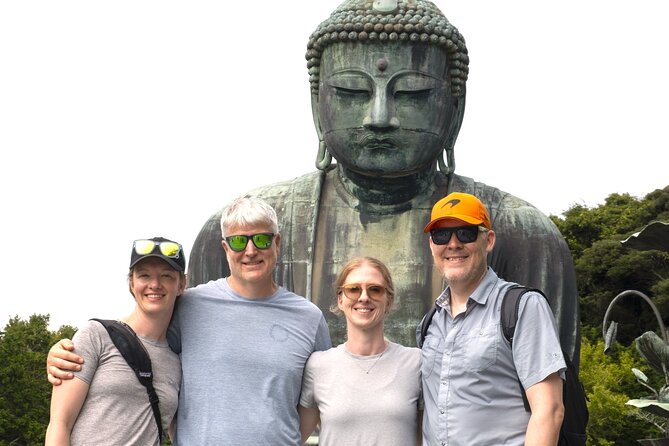
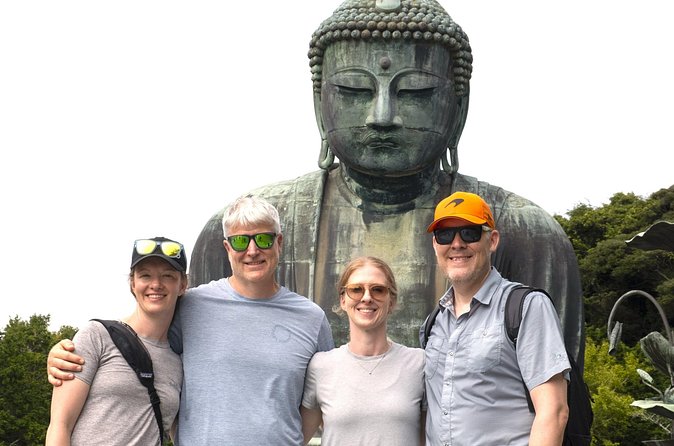
Then comes the big one, Kotoku-in (Great Buddha of Kamakura). You get about 40 minutes here, with the entrance fee included. The statue is bronze, and it is commonly known as the Great Buddha of Kamakura, connected to Amitabha Buddha. The statue dates to the 13th century, which is part of why it feels so heavy with time when you stand there.
Here is what makes this stop worth it even if you have seen “great buddhas” in other cities: Kotoku-in has a particular directness. The scale hits you quickly, and a guide helps you shift from sightseeing to understanding. You learn what you are looking at and why it matters, instead of just taking photos and moving on.
Drawback to consider: because this is a top attraction, you may hit a busier moment during the scheduled visit. The upside is that the guide keeps the visit efficient, so you still get the “wow” without losing half your time to getting oriented.
Lunch at La Terrasse Zen: bento plus Japanese tea

After the heavy-hitting Buddha stop, the tour gives you a full 1 hour for lunch at La Terrasse Zen (Nichifutsu Chashitsu). You get a special bento lunch with Japanese tea, and the tour notes that you should mention dietary requirements when booking.
This is one of the most practical inclusions on the whole day. Kamakura can have plenty of places to eat, but it also has plenty of options that are either overpriced for what you get or not ideal if you are hungry right after temple hopping. Having lunch built in means you can keep moving with a clear plan.
I also love the human touch hinted in the reviews: the host, Jean, is praised for hospitality, and there is specific mention that his wife prepared the lunch. Even if you do not get a story at the table, you can feel that this meal is treated like part of the experience, not a random stop.
One thing to consider: since it is bento, it will follow a set style. If you have allergies or strict dietary needs, double-check your requirements during booking, because the menu detail is not described here beyond being bento and Japanese tea.
More Tokyo tours and experiences for the shortlist
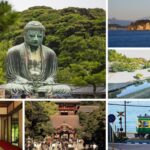

Eishoji Temple and its bamboo forest nunnery
The final major cultural stop is Eishoji Temple, described as the only nunnery in Kamakura. You’ll visit the temple and take a pleasant walk through a bamboo forest, with about 40 minutes allocated and an entrance fee included.
This is the emotional turn of the day. After Kotoku-in, you get something calmer and more inward. Bamboo walks are one of those experiences that can feel cliché if you treat it like a background for photos. Here, the guide’s context makes the walk feel more intentional, like you are stepping into how the space supports practice.
The practical side is also good. Forty minutes is enough to feel the mood without turning the walk into a tiring slog. And because the bamboo forest area encourages a slower pace, you get a natural breather before the day ends.
Ending by Yuigahama Beach: switch gears from temples to sea air

The tour gives you a relaxed ending at Yuigahama Beach. The experience info also says the activity ends back at the meeting point, so I’d think of this as finishing near the seaside area and giving you time to enjoy the coast before wrapping up.
For your planning, this is a smart way to close the loop. Temples focus your senses one way, then the beach resets them. Even if you only have a short window to stroll, it helps the day feel complete instead of abruptly ending after the last gate.
What makes Jean’s guide-style work on a day like this
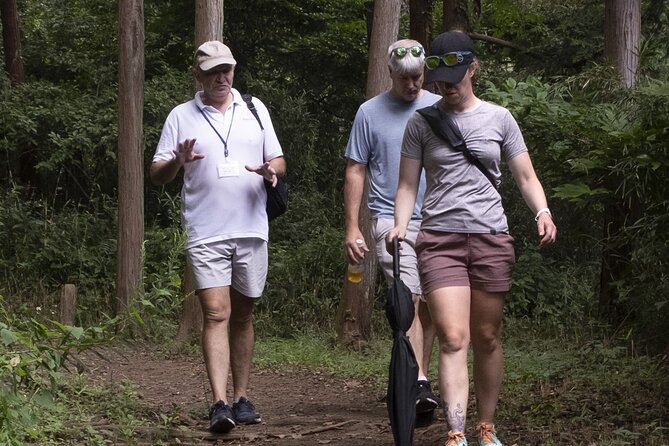
The strongest praise in the reviews is consistent: Jean gets called out as a top host and storyteller, and the tour is remembered for learning as much as it is for seeing. Names also show up beyond Jean, including Sr. Yamazaki and Bruno, which suggests you may get a team approach on the interpretation.
Why does that matter for you? Because Kamakura rewards attention. These shrines and temples are meaningful, but they also have details that are easy to miss if you are just following signage. A good guide helps you connect the symbolism, the layout, and the human rituals to the bigger story of the area.
The other big win is pacing and practical comfort. Short visits keep you moving, but lunch and water keep you from burning out.
Is this tour worth $130.07?
Here is the value math I would use in your head.
You are paying for:
- A private, guided day (not a self-guided wandering marathon)
- Lunch at La Terrasse Zen, including bento plus Japanese tea
- Entrance fees covered for the main stops
- Water and help with comfort (restroom on board)
- A route that hits Sasuke Inari, Zeniarai Benten, Kotoku-in, and Eishoji
If you are the kind of traveler who plans your own days and likes to schedule based on opening times and train hops, you can do parts of this independently. But you will trade away the interpretation and the smooth flow. If you want a day that feels guided, paced, and “done for you,” the price starts to make sense.
Also, an average booking window of 18 days in advance suggests demand. If you have firm travel dates, lock it in sooner rather than later.
Best fit: who should book, and who might pass
This tour is a great match if:
- You want a temple-and-shrine day that stays under a comfortable half-day length
- You care about meaning and stories, not just photos
- You like getting lunch included so you do not waste time deciding what to eat
- You prefer a guided experience where your questions are welcome, since it is private
It may be less ideal if:
- You strongly prefer free time at each stop over a set schedule
- You want a longer, unhurried visit at the biggest sights like Kotoku-in
- Your dietary needs are complex and you want a fully flexible menu (bento style is set, even if the team can handle stated requirements)
Final call: should you book Whispers of Kamakura?
I would book this if you want a clean, efficient Kamakura day with the major spiritual hits plus a calmer ending by the sea. The combination that sells me is Kotoku-in plus Eishoji, with La Terrasse Zen lunch in the middle so the day stays pleasant, not just intense.
If you are on the fence, ask yourself one simple question: do you want to understand what you are seeing, even if the time at each place is fixed? If yes, this tour earns its keep. If your goal is pure wandering with no guidance, you might enjoy planning your own day more.
FAQ
Where does the tour start and when?
The tour starts at Hotel New Kamakura, 13-2 Onarimachi, Kamakura, Kanagawa 248-0012, Japan, at 10:00 am.
How long is the Kamakura walking tour?
It is approximately 5 hours.
Is lunch included, and what is it?
Yes. Lunch is included at La Terrasse Zen, and it is described as a special bento lunch with Japanese tea.
Which temples and shrines are visited?
The tour includes Sasuke Inari Shrine, Zeniarai Benten Shrine, Kotoku-in (Great Buddha of Kamakura), La Terrasse Zen for lunch, and Eishoji Temple.
Is pickup available?
Pickup is offered.
What is the cancellation policy?
The experience offers free cancellation. You can cancel up to 24 hours in advance for a full refund.
More Full-Day in Kamakura
More Walking Tours in Kamakura


More Tour Reviews in Kamakura
Not for you? Here's more nearby things to do in Kamakura we have reviewed

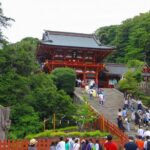

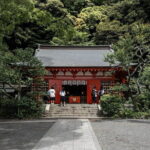

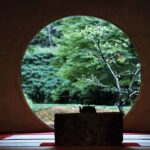
Kamakura Day Trips, side by side.
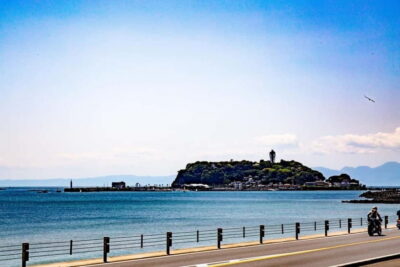 ★ 4.5Kamakura & Enoshima Day Trip including Temple TicketsFrom $581,375 reviews
 ★ 4.5Mt. Fuji, Kamakura, Big Buddha, & Lake Ashi Day TripFrom $49867 reviews
 ★ 4.5From Tokyo: Kamakura & Enoshima 1-Day Bus TourFrom $66189 reviews
 ★ 5.0Kamakura Historical Walking Tour with the Great BuddhaFrom $98129 reviews
 ★ 5.0Kamakura Private Tour: Temples, Nature, and the Great BuddhaFrom $98121 reviews
 ★ 5.0Kamakura Walking Tour – The City of ShogunFrom $35100 reviews
 ★ 5.0Kamakura 8 hr Private Walking Tour with Licensed Guide from TokyoFrom $20180 reviews
 ★ 4.1Kamakura & Enoshima Day Tour with Pickup & Train RideFrom $1361 reviews
This tour also belongs to