
Review · KAMAKURA DAY TRIPS
Kamakura: Private Guided Walking Tour with Local Guide
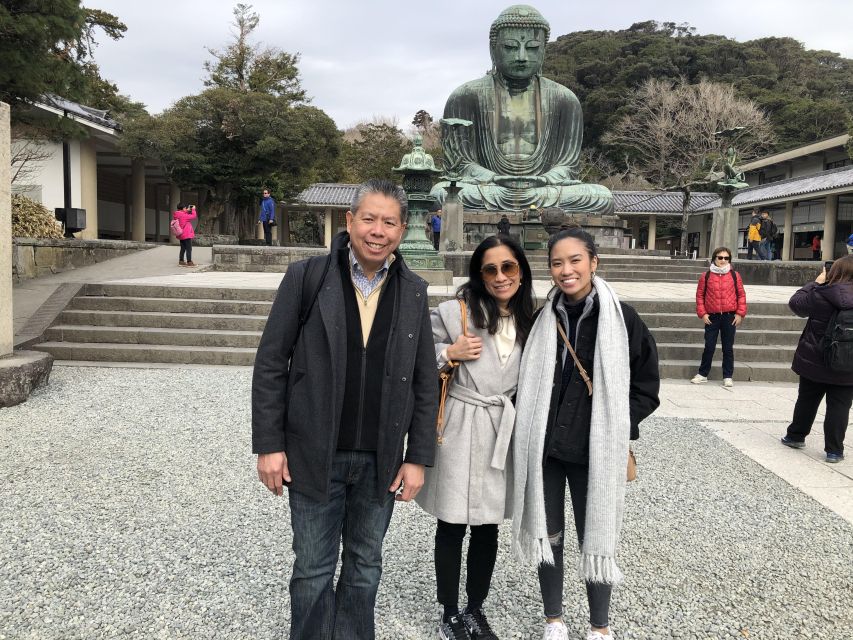
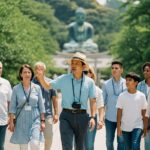
Kamakura rewards slow footsteps. This private guided walking tour turns the big-ticket sights into a walk you can actually manage, with a licensed guide who can shape the day as you go. I love that it starts by getting you up close with the Great Buddha, including the chance to enter the statue area, not just snap a distant picture.
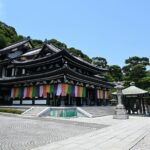
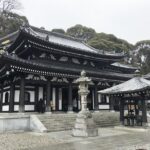
I also like the calmer rhythm you get with stops that are hard to read on your own, like Hokoku-ji and its bamboo forest gardens. The tour often includes a matcha break, and if you’re visiting in June, Hase-dera can be a full-on hydrangea show with 40 varieties blooming together.
One thing to plan for is that it runs rain or shine, and it is still a walking day. Entrance fees and food are not included, and you may use short public rides or taxis between sites, so keep some Japanese yen handy and wear shoes that can handle temple steps.
Quick hits before you go
- Licensed, government-certified guide so you get the story behind each stop, not just directions
- Great Buddha access inside which changes the whole feel of the visit
- Hase-dera hydrangeas in June can be a rare seasonal spectacle (even if you miss the peak, the gardens are still worth it)
- Zeniarai Benten money-washing ritual for a memorable, slightly playful moment
- Hokoku-ji bamboo + matcha gives you a break from the crowds and a chance to slow down
- Private means flexible timing, including workarounds for closures and crowd levels
Why Kamakura works so well as a Tokyo day trip
Kamakura sits close enough to Tokyo that it feels like a real escape, but it is not so far that the day disappears into transit. Your time is best spent on foot, weaving between temples, shrines, and viewpoints, and that is exactly where a walking tour earns its keep.
In a place like this, the details matter. A guide helps you notice why each temple sits where it does, what the names imply, and how the samurai era echoes through everyday reverence. You end up with a day that feels less like a checklist and more like you’re learning a local language, one stop at a time.
You can also read our reviews of more walking tours in Kamakura
The private guide advantage: speed with control
This is a private group, so you are not stuck with someone else’s pace or a rigid route. That matters in Kamakura because the temple cluster is easy to overwhelm, especially if you only have a 4-hour window.
In the reviews, I noticed a repeating theme: guides were organized, flexible, and good at shaping the day around your preferences. People even praised certain guides by name for planning tightly so they could still make it back to Tokyo on time. If you want to move briskly, you can. If you want more pauses for photos or questions, your guide should be able to shift the balance.
You can also expect route customization. Tell your guide what you’re most interested in, and many guides will build an itinerary that avoids wasted walking and helps you hit the best moments.
Great Buddha access: the stop everyone should experience inside
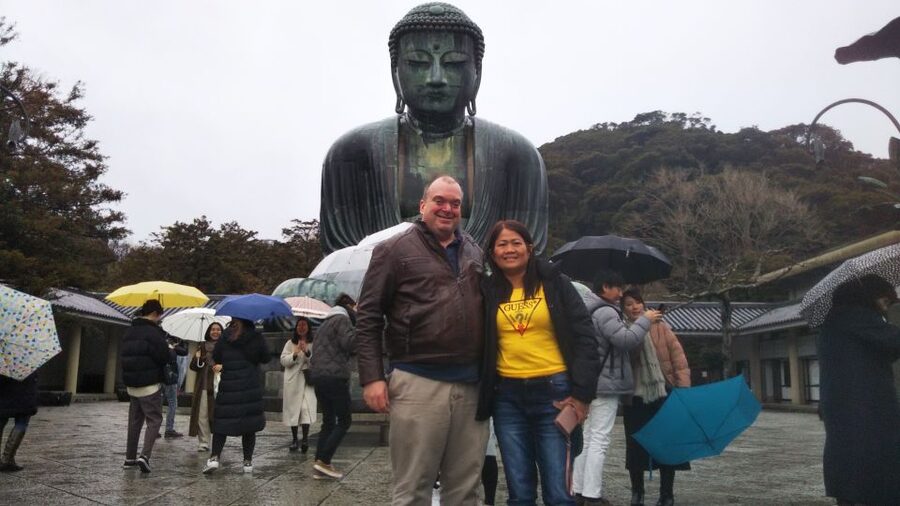
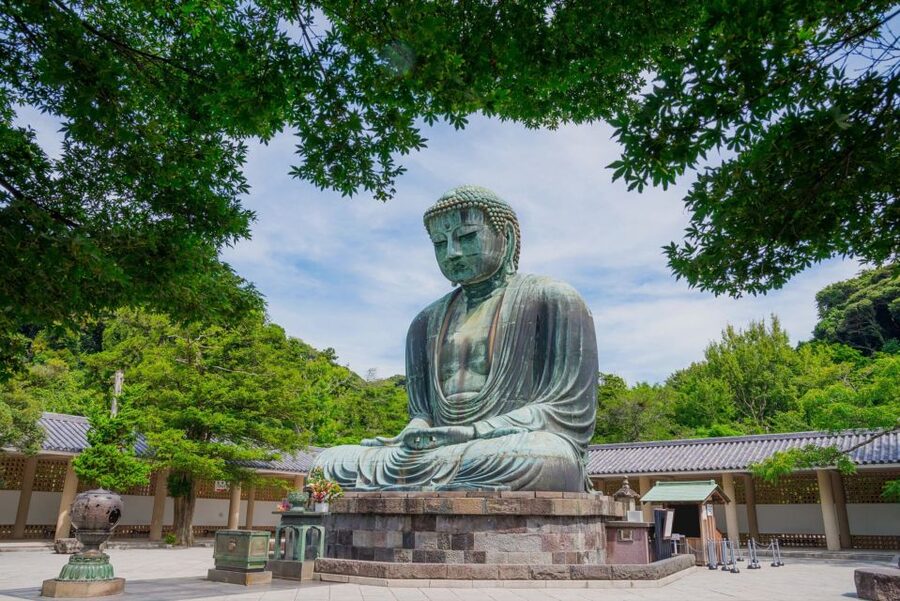
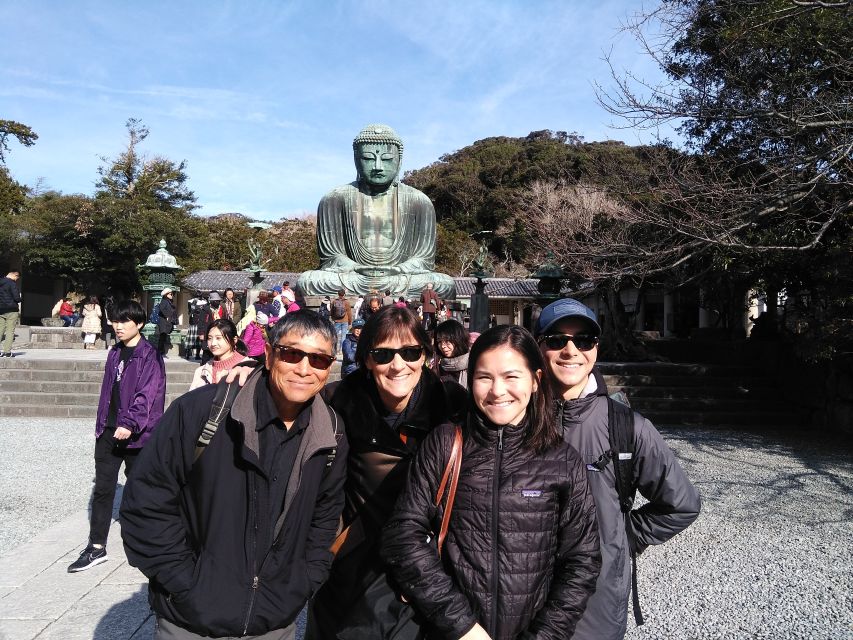
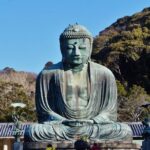
The highlight for many people is the Great Buddha visit, and the big difference here is that you can go inside the huge statue. Even if you’ve seen photos before, stepping into the space changes the scale and the mood instantly.
Your guide should connect what you’re seeing to why the statue matters to Kamakura. That context turns the visit from a quick photo to a deeper moment. You also get practical help, like where to stand for the most flattering angles and how to time your photos while the flow of visitors is still manageable.
This is a smart anchor stop for a half-day plan because it sets a clear theme for the rest of the walk: Kamakura’s spiritual center, built into the town’s layout.
Hase-dera gardens and the June hydrangea moment
Hase-dera is where you slow down. The gardens are famous for their hydrangeas, and during the rainy season around June, the display can be dramatic, with 2,500 colorful hydrangeas in 40 varieties blooming together.
If you are there in peak hydrangea season, this stop can feel like the main event. If you are there outside peak bloom, it still works because the temple garden layout is made for wandering, not just rushing through.
One practical tip is that gardens reward unhurried walking and good timing. A guide who can read crowd patterns helps you spend more time looking and less time threading through lines. If you want photo opportunities, this is also one of the better places to ask your guide where to stand.
Zeniarai Benten: a ritual with a fun payoff
At Zeniarai Benten Shrine, you get a legend-driven experience that is both easy to join and memorable to remember. The story goes that when money is washed in the holy water of the shrine’s spring, you will earn more money.
Even if you treat the ritual lightly, it is a great cultural moment. It shows how belief can be practical and communal, tied to everyday hopes rather than abstract theology. Your guide can also explain the meaning behind the shrine’s reputation, which helps the moment feel respectful rather than gimmicky.
This stop works well in the middle of the day because it gives you a quick emotional reset. After walking among big statues and major temple grounds, the ritual adds a human, almost playful beat.
You can also read our reviews of more guided tours in Kamakura
Hokoku-ji bamboo forest and matcha break
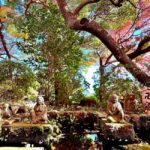
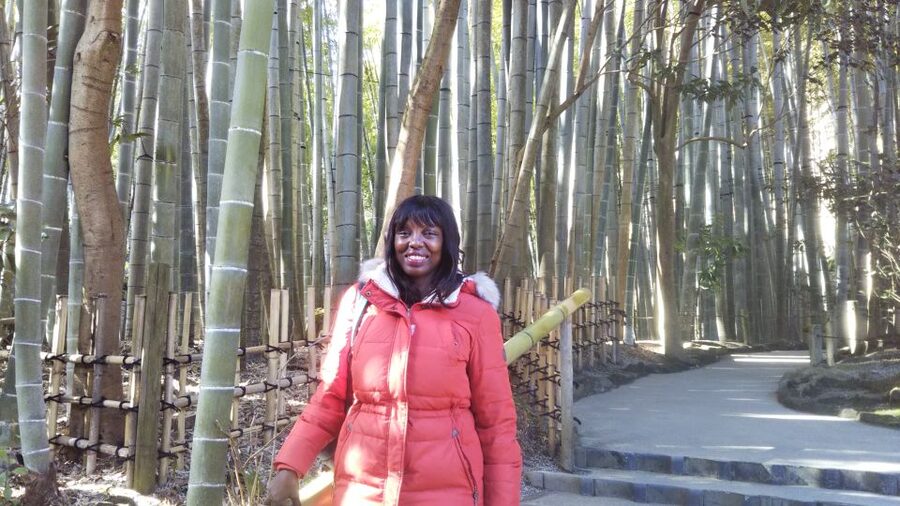
Hokoku-ji is known for its bamboo forest garden, and it is one of those places where the atmosphere does part of the storytelling for you. If Kamakura feels loud and crowded earlier in the day, the bamboo path often brings the mood down a notch.
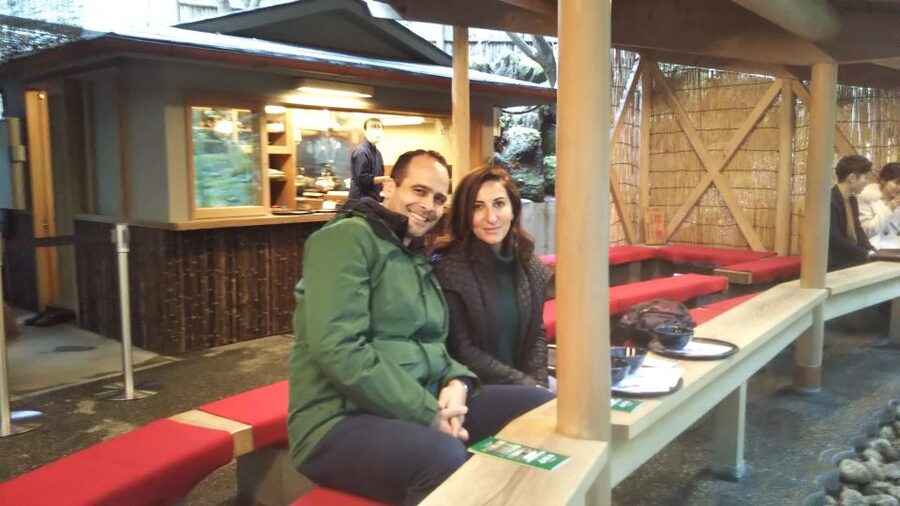
The tour can include sampling matcha while you admire the forest views. This is one of the best value add-ons because it turns a scenic stop into a full experience. You get a taste of Japanese tea culture right where it makes sense, and it gives you a natural pause for resting your legs.
From a logistics standpoint, a matcha break also helps you avoid “temple fatigue.” You’ll be walking and climbing steps in multiple sites, so having a planned break makes the whole day easier to enjoy.
More stops your guide may add, based on what you want
The core stops you should expect include the Great Buddha, Hase-dera, Zeniarai Benten, and Hokoku-ji. But the real magic of a private tour is that your guide can reshape the day based on timing and interest.
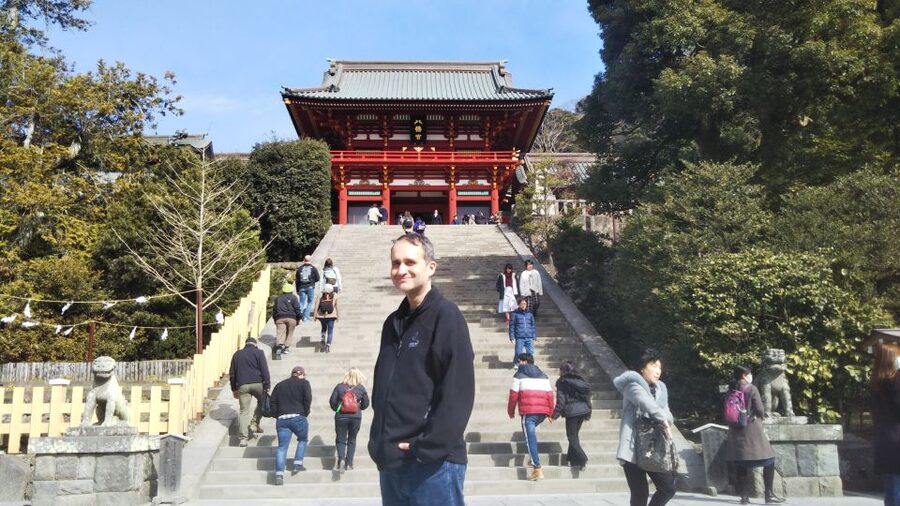
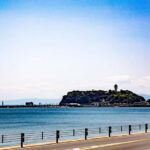
For example, some guides in reviews built days around other major Kamakura names like Tsurugapka-Hachiman-gū, Engaku-ji, and Jencho-ji. Others even worked in a visit tied to Enoshima, including a cave experience, when it fit the route and your schedule. In at least one case, a guide adjusted the plan to catch a rare glimpse of Mount Fuji.
This is the reason to pick a guide instead of a rigid group tour. Kamakura has more temples than any single day can properly cover, so letting your guide choose what makes sense for you can save you from burnout and wasted walking.
How long 4 hours vs 6 hours really feels
The tour offers a 4-hour and 6-hour option, and the difference is not just time. It changes what you can do comfortably.
In a shorter day, you should expect tighter sequencing and fewer detours, so the best strategy is to tell your guide your top 2 or 3 must-dos up front. A longer day is better if you want time for questions, extra photo moments, and a more relaxed pace between sites.
If you care about avoiding crowds, a longer window also helps because the guide can sometimes wait out peaks or reorder your stops when closures pop up.
Pace, rain planning, and what to bring
The tour runs rain or shine, so you should assume wet sidewalks and slick temple steps might be part of the day. Bring a compact umbrella or a light rain jacket, and wear shoes that don’t get slippery fast. This is not the kind of place where you want to fight your footing while rushing between shrine gates.
Also, don’t forget the practical items that make the tour smoother. The tour is a walking day tour with pickup on foot if you are within a reasonable distance. Between sites, your guide may use public transportation or local taxis, and it’s smart to have Japanese yen ready for those costs.
Finally, remember that entrance fees and food and drinks are not included. Your guide may suggest places to eat, and you might end up having a great lunch because of their local instincts, but you should budget for your own meal.
Price and value: what you’re paying for
At $106 per person for a 4 to 6-hour private tour, the cost is really about one thing: paying for a licensed guide who can manage the day for you. You’re not just buying access to sites, you’re buying interpretation, route logic, and time saved.
This can be good value if you fit the sweet spot. The best fit is someone visiting Kamakura for the first time, someone who wants to understand the meaning behind the sights, or someone who wants a guided plan that avoids guesswork. If you already know exactly what you want to see, a self-guided visit could work, but you would miss the “why” that makes each place click.
Also, the private format reduces stress. You can ask questions, request a different pace, and get help with photo timing. In reviews, people consistently praised guides for organization and for tailoring the day, and that kind of attention is exactly what you are paying for.
The guide quality factor: real names, consistent praise
A lot of the high rating comes down to guide performance, and the reviews give you a sense of what to look for. People praised guides like Koba for organization and helpful photo opportunities. Shinji and An were praised for friendliness and for answering questions clearly. Yuki, Kei, Emiko, and Hirosan were praised for building itineraries that matched the group’s schedule and interests.
Some guides were also described as avoiding crowds when possible, which is a big deal in Kamakura where many people aim for the same temples. If you get a guide who can read the flow of visitors and adjust timing, your day feels smoother even when the town is busy.
Who should book this tour
This tour is ideal if you want a guided Kamakura day without feeling trapped. It suits first-timers who want the key sites and context, couples who like a shared pace, and anyone who prefers questions over guidebooks.
Choose this style especially if your schedule is tight. A well-planned day can fit major stops while still leaving time to get oriented and not sprint through everything.
It can also work well if you’re not sure which temples to pick. Instead of spending time deciding, you can tell your guide what you care about, and they’ll build a workable sequence.
Should you book this Kamakura private walking tour?
If your goal is to see Kamakura’s must-do highlights with a guide who can handle timing, explanations, and route adjustments, I think this is an easy yes. The combination of Great Buddha interior access, Hase-dera garden time, the Zeniarai Benten ritual, and Hokoku-ji bamboo with matcha makes the day feel full without being chaotic.
Skip it only if you hate walking, expect every cost to be included, or want a purely self-guided experience with no guide. In Kamakura, small route choices matter, and a private guide is the best way to turn those choices into a calmer day.
FAQ
How long is the Kamakura private guided walking tour?
The tour runs for 4 to 6 hours. You can choose a shorter or longer option based on your schedule.
Is this tour private?
Yes. It is a private group, so you have a local licensed guide for your group rather than joining a shared tour.
What sites can I expect on the tour?
You should expect to visit the Great Buddha (including the interior), Hase-dera, Zeniarai Benten Shrine, and Hokoku-ji with its bamboo forest garden. The route can also be customized based on your interests.
Are entrance fees, food, or drinks included?
No. Entrance fees and food and drinks are not included.
Will there be pickup and how do you get between stops?
Pickup from your accommodation is included on foot if it is within a reasonable distance. Since this is a walking tour, public transportation or local taxis may be used between sites, and you should have Japanese yen for those transportation costs.
What languages do the guides speak?
The live tour guide is available in English and Japanese.
Does the tour run in bad weather?
Yes. The experience runs rain or shine.
Can I pay later and cancel for free?
Yes. There is free cancellation up to 24 hours in advance for a full refund. You can also reserve now and pay later.
Is the tour wheelchair accessible?
Yes. The experience is wheelchair accessible.
More Walking Tours in Kamakura
More Tours in Kamakura
More Tour Reviews in Kamakura
Not for you? Here's more nearby things to do in Kamakura we have reviewed

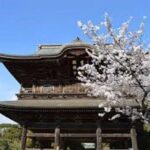
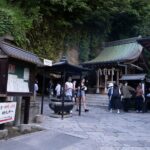
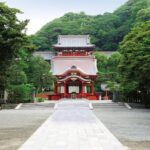
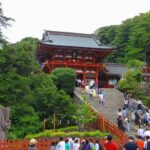

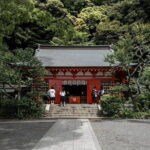

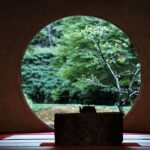
Kamakura Day Trips, side by side.
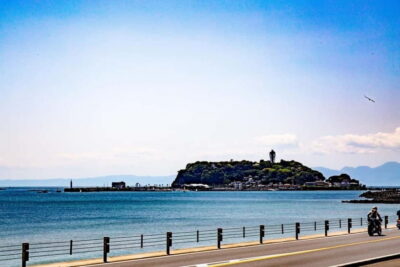 ★ 4.5Kamakura & Enoshima Day Trip including Temple TicketsFrom $581,375 reviews
 ★ 4.5Mt. Fuji, Kamakura, Big Buddha, & Lake Ashi Day TripFrom $49867 reviews
 ★ 4.5From Tokyo: Kamakura & Enoshima 1-Day Bus TourFrom $66189 reviews
 ★ 5.0Kamakura Historical Walking Tour with the Great BuddhaFrom $98129 reviews
 ★ 5.0Kamakura Private Tour: Temples, Nature, and the Great BuddhaFrom $98121 reviews
 ★ 5.0Kamakura Walking Tour – The City of ShogunFrom $35100 reviews
 ★ 5.0Kamakura 8 hr Private Walking Tour with Licensed Guide from TokyoFrom $20180 reviews
 ★ 4.1Kamakura & Enoshima Day Tour with Pickup & Train RideFrom $1361 reviews
This tour also belongs to