
Review · KAMAKURA DAY TRIPS
Kamakura Private Custom Tour with Local Guide
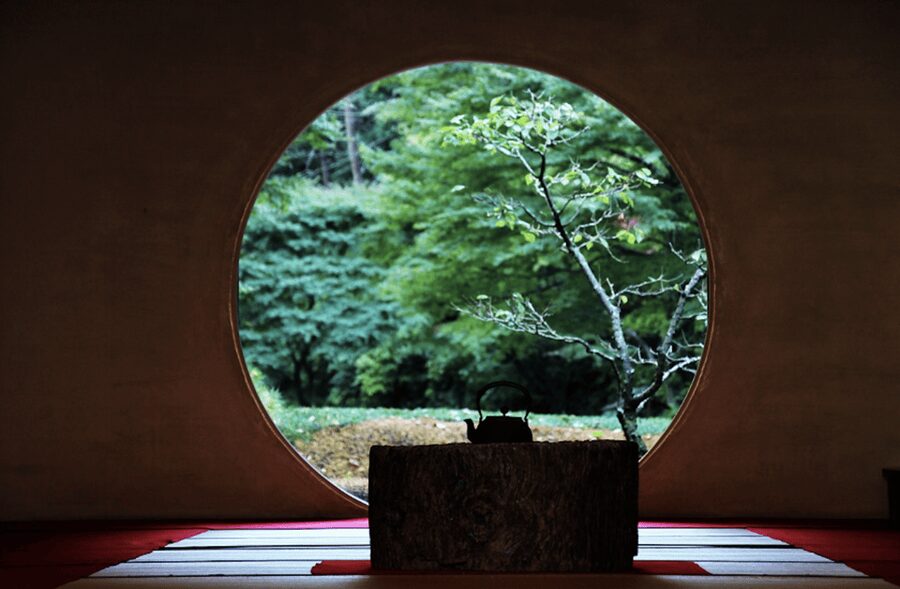
Kamakura hits different with a local. This private Kamakura tour pairs iconic sights with lesser-known corners, guided in English by a real pro like Ken-san, so your day feels both organized and personal. You’ll build a plan around what you care about, whether that’s Zen spaces, scenic coastal moments, or a traditional tea stop.
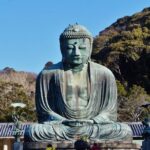
I especially like the pairing of the big-ticket landmarks with quieter temple stops. The Great Buddha at Kotoku-in Temple gives you instant scale, while Hokokuji Temple’s bamboo forest slows everything down in a way photos cannot. Add Tsurugaoka Hachimangu Shrine’s calm, shrine-to-shrine atmosphere, and you get a well-rounded day without feeling rushed.
One drawback to plan for is simple: entrance fees, lunch, and transportation are not included, so your final cost depends on what you choose to pay for once you’re on the ground. Also, the tour is 4 to 8 hours, so you’ll want to pick a duration that matches your stamina.
Key reasons this private Kamakura tour works so well
- A private, English-speaking local guide who can adjust the day in real time
- Hidden corners and local-only temple spots that are hard to find without help
- Major must-sees included like Kotoku-in, Tsurugaoka Hachimangu, and Hokokuji
- Flexible focus for Zen, legends, coastal views, and even tea ceremonies if you want
- Walk-first planning that lets you experience Kamakura at street level, not just from afar
- Optional pickup from your Kamakura accommodation if you want to start smoothly
Why a private guide matters in Kamakura
Kamakura is one of those Japanese places where history is everywhere, but it can also feel confusing if you’re bouncing between big names on your own. A private guide fixes that. You get someone who can connect the dots between the sites, explain what you’re looking at, and help you choose what is worth your limited time.
What makes this tour feel practical is the way it’s built around you, not a factory itinerary. The tour is private, and you can customize the itinerary, so you can spend more time where you’re curious and less where you’re just trying to check a box. Based on the consistent praise for guides like Ken-san, the day is also more story-driven than a typical “walk, look, move on” sightseeing route.
There’s another real value here. Kamakura has a lot of temples, paths, and side streets, and many of the more interesting stops are not the first things you’ll spot on your own. A good local guide helps you find them and gives context so those places feel meaningful instead of random.
You can also read our reviews of more guided tours in Kamakura
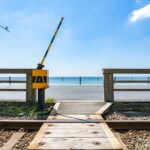
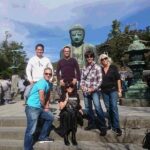
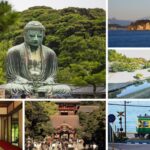
Great Buddha at Kotoku-in Temple: the sight that sets the tone
The Great Buddha at Kotoku-in Temple is the kind of stop that resets your expectations. Even if you’ve seen pictures, seeing it in person is different. The sheer presence of the statue changes the pace of your whole visit because it creates a shared reference point for the rest of the day.
With a local guide, you don’t just look at the Great Buddha and move on. You get the background that helps you understand why it matters within Kamakura’s temple culture and why it’s still treated as a central landmark. This is also where the walking tour style helps, because you can connect the surroundings to what you’re learning.
Practical tip: wear comfortable shoes. Stone floors and temple steps add up in Japan, and a 4 to 8 hour tour means you’re likely doing several rounds of stairs and uneven walkways across the day.
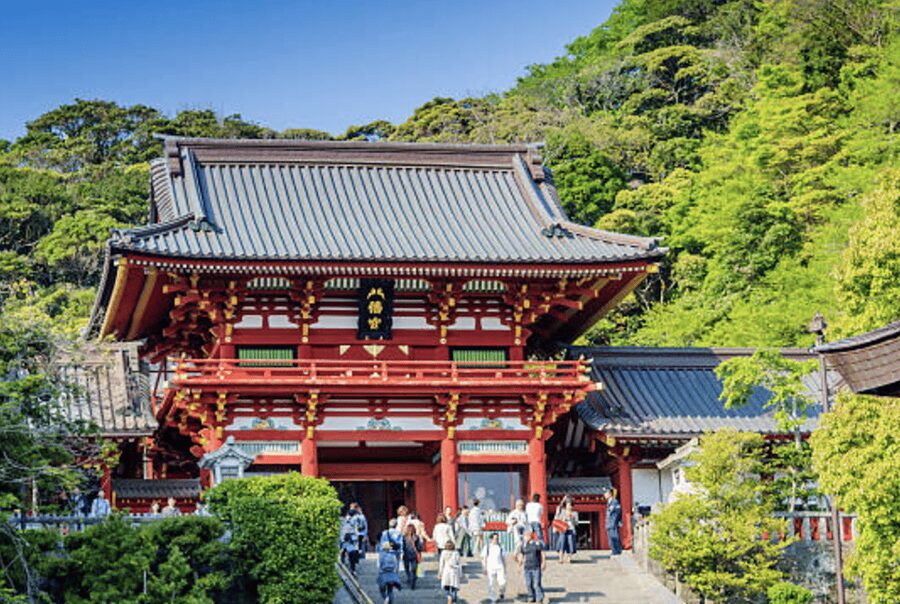
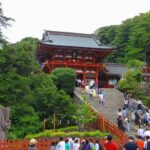
Tsurugaoka Hachimangu Shrine: the calm heart of a former samurai city

Next, Tsurugaoka Hachimangu Shrine brings a different mood. It’s not just a big famous shrine, it’s a place that helps you understand Kamakura’s identity as a former samurai capital. A well-run guide will help you notice how the shrine feels in the flow of the town, and why this area has long been considered central.
What I like about adding this stop is the balance. After Kotoku-in’s monumental presence, Hachimangu adds a slower, ritual-focused atmosphere. You’ll get the sense that you’re walking through a living cultural landscape, not just visiting monuments.
If you’re the type who likes to understand symbolism, this is a strong point to ask questions. A guide can explain what you’re seeing and tie it back to the broader theme of spirituality and samurai-era culture that Kamakura is known for.
Hokokuji Temple bamboo forest: quiet Zen vibes on foot
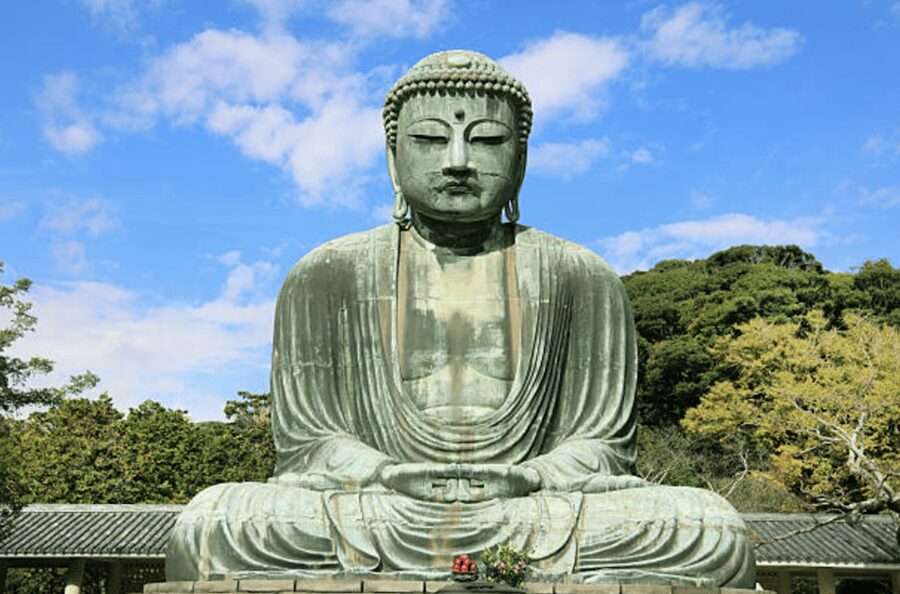
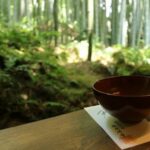
Then comes Hokokuji Temple’s atmospheric bamboo forest. This is where the tour stops feeling like “sightseeing” and starts feeling like you’re actually moving through a mood. Bamboo corridors have a way of making sound behave differently, and they naturally slow your steps.
A guide’s role here is less about facts you memorize and more about attention you learn. When someone points out details, you stop treating the scene like a photo backdrop. You notice the texture of the space, how light changes between stalks, and why this kind of setting matters in Zen-related environments.
Practical tip: if you’re visiting during busy times, plan to arrive with patience. Even with a private format, popular scenic temples can get crowded. A good guide can help you choose the right moment to spend longer in the quiet areas.
Komachi Street: snacks, souvenirs, and local rhythm
No Kamakura day feels real without time in and around Komachi Street. This is where you shift from temple routes to human-scale town life. The tour includes time to stroll here, sample local delicacies, and shop for unique souvenirs.
I like Komachi Street because it’s a practical bridge between cultural sights and everyday Japan. You get a chance to refuel, browse, and pick up small items that feel tied to the place you just walked through.
A useful approach: treat Komachi Street as your flexible time buffer. If you want more food time, ask your guide to slow down there. If you’d rather trade shopping for another temple corner, your guide can adjust the plan.
You can also read our reviews of more private tours in Kamakura
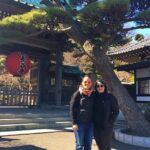


Finding the quieter corners and local legends
One of the most praised parts of this experience is the way your guide gets you to unusual spots in Kamakura, including hidden temples that locals know well. This is the part that’s hard to recreate on your own because those locations often require local knowledge, and you may not stumble on them by accident.
Based on the consistent review themes, the best guides like Ken-san share stories and history as you walk. That matters because Kamakura’s temples and shrines can blend together if you’re not given context. With guidance, each place becomes a chapter in the larger picture: cultural heritage, spiritual traditions, and local legends.
Also, this tour is designed for personalization beyond just picking your favorite landmarks. The tour description includes options like scenic coastal views, deeper Zen Buddhism focus, and traditional tea ceremonies. The key point is that this isn’t locked to one theme. If you care about one of those angles, ask your guide to structure the day around it.
Practical tip: bring a short list of what you want most. If you tell your guide your priorities at the start, you’re more likely to get a day that feels tailored instead of “everything, but at default speed.”
How the 4 to 8 hours and transport plan actually affect your day
The tour lasts 4 to 8 hours, which is a smart range for Kamakura. It gives you enough time to see the major sites, plus add quieter stops, without turning the day into a marathon.
Transportation is handled with public transportation, which is a great way to absorb the local atmosphere. Just note the important detail: transportation is not listed as included, so you should expect to pay transport fares separately. If you’d rather reduce walking or deal with mobility constraints, a private vehicle can be arranged upon request. That gives you flexibility if your group has different needs.
Timing-wise, your best move is to match duration to your style:
- If you want temples plus some town time, the shorter end can work.
- If you want more hidden corners and a slower pace, go longer.
And because the tour can include pickup from your accommodation in Kamakura (if you want it), you can reduce the hassle of starting your day with directions and meeting points.
Price and value: what $122 per person buys you
At $122 per person for a private 4 to 8 hour walking tour, the price looks reasonable when you think about what’s included. You’re paying for an English-speaking local guide, private group format, and the ability to customize the itinerary.
Here’s how I think about value on this kind of tour:
- If you were to do Kamakura on your own, you’d still pay entrance fees, spend time figuring out routes, and miss context at the stops.
- With a private guide, you’re buying time saved plus story and navigation help, especially for those less obvious temple corners.
- The review pattern that mentions guides like Ken-san taking people to unique spots matters because it’s exactly what makes a day feel worth it. It’s not just “see the famous stuff,” it’s the extra understanding and harder-to-find places.
The trade-off is predictable: entrance fees, lunch, and transportation are not included. That means your total day cost depends on what you choose to do once you’re there. If you plan for that upfront, the base price becomes much easier to evaluate.
Simple budgeting idea: decide what you want to eat and which entrances you plan to cover. Then add those to the tour price so you’re not surprised at the end.
Who this tour is best for

This private guide format is ideal if you want Kamakura to feel like it belongs to you. You’ll likely enjoy it most if you:
- Want to see the main landmarks, but also care about lesser-known temples and side streets
- Like having history and spiritual context explained while you walk
- Prefer a flexible plan instead of a fixed group schedule
- Have a group size that benefits from a private guide (family, friends, couples)
It can also suit people who want an organized structure without feeling stuck in a rigid agenda. The guide can adapt based on what you’re most interested in, including Zen Buddhism focus, coastal views, and traditional tea experiences if you want that direction.
If you’re the kind of traveler who loves researching on your own and doesn’t mind figuring out routes, a self-guided day can work. But if you want to get the most meaning per hour, this is the more efficient route.
A quick reality check on planning your day
A private tour is only as smooth as the expectations you set at the start. Before you go, decide what “success” means for you:
- Are you there for the Big Names like Kotoku-in and Hokokuji?
- Or do you want extra time on side-temples and legends?
- Do you want Komachi Street food and shopping, or would you rather trade time for another calm shrine stop?
Then tell your guide. Because the itinerary is customizable, you’re not locked into one idea of Kamakura.
Also, wear comfortable shoes. This is a walking tour, and Kamakura’s terrain means you’ll be moving through steps and paths. It’s usually worth it, just plan for it.
Should you book this private Kamakura tour?
If you want Kamakura to feel personal, efficient, and story-filled, I’d say yes. The combination of major highlights plus access to quieter temple corners is the big win. And the repeated praise for guides like Ken-san, especially for friendly explanations and unique local spots, suggests you’re not just buying a route, you’re buying the kind of context that makes temples stick with you.
Book it if you:
- Prefer a private English guide
- Want both famous sites and lesser-known experiences
- Are willing to pay entrance fees and choose lunch separately
Skip it only if you’re traveling super light on time and you want to avoid extra costs like entrance fees and transport fares. Otherwise, this is a strong value way to experience Kamakura beyond the obvious photo stops.
FAQ
How long is the Kamakura private custom tour?
The tour duration is 4 to 8 hours. You can check availability to see starting times.
Is this tour private or shared?
This is a private group tour, with a private tour format.
Does the guide speak English?
Yes. The tour includes an English-speaking local guide.
Is pickup from accommodation included?
Pickup from your accommodation in Kamakura is included if you want it.
Are entrance fees included?
No. Entrance fees are not included.
Is lunch included?
No. Lunch is not included.
Is transportation included?
No. Transportation is not included, even though the tour uses public transportation during the experience.
Can the itinerary be customized?
Yes. The tour itinerary is customizable.
Is the tour wheelchair accessible?
Yes. The tour is listed as wheelchair accessible.
Is free cancellation available?
Yes. You can cancel up to 2 days in advance for a full refund.
More Guided Tours in Kamakura


More Tours in Kamakura
More Tour Reviews in Kamakura
Not for you? Here's more nearby things to do in Kamakura we have reviewed

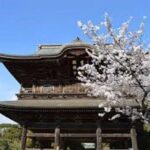
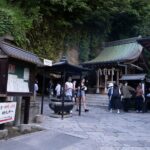
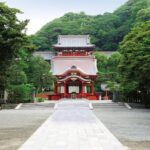


Kamakura Day Trips, side by side.
 ★ 4.5Kamakura & Enoshima Day Trip including Temple TicketsFrom $581,375 reviews
 ★ 4.5Mt. Fuji, Kamakura, Big Buddha, & Lake Ashi Day TripFrom $49867 reviews
 ★ 4.5From Tokyo: Kamakura & Enoshima 1-Day Bus TourFrom $66189 reviews
 ★ 5.0Kamakura Historical Walking Tour with the Great BuddhaFrom $98129 reviews
 ★ 5.0Kamakura Private Tour: Temples, Nature, and the Great BuddhaFrom $98121 reviews
 ★ 5.0Kamakura Walking Tour – The City of ShogunFrom $35100 reviews
 ★ 5.0Kamakura 8 hr Private Walking Tour with Licensed Guide from TokyoFrom $20180 reviews
 ★ 4.1Kamakura & Enoshima Day Tour with Pickup & Train RideFrom $1361 reviews
This tour also belongs to