
Review · TOKYO SUSHI CLASSES
3-Hour Small-Group Sushi Making Class in Tokyo
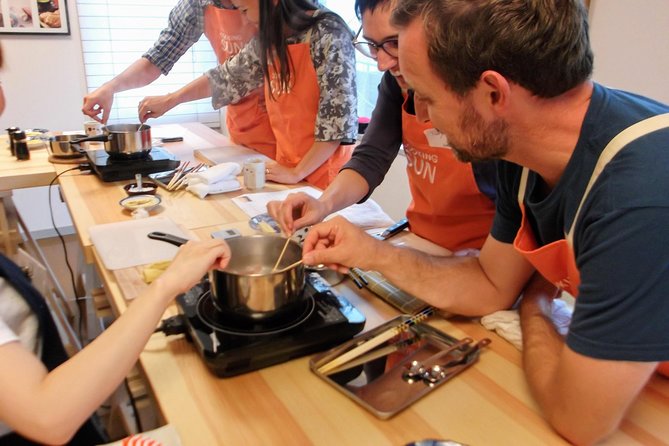
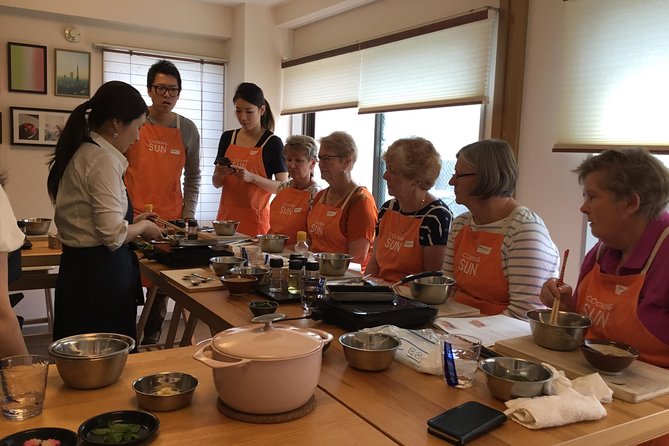
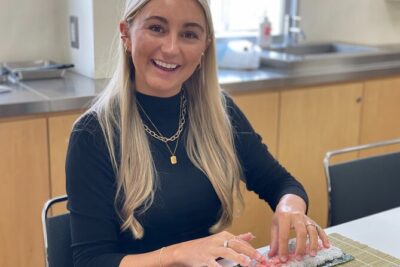
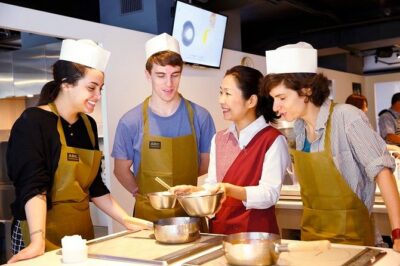
Sushi class in Tokyo beats just eating sushi. In a small group at Cooking Sun Tokyo, you get hands-on guidance to make real styles like nigiri and California roll, plus you end by eating what you build. I especially like that the instructors are English-friendly, and the setup is practical, with ingredients and gear provided.
One thing to keep in mind: you use pre-sliced fish, so you are not learning the step of cutting raw fish.
Key Things You Will Remember
- Small group, up to 9 people, so you can ask questions while your sushi falls apart (it happens)
- English-friendly instruction that still teaches the logic behind Japanese sushi
- Hands-on rice and seasoning focus, not just rolling practice
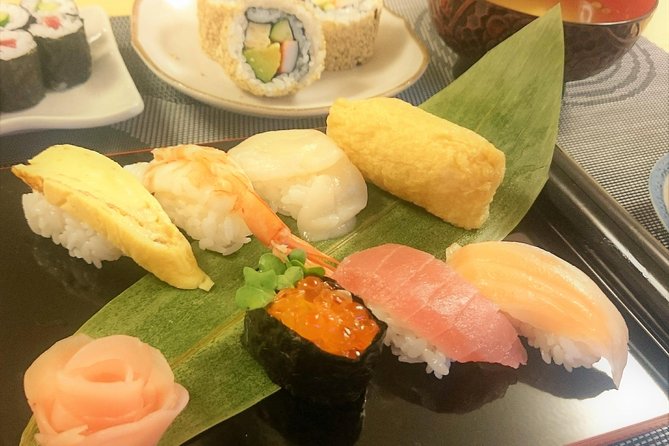
- Four sushi styles you can actually repeat at home: nigiri, inari, hosomaki, and California roll
- Cook-and-eat format, with miso soup and sides that turn the class into a full meal
Why This Sushi Class Works Better Than a Typical Food Stop
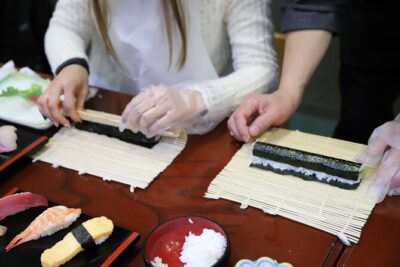
Tokyo has no shortage of sushi experiences. The problem is that many are mostly about eating and watching. This one flips the script. You do the work. You press. You shape. You roll. And then you eat, which is a big deal because sushi teaches you through texture and timing.
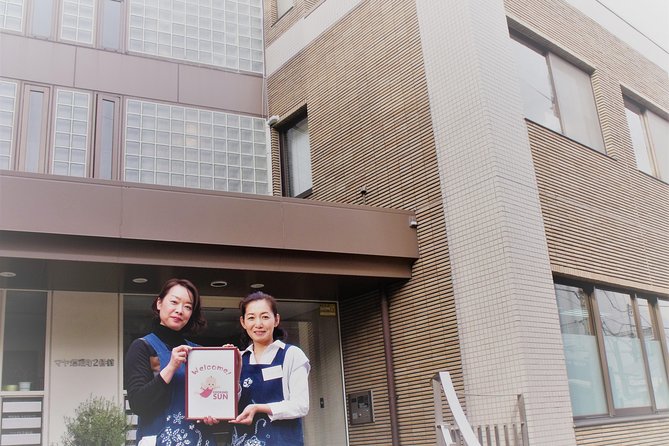
I also like the feel of the place. Cooking Sun Tokyo is not in the loud, high-traffic swirl. Past guests describe it as a quiet, clean studio tucked into a residential area, which makes the whole class less stressful. You get a calm kitchen setting, and that matters when you are learning sticky sushi rice for the first time.
Finally, this class is built for real people, not just cooking pros. The teaching is step-by-step and designed for beginners. You still learn proper concepts, but you are not expected to already know how to season rice or handle seaweed.
More Tokyo tours and experiences for the shortlist



Getting Set Up at Cooking Sun Tokyo (and What to Expect When You Arrive)
The class takes place at Cooking Sun Tokyo in Shinjuku, near public transportation. The meeting address is 18-39 Shinanomachi, Shinjuku City, Tokyo 160-0016. The session starts at 1:30 pm and ends back at the meeting point.
You will be given the basic tools so you can focus on technique:
- Apron and towel rental
- Recipes and ingredients for the class
- A local instructor who speaks English
You will also use a mobile ticket, so have your phone ready. Past guests consistently highlight that the kitchen is well equipped and clean, which I take as a strong sign that this is more than a casual demo. You are standing at a real work station and doing the steps.
A small note I appreciate: the class is capped at a maximum of 9 people. That size is big enough to feel social, but small enough that the instructor can spot what you need right away.
The Start: Japanese Ingredient Basics You Can Use Again
Before you start shaping sushi, you get a short intro to essential Japanese ingredients. This is where you learn what you are tasting, not just what you are assembling.
Expect to cover staples such as:
- Dashi
- Miso
- Traditional seasonings
In real life, dashi and miso show up everywhere in Japanese home cooking. Learning what they are and why they matter makes your dinner later far more satisfying. You also pick up context that helps when you recreate the flavors at home, because you will not be guessing.
If you are the type who likes to understand the why, you will enjoy this part. Even the reviews that focus on sushi rolling also mention learning concepts behind sushi and Japanese cooking. Names that come up in reviews include instructors like Miki and Yuki, and other teachers such as Yummy and Yuko. You might not get the exact same team, but the teaching style is clearly consistent: friendly, hands-on, and geared toward English speakers.
Hands-On Sushi Rice and Miso Soup, Not Just Rolling
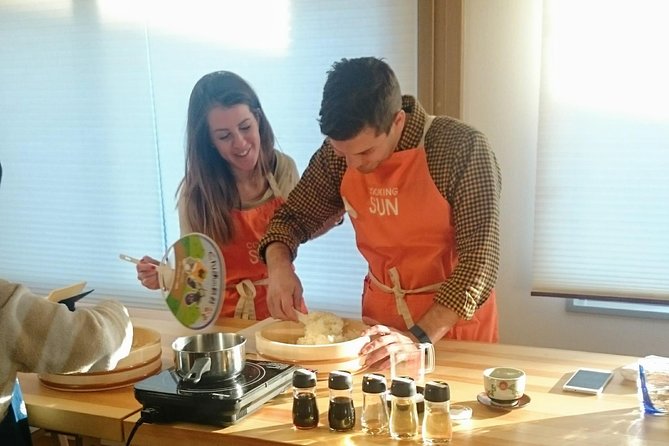
A lot of sushi classes rush past the hardest part: rice. Here, sushi prep starts in earnest, so you work on the foundation first.
You will learn about:
- Sushi rice preparation (including seasoning approach)
- Pairings like miso soup
More than one guest points out that they learned rice and miso step-by-step before assembling the sushi. That order is smart. Sushi rice is where your success (or sticky disaster) begins. When the rice is right, nigiri feels “clean” and rolls hold their shape. When the rice is wrong, everything downstream feels harder.
You also learn practical handling habits. Sushi rice is warm, sticky, and unforgiving. The instructor support matters here. Having a person nearby who can correct your pressure and your timing turns a confusing mess into something repeatable.
And yes, you will probably think your first pieces look awkward. That is normal. The class is designed so you improve while you go.
Tamagoyaki Practice: The Rolled Omelet Step That Makes Sushi Feel Real
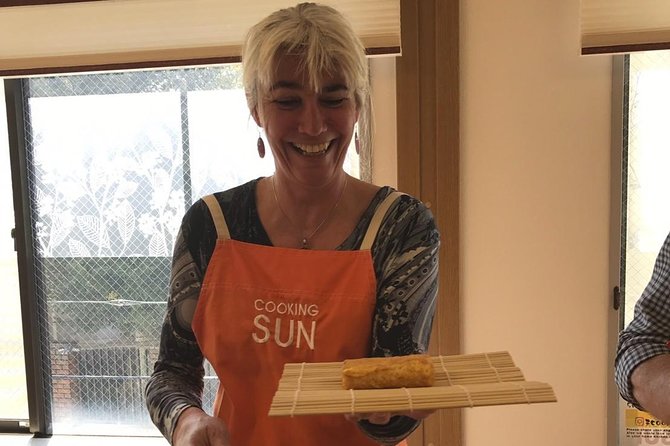
One of the most memorable parts of the class is making tamagoyaki, the Japanese rolled omelet. In this class, it is used as a filling for your sushi rolls.
Even people who are nervous in the kitchen tend to find tamagoyaki surprisingly fun here. Rolling eggs looks intimidating on paper, but the teaching keeps it structured. You are not expected to produce a magazine-perfect rectangle. You are learning technique and getting comfortable with heat control and rolling motion.
This step matters for two reasons:
- It teaches a key Japanese comfort-food skill that you can use beyond sushi.
- It shows you how Japanese sushi often balances seafood, egg, and savory fillings, not just raw fish.
More Tokyo tours and experiences for the shortlist






Learning Four Sushi Styles, Including Inari and California Roll
You do not just make one kind of sushi. The class focuses on multiple styles you can actually replicate at home.
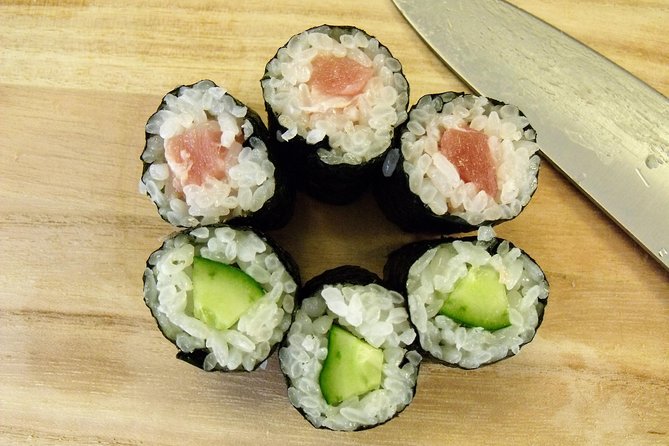
Nigiri (hand-pressed sushi)
Nigiri is a great skill because it forces you to learn shaping with intention. You press and form, aiming for a rice shape that supports the topping. If you have eaten nigiri in Tokyo and wondered how it stays so neat, this is where the answer shows up.
Inari (sweet tofu pouch sushi)
Inari is a different world from nigiri. You are working with flavors and textures that are sweeter and more savory at the same time. This teaches you that sushi is not only about fish. It is about balance.
Hosomaki (thin roll)
Hosomaki is where rolling technique becomes real. Thin rolls are less forgiving than thick ones, because there is less space to hide mistakes. This is a good choice for a class like this because the structure of the lesson keeps you from getting lost.
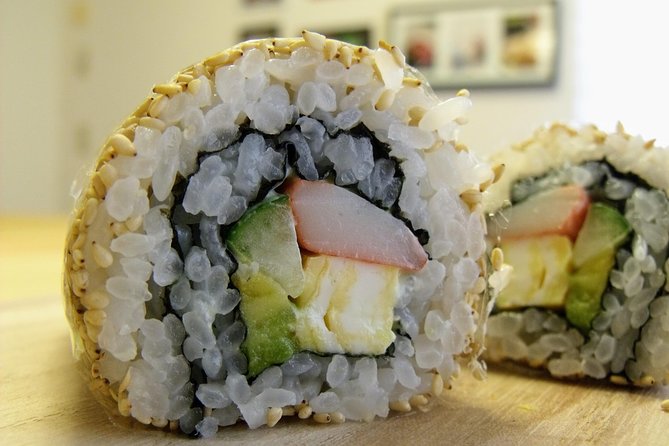
California Roll
The California roll gets a lot of hype, and it is often misunderstood as just an American variation. In class, it becomes a way to learn assembly and rolling with familiar ingredients. It is also a win if you want an easy style to explain to friends back home.
Fish note: what you will and will not do
One practical detail you should know before you book: the class uses pre-sliced fish. The class does not include instruction on cutting raw fish. So if your personal goal is knife skills for sushi-grade cutting, you should look for a different type of class. If your goal is to learn shaping, rice, sauces, and rolling, pre-sliced fish is actually a big help, because it keeps the lesson focused.
The Meal: Eating Your Sushi with Miso Soup, Wasabi, and Ginger
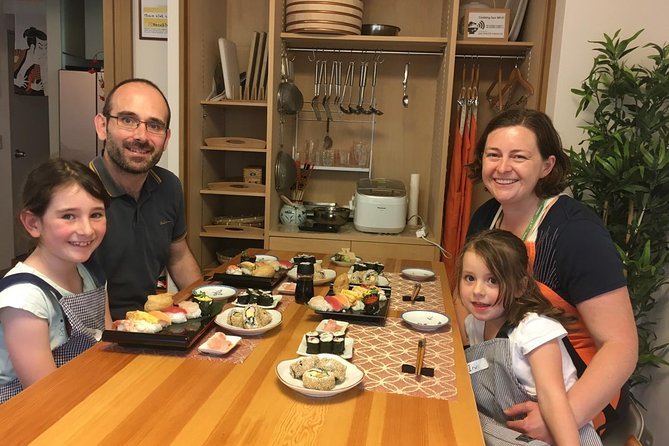
After you make your sushi, you sit down and eat. This is not a token bite either. Reviews consistently say there is a lot of food, and people leave full.
Your meal includes:
- Miso soup
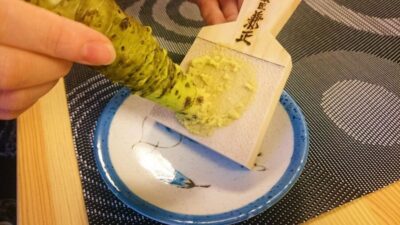
- Wasabi
- Pickled ginger
- The sushi you make during the class
This part is where the class locks in for most people. You taste the rice you seasoned, the omelet you rolled, and the balance you assembled. It is a quick feedback loop that makes the technique stick.
It is also a good break in the middle of a Tokyo day. Sushi making is active, and then the meal turns it into a real dinner experience without the stress of finding a restaurant that night.
Price and Value: Is $72.67 Worth It?
At $72.67 per person for about 3 hours, the price looks steep if you think only about food. But you are paying for technique and equipment access, not just ingredients.
Here is why it can be good value:
- Everything you need is provided: ingredients, recipes, and rental apron and towel
- Small-group attention: max 9 people means the instructor can actually correct your form
- You leave with buildable skills: rice, tamagoyaki handling, and multiple sushi styles
- You eat what you make, including miso soup and sides
Also, the class is in central Tokyo at a convenient time slot starting at 1:30 pm, so it can slot into your day without forcing you into long travel waits.
The only way it might not feel worth it is if you simply want top-tier sushi-grade fish and nothing else. One review does suggest not expecting the best quality fish. But the trade-off here is learning the process and producing a meal you can recreate later.
Who This Class Is Best For (and Who Might Skip It)
This works especially well if:
- You love sushi and want skills you can reuse, not just a meal
- You want an English-friendly experience in Tokyo that still teaches real Japanese technique
- You are traveling solo, with a partner, or as a small family and want a structured activity
- You want a low-pressure kitchen setting where mistakes are part of learning
It is also a strong option for people who are new to cooking, because the class is not positioned as advanced culinary training.
You might skip if:
- You specifically want knife skills for cutting raw fish (this class does not teach that)
- You only care about eating the most premium ingredients and do not want to spend time learning
Tips to Get the Most Out of Your 3-Hour Session
If you want to leave with sushi skills, do these things during the class:
- Watch the instructor for the first step, then act before you overthink it. Rice and rolling work faster when you commit.
- Ask questions when you see a problem. Sticky rice, uneven shaping, and loose rolling are fixable on the spot.
- Don’t judge your first nigiri or hosomaki. You are practicing consistency, not making art.
- Come hungry. The class is hands-on, and you will be eating the results afterward.
One more practical note from past guests: August heat can make Tokyo feel brutal, and people reported that the classroom stayed comfortably cooled. Still, you will likely be active, so dress in breathable layers.
Should You Book This Sushi Making Class?
Yes, if you want a hands-on, beginner-friendly Tokyo experience that ends with a proper meal. The small-group size, English-speaking instructors, and the fact that you learn multiple sushi styles, including tamagoyaki-driven rolls, make it more than a simple “try it once” activity. The only clear reason to hesitate is if your main goal is raw fish cutting skills, because the class uses pre-sliced fish.
If you are planning a Tokyo trip and you like the idea of bringing real technique home, this is the kind of class that turns into a fun story and a useful skill.
FAQ
How long is the sushi making class?
The class lasts about 3 hours.
Where does the class take place?
You meet at Cooking Sun Tokyo, 18-39 Shinanomachi, Shinjuku City, Tokyo 160-0016, Japan. The activity ends back at the meeting point.
What is included in the price?
Included are a local English-speaking cooking instructor, recipes and ingredients, and apron and towel rental.
Is hotel pickup or drop-off included?
No, hotel pickup and drop-off are not included.
Do I need any cooking experience?
No experience is necessary.
What sushi styles will I learn to make?
You will learn nigiri, inari (sweet tofu pouch sushi), hosomaki (thin roll), and California roll.
Is there a vegetarian option, and can you accommodate dietary needs?
A vegetarian option is available. You should advise any dietary requirements at the time of booking.
More 3-Hour Experiences in Tokyo
More Workshops & Classes in Tokyo

More Tour Reviews in Tokyo





Not for you? Here's more nearby things to do in Tokyo we have reviewed







Tokyo Sushi Classes, side by side.
 ★ 5.0Sushi Making Tokyo Roll and Authentic Japanese Sushi ClassFrom $593,971 reviews
 ★ 4.9Roll and Authentic Sushi Making Class in AsakusaFrom $581,957 reviews
 ★ 4.9Sushi Making Class in a Happi Coat near a Famous SpotFrom $421,377 reviews
 ★ 5.0Tokyo Sushi Making Class in Tsukiji with Professional ChefFrom $491,177 reviews
 ★ 5.0Tsukiji Fish Market Guided Tour and Sushi Making with Pro ChefFrom $104775 reviews
 ★ 4.9Tsukiji Fish Market Sushi Making Class with Pro ChefFrom $63506 reviews
 ★ 4.9Sushi Making ClassFrom $67390 reviews
 ★ 5.0Tokyo Tsukiji Fish Market Tour and Sushi Making LessonFrom $99390 reviews
This tour also belongs to