
Review · KAMAKURA DAY TRIPS
Kamakura and Yokohama Private Tour with Bilingual Chauffeur
A day like this keeps history close and simple. You get private transportation for a focused route through Kamakura’s major landmarks, then optional time for Enoshima and Yokohama’s Chinatown.
I especially like the way the stops are chosen for contrast: the outdoor Great Buddha at Kotoku-in, then quiet Zen calm in the Hokoku-ji bamboo grove. And I like that you’re not stuck figuring out trains all day, because you have a bilingual chauffeur and in-person English guide.
One thing to plan for: several temple or island entries are not included, so you will want to budget for on-site admission.
Key highlights worth planning around
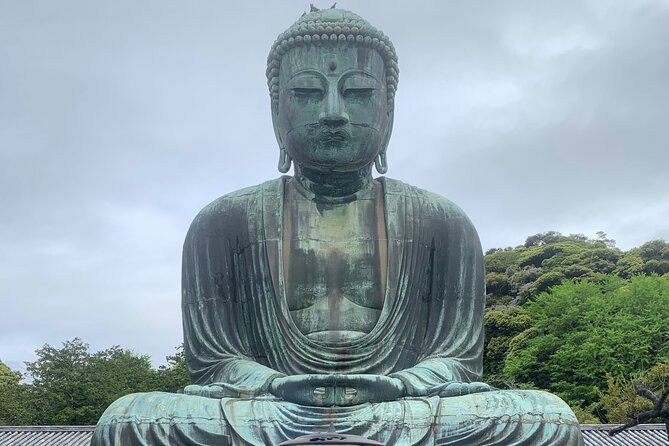
- Great Buddha scale at Kotoku-in: an outdoor bronze statue around 13.35 meters tall in the Kanagawa prefecture setting
- Hokoku-ji bamboo grove peace: a Zen temple sanctuary founded in 1334, with a bamboo grove that slows your pace fast
- Tsurugaoka Hachimangu, samurai-era heart: Kamakura’s most important Shinto shrine, dedicated to Hachiman
- Hasedera’s flowers and coastal views: the “Temple of Flowers” plus sea-facing scenery when conditions are good
- Optional Enoshima or Yokohama Chinatown: you can stretch the day toward the coast or switch to food and street culture
Private day trip power, Kamakura first, then Yokohama
This is the kind of tour that works because it saves you from decision fatigue. You choose a day, you get picked up, and you spend the hours visiting sites that normally take more logistics than they deserve. It also helps that the itinerary is designed around a mix of temple, shrine, and street time, so you get both meaning and momentum.
Kamakura is where Japan’s samurai story really starts to feel real. You visit places tied to Minamoto-era power and Buddhist practice, but you also get breathing room with gardens, bamboo, and ocean-adjacent views. Then, if you want more variety, you can tack on Enoshima or head into Yokohama for Chinese food vibes and shopping streets.
The “up to 6 per group” size is important too. It stays private enough for questions to flow, but it is small enough that you do not feel like you are inside a moving crowd. In other words, you can ask practical things, like what to look for in a courtyard, without the guide talking over everyone.
You can also read our reviews of more private tours in Tokyo
Price and value for a $435.71 private group day
The price is $435.71 per group, up to 6 people. For a private 8 to 10 hour day with pickup, bottled water, parking, and fuel, the math usually makes sense if you split it with family or friends. If you are solo, the cost can feel steep compared with public transport, but you are paying for time savings and for a guide who can explain what you are seeing while you are actually there.
Think of the value in two buckets. First, transportation and convenience: air-conditioned vehicle, private ride, and parking handled. Second, interpretation: you get an in-person English guide plus extra help like free picture taking or video making if you want it.
Also note that this tour is booked fairly in advance, averaging 13 days. That does not mean it will sell out instantly, but it is a gentle signal that people plan this day early when they are building a Tokyo base trip.
Picking your route: what Kamakura gets you
This day is built around Kamakura’s signature landmarks, with a couple of optional pivots. The structure is simple: you start with the Great Buddha and key temples, then you add shrine and garden time, and finally you decide whether you want shopping, the coast (Enoshima), or the big-city food energy (Yokohama Chinatown).
What I like about this approach is that it fits different travel styles. History-first? You can keep the day tight around Kotoku-in, Hokoku-ji, Tsurugaoka Hachimangu, and Hasedera. Shopping or snacks? Komachi Street is included as optional time. Want scenery and sea air? Enoshima is there. Prefer a food stop that feels like a cultural switch? Yokohama Chinatown is included as optional time.
Timing reality check
The day is listed as 8 to 10 hours, and each stop has a planned time window. Temple and shrine time can expand quickly once you start taking photos and walking the grounds. With a private driver, you are not waiting on a group, but you still want to keep an eye on the schedule if you want both Kamakura and Yokohama highlights.
Kotoku-in Great Buddha: the big outside-statue moment
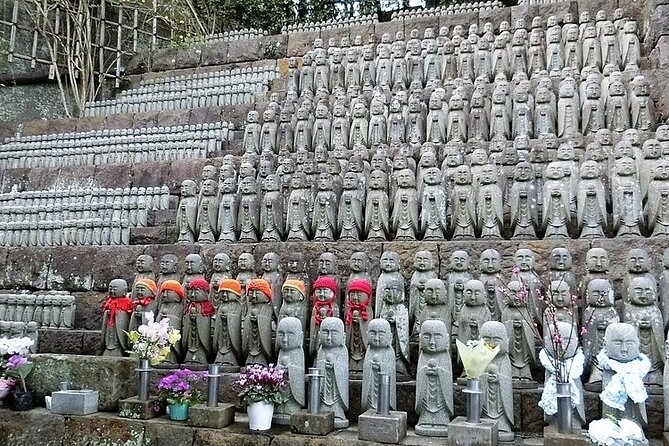
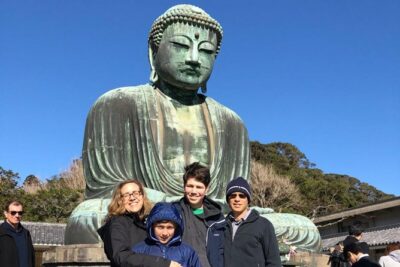
Kotoku-in is where the day earns its wow factor fast. You’re seeing the Great Buddha of Kamakura, an outdoor bronze statue of Amida Buddha, with an approximate height of 13.35 meters. It sits on the grounds of Kotoku-in Temple, so you get that classic temple-setting feel instead of a museum context.
This stop is timed at about 40 minutes. That can sound short until you realize the statue is the main event and the surrounding approach helps you settle in. If you like architecture details, stonework, or how people move through temple grounds, this is also a good place to slow down for a few extra minutes, since you are already outdoors.
What to consider: admission for Kotoku-in is listed as not included. So if you want the cleanest budgeting experience, plan for on-site entry. Also, because it is outdoor, you will appreciate good weather more than you might for a purely indoor museum-style stop.
More Tokyo tours and experiences for the shortlist
Hokoku-ji bamboo grove: Zen calm you can actually feel
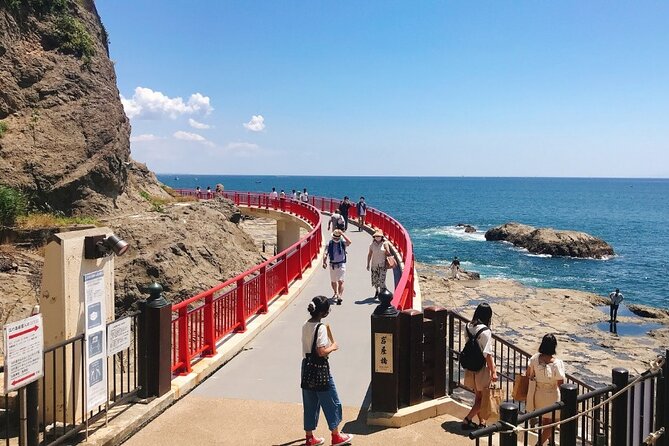
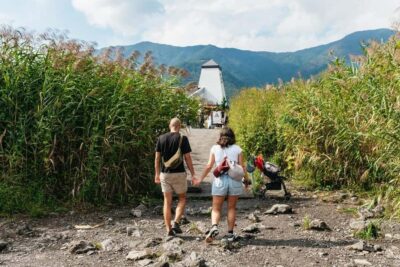
Next up is Hokoku-ji Temple and its bamboo grove. This is described as a Zen Buddhist sanctuary founded in 1334, and the bamboo grove is the star. The reason this works on a day like this is simple: it resets your pace. After seeing large religious icons and busy shrine areas, the bamboo grove forces you to stand still, look up, and breathe a little.
You’re given about 1 hour here, which is a comfortable window. You can walk the main path slowly, pause for photos, and still have time to absorb how the garden frames views and light.
A practical note: admission is listed as not included for this stop as well. The other plus is that you do not need special skills to enjoy it. Even if you are not a serious garden person, the atmosphere helps you understand why people come for quiet.
Tsurugaoka Hachimangu shrine: samurai culture in a shrine setting
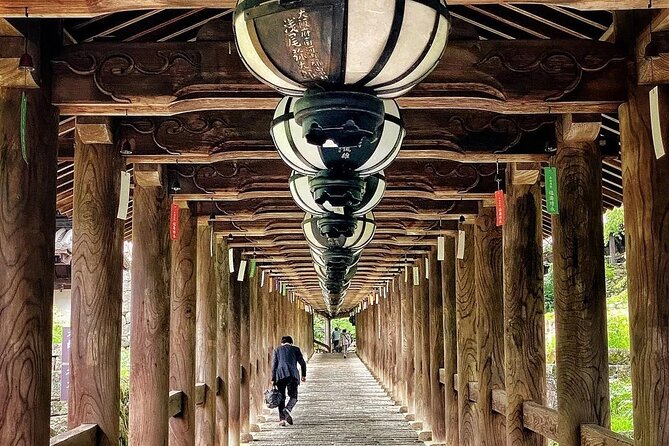
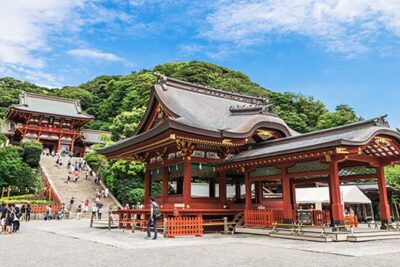
Tsurugaoka Hachimangu is Kamakura’s most important Shinto shrine, dedicated to Hachiman, the patron deity of the samurai. It was founded in 1063, so this is not just a pretty stop. It’s a place where political and spiritual identity meet, at least in the way the shrine’s role is framed.
You get about 1 hour for this stop. The time matters because shrines like this are designed around walking and transitions, not just staring at one object. If you like to understand what a place means, the guide’s explanation can help you connect the dots faster than a solo stroll would.
Admission is listed as not included in the itinerary details for this stop. So again, expect that you might pay on-site depending on what areas are accessible and how the site is managed at the time of your visit.
Hasedera Temple: flowers, coastal views, and slower walking
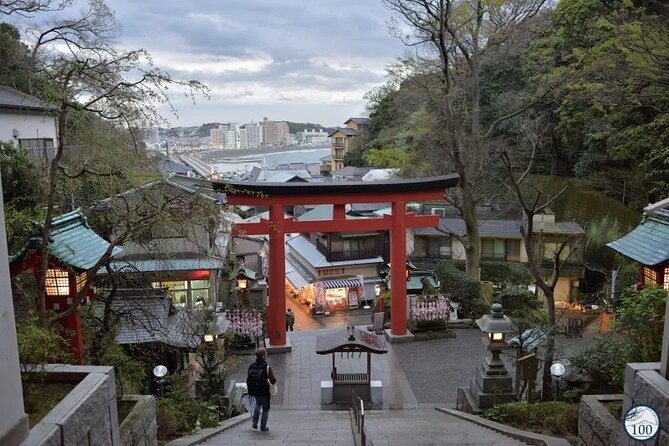
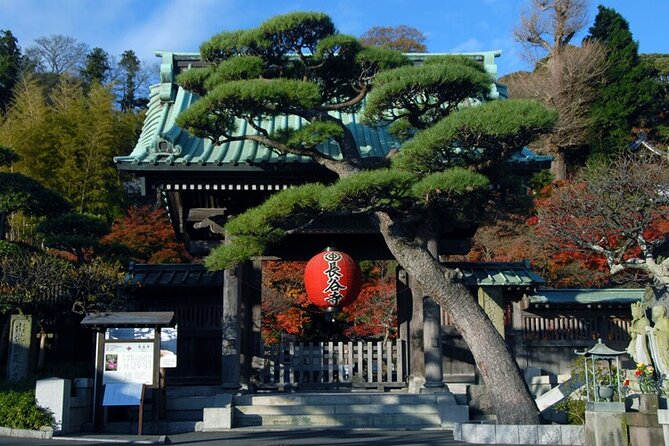
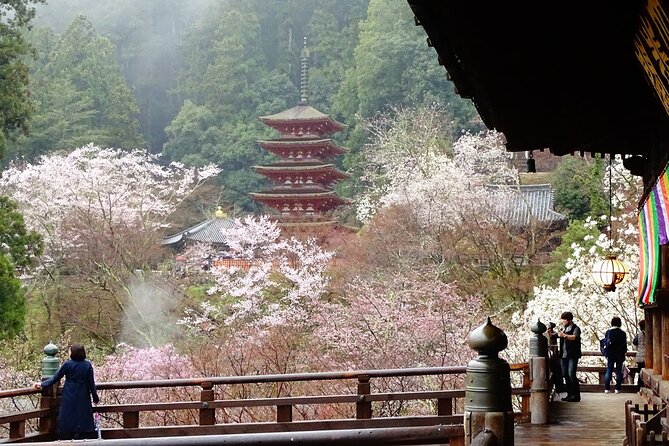
Hasedera is often called the Temple of Flowers, and in this itinerary it’s timed at 1 hour 30 minutes. That longer window makes sense, because Hasedera is described as known for seasonal flowers and coastal views, plus the kind of scenery that rewards lingering.
If you are trying to balance an active day, this is a great place to do it. After the bamboo grove, you get another calm-feeling stop, but with more variety: stairs, temple grounds, and lookout points where you might catch sea-facing scenery.
Admission for Hasedera is listed as not included. Also, since it’s partly about views, you will benefit if the day’s weather cooperates, visibility is decent, and you are not rushing through.
Komachi Street shopping time: souvenirs without the stress
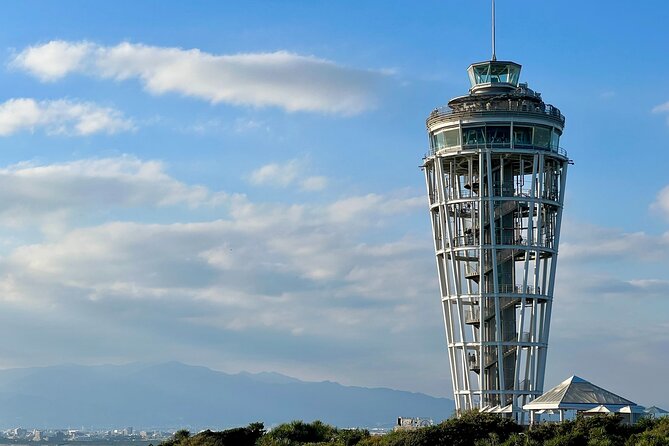
Komachi Street, or Komachi dori, is an optional stop timed at about 1 hour, and admission is listed as free. This is where you turn the day from sacred spaces back into human-scale travel: snack hunting, small gifts, and strolling the energy right outside the shrine area.
I like this stop because it prevents the day from feeling like only temples and gates. It also gives you a practical chance to buy small items you might not want to carry across Tokyo trains later.
How to make it work: set a quick goal before you start walking. For example, decide whether you want matcha-related sweets, local snacks, or a single meaningful souvenir. Otherwise, shopping streets can become a time sink that quietly steals your buffer for Enoshima or Yokohama.
Enoshima Island option: ocean scenery and shrine stops
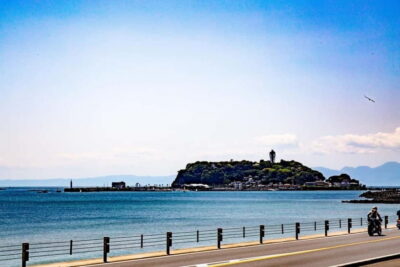
Enoshima is optional, timed at about 1 hour 30 minutes, with admission listed as not included. The island is described as a scenic coastal getaway known for ocean views, historic shrines, and seaside culture.
This is a strong choice if your Kamakura day feels a bit too temple-heavy. Enoshima adds a coastal tempo, and it also helps you end the day with scenery that feels different from the inland city core.
The practical downside: because it’s an island plan, your enjoyment depends more on weather and light. Clear skies can make the views feel extra rewarding, while fog or rain can make it more of a transport-and-photo mission.
Yokohama Chinatown option: food and street culture switch
Yokohama Chinatown is optional too, about 1 hour 30 minutes, and admission is listed as free. It is described as the largest and most vibrant Chinatown in Japan, established in the late 19th century, with over 600 restaurants and shops.
If you want an easy win for taste and variety, this is it. Even if you do not plan to sit down for a long meal, you can still sample and snack as you walk. It also adds a cultural contrast to Kamakura’s Buddhist and Shinto sites, which makes the whole day feel less repetitive.
One consideration: Chinatown can get lively with foot traffic. A private driver helps with logistics, but once you are on the streets you will still want to move with the crowd.
The guide factor: when Abdul makes history stick
One of the most praised aspects tied to this experience is the guide experience, especially the English guide named Abdul. Feedback highlights that he arrived on time and was courteous. Even better, he made the history feel fun and answered questions, including personal ones.
That matters because Kamakura sites can feel like labels on a map if you do not get context. With a guide who can explain what you are seeing in plain terms, you can spend your energy looking at details instead of guessing at meaning.
If you care about explanations, this tour is a good fit. If you only want photos and you do not care about background, you might find the extra guided time less necessary. But for most first-time visitors to Kamakura, context turns a good day into a memorable one.
Included extras that make the day feel smooth
This tour includes several comfort and convenience items that add up during a long day. You get an air-conditioned vehicle, private transportation, and bottled water. There are also fuel charges and parking fee and tool charges included.
There is also a small but genuinely helpful touch: free picture taking or video making assistance if you need it. If you are traveling with friends or family and nobody wants to be stuck playing photographer, that can save time and stress.
You also get a pickup option and a mobile ticket. Mobile tickets are great because you are not juggling paper receipts and finding the right entry code while you are standing in front of a temple gate.
What is not included, so you do not get surprised
Admission is not included for several main stops. Specifically, admission is listed as not included for Kotoku-in (Great Buddha), Hase-dera, Hokoku-ji (Takedera Temple), and Enoshima Island.
The itinerary details also indicate admission tickets not included for Tsurugaoka Hachimangu. So, plan for the possibility that you will pay on-site across multiple stops.
A simple strategy: keep a small budget card and some cash, and decide you will treat admissions as part of the day rather than a last-minute expense.
Weather and cancellation reality
This experience requires good weather. If it is canceled due to poor weather, you are offered another date or a full refund. The tour also states free cancellation up to 24 hours in advance for a full refund.
That is useful if your Tokyo schedule is tight. It is also reassuring for outdoor-focused stops like the Great Buddha and any Enoshima plan.
Who this tour suits best
This private Kamakura and Yokohama day is a strong match if you want:
- A guided day with an in-person English guide
- A private chauffeur so you spend less time navigating trains and transfers
- A route that mixes iconic monuments, quiet gardens, and street time
It also fits families or small groups since the cap is up to 6. The tour notes that most travelers can participate and that it is near public transportation, which is a good sign for overall logistics if you are staying in Tokyo.
If you are the type who loves rushing from stop to stop with no context, this might feel like too much structure. But if you like understanding what you are seeing while someone else handles driving and timing, it is a great format.
Should you book it?
I’d book this tour if you want a private, bilingual-guided day that hits Kamakura’s biggest sites efficiently, with optional Enoshima and Yokohama Chinatown to match your mood. The biggest reason is the combination of convenience and interpretation, plus the fact that the guide experience, especially Abdul, is specifically praised for making history engaging and answering questions.
I would think twice if you are traveling solo on a strict budget, because the per-group price can be hard to justify without splitting with others. Also, if you hate admission fees and want only free sites, plan for multiple paid entries.
If your schedule allows, I’d also book ahead since it is commonly reserved around 13 days in advance. And if weather is iffy, keep your buffer, because outdoor scenery is a big part of what makes the day feel special.
FAQ
Is this tour priced per person or per group?
The price is listed as $435.71 per group, for up to 6 people.
How long is the Kamakura and Yokohama private tour?
It runs about 8 to 10 hours.
Does the tour include pickup in Tokyo?
Yes, pickup is offered.
What does the tour include?
Included items are air-conditioned vehicle, private transportation, bottled water, fuel and parking fees, and free picture taking or video assistance if needed, plus an in-person English guide.
Are admission tickets included for the temples and island?
No. Admission is not included for Kotoku-in (Great Buddha of Kamakura), Hase-dera Temple, Hokoku-ji (Takedera Temple), and Enoshima Island. Admission is also listed as not included in the itinerary details for the main shrine stop.
Can I choose whether to add Enoshima or Yokohama Chinatown?
Yes. Enoshima Island and Yokohama Chinatown are marked as optional stops.
What if the weather is bad on the day of my tour?
The tour requires good weather. If it is canceled due to poor weather, you’ll be offered a different date or a full refund.
More Private Tours in Tokyo
More Tours in Tokyo





More Tour Reviews in Tokyo


Not for you? Here's more nearby things to do in Tokyo we have reviewed












Kamakura Day Trips, side by side.
 ★ 4.5Kamakura & Enoshima Day Trip including Temple TicketsFrom $581,375 reviews
 ★ 4.5Mt. Fuji, Kamakura, Big Buddha, & Lake Ashi Day TripFrom $49867 reviews
 ★ 4.5From Tokyo: Kamakura & Enoshima 1-Day Bus TourFrom $66189 reviews
 ★ 5.0Kamakura Historical Walking Tour with the Great BuddhaFrom $98129 reviews
 ★ 5.0Kamakura Private Tour: Temples, Nature, and the Great BuddhaFrom $98121 reviews
 ★ 5.0Kamakura Walking Tour – The City of ShogunFrom $35100 reviews
 ★ 5.0Kamakura 8 hr Private Walking Tour with Licensed Guide from TokyoFrom $20180 reviews
 ★ 4.1Kamakura & Enoshima Day Tour with Pickup & Train RideFrom $1361 reviews
This tour also belongs to