
Review · SHINJUKU TOURS
The Dark Side of Tokyo – Night Walking Tour Shinjuku Kabukicho
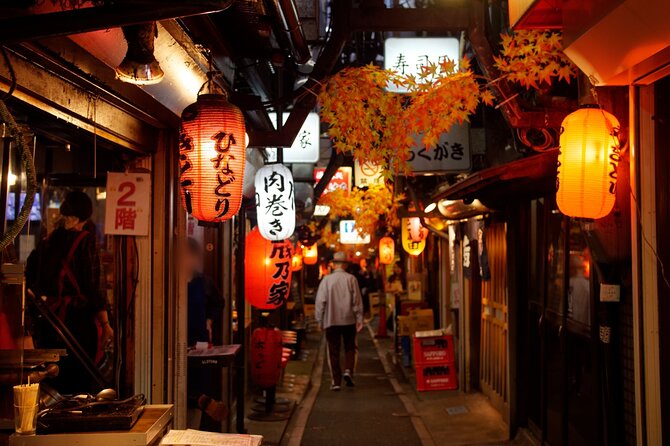
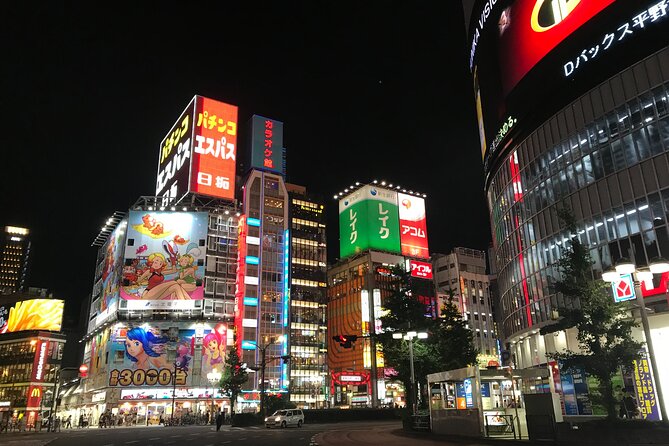
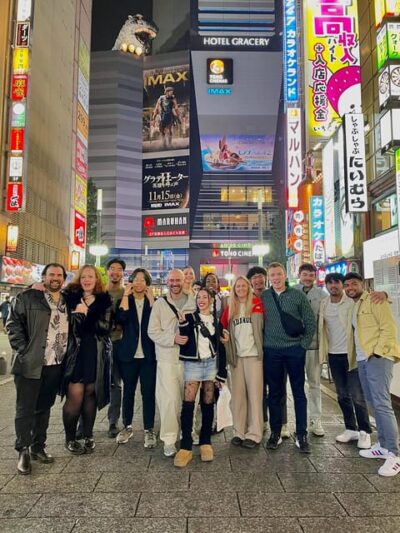
Neon plus backstreets equals a night you won’t forget. This small-group walk through Shinjuku and Kabukicho turns Tokyo’s chaos into a story you can follow, with stops like Omoide Yokocho, a Godzilla-head display, a Shinto shrine, and the LGBTQI+ area locals often call Gay Town. I love how the guide helps you understand what you’re seeing instead of just pointing at signs.
Second, I really like the personal attention that comes from a max group of 12. In the dark alleys and narrow bar streets, that extra guidance matters, especially when English signage is limited and the sensory overload is real.
One possible drawback: food and drinks cost extra, so plan on either paying as you go or skipping meals and focusing on the sights and stories.
Key Highlights You Should Actually Care About
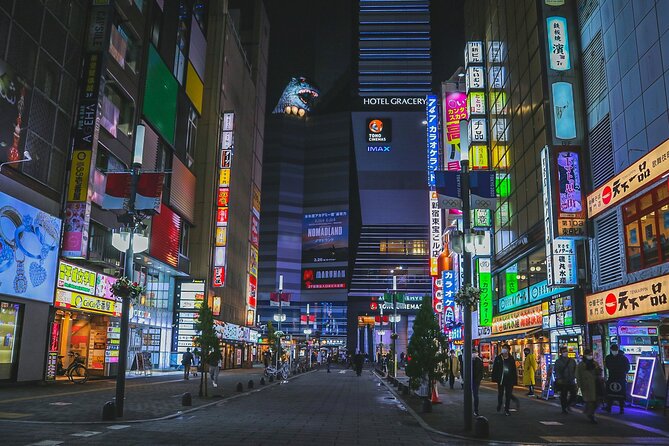
- Shinjuku and Kabukicho on foot so you feel how neighborhoods change block by block
- Neon-sign overload with context, including the unspoken rules of nightlife
- Godzilla Head stop to catch the pop-culture moment after dark
- Omoide Yokocho and narrow bar districts, perfect for tasting your way, if you want
- A Shinto shrine pause, a calmer beat inside an otherwise loud route
- Gay Town and LGBTQI+ district insight, with a respectful, guided lens
Why Shinjuku After Dark Feels So Intense
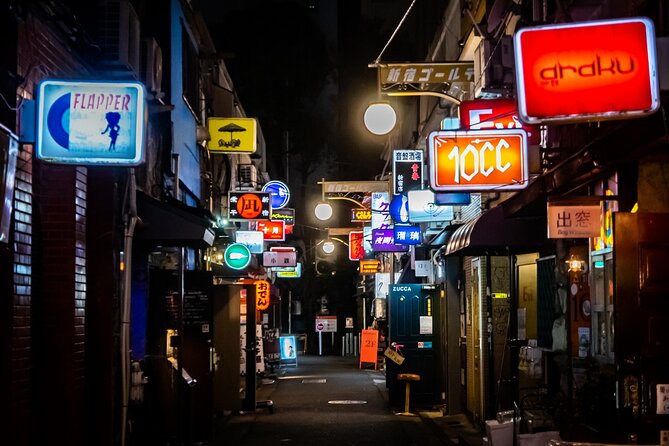
If you’ve only seen Tokyo in daylight, Shinjuku at night can feel like a different country. You get lights, music, crowds, and tiny entrances that look like nothing until you’re right in front of them. The key is not just seeing it, but understanding why it’s built the way it is and how people move through it safely.
What I like about this tour is that it treats nightlife as more than a photo stop. You’re not sent wandering through adult districts hoping you figure things out on your own. Instead, you walk with a guide who helps connect the dots, including the history and legal realities that shape how this nightlife works.
It’s also a great way to start your evening. Even if you plan to explore on your own afterward, you’ll leave with a map in your head. That makes the rest of the night less stressful and more fun.
You can also read our reviews of more walking tours in Tokyo
Price, Timing, and What You Get for $25
This tour costs $25 per person, lasts about 2 hours, and is small-group (up to 12 people). That price is mainly for the guide, not for meals or drinks, so think of it as paying for “local context plus navigation help,” not a full dining experience.
The tour uses a mobile ticket, and you’ll meet near Shinjuku Station. That matters because the area is so dense that even a small navigation mistake can become a long delay at night.
Here’s the value logic: 2 hours in Shinjuku is enough time to hit several major micro-neighborhoods, but not so long that you feel stuck. If you’re a first-timer, or if you’re trying to avoid getting lost in the wrong crowd, that short guided window is often the difference between a smooth night and a confusing one.
Food and drinks are not included. If you enjoy ordering a couple of things, you’ll likely spend extra. If you don’t, you can still enjoy the route and the stories without buying anything.
Meeting at Shinjuku Station East Exit, Then Getting Oriented Fast
The tour starts at Shinjuku Station East Exit Police Box (3-chōme-38-1 area) and ends around Shinjuku 3 Chome. That end point is important: it’s not a strict loop back to the exact first spot. If you’re planning a later reservation or train connection, keep that in mind.
Tip that saves time: the police box reference can be easy to misread if you’re scanning quickly. Arrive a few minutes early, and when in doubt, ask someone nearby which police box is closest to the station exit you’re using. One practical lesson from past groups is that people sometimes look for the wrong type of box, like a phone kiosk, when they’re expecting police signage.
Once you’re with the group, you’ll get the real benefit of the tour: you’ll learn what to notice. Instead of only seeing neon, you’ll understand what each area is for, who uses it, and how the rules of the street show up in doorways, alleys, and crowds.
Kabukicho and the Big Night Life Streets: Walk the Famous Reality
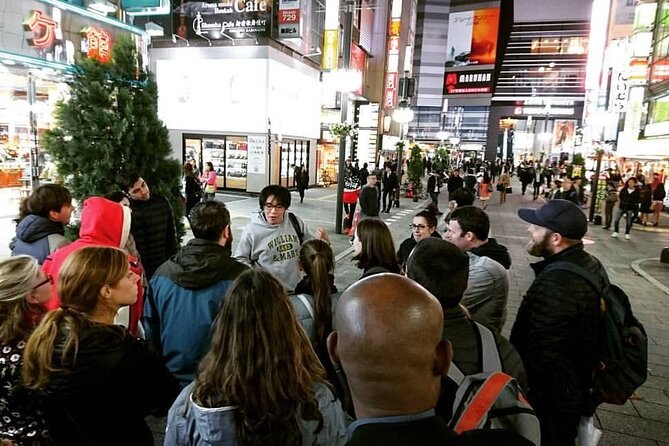
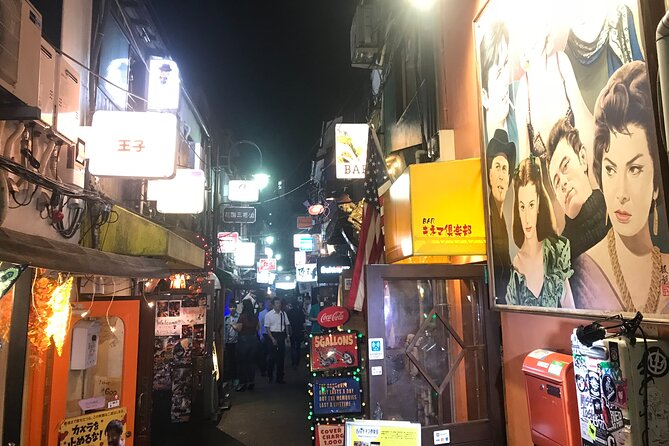
Kabukicho is often described as Shinjuku’s nightlife core, and it earns that reputation. The streets are loud, packed, and full of storefronts with big signs and tiny entrances. The temptation is to treat it like a theme park. The guide’s job is to keep it real and make it legible.
On this route, you’ll spend time in the biggest night life area and then move into smaller, more specific zones. That’s a smart pacing choice. The first phase gives you the big picture. Then the narrower stops let you understand the details that make Tokyo feel distinct, like the rhythm of foot traffic and how people choose between louder streets and quieter alley bars.
A recurring theme in the guide stories is that they explain the legalities and history behind adult nightlife. That is exactly what you want here. When you know why certain things exist and how people navigate regulations, the whole district feels less mysterious and less intimidating.
Omoide Yokocho and the Famous Drinking Alley Stops
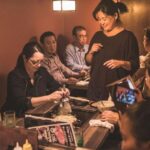
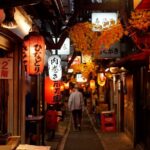
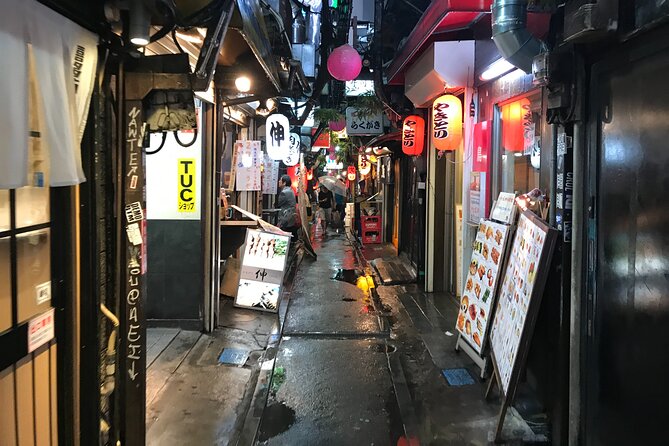
Omoide Yokocho is famous for a reason. This is where the atmosphere shifts from big neon fronts to the stacked chaos of narrow lanes, tiny places, and quick conversations over food. It’s the kind of setting where you can watch Tokyo social life in close-up.
The tour also includes a famous drinking alley stop and time in narrow bar districts. Those are the moments where walking with someone matters most. You get pointed toward areas where it’s easy to sit down, order, and enjoy without feeling like you’re barging into a space you don’t understand.
If you want to taste the nightlife, this is where you spend your money. If you’d rather keep it simple, you can still enjoy the atmosphere without ordering. Either way, listen closely to what the guide says before you choose where to go. A couple of tips can help you avoid wasting time on places that don’t match your vibe.
You can also read our reviews of more evening experiences in Tokyo


Godzilla Head: Pop Culture, Lights, and a Quick Break from the Crowd
One of the most fun stops is the Godzilla Head area, where you can see his show. This is a classic Tokyo marker, but it’s also more useful than it seems. A pop-culture moment gives your brain a reset during a night that otherwise runs nonstop.
It also helps you break the walking rhythm. The walk can be intense, and crowds can blur together. When you stop at Godzilla, you have a clear landmark to regroup around, take photos if that’s your thing, and keep your energy for the final neighborhood transitions.
Since the exact timing of the show isn’t stated here, treat it like this: if the display is happening when you arrive, watch. If not, still enjoy the icon and use the pause to check in with your group and settle your bearings.
A Shinto Shrine Pause in the Middle of Shinjuku
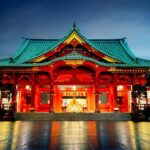
You also visit a Shinto shrine in Shinjuku. This stop may sound like a curveball, but it actually makes the tour better. Tokyo nightlife can feel totally secular, totally loud, totally commercial. The shrine adds contrast, a reminder that this city runs on layered traditions.
I love routes that include one calmer moment because it improves your whole experience. You’ll catch your breath, look up, and refocus. It also gives you something deeper to talk about with your guide besides drinks and signage.
Even if you’re not a big temple person, a shrine stop helps you understand Tokyo’s pacing. People can be loud and cheerful in the streets, and still keep respect for sacred spaces. That balance is part of the city’s identity.
Gay Town (LGBTQI+ District): Respectful Curiosity in a Real Neighborhood
The tour ends up at the biggest LGBTQI+ town in Japan, often described as Gay Town. This is the part of the night where you’ll want to pay extra attention to tone. The guide’s perspective is what keeps it respectful and informative.
You’re not just looking for venues. You’re learning how communities form in cities, how identity and nightlife overlap, and how signage and street layout reflect that culture. With a guide, you also get direction on what’s appropriate to ask or photograph, and how to avoid turning the area into a checklist.
This stop is also one of the best “first time” learning moments. If you’re new to Tokyo, the guide helps you translate what you see into understanding, not just guesses.
How the Guide Turns Sensory Overload into Stories
The most praised part of this tour is what happens between the stops. Guides are repeatedly described as fun, friendly, and able to answer questions in clear English. Names that show up in group experiences include Polina, Loc, Gray/Grey, Danny/Daniel, and Kumi.
The specific value here is the way the guide explains things you usually cannot learn from just walking:
- how different districts function
- how rules and legalities shape nightlife
- why certain behaviors and setups exist in adult entertainment areas
- how workers in that industry navigate restrictions
That kind of explanation changes how you see the neighborhood. Instead of feeling like you’re invading someone’s space, you start to understand the system that shapes it. It also helps you spot the difference between “for tourists” and “for locals.”
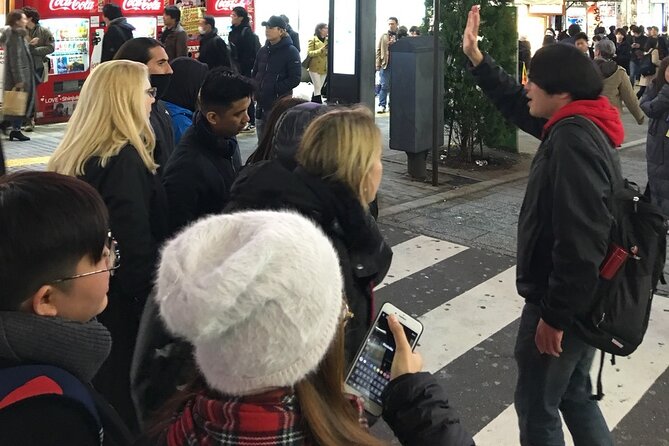
Another practical benefit: small groups mean you can actually hear the guide. You’re in a crowded area, and sounds bounce around. When you’re close to your guide, you catch more than you miss.
Practical Tips So Your Night Stays Fun (Not Just Confusing)
Shinjuku after dark can be a lot. Here’s how to make it smooth:
Wear shoes you can walk in for 2 hours. The route is on foot through multiple micro-neighborhoods, including narrow lanes.
Bring a bit of cash for small purchases. Food and drinks cost extra, and even if you skip most stops, it’s helpful to have options.
Plan for the route to end near Shinjuku 3 Chome. If you’re using public transit later, don’t schedule it too tightly from the first meeting point.
If it’s raining, keep a steady pace and watch your guide closely. One group note is that on rainy nights the crowd mix can make it easy to get separated. If your group has a lot of similar umbrellas or coats, you’ll want a quick way to identify the leader.
Arrive early enough to locate the meeting point without panic. Since it starts at a police box near Shinjuku Station East Exit, you’ll save stress by being early and confirming you’re at the right one.
And here’s the big one: don’t treat this as a party crawl. Treat it as a guided orientation. Your night after the tour will go better if you know what’s what when you strike out on your own.
Who This Tour Is Best For
This tour fits best if you:
- are visiting Tokyo for the first time and want nightlife context fast
- feel uneasy wandering adult entertainment areas without a local guide
- want a small-group experience (max 12) with lots of chances to ask questions
- enjoy walking tours and want a route that covers several specific Shinjuku micro-neighborhoods
It’s also ideal as the first night activity of your trip. You’ll get your bearings, and the rest of Shinjuku turns into something you can navigate confidently.
If you hate crowds, loud streets, or anything related to nightlife topics, you might find the content and atmosphere intense. But if you’re curious and open-minded, it’s one of the more useful ways to experience Tokyo after dark.
Should You Book This Dark Side of Tokyo Night Walk?
I’d book it if you want a structured, guided way to see Shinjuku’s darker side without stumbling through it blindly. The biggest reasons are the small group size, the guide’s focus on how the nightlife actually works, and the mix of major landmarks like the Godzilla Head area and a Shinto shrine, plus a meaningful stop in Gay Town.
I wouldn’t book it if you only want a relaxed stroll with zero nightlife context, or if you’re on a tight food budget and don’t want any extra spending. But for most first-time visitors, the $25 price makes sense because it buys you orientation, safety, and clarity in a neighborhood where that is hard to get on your own.
If you’re planning your first evening in Tokyo, this is a strong candidate. Just bring comfortable shoes, arrive on time at the police box, and use the guide as your cheat code for understanding Shinjuku at night.
FAQ
How long is The Dark Side of Tokyo Night Walking Tour Shinjuku Kabukicho?
The tour runs for approximately 2 hours.
What areas will I visit during the tour?
You’ll walk around Shinjuku and Kabukicho, including Omoide Yokocho and the LGBTQI+ district often called Gay Town.
Where do I meet the guide?
The meeting point is Shinjuku Station East Exit Police Box at 3-chōme-38-1 Shinjuku.
Where does the tour end?
The tour finishes around Shinjuku 3 Chome area.
Is dinner included in the price?
No. Food and drinks cost extra, and dinner is not included.
How large is the group?
The tour has a maximum of 12 travelers.
What if weather is poor?
This experience requires good weather. If it’s canceled due to poor weather, you’ll be offered a different date or a full refund.
More Walking Tours in Tokyo

More Tours in Tokyo


More Tour Reviews in Tokyo
Not for you? Here's more nearby things to do in Tokyo we have reviewed



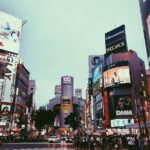

Shinjuku Tours, side by side.
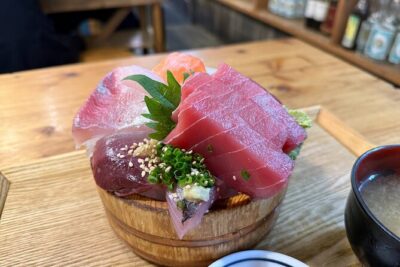
 ★ 5.0Shinjuku Food Tour (13 Dishes at 4 Local Eateries)From $866,603 reviews
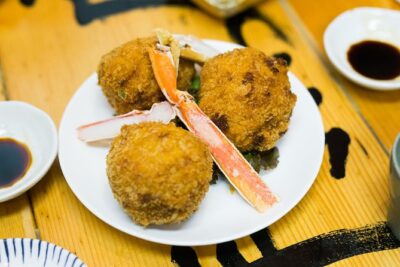
 ★ 5.0Tokyo Bar Hopping Tour in Shinjuku (All-You-Can-Drink + Dinner)From $1063,587 reviews
 ★ 4.9Shinjuku Food Tour (15 Dishes and 4 Eateries)From $852,033 reviews
 ★ 5.0Best of Shinjuku: Izakaya Food Tour (4 Stops, 14+ Tastings)From $921,863 reviews
 ★ 4.9Shinjuku Local Bar and Izakaya Guided Walking TourFrom $341,794 reviews
 ★ 5.0Tokyo Shinjuku Chopsticks Making ClassFrom $201,763 reviews
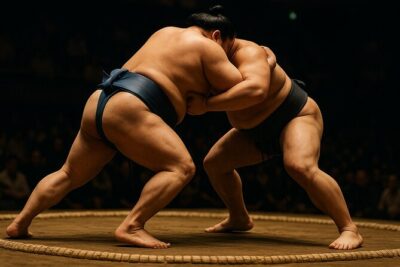 ★ 5.0Tokyo Shinjuku Sumo Show & Experience with PhotoFrom $791,750 reviews
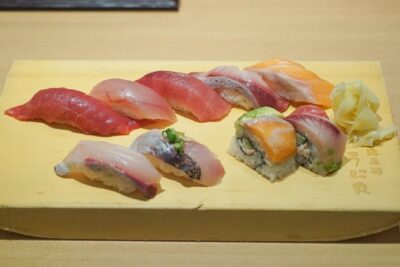 ★ 5.0Tokyo Night Foodie Tour in Shinjuku – Seasonal Sushi, Wagyu BeefFrom $1111,161 reviews
This tour also belongs to