
Review · KAMAKURA DAY TRIPS
Private Tour Kamakura and Enoshima With Guide and photographer
Bronze Buddha, ocean air, one efficient day. This private tour from Tokyo pairs hotel pickup with a custom route, so you can see a lot without fighting trains and crowds. In about 10 hours, you can cover major Kamakura sights and still end with a relaxing Enoshima beach stop.
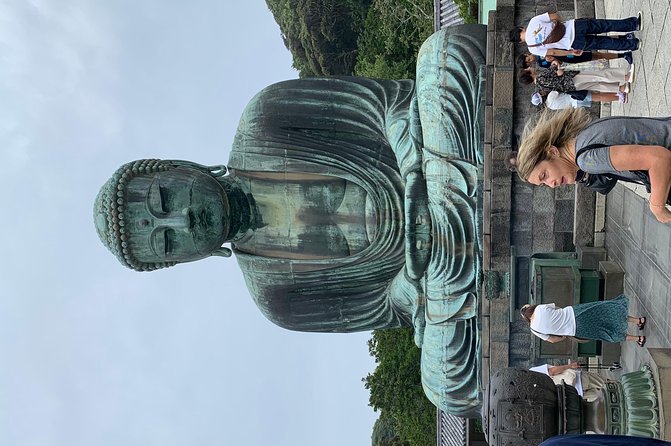
I especially like the way the day is built around two classic photo anchors: the Kōtoku-in Great Buddha and Hasedera’s ocean-facing temple grounds. I also like that you get private transportation, which makes it easier to adjust pacing when you want more time to wander, or less time in line.
One caution: this experience is advertised as a tour with a guide and photographer, but I’d confirm those roles are actually included for your date. Some past bookings ended up with only a driver, which makes the day feel more like a car service than a guided experience.
Key things to know before you go
- Private transportation plus hotel pickup makes a long day feel doable, especially in Tokyo traffic.
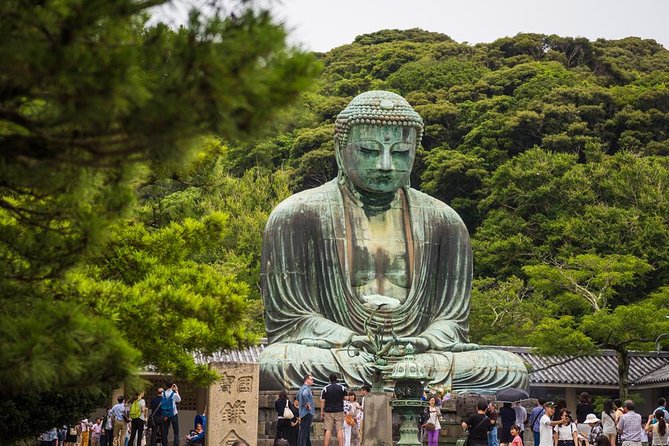
- Kōtoku-in and Great Buddha are the morning’s big visual payoff, and you’ll want your camera ready.
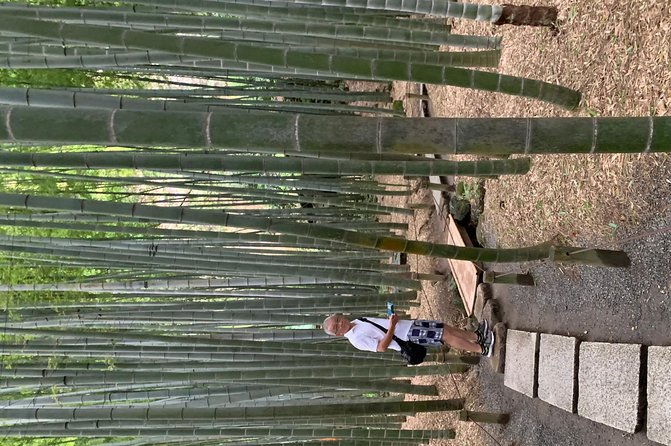
- Hokoku-ji bamboo forest is a different mood from the larger temple crowds nearby.
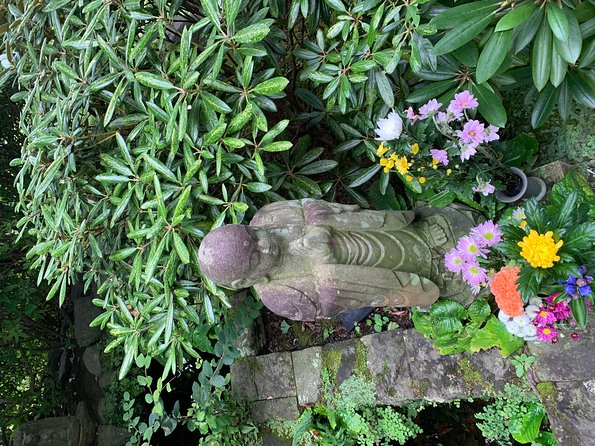
- Hasedera Temple offers variety: garden views, Buddha statues, and a cave shrine setting.
- Enoshima gives you beach time without forcing you to plan a separate half-day trip.
- Confirm guide and photographer so the day matches what you booked.
Why Kamakura and Enoshima is a perfect private day trip
Kamakura is one of those places where you can easily spend a whole day, and still feel like you missed something. The temples and seaside atmosphere spread out, and hopping between them on your own can turn into a schedule puzzle.
This private format helps because it compresses the trip without squeezing you too hard. You start early (8:30 am) and you’re moving by car between stops. That matters on this route, because it lets you spend time on what you came for, rather than timing buses, trains, and station transfers.
You also get customization. That is not just a buzzword here. With a private setup, you can slow down at the places that grab you, and skip the stuff that feels less important to your group.
You can also read our reviews of more guided tours in Tokyo
Price and group value for a 10-hour Kamakura and Enoshima tour
The price is listed at $503 per group, up to 5 people, for about 10 hours. If you split it, it can land in the range of roughly $100 per person when you use the full group size.
Here is the practical value: you are paying for convenience (pickup and private transport) plus a guided day built around specific sights. If you were doing this independently, you would still pay for transit, entrance fees, and a lot of your time deciding where to go next.
A heads up on costs you should budget for: lunch and entry tickets are not included, and that can add up. Still, Enoshima’s main entry is free, and the structure of the day makes it easier to plan your paid stops in advance.
Meeting at 8:30 am, and how pickup changes the whole day
An 8:30 am start is ideal for temple days. You beat the thickening crowds and you get better lighting for the Great Buddha area.
Because this tour offers pickup, you do not have to “figure out trains first.” In Tokyo, that can save real energy. It also lowers stress for groups that include older travelers or anyone who does not want to spend the first hour of the trip navigating platforms and station exits.
If you want the smoothest day, plan to be ready a few minutes early at the pickup location. Then treat the car ride as part of the experience: you can use that time to think about what you want most, a big temple photo first, or a slower start.
Stop 1: Kōtoku-in Great Buddha, what to expect and how to time it
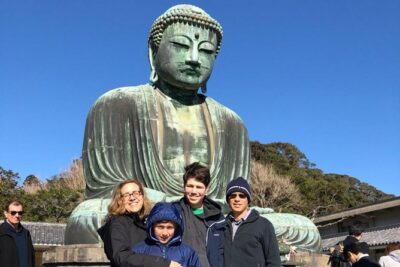
Kōtoku-in is where the day gets its headline attraction: the Great Buddha. You’ll spend about 1 hour here, and entry tickets are not included.
What makes this stop work is that it is iconic but still very “walkable.” It is an outdoor bronze Buddha setting, so even if you are not the type who loves temple rules and timelines, you still get a major visual moment fast.
Practical tip: wear shoes you can stand in comfortably. This is a classic sightseeing area where you’ll likely do a bit of circling for angles. If you care about photos, you’ll want to slow down once you spot the best view, rather than trying to grab everything while walking.
Also note how the rest of the day is arranged. Starting with the Great Buddha sets a baseline for the rest of Kamakura’s temple variety, so later stops feel like different chapters instead of random hopping.
Stop 2: Hokoku-ji Temple bamboo forest, a quieter kind of beauty
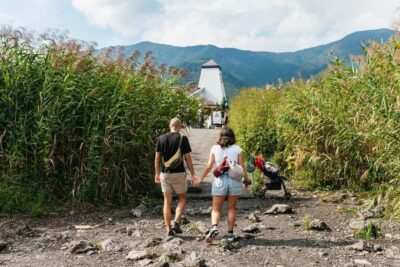
After the Great Buddha, Hokoku-ji brings a totally different feel. This is the bamboo forest temple stop, built in the 14th century, with about 1 hour allocated here.
The key value of Hokoku-ji is the change in atmosphere. Instead of chasing one massive landmark, you step into a more meditative space where the surroundings do most of the work. If your group likes photos that look atmospheric rather than purely iconic, this is often the stop that surprises people.
Practical tip: bamboo forest scenes can look flat if you rush. Give yourself time to pause at the transitions, where the light filters between stalks.
This stop also balances the overall pacing. If you are the type who gets temple-fatigue halfway through a self-guided day, Hokoku-ji’s quieter vibe can reset your energy.
You can also read our reviews of more private tours in Tokyo
Stop 3: Hasedera Temple, garden views, Buddha statues, and ocean air
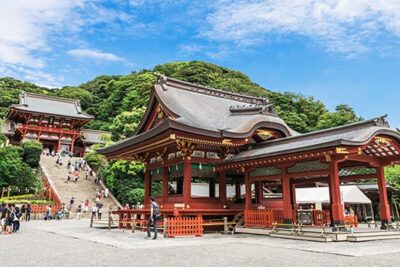
Hasedera is one of the most rewarding stops on the route, and the itinerary gives it a full hour. The temple is noted for an impressive Japanese garden, statues of Buddha, views toward the Pacific Ocean, and a unique cave shrine.
This is also where seasonal timing can matter. In June and July, the hydrangea is highlighted as something you should plan around. Even if you are not traveling in those months, Hasedera’s combination of garden and shrine spaces makes it a strong all-season pick.
What to expect on the ground: you’ll be moving through areas with different focal points. Some parts will feel scenic and open, while others are more shrine-like and cave-adjacent. That mix is why Hasedera often lands as a favorite.
Practical photo advice: ocean views can shift quickly with weather and light. If clouds roll in, adjust your focus toward statues and garden details. A good private guide can help you decide where to stand and when, based on what’s visible that day.
Stop 4: Enoshima island and beach time, make the 50 minutes count
Enoshima is the finish-line treat. The schedule gives you about 50 minutes, and the itinerary notes admission is free.
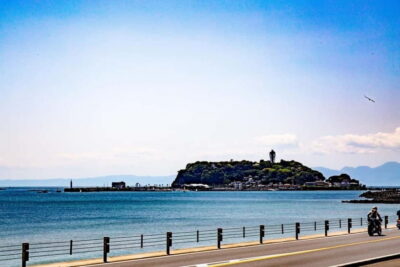
Enoshima itself is an island connected to the mainland by bridge. It has a mix of shrine and attractions, and ending your day here is smart because it breaks the temple pattern. You get sea air and open views without needing another long transport leg.
How to spend your short time: decide early what your group wants.
- If you want photos and viewpoints, prioritize the easiest scenic areas first.
- If your group is tired, aim for the beach edge and a slower stroll.
This is not a slow-living full day on the island. It is more like a closing act. So if Enoshima Beach is the goal, skip the “wander and hope” approach. With only 50 minutes, a plan keeps it fun instead of frantic.
Guide and photographer quality, the one thing I would verify
This tour is clearly meant to be more than a drive. It is advertised as a private tour with a guide and photographer, and the best versions of this day are exactly that: a guided route where someone helps you understand what you are seeing, plus photo help so you do not end up with only selfie-level memories.
When things go right, the tour experience can feel surprisingly smooth. I’ve seen examples of guides who were able to adjust the schedule to your preferences and still keep things on time. One guide named Shoaib was described as knowledgeable and fun, with room to explore on your own terms. Another driver, Seb, was highlighted as friendly and flexible, including adjusting schedule times to match what the group wanted.
When things go wrong, it can change the whole tone of the day. There have been cases where a booking did not include the guide and photographer you expect, leaving only a driver who did not provide sight explanations. If that happens, you lose the value of the guided part and you may feel rushed or unprepared at the temples.
So here’s my practical advice: before travel day, confirm in writing what you will receive, guide included, photographer included, and who the contact person is. If the confirmation is vague, ask for clarity. It’s the simplest way to protect your money.
What the itinerary does well, and where you should manage expectations
The schedule is built to hit several high-impact stops without pretending the day is endless. You get:
- Kōtoku-in (Great Buddha) about 1 hour
- Hokoku-ji about 1 hour
- Hasedera about 1 hour
- Enoshima about 50 minutes
That structure is good because it prevents decision overload. If you’ve ever tried to “choose between temples,” you know how quickly the day can get messy.
The main expectation to manage is time at each stop. For example, Hasedera’s variety means you will likely want to pick your priorities inside the grounds. Enoshima is free entry but only gets a short window, so focus on the part that matters most to your group.
Also, lunch is not included. For a 10-hour day, I recommend having a plan. Either pack a simple option or decide where you’ll eat so the schedule does not get swallowed by hunger.
Weather and timing: why this day trip needs a little flexibility
The experience notes that good weather is important. That is easy to understand: temples and viewpoints rely on visibility, and beach time is obviously weather-dependent.
If the day is rain-heavy, you may find outdoor segments less enjoyable. The tour may be offered on another date or refunded if canceled due to poor weather, so it helps to travel with some flexibility in your Kamakura/Enoshima planning.
Tokyo traffic can also affect timing. The good news is that this tour is designed as a single managed day, and you should expect someone to keep the logistics moving so you get back to your hotel area as planned.
Who should book this private Kamakura and Enoshima tour
This tour is a strong fit if you want:
- A private day that does not require transit research
- A route that mixes big landmarks with more atmospheric temple stops
- Photo-friendly help, especially if you care about group shots
It’s also a good choice for families or mixed-age groups, since private transport is simply easier when mobility varies. If your group includes people who do not love reading guidebooks or navigating on their own, the guided format can make the day feel lighter and more meaningful.
On the other hand, if you’re the type who enjoys planning every stop and timing trains yourself, you might find this less necessary. But even then, the custom private pace and pickup can still be worth it.
Should you book this private Kamakura and Enoshima tour?
I’d book it if you want a smooth, guided highlights day and you confirm the guide and photographer are actually included for your date. When that part is right, the payoff is a well-timed route through the Great Buddha, bamboo at Hokoku-ji, Hasedera’s garden and cave shrine setting, and an Enoshima finish.
I would not book it blindly if you hate uncertainty about service roles. The itinerary is clear on stops, but the most important quality variable is who is standing in the group and helping you interpret and photograph what you see.
If you do decide to go, do three things:
- Confirm guide and photographer details before payment.
- Budget for lunch and temple entry tickets.
- Pick what you want most at Hasedera and Enoshima, then let the private pacing do the rest.
FAQ
How long is the Kamakura and Enoshima private tour?
The tour runs about 10 hours.
What is the group size limit for this tour?
It’s priced per group for up to 5 people.
Is hotel pickup included?
Yes, hotel pickup is offered.
Do I need to pay for temple or attraction entry tickets?
Entry tickets are not included. The itinerary notes Enoshima admission is free.
Is lunch included?
No, lunch is not included.
Is the tour customizable?
Yes, the tour is described as fully customizable.
More Guided Tours in Tokyo
More Tours in Tokyo




More Tour Reviews in Tokyo


Not for you? Here's more nearby things to do in Tokyo we have reviewed












Kamakura Day Trips, side by side.
 ★ 4.5Kamakura & Enoshima Day Trip including Temple TicketsFrom $581,375 reviews
 ★ 4.5Mt. Fuji, Kamakura, Big Buddha, & Lake Ashi Day TripFrom $49867 reviews
 ★ 4.5From Tokyo: Kamakura & Enoshima 1-Day Bus TourFrom $66189 reviews
 ★ 5.0Kamakura Historical Walking Tour with the Great BuddhaFrom $98129 reviews
 ★ 5.0Kamakura Private Tour: Temples, Nature, and the Great BuddhaFrom $98121 reviews
 ★ 5.0Kamakura Walking Tour – The City of ShogunFrom $35100 reviews
 ★ 5.0Kamakura 8 hr Private Walking Tour with Licensed Guide from TokyoFrom $20180 reviews
 ★ 4.1Kamakura & Enoshima Day Tour with Pickup & Train RideFrom $1361 reviews
This tour also belongs to