

Review · IMPERIAL PALACE TOURS
Imperial Palace Tour: Discover Samurai History with a Guide
Samurai history feels close up on this walk. I especially liked the small-group Q&A style and the chance to see Edo Castle remnants in the Tokyo Imperial Palace East Gardens area. One thing to plan for: it is still a walking tour, so if you have low fitness (or are pregnant), this may not be the best fit.
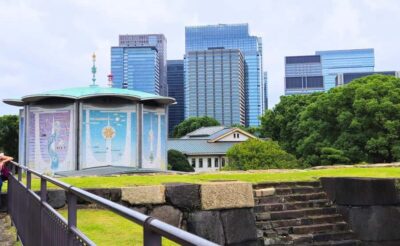
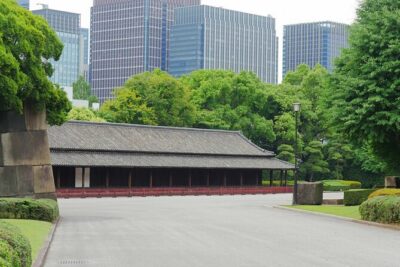
You start in a practical spot and end back where you began, with clear interpretation of how samurai power and imperial politics shaped Tokyo. Along the way, you pass stone traces, gates, and standout pieces like the Tatsumi Yagura Watchtower, plus the Tenshudai base area. Reviews often spotlight guides who answer questions well, and I can see why, given how much story fits into a short 90 minutes.
Key Highlights You’ll Actually Notice
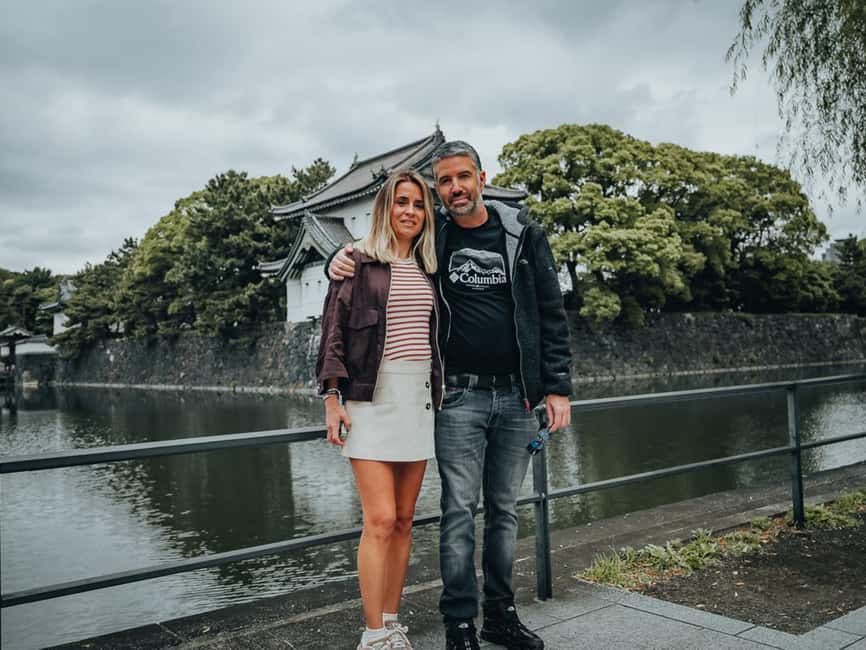
- Edo Castle ruins inside the Imperial Palace grounds, including Tatsumi Yagura and the Tenshudai base area
- A tight 90-minute format that stays focused, not padded
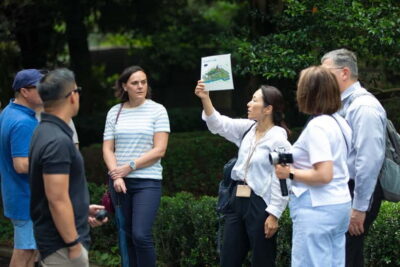
- Small-group size (up to 8 people), so you can ask questions without shouting
- Expert-led interpretation in English, Spanish, and French, based on what your guide emphasizes
- Meeting at Starbucks with an easy, visible reference (YURAGI signboard)
Finding the Meeting Point at Starbucks (Without Stress)
Meet your guide at スターバックス コーヒー 皇居外苑 和田倉噴水公園店. The guide will be standing in front of Starbucks, holding a signboard for the inbound service YURAGI. If your travel brain is on “late train” mode, this kind of landmark meeting point is a real help.
Here’s the practical trick I recommend: arrive 10 to 15 minutes early, stand where you can see the entrance area, then look for the YURAGI signboard. If you still can’t spot them, you can contact the guide directly by WhatsApp or phone.
This matters more than you might think, because the tour is short. When a tour is 90 minutes, you do not want to lose even 10 minutes hunting for the right person. Once everyone is together, the pace makes sense and the historical walkthrough hits on schedule.
Also note the languages: your guide can work in English, Spanish, and French, so you can pick the day that matches your comfort level.
You can also read our reviews of more guided tours in Tokyo



Entering Imperial Palace Territory Through Edo Castle Clues
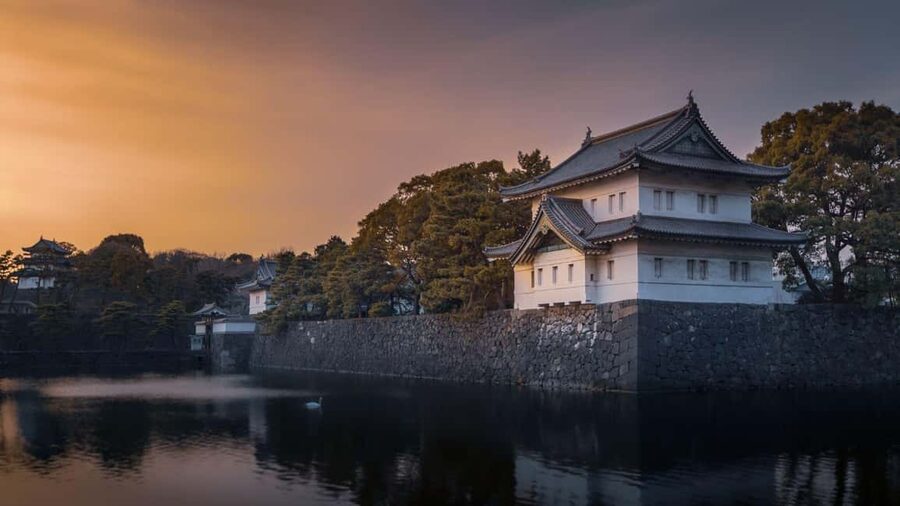
Your route starts with a stop at the Tokyo Imperial Palace area for about 30 minutes, then shifts to the Imperial Palace East Gardens for around 70 minutes. That split is useful, because you get orientation before you walk deeper into the grounds.
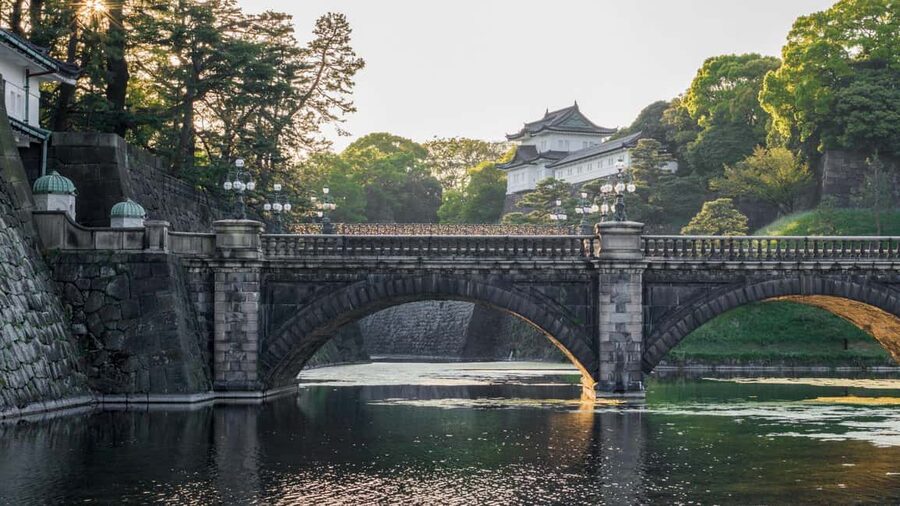
What I like about this structure is that it helps you connect “place” to “period.” The Imperial Palace complex is tied to the modern imperial seat, but the ground you walk includes major layers from the time when the Tokugawa shogunate held power from Edo Castle. Your guide connects those dots for you as you move.
You’ll look at stone traces and older structures that function like visual bookmarks. Even if you have zero background in Japanese history, your guide explains why each spot matters. And if you do have background, you get an easy way to test your assumptions, because you can match the story to what’s physically in front of you.
This is where samurai history becomes more than a word. Instead of treating samurai as a costume theme, you learn how political control worked, and how warriors fit into that system. The guide’s tone can be very conversational, and in past groups, guides like Hina, Naoki Sugar, Delfo, Hiroshi, and Taku were praised for being friendly and answering questions.
Tokyo Imperial Palace East Gardens: The Walk That Makes History Legible
The main course is the Tokyo Imperial Palace East Gardens section, guided for about 70 minutes. Expect maintained paths, a calmer pace than the city streets outside, and frequent moments where the guide stops you to point out what you’re looking at.
As you walk, you’ll see the kind of details that most people miss on a self-guided stroll: stone ruins, ancient gates, and other remnants that point back to Edo Castle’s layout. Your guide interprets them in a way that’s meant for real humans with real legs, not for history textbooks.
Two landmark moments to look out for:
1) Tatsumi Yagura Watchtower
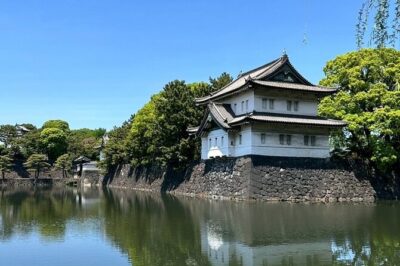
This is the kind of site name you remember. It connects your walk to castle architecture and to how the shogunate managed security and power. Even if you don’t know the first thing about watchtowers, your guide explains the role these structures played.
2) Tenshudai base area
This is one of those features that sounds technical, but the explanation makes it meaningful. It helps you understand the castle’s internal structure, and why certain positions mattered.
What I like most is how your guide uses these spots to talk about the shift between samurai-led governance and the imperial story that visitors associate with the palace today. You’re not just taking pictures. You’re building a timeline in your head as you walk.
Edo Castle Ruins: Why These Specific Spots Matter
People sometimes think the Imperial Palace grounds are just pretty landscaping. The better way to look at them is like a museum you move through on foot, except the exhibits are made of stone, gates, and spatial design.
This tour leans heavily into the Edo Castle layer, so you spend time connecting castle elements to power. That’s valuable because it gives you context for modern Tokyo. The city’s political and social roots are older than most casual guidebooks emphasize.
When your guide points out the ruins and specific architecture like Tatsumi Yagura, you also get a practical mental model:
- Castle structures were not random. They supported command, surveillance, and control.
- Samurai were part of that system. Their role wasn’t just battlefield drama, it was governance and protection within the shogunate’s structure.
- The imperial seat later becomes the headline, but the ground retains visible traces of what came before.
That interpretation is what you’re paying for. You could walk the same area on your own, take photos, and still miss the “why.” Here, the why is the point.
Small-Group Touring: Better Questions, Less Waiting
This is a small-group tour limited to 8 participants. In practice, that changes the whole vibe. You’re less likely to get stuck in the back while the guide speaks to a wall of people. You can ask a question and get an actual answer, not a rushed nod.
I also like that the experience is set up to be interactive. One review mentioned a setup with a guide plus a trainee, and that kind of group structure can mean extra attention without changing the flow of the walk.
If you enjoy guided tours, this size is the sweet spot: big enough to have energy, small enough to keep the explanations readable. If you dislike crowded tours, this is the one I’d lean toward, especially in central Tokyo where space is precious.
You can also read our reviews of more historical tours in Tokyo




Price and Value: Is $24 Worth It?
At $24 per person for about 90 minutes with a professional local guide, this is priced like a smart, focused orientation tour rather than a long day excursion. The value comes from three things:
1) You get a guided route that hits major Imperial Palace East Gardens highlights without wasting time.
2) You get the Edo Castle context, including points like Tenshudai base and Tatsumi Yagura.
3) You’re not just looking at scenery. You’re getting story that helps you remember what you saw.
Could you do some of this on your own? Sure. But the tradeoff is you would be reading plaques or guessing why certain ruins remain. For most visitors, paying to have that meaning translated into plain language is the best deal.
What to Bring (So You Can Enjoy the Grounds)
You’ll move at a walking pace, and the tour is weather-dependent in the way outdoor walking tours are. Bring:
- Comfortable shoes
- Camera
- Water
I’d also add one personal tip: wear a light layer you can adjust. Even when the surroundings feel calm, Tokyo weather changes fast.
Because this tour stays inside a historical area, you’ll want to be ready to pause for photos without blocking others. Good shoes help you stop, stand, and look without turning the day into a foot injury plan.
Timing and Pacing: How 90 Minutes Feels Like a Real Win
The schedule is straightforward. You get:
- roughly 30 minutes around the Tokyo Imperial Palace segment
- roughly 70 minutes in the Imperial Palace East Gardens
At 90 minutes, the pacing works for people who want something meaningful without eating half a day. It also makes it easier to fit into a Tokyo itinerary that already includes neighborhoods with longer travel time.
If you hate long tours, this is a good match. If you love slow, lingering museum time, you might wish it were longer, but the short format keeps the story sharp.
Accessibility and Comfort Notes You Should Know
This tour is wheelchair accessible and stroller accessible, and service animals are allowed. The walking route is on maintained paths, which is helpful.
That said, the activity is not listed as suitable for pregnant women or people with low level of fitness. So even with accessibility features, judge your comfort level honestly. If you can walk steadily and you’re okay with stops and starts, you’ll likely do fine.
If you’re unsure, I suggest planning to go easy on the day before. Keep your legs fresh.
Who This Tour Is Best For
This experience is a strong fit if you:
- want a guided introduction to samurai and Edo-period power through actual landmarks
- like small groups and clear explanations
- enjoy walking tours that feel structured and not chaotic
- want something easy to place in a Tokyo day plan, around 90 minutes
It’s less ideal if you:
- cannot do moderate walking
- are traveling with limits that make it hard to stand for periods
- prefer purely indoor museum-style experiences
A Few Guide Moments That People Seem to Love
While guides can vary day to day, the pattern in feedback is clear: people remember the guide more than the generic “we saw ruins” part.
Names that came up include Hina, Naoki Sugar, Delfo, Hiroshi, and Taku. Common praise includes being pleasant, courteous, and well-prepared, plus answering questions directly instead of brushing them off.
Even one detail you might not expect matters: one group noted a setup with a guide plus a trainee, and they still felt the group got plenty of attention. That supports the idea that small-group tours can feel personal, not like a guided lecture.
So, Should You Book It?
If your goal is to understand the samurai and Edo Castle connection to today’s Tokyo Imperial Palace East Gardens, I think this is a smart booking. The focus on specific sites like Tatsumi Yagura Watchtower and the Tenshudai base area gives you anchor points you can remember long after you leave.
Book this tour if you want:
- guided clarity in English, Spanish, or French
- a manageable 90-minute walking experience
- a small-group setting where your questions actually get time
Skip it if you need a low-mobility day, or if you cannot handle walking and standing for the duration. Otherwise, this is the kind of Tokyo experience that turns a famous location into a story you can follow step by step.
More Guided Tours in Tokyo



More Tours in Tokyo






More Tour Reviews in Tokyo


Not for you? Here's more nearby things to do in Tokyo we have reviewed












Imperial Palace Tours, side by side.
 ★ 5.0Imperial Palace and Shogun Historical Walking TourFrom $222,251 reviews
 ★ 4.9Imperial Palace Japanese History Walking TourFrom $32987 reviews
 ★ 4.9Imperial Palace and Shogun Walking TourFrom $16935 reviews
 ★ 5.0Imperial Palace East Garden and Edo Castle Walking Tour in TokyoFrom $25510 reviews
 ★ 4.8Imperial Palace East Gardens Walking TourFrom $19353 reviews
 ★ 4.5Imperial Palace, Sensō-ji Temple, & Tokyo Tower TourFrom $40339 reviews
 ★ 5.0Tokyo Castle, Imperial Palace, Shogun & Garden Walking TourFrom $31211 reviews
 ★ 4.7Edo Castle & East Garden of the Imperial Palace TourFrom $42112 reviews
This tour also belongs to