
Review · KAMAKURA DAY TRIPS
Private Full-Day Kamakura-Enoshima Tour with Bilingual Driver
Kamakura gets easier with a car and a plan. You start with door-to-door pickup and a bilingual driver, then spend 10 hours hitting Kamakura and Enoshima highlights without juggling train changes, ticket lines, and timing math. I also like the way the schedule leaves room to pause and look closely, especially around the big outdoor sights.
The main consideration is cost and conditions. The Great Buddha admission is not included (¥300 per person), and this tour needs good weather, since Enoshima plans are more fun when skies cooperate.
Key highlights I’d zero in on
- Private transport from your Tokyo address, so you skip the public transit squeeze
- Bilingual driver, which makes temple stops and directions much less stressful
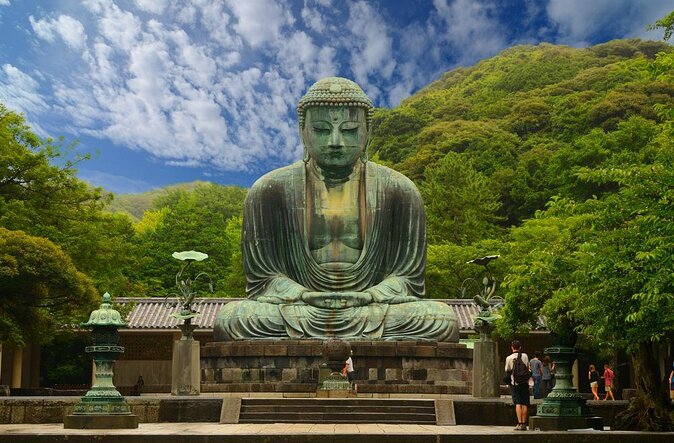
- Kotoku-in Great Buddha plus Kamakura’s classic shrine circuit in one day
- Hasedera Temple with the well-known Kannon connection and sculpted statues
- Enoshima Benten Bridge to beach time, with easy walking and sea views
- Flexibility at stops, so you can linger where you care most
Private full-day Kamakura and Enoshima, without Tokyo transit math
This is the kind of day trip that feels simple in the best way. Instead of mapping routes, buying multiple tickets, and timing local trains, you get picked up from your address and driven to the highlights in one continuous loop. That matters on a full-day plan, because Kamakura and Enoshima sit outside central Tokyo. The transfers are where a normal DIY day often turns into “rush, transfer, rush again.”
A big practical win is that you’re not stuck waiting for the group to arrive at a station or sort out confusion in a crowd. With a private car, your day is controlled. You also get bottled water, which sounds small until you realize how quickly the hours add up.
You can also read our reviews of more private tours in Tokyo
The 10-hour reality check: how to pace a temple and beach day
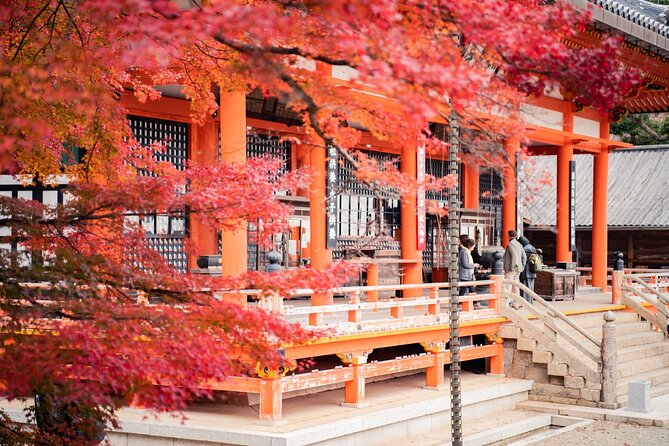
On paper, 10 hours sounds generous. In practice, it’s a solid amount of time for a lot of stops, but you should plan your energy. The itinerary includes outdoor time, temple stairways, and walking through busy areas.
The stop order is smart. You start with the Great Buddha at Kotoku-in early in the day while the light is often nicer for photos and the crowds are usually manageable. Then you move into the shrine and temple cluster, where you’re walking and lingering. After that, the day shifts into shopping street time and finally Enoshima, where you can slow down and enjoy the sea air.
You’ll also feel that the tour mixes “big icons” with “slow stops.” That balance is key. If you only chase landmarks, you burn out. If you only wander, you miss the major sights. This plan tries to do both.
Kotoku-in’s Great Buddha: what to expect and the ¥300 admission
Kotoku-in is famous for its massive bronze Great Buddha of Kamakura, an outdoor statue associated with Amitābha. It’s not a quick glance-and-go kind of stop. The statue is a National Treasure, and being outdoors makes it feel monumental even if you’ve seen pictures before.
You’re scheduled for about one hour. That’s enough time to circle for different angles, read a bit if you want, and take in the full presence of the statue without feeling rushed. The scenery around the temple grounds also helps, because it gives context to the scale.
One important detail: Great Buddha admission is not included. The extra fee listed is ¥300 per person. If you budget for that ahead of time, you’ll feel smooth walking in. If you forget, it can cause that annoying last-minute scramble.
Tsurugaoka Hachimangū: the shrine that anchors Kamakura
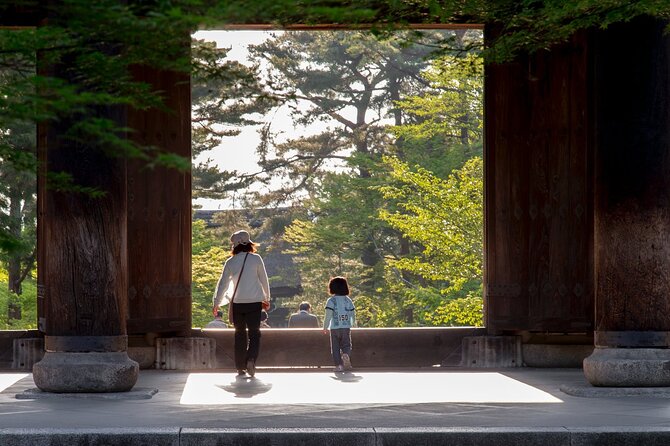
After the Great Buddha, the tour shifts to Tsurugaoka Hachimangū, Kamakura’s central Shinto shrine. You’re given about two hours here, and that’s a good length. Shrines like this reward slow attention, not just checking off a spot.
The key idea with this stop is the approach and setting. The shrine sits at the geographical and cultural center of Kamakura, so it often acts like a hub for the rest of the day. Even if you don’t read every detail, you can still feel how the place organizes the city’s rhythm.
A two-hour window also gives you a real chance to step back from the main flow, look at the grounds, and enjoy the quieter moments between busier areas. Just remember, shrine areas can be busy around daytime, so choose your timing and keep moving at a comfortable pace.
Hasedera’s Kannon statues: why the gardens and stairs matter
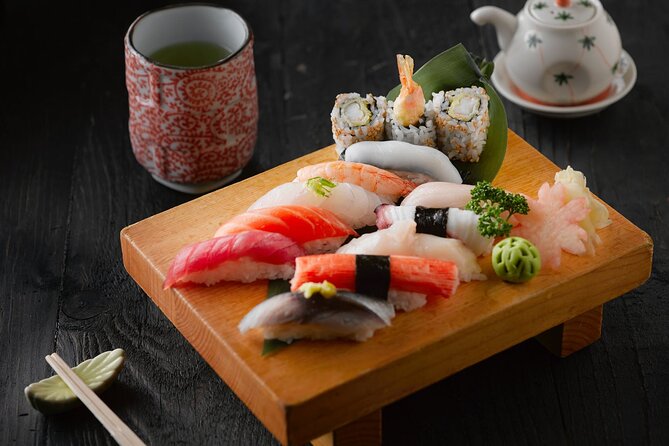
Hasedera Temple is one of those stops where the story pulls you in fast. Long ago, sculptors carved Kannon statues out of a sacred tree, and one of the statues was enshrined here. It’s commonly associated with the “Eleven-headed Kannon” name, which is worth keeping in mind as you explore.
You have about one hour. That’s enough time to take in the main sights and to enjoy the temple atmosphere without turning it into a marathon. Hasedera also tends to be the kind of place where gardens and pathways change your viewpoint constantly, so you’ll likely find yourself stopping more than once just to look around.
In one of the experiences I read about, people highlighted the gardens and the way the temple spaces kept them pleasantly occupied. This is one of the stops where a calm pace helps. If you rush, you miss what makes it memorable.
More Tokyo tours and experiences for the shortlist
Komachi-dori and Goro-gomi shopping breaks: when crowds come with good energy
Next is Komachi-dori (Komachi Street), scheduled for around 45 minutes. This is the classic “Kamakura vibe” stretch, known for snacks, casual shopping, and the kind of street-level energy that can feel instantly fun, even if you’re not buying much.
There’s a real practical side here. Komachi-dori can be crowded, and that can slow your walking. For this reason, the 45-minute stop is about right. It gives you time to browse and grab something if you want, without forcing the whole day to run late.
Also, this is a place where you might spot small souvenirs, local food, and seasonal items. Even if your plan is just photos and a quick snack, you’ll likely enjoy the day-to-day pace of the street.
If you’re trying to avoid crowd crush, keep your expectations realistic. You’re in a famous area. Plan to move with the flow, and then step aside whenever you want a clearer view.
Enoshima Benten Bridge: the one-way connection and the payoff
Then comes one of the easiest “wow” transitions in the whole plan. The tour crosses Enoshima Benten Bridge, which connects Enoshima Island to Katase Town. Since it’s the only way to reach the island, it’s basically the front door to the whole Enoshima experience.
You’re scheduled for about 30 minutes at the bridge. That’s not about standing still for long. It’s about getting the crossing done, grabbing views, and setting you up for the island walking that follows.
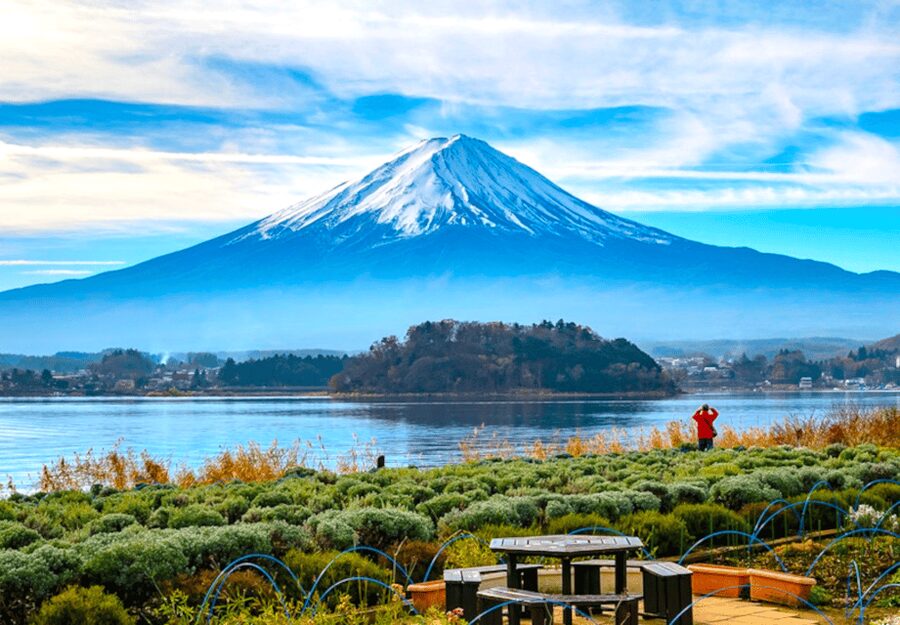
If the weather is clear, Enoshima is also where you might get satisfying distant views. In an example shared with me, people mentioned an unexpected view of Mount Fuji from the island area when conditions were right. You can’t count on that every day, but it’s a nice possibility when skies cooperate.
Enoshima beach time: sea air, easy walking, and real downtime
After the bridge, you get about one hour at Enoshima Beach. This is where the day relaxes. Instead of shrine steps and street browsing, you get a coastal change of pace.
Enoshima itself is about 4 km around, so it’s not a huge island, but it still feels like a real escape from Tokyo. Being at the mouth of the Katase River into Sagami Bay helps explain the sea focus. You’re essentially shifting from temples to outdoors.
The beach stop also gives you a natural reset for tired feet. If you’ve been walking since the Buddha and shrine stops, this is your chance to slow down, take a breather, and just enjoy the atmosphere.
As always with beach time, go prepared for real weather. If it’s windy, cooler, or overcast, you may prefer shorter walks near calmer areas. Good weather matters here, and the tour’s own policy reflects that.
Yokohama included: how the day links two worlds
The tour description includes Yokohama as part of your day. Even though the posted stops focus on Kamakura and Enoshima, you still get that Yokohama time built into the overall route. Practically, what you get is a smooth connection without you having to figure out how to squeeze Yokohama into a Kamakura day by yourself.
This is the biggest value in a private day: the logistics are handled. You can spend your mental energy on the sights instead of the transit puzzle. For many people, that’s what turns a potentially messy day into a comfortable one.
Who the bilingual driver makes the biggest difference for
The standout theme here is the guide-driver factor. The tour is described as having a bilingual driver, and that’s more than a nice-to-have. It helps you understand what you’re seeing and it reduces the “where do we go now” stress between stops.
In one example, the driver named Mukarram was described as obliging and letting people take their own time at the places they cared about. Another driver, Abdul, was praised for friendliness and for connecting the day with context across the Buddha, temples, and Enoshima.
Even if your driver is different, the practical takeaway is the same: a good bilingual driver helps you control the pace. You spend less effort on interpretation and more on actually enjoying what’s in front of you.
Price and value for $448.10 per group up to 6
Let’s talk money the way you should, as value per person and per hour. The price is $448.10 per group for up to six people. That means the cost per person drops fast if you fill the group, and it stays reasonable compared with booking multiple private taxis or piecing together rides plus paid guide time.
What you’re paying for is not just a car. You’re also paying for:
- Private full-day transport with an air-conditioned vehicle
- Round-trip transfers from your Tokyo address
- Bottled water
- A bilingual driver to reduce friction
Then there’s one additional cost you should budget for, the Great Buddha admission fee of ¥300 per person. That’s it based on what’s listed as not included.
If you’re traveling as a duo or solo, it might feel pricey on paper. But if you compare the cost to the time you save and the frustration you avoid on a day like this, the math can still make sense. For groups of three to six, this kind of private plan often feels like a bargain because the “per person” cost becomes hard to beat.
What to pack and how to plan your comfort
This is a day of walking, including stairs at temple stops and moving through crowded areas. The biggest prep is the boring stuff that keeps your day pleasant.
Bring comfortable shoes. Wear sun or rain protection depending on season. If you’re sensitive to heat, plan to use shaded moments at temples and give yourself a slower pace during street time.
Also, plan your budget for that Great Buddha fee. If you’re traveling with friends, it’s worth agreeing who pays what in advance so you do not waste time at the entrance.
Finally, keep an eye on the weather. The tour requires good weather, and if it’s canceled due to poor weather, you’ll either get a different date or a full refund.
Should you book this Kamakura and Enoshima private tour?
Book it if you want a smooth, guided-feeling day without the mental load of transit. This is ideal for:
- Families or friend groups up to six who want shared comfort
- First-timers who want the key Kamakura and Enoshima icons in one shot
- Travelers who hate train transfers and would rather relax in a car
Skip it if you prefer total DIY control and you’re already comfortable with local transit times. Also consider the extra admission fee and the weather dependency.
If you want a day that balances major sights, a classic street break, and actual coastal downtime, this private plan is a strong choice.
FAQ
How long is the Kamakura and Enoshima private tour?
The tour runs about 10 hours.
How many people can be in one group?
The price is for a group of up to 6 people.
Does the tour include pickup from my address in Tokyo?
Yes. Round-trip transfers from your address in Tokyo are included, and pickup is offered.
What is included in the tour price?
Included items are an air-conditioned vehicle, private transportation, bottled water, and a mobile ticket.
Is the Great Buddha admission included?
No. The Great Buddha admission fee is listed as ¥300 per person, and it is not included.
Is this tour private?
Yes. It is private, and only your group participates.
What is the cancellation policy?
You can cancel for a full refund up to 24 hours before the experience starts. The tour also requires good weather, and if it is canceled due to poor weather, you’ll be offered a different date or a full refund.
If you want, tell me your hotel area in Tokyo and your travel month, and I’ll help you think through the best timing for this kind of day (light, crowds, and weather risk).
More Private Tours in Tokyo
More Tours in Tokyo





More Tour Reviews in Tokyo


Not for you? Here's more nearby things to do in Tokyo we have reviewed












Kamakura Day Trips, side by side.
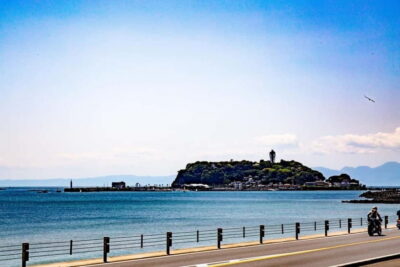 ★ 4.5Kamakura & Enoshima Day Trip including Temple TicketsFrom $581,375 reviews
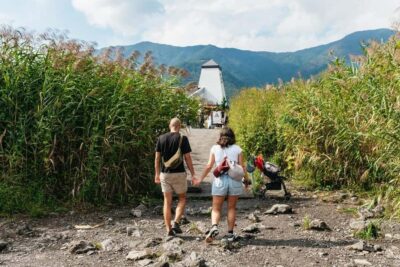 ★ 4.5Mt. Fuji, Kamakura, Big Buddha, & Lake Ashi Day TripFrom $49867 reviews
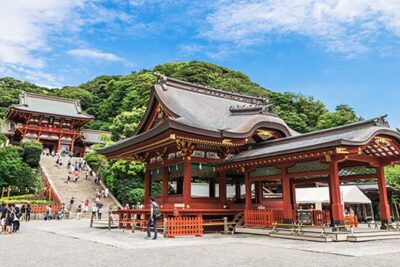 ★ 4.5From Tokyo: Kamakura & Enoshima 1-Day Bus TourFrom $66189 reviews
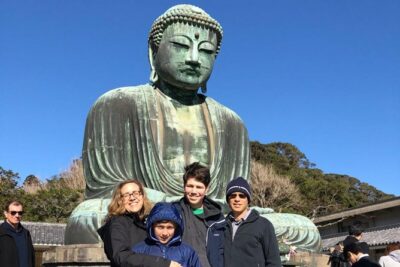 ★ 5.0Kamakura Historical Walking Tour with the Great BuddhaFrom $98129 reviews
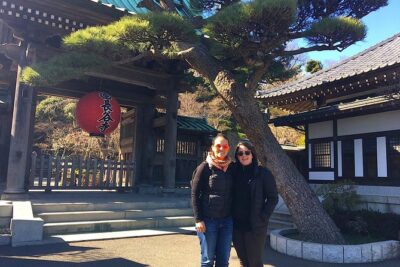 ★ 5.0Kamakura Private Tour: Temples, Nature, and the Great BuddhaFrom $98121 reviews
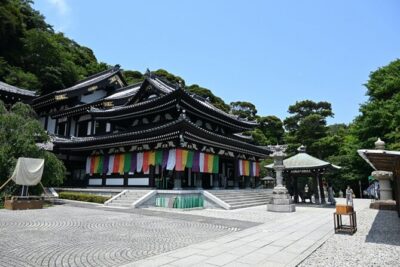 ★ 5.0Kamakura Walking Tour – The City of ShogunFrom $35100 reviews
 ★ 5.0Kamakura 8 hr Private Walking Tour with Licensed Guide from TokyoFrom $20180 reviews
 ★ 4.1Kamakura & Enoshima Day Tour with Pickup & Train RideFrom $1361 reviews
This tour also belongs to