

Review · TOKYO CITY TOURS
Tokyo 2-Day Private Walking Tour with Licensed Guide
Some places in Tokyo need a plan. This 2-day private walking tour turns the city’s sprawl into something you can actually enjoy. What I like is that you get a licensed English-speaking guide for both days, and you can shape each day by picking the 3 to 4 stops that matter most to you. One thing to consider: admission fees and most meals are not included, and not everything you may picture, like going inside the Imperial Palace, is part of the experience.
Tokyo gets big fast, so the real value is time and direction. You’ll see classic highlights like Senso-ji and Shibuya Crossing, plus quieter mood swings like Hama Rikyu and Koishikawa Korakuen. If you hate walking, this may be too much, since the whole idea is getting around on foot with your guide.
Key highlights at a glance
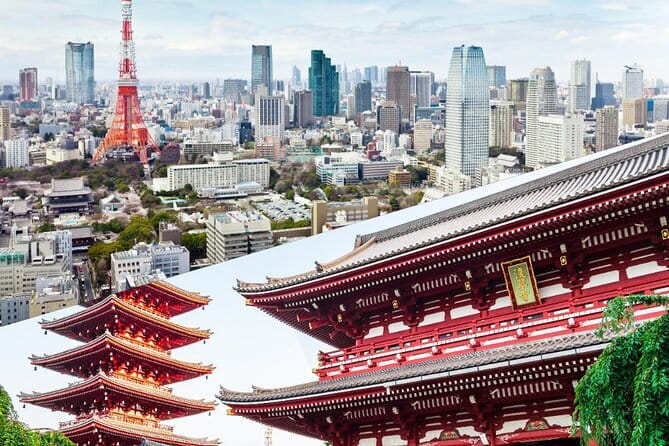
- Licensed English guides on both days so you do not have to restart your story or repeat your preferences
- Customizable 3 to 4 stops per day lets you balance temples, gardens, shopping, and neighborhoods
- East-to-west routing that helps you avoid a day where you zigzag across Tokyo for one photo
- Great mix of sights that are usually free, including major temples, markets, and public parks
- Guide flexibility shown in real requests, including a guide who researched a specific store and went out of the way to help
A Private Tokyo Plan That Fits 2 Full Days
Tokyo is not one city, it is multiple cities stitched together. This tour works because it gives you two consecutive days at roughly 6 hours each, with the same guide. That matters more than you might think. When one person knows your pace, your interests, and how you like to move through crowds, your time stops feeling wasted.
What also helps is that you are not locked into a rigid “see everything” checklist. You pick 3 to 4 must-see spots from the options on each day, and you can mix and match across the two days. For first-time visitors, this is the sweet spot. You get depth on what you care about, instead of speed-running Tokyo.
Pickup is offered, and you’ll use a mobile ticket. On many days, you’ll meet your guide on foot within a designated area, which is a good sign for a walking-focused experience. You also get group discounts, but the experience is private, meaning it is just your group.
One small but important note: a private vehicle is not included, so if you are thinking taxis for every hop, plan on walking and public transport being part of the rhythm.
You can also read our reviews of more walking tours in Tokyo

How the Two Walking Days Work in Real Life
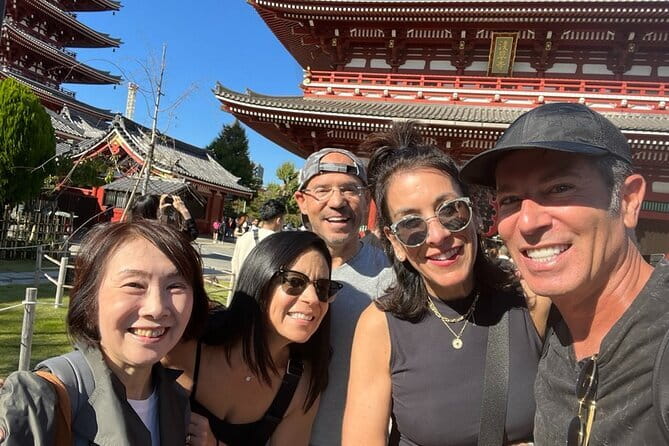
The tour is built around efficient walking plus smart timing between areas that are far apart. In Tokyo, “efficient” is not just about distance. It is about not arriving at crowded places when you are already tired.
The pace is designed to cover a lot of ground in a controlled way. In one reported tour, the guide dealt with severe heat, high humidity, and strong sunshine while keeping the day moving. That is a hint to prepare like you mean it: bring water, a hat, and something light for sun protection. If your itinerary includes outdoor gardens and temple approaches, you will feel the weather sooner than you expect.
Also, do not underestimate transitions. Going from a shrine area to a shopping street, then to a garden or market, changes the energy level of the day. A good guide helps you switch gears without you losing time to confusion.
Finally, since guide entry fees are only covered for stops on the covered list, treat “not included” admissions as part of your planning. If you have a budget, decide ahead of time which paid sites you want, then choose the rest from the many free options.
Day One East Tokyo: Asakusa, Temples, Markets, and Old Neighborhood Charm
Day one has a classic Tokyo arc: you start in the old-downtown energy of Asakusa, then move toward museum culture, a legendary fish market area, and back toward neighborhoods that feel like Tokyo before the high-rises took over.
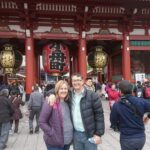
Asakusa and Senso-ji Temple: start with Tokyo at full character
Asakusa is one of the most satisfying places to begin because it is immediately legible: lantern-lit streets, temple atmosphere, and people who look like they are there for a story, not just a checklist.
Senso-ji is the anchor. It is one of Tokyo’s best-known Buddhist temples, and the experience is colorful in a way that still feels local. Admission is free, which means you can spend as long as you want watching foot traffic, snapping photos, and letting the area set your tone for the day.
Imperial Palace grounds: iconic, but plan for outside-only
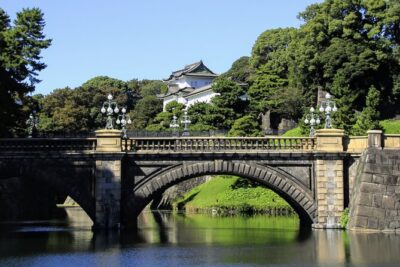
The Imperial Palace stop is about the grand setting, not an interior visit. Your tour does not include access to the inside of the Imperial Palace. Still, you will see the surrounding park-like atmosphere, with moats and stone walls that give you the “power and permanence” feeling Tokyo does so well.
If you are hoping for inside access, adjust your expectations now. Pairing this stop with nearby temple or museum moments is a smart way to keep your day feeling varied.
You can also read our reviews of more guided tours in Tokyo
Tokyo National Museum: when you want a culture reset
Tokyo National Museum is a major cultural stop. It is the oldest and largest of Japan’s top-level national museums. Admission is not included, so this is the kind of site you should only choose if you genuinely want museum time.
If you do pick it, treat it like a reset. Museums break up the walking grind and help you process what you have been seeing. If you prefer street-level Tokyo over indoor exhibits, swap it for one of the free neighborhoods later in the day.
Tsukiji area and the old market feel
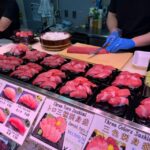
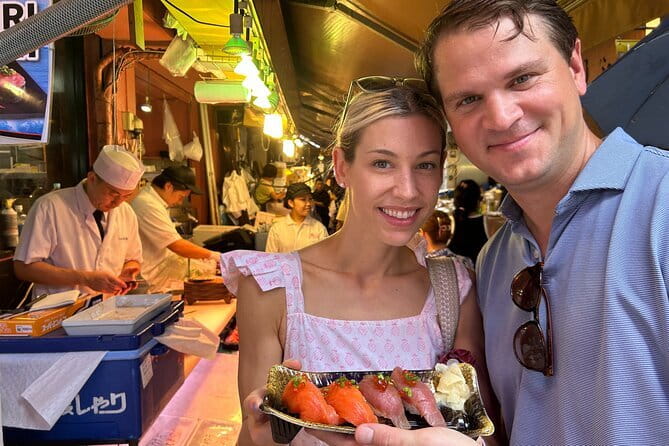
Tsukiji Fish Market is a short stop, but it is memorable because the food energy is real. You get a look at the old market vibe, and admission here is free. Even if you do not buy anything, it helps you understand why Tokyo’s food culture is so influential.
Practical tip: if you plan to eat during the day, keep it simple. Markets and narrow streets can slow you down, and you want your snacks without turning the day into a detour.
Akihabara: electronics and the pop-culture shopping district
Akihabara is where shopping turns into an attraction. It is famous for electronics shops and became a center for pop culture too. Admission is free, and the stop is brief, so it works best if you know what you want to see, like specific stores, arcade culture, or gadget browsing.
One review story highlighted a guide who helped with a specific store request by researching and going out of the way. That is the kind of value you only get with a private guide, especially in areas with too many storefronts to guess which one is right.
Hama Rikyu Gardens: calm after the noise
Hama Rikyu is a landscape garden by Tokyo Bay with seawater ponds that change with the tide, plus a teahouse in the area. This stop is shorter, and admission is not included. That is typical for gardens: you pay for the experience, but it is a break from the city’s sharp edges.
If your group includes garden lovers, picking Hama Rikyu on day one makes sense. You’ll feel the contrast between the market and the water-garden atmosphere.
Shibamata and Nezu: old Tokyo neighborhoods with less pressure
Shibamata retains old-school neighborhood charm, and it is on the eastern edge of Tokyo near the Edogawa River. Nezu is part of shitamachi, Tokyo’s older downtown identity. Both stops are free to access.
These are good picks if you want Tokyo that feels less commercial and more lived-in. You also get a chance to walk through streets where the pace is more human, and your photos will look less like “theme park Tokyo.”
Ueno Park: big park energy and easy breathing room
Ueno Park is a pack-it-all-in kind of place, with multiple museums, a zoo, and shrine space. Admission is not included for some things, but the area itself is a great breather and a shortcut to other options in the neighborhood.
Even if you only spend about five minutes there on a chosen route, the park location helps you transition toward day-one “wrap-up” energy.
Day Two West Tokyo and Bay Views: Gardens, Shrines, Shibuya, and Odaiba
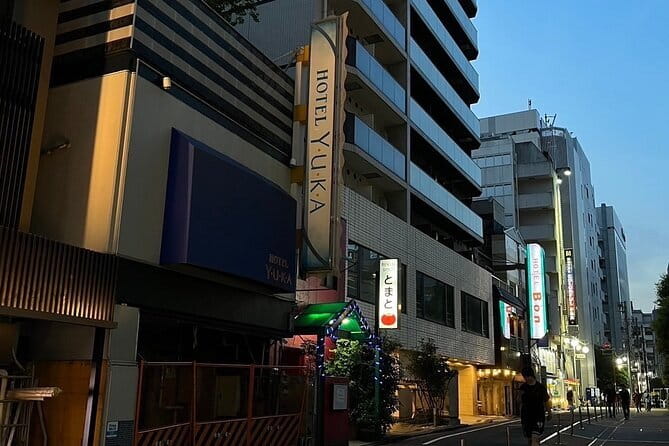
Day two often feels more modern, more fashion-forward, and more “Tokyo at full volume,” while still giving you calm garden breaks so the day does not run you over.
Shinjuku Gyoen National Garden: a big calm reset
Shinjuku Gyoen is one of Tokyo’s largest and most popular parks. It is known for spacious lawns, walking paths, and tranquil scenery. Admission is not included, so treat it as your paid “relaxation investment.”
This is a perfect mid-day anchor if your group likes gardens. It also works as a reset before the more energetic shopping and street-life stops.
Rikugien Garden: a garden that feels like slow time
Rikugien is a Japanese landscape garden, built around 1700 for a Tokugawa shogun’s residence. Admission is not included.
If you want to see Tokyo’s garden design at its most intentional, choose Rikugien on day two. This is the kind of stop where your private guide can point out the layout and why it feels different from a simple park.
Yoyogi Park and Takeshita Street: outdoors to street culture
Yoyogi Park is a large city park with lawns, ponds, and forested areas. Admission is free. It is ideal for a breather, a casual walk, and a little time outside before the visual intensity of Takeshita Street.
Takeshita Street at Harajuku is famous for teenage culture and fashion styles. Admission is free. This is not the place for quiet contemplation, but it is a fun Tokyo snapshot if your group likes people-watching and fashion.
Meiji Jingu Shrine: spiritual calm next to big city noise
Meiji Jingu is dedicated to Emperor Meiji and Empress Shoken. It is conveniently close to the busy Harajuku area, and admission is free.
Even with crowds, it tends to feel like a pause. Pick it if you want a shrine stop that contrasts hard with Harajuku’s shopping energy.
Shibuya Crossing: iconic, but plan your timing
Shibuya Crossing is pure Tokyo modern life. This stop is about seeing it and understanding the flow, and admission is free. A private guide helps you handle where to stand, when to cross, and how to avoid wasting time trying to figure it out on your own.
Koishikawa Korakuen: old garden craft in quieter surroundings
Koishikawa Korakuen is one of Tokyo’s oldest and best Japanese gardens, built in the early Edo period. Admission is not included.
This works well if you did not choose Rikugien or Shinjuku Gyoen, or if your group wants a second garden day. Two gardens on one trip can be surprisingly different when you have time to notice.
Kabukicho and Tokyo Tower: neon atmosphere plus a skyline symbol
Kabukicho is the entertainment area near Shinjuku, with Golden Gai mentioned as a part of the neighborhood’s story. Admission is free, and the stop is about experiencing the vibe.
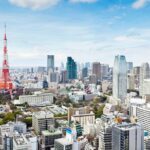
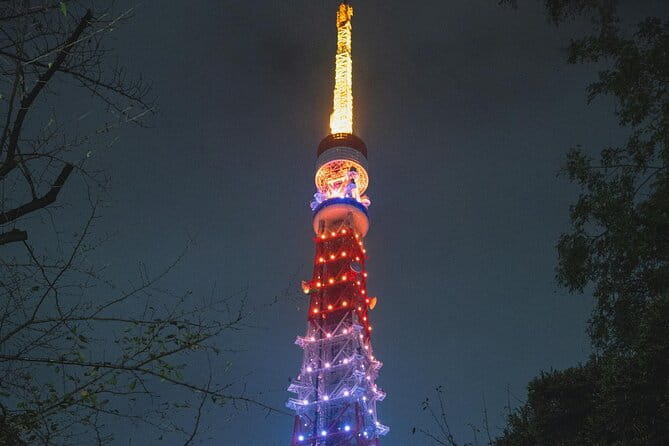
Tokyo Tower is next, with access up to the main deck, while the top deck is not included. Admission is not included. Tokyo Tower is a symbol you’ll recognize instantly if you have seen anime or photos of the skyline.
Odaiba: waterfront modern Tokyo
Odaiba is on a man-made island in Tokyo Bay and is a shopping and entertainment district. Admission is free. It is a great “last day” stop because you get space, water views, and a sense of Tokyo stretching outward.
If your group is tired by the end of day two, Odaiba is a gentler wrap-up compared with street-only intensity.
The Real Value: How Your Guide Helps You Avoid Tokyo Friction
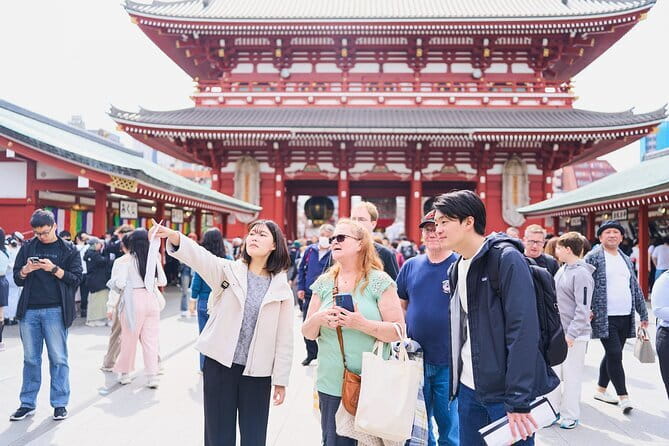
The biggest compliment in the feedback you provided is about guides who manage the details. In one case, Yasuho Suzuki was praised for answering questions and even researching a specific store request he had not heard of. In another, Yoshi was praised for being fun and easygoing, plus for getting a family to requested places efficiently. Kazu was praised for covering a lot of ground over two days and for arranging an exclusive tea ceremony.
Those stories matter because Tokyo friction is not just about getting somewhere. It is about language, choice overload, and the stress of deciding what is worth your time.
With a private guide, you get:
- Faster decisions on where to go next once you know the group’s preferences
- Better explanations for shrines, markets, and neighborhoods, not just directions
- Time-saving routes so you spend less time backtracking or hunting for the right entrance
- Help with special requests when you have something specific in mind
One more point: the tour includes a meet-up approach within a designated area and is walking-based, so the guide is doing the work of connecting the dots. That connection is where most self-guided “2 days in Tokyo” plans quietly fail.
Price and Value for a Licensed Two-Day Guide
At $286.16 per person for about two days, this is not a budget tour. It is a “spend money to buy time and reduce stress” kind of choice.
Here is how I think about value:
- You are paying for a licensed local English-speaking guide for roughly 12 hours total. That is the core expense.
- Most of the major sights in the tour options are free, like Senso-ji, Tsukiji area, major parks, Shibuya Crossing, and neighborhood walks. The paid sites, like major museums or gardens, are then your choices, not surprises.
- Meals and transportation fees are not included, so you still need your own budget for food and transit. Also, a private vehicle is not included.
Another value signal is timing. The experience is booked on average about 50 days in advance, which often means people know it is harder to line up a good private plan during peak seasons.
Bottom line: if you want a guided Tokyo that feels organized instead of chaotic, the price starts to make sense fast. If you are comfortable building your own route and you already know which paid sites you want, you might choose to spend less. But if you are unsure, private guidance is a risk reducer.
Picking Your 3 to 4 Stops Per Day Without Overdoing It
Your customization choices are what make this tour work for you. I’d use this simple method when deciding what to pick.
First, decide your “anchor” type for each day:
- Day one anchors: Asakusa and Senso-ji for tradition, then one museum or market-style stop, and one neighborhood for contrast
- Day two anchors: One big garden, one major shrine, then one iconic modern stop like Shibuya, plus one bay or skyline symbol
Second, balance paid and free. Many of the major free stops give you the most Tokyo for the least money. Paid gardens and museum time are worth it when you genuinely enjoy that slow, crafted pace.
Third, check for what you cannot do. The Imperial Palace inside access is not included, and Tokyo Tower access is main deck only. If those are must-haves, you may want to adjust your stop selections.
Finally, think about weather. Gardens and outdoor streets are lovely, but heat and humidity can wear you down. Choose at least one calmer, slower stop each day so your energy does not disappear by mid-afternoon.
Should You Book This Tokyo 2-Day Private Walking Tour?
I’d book this if:
- You have exactly two days and you want them to feel complete, not random
- You want a licensed English-speaking guide who can explain what you are seeing and keep you moving efficiently
- You like the idea of choosing your own mix of temples, gardens, food areas, shopping districts, and modern skyline views
- Your group includes at least one person who hates guessing entrances, transit routes, or which neighborhood is worth the time
I would pause if:
- You strongly dislike walking or long days, since the tour is designed to be walked
- You only want the cheapest attractions and do not plan to budget any paid admissions
- Inside access to the Imperial Palace is a must for your trip, since that is not included
If your goal is to get your bearings fast and then see Tokyo with less stress, this is one of the more practical ways to do it.
FAQ
How long is the tour?
Each day is about 6 hours, and the experience runs for two consecutive days.
Is this tour private or shared?
It is private. Only your group participates.
Can I customize the stops?
Yes. You choose 3 to 4 sites from the available options for each day, and you can mix and match across both days.
Does the guide speak English and are they licensed?
Yes. The guide is a licensed local English-speaking guide.
Is pickup included?
Pickup is offered.
Are entrance fees included for all sights?
No. Some sights are listed as admission ticket free, while others are not included. Meals, transportation fees, and other personal expenses are also not included.
Is access to the inside of the Imperial Palace included?
No. The tour does not include access to the inside of the Imperial Palace.
Is a mobile ticket provided?
Yes, the tour includes a mobile ticket.
What is the cancellation timeline?
You can cancel for a full refund if you cancel up to 24 hours in advance of the experience’s start time. If canceled less than 24 hours before, the amount paid is not refunded.
More Walking Tours in Tokyo
More Tours in Tokyo





More Tour Reviews in Tokyo


Not for you? Here's more nearby things to do in Tokyo we have reviewed












Tokyo City Tours, side by side.
 ★ 5.01-Day Tokyo Bus TourFrom $12914,250 reviews
 ★ 4.5TOKYO SKYTREE® Admission ticketFrom $1311,192 reviews
 ★ 4.6teamLab Planets TOKYO Digital Art Museum Entry TicketFrom $259,779 reviews
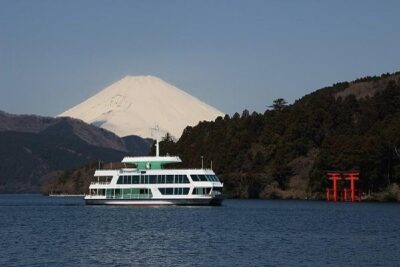 ★ 4.0Mt Fuji & Hakone Cruise, Drum Show Bullet Train 1 Day from TokyoFrom $1497,413 reviews
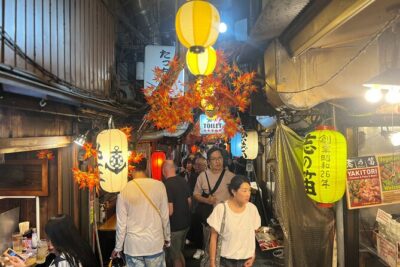 ★ 5.0Shinjuku Food Tour (13 Dishes at 4 Local Eateries)From $866,603 reviews
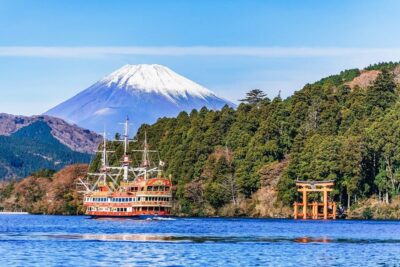 ★ 4.4Tokyo Mt Fuji 5th St & Hakone Cruise Bus Tour w/Bullet TrainFrom $1545,024 reviews
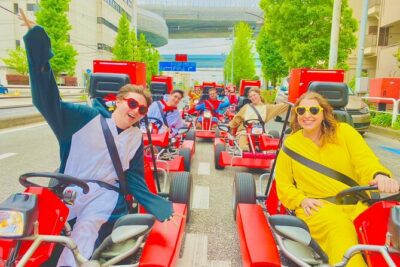 ★ 5.0Flagship 2-Hours Official Street Go-Kart Tour – Tokyo Bay ShopFrom $644,974 reviews
 ★ 4.5From Tokyo: Mount Fuji Full-Day Sightseeing TripFrom $684,970 reviews
This tour also belongs to