
Review · TOKYO CITY TOURS
Tokyo Architecture and Contemporary Art Walking Tour with a local guide
Tokyo looks smarter on foot. This private architecture and contemporary art walking tour lets you move through Tokyo’s design landmarks with a small group (up to 9) and a guide who sets a workable rhythm for you. I especially like the included bottled water and the fact that you’re not stuck in a loud herd.
One thing to plan for: you can spend a lot of time moving via subway and underground passageways, not just on bright street corners. Expect a full-day pace, and if you hate walking, you may feel it by the end.
Key Takeaways Before You Go
- Small-group pacing (up to 9): You see more because the route is designed for flow, not crowd control.
- Modern and youth culture mix: Ginza and Roppongi sit right next to Harajuku and Shibuya.
- Iconic free stops: You visit major architecture and art areas with free admission at each listed stop.
- Public transport routing: You get a real shortcut through Tokyo by using trains and stations correctly.
- Guide-led context: People highlight guides like Richie, Riley, and Masa for clear English and practical commentary that makes buildings click.
A small-group architecture day that actually feels like Tokyo
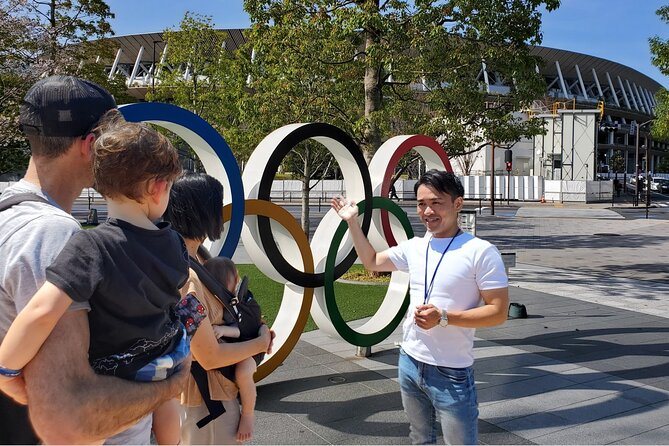
Tokyo can be overwhelming when you try to tour it like a checklist. This is designed as a people-first day: you meet your guide near a central point, then you spend your time inside the city’s architecture, interiors, and design culture instead of waiting around for photos and group regrouping.
The experience is listed as private, which matters here. With up to 9 people, it’s easier for the guide to slow down when a facade deserves a closer look or speed up when you want to get to the next neighborhood while it still feels fresh.
It also helps that the day is built around places that mix “see it from outside” with “notice the details once you’re close.” Tokyo’s design language is partly in the street scene and partly in what happens at ground level, in station access, and around public buildings.
You can also read our reviews of more walking tours in Tokyo


Price and value: what $424.58 buys your group
The tour price is $424.58 per group (up to 9) for about 6 to 8 hours. That is the key value math: if you split it within a small group, the effective cost can be much lower than the typical per-person rate you see on private tours.
What makes the pricing feel fair is the package shape. You get a guide for a full half-day to full-day window, you get provided bottled water, and you get a route that hits both architecture icons and art-oriented neighborhoods. You also get mobile tickets, and the tour offers pickup, which cuts down the friction of starting in Tokyo.
The fact that it is commonly booked well in advance (about 77 days) is another practical signal. This is not a niche route that only runs occasionally, so it’s worth locking in early if your dates are fixed.
Where the time goes: walking, trains, and underground connections
This kind of Tokyo tour can feel like a walking tour, a transit tour, and an architecture tour all at once. One detail that shows up clearly is that you may spend a lot of time on and around the subway and underground pathways between stops. That is not a deal-breaker, but you should expect it.
Here’s how to use that to your advantage:
- Wear shoes you trust. You’ll likely cover a lot of ground even when distances look short on a map.
- Bring a light layer. Underground areas can be cooler than the street.
- Plan to look up and ahead. Tokyo station navigation moves fast, so you’ll get the most if you keep your attention on signage, entrances, and station exits.
A guide who knows the system matters. People rate this tour highly for making transfers smooth, and you can usually tell when a guide is saving you time rather than just walking you through stations.
Ginza: polished streets, boutiques, and architect-grade street edges
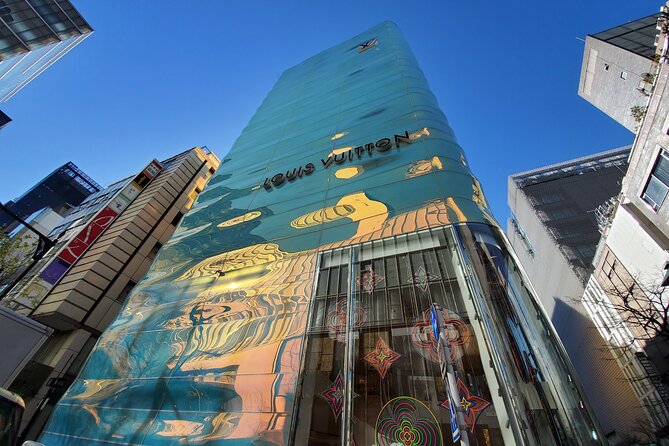
Ginza is where Tokyo starts feeling like a design magazine you can walk through. You get boutiques, intimate galleries, and stylish stores, but the bigger point is the area’s cutting-edge architecture alongside a high-end retail identity.
This stop is about noticing how Tokyo uses architecture to create mood. In Ginza, building shapes tend to frame the pedestrian experience. Even when the storefronts are the headline, the overall massing and facade rhythm are what make it feel coordinated rather than random.
For you, this is a helpful warm-up stop. You ease into the theme without going straight into the chaos of the busiest traffic zones later. It’s also a good moment to get your bearings with the guide, since the whole day depends on pace and timing.
Tokyo International Forum: Rafael Viñoly’s postmodern landmark
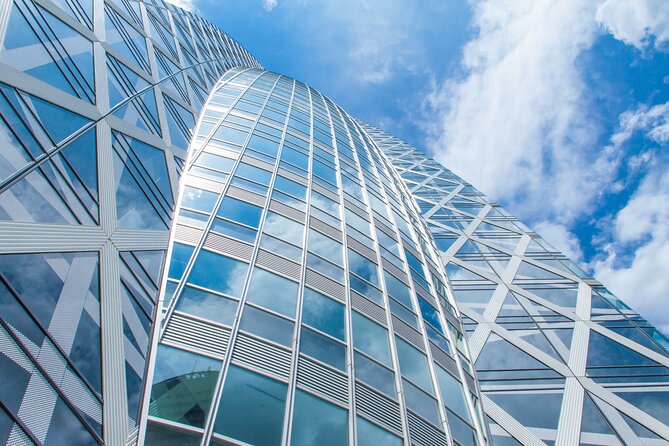
Next comes a building that’s easy to recognize and hard to ignore. The Tokyo International Forum, designed by architect Rafael Viñoly, is described as a postmodern masterpiece and the first major convention and art center of its kind in Tokyo.
What I like about stopping here is that it’s not only about the outside silhouette. This is a civic-scale building, and that changes how you read it. You’ll see how the city uses architecture to signal culture, public events, and art infrastructure in one place.
This stop is short (listed at about 15 minutes), so treat it like an architectural windshield check. You’ll want to take in the overall form first, then shift your attention to smaller design details the guide points out so you don’t leave with only a vague wow.
You can also read our reviews of more guided tours in Tokyo




Roppongi Art Triangle: National Art Center, Mori Art Museum, Suntory Museum of Art
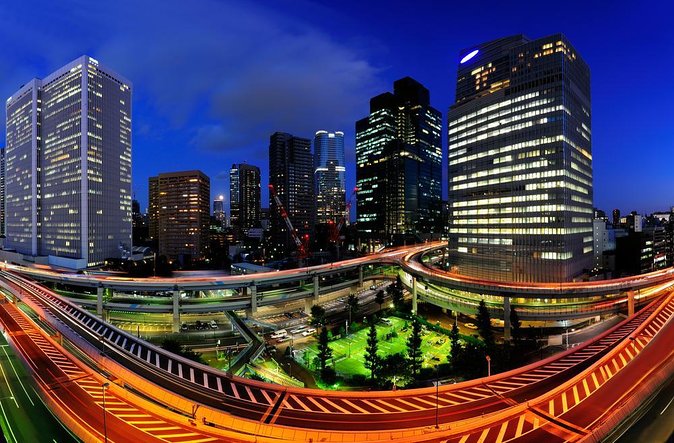
Roppongi is a practical pivot from classic commerce zones into a more art-focused part of the city. The tour highlights the Art Triangle Roppongi, built around three big names: the National Art Center, Mori Art Museum, and Suntory Museum of Art.
Even if you don’t plan to deep-dive into exhibitions the way you would on a museum day, this area is still worth visiting because the buildings and plazas around them shape the way you move. The art triangle layout tends to encourage wandering on foot, not just rushing from subway to door.
You’ll also get the broader neighborhood feel: Roppongi is a mix of galleries, culture spaces, and modern Tokyo energy. This stop works well as your “art context” anchor, giving the later street-style areas a contrast, not just a list of places.
Omotesando: fashion blocks and the Prada Herzog & de Meuron effect
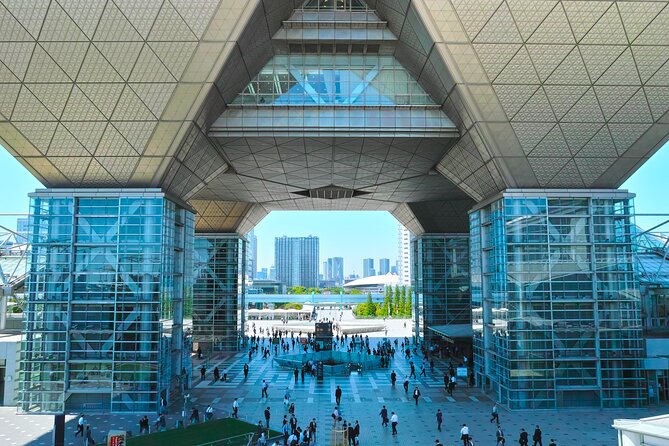
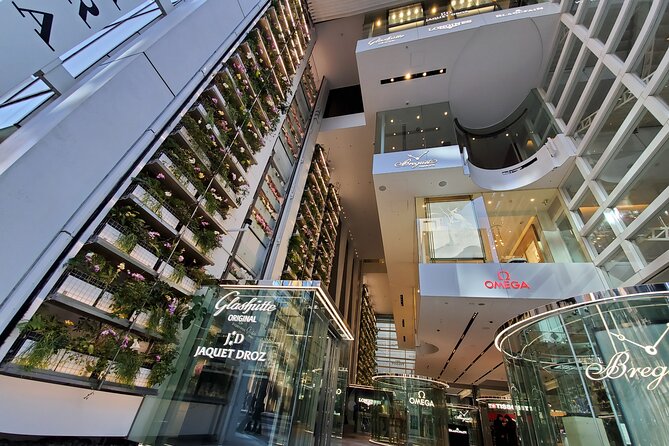
If Ginza feels refined and Roppongi feels art-forward, Omotesando adds fashion architecture swagger. The stop focuses on high-end fashion and jewelry stores and, crucially, the buildings themselves.
The highlight called out here is the Prada flagship store, created by the Swiss-based firm Herzog & de Meuron. That name matters because it signals a particular kind of architecture approach, where form, surface, and urban fit are treated like one system.
Why you should care: Omotesando shows you how Tokyo can treat a commercial project like public design. You don’t just look at a brand, you read how the building’s shape guides pedestrian flow and creates a sense of occasion.
This is a good place to slow down. The tour gives you about an hour, which is enough to walk the frontage, check the angles, and notice how the building looks different from different distances.
Takeshita Street in Harajuku: youth culture you can read off the facades
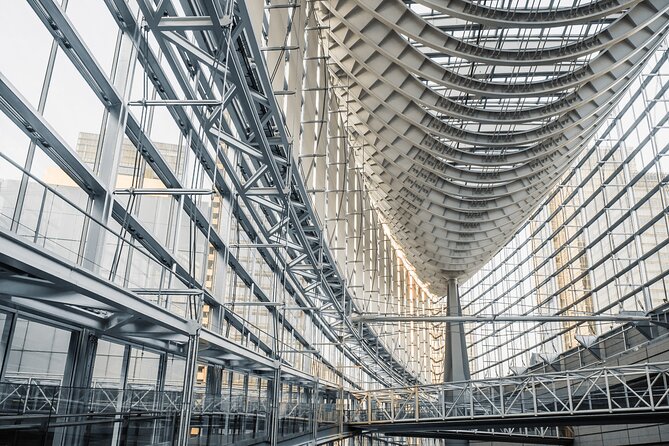
Then the tour swings toward a very different Tokyo. Takeshita Street is where you feel youth culture in real time, with unique fashion trends and “outrageous” design energy connected to what the built environment is doing around it.
This stop is about contrast. You’re going from architecture that’s often about prestige and brand identity to architecture and street design that are about self-expression. The value is not only what you see, but what it tells you about Tokyo’s social engine: different neighborhoods communicate different messages.
You’ll get about an hour here. Use that time to look at how shopfronts, signage, and street layout contribute to a scene that moves fast. This is not a place to stand still and “study” the way you might at a museum. It’s a place to watch the city’s style evolve in front of you.
Shibuya Crossing: the world’s busiest intersection, explained by walking into it
Next is one of Tokyo’s most famous visual experiences: Shibuya crossing, described as the busiest intersection in the world. It’s the kind of place where photos don’t fully prepare you, because the scale comes from motion and human density.
The tour gives you about 30 minutes. That’s enough time to:
- get oriented at the edge,
- cross with the flow,
- and notice the surrounding building faces that frame the intersection.
If you only look once, you might miss what makes Shibuya feel like a city inside a city. The crossing is basically a live design system for pedestrians, traffic coordination, and street-level visibility.
Daikanyama: a calmer, boutique-heavy counterpoint to Shibuya
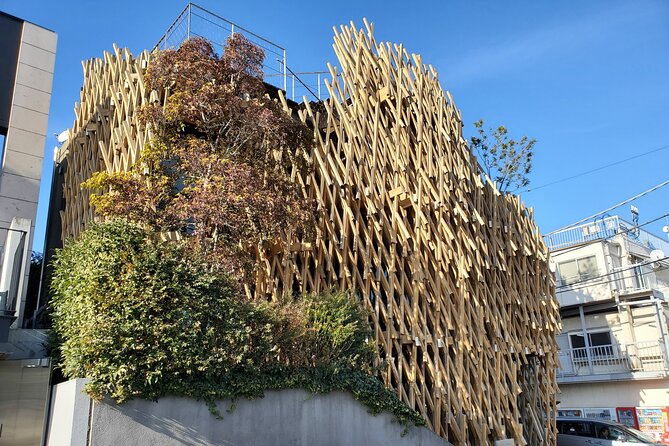
After the energy of Shibuya and Harajuku, Daikanyama gives you a breather. The tour positions it and nearby Nakameguro as places filled with boutiques and cafes, with a different atmosphere and a less hectic pace than more famous areas.
This matters because it’s not just more shopping. It shows Tokyo’s ability to scale down intensity without scaling down design. You still get architecture and storefront personality, but the streets feel more readable.
A specific mention here is the Tsutaya book store in the area. Even if you don’t go inside, the store anchors the neighborhood’s creative vibe. It’s the kind of place where reading spaces and retail blend into a design experience you can wander through slowly.
This stop is about an hour, which is a comfortable length for a quieter neighborhood. It also helps you end the day feeling human-sized again, not only overstimulated.
How the guide shapes the day in real terms
The tour’s best reviews point again and again to guides who handle two things well: English clarity and itinerary control. People mention guides such as Richie, Riley, and Masa for being responsive and for building a schedule that fits the pace of your group.
Here’s what that means for you, practically:
- You spend less time figuring out where to go next and more time learning how to look at buildings.
- You get commentary that turns a facade into something you can explain to a friend later.
- If your group has preferences, the guide can steer the day within the route’s structure.
A good guide also helps you manage Tokyo’s “in-between spaces.” That’s where you learn the difference between seeing buildings and understanding them. Stations, passageways, and streetscapes are part of the architecture story here.
What to bring so your feet stay happy
This is a walking tour with a lot of transit hopping. Even with subway routing, you should expect a high step count over 6 to 8 hours.
Bring:
- Comfortable walking shoes with grip.
- A light layer for air-conditioned underground sections.
- Your phone fully charged for the mobile ticket and for quick look-ups if you need station guidance.
And mentally, go in expecting a day where you look longer at the details than you might on a standard sightseeing walk. Tokyo architecture is about subtle shifts. The tour’s rhythm makes it easier to notice those shifts without feeling rushed.
Should you book this Tokyo architecture and contemporary art walking tour?
I’d book it if you want a day that mixes iconic landmarks with neighborhood variety, and you care about how modern Tokyo is designed, not just where it is on a map. The small group size helps a lot, and the included bottled water plus free-admission stops make it easier to keep your time focused.
Skip it if you hate underground transit or you’re trying to keep your day very low-walking. The route includes the practical reality of Tokyo stations and underground connections, so you’ll feel the movement even when the stops are close together.
If you’re the kind of person who likes to stand back, spot patterns, then walk in for a closer look, this is a strong match. You’ll leave with a clearer sense of Tokyo’s design voice, from Roppongi’s art infrastructure to Omotesando’s fashion architecture to Shibuya’s pedestrian choreography.
FAQ
How long is the Tokyo architecture and contemporary art walking tour?
The tour runs about 6 to 8 hours.
What is the group size and price?
It’s priced at $424.58 per group, for up to 9 people, and it is a private tour/activity.
Are pickup and mobile tickets included?
Pickup is offered, and you’ll receive a mobile ticket.
Is bottled water provided?
Yes. Bottled water is provided during the tour.
Which stops are included?
The listed stops are Ginza, Tokyo International Forum, Roppongi, Omotesando, Takeshita Street, Shibuya crossing, and Daikanyama.
Is confirmation and cancellation flexible?
Confirmation is received within 48 hours of booking, and free cancellation is available up to 24 hours before the experience start time for a full refund.
More Walking Tours in Tokyo

More Tours in Tokyo






More Tour Reviews in Tokyo


Not for you? Here's more nearby things to do in Tokyo we have reviewed












Tokyo City Tours, side by side.
 ★ 5.01-Day Tokyo Bus TourFrom $12914,250 reviews
 ★ 4.5TOKYO SKYTREE® Admission ticketFrom $1311,192 reviews
 ★ 4.6teamLab Planets TOKYO Digital Art Museum Entry TicketFrom $259,779 reviews
 ★ 4.0Mt Fuji & Hakone Cruise, Drum Show Bullet Train 1 Day from TokyoFrom $1497,413 reviews
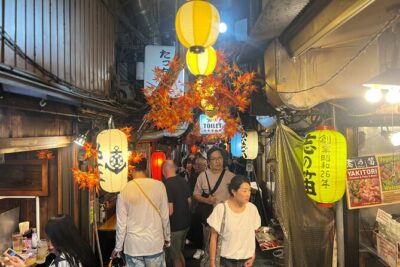 ★ 5.0Shinjuku Food Tour (13 Dishes at 4 Local Eateries)From $866,603 reviews
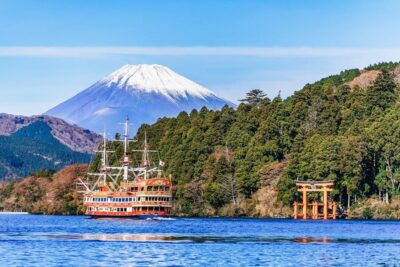 ★ 4.4Tokyo Mt Fuji 5th St & Hakone Cruise Bus Tour w/Bullet TrainFrom $1545,024 reviews
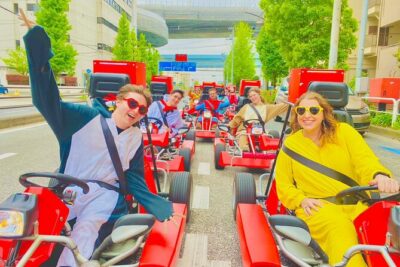 ★ 5.0Flagship 2-Hours Official Street Go-Kart Tour – Tokyo Bay ShopFrom $644,974 reviews
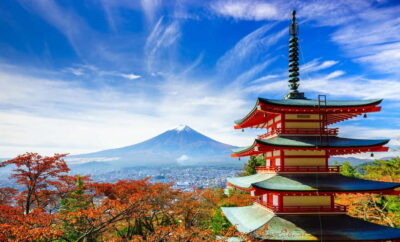 ★ 4.5From Tokyo: Mount Fuji Full-Day Sightseeing TripFrom $684,970 reviews
This tour also belongs to