
Review · SHIBUYA TOURS
Tokyo Shibuya Walking Tour With A Local Guide
Shibuya can be a maze if you show up cold. This 2-hour guided walk helps you orient fast, then strings together the best photo stops and neighborhood streets without wasting time. You get a clear route, pass iconic spots like Shibuya Scramble Crossing, and still have room for local tips along the way.
Two things I really like: first, the tour is built around getting your bearings early, so you spend less time guessing and more time enjoying. Second, you can choose private or small-group options, and the guide can tailor the pace to your interests. It is also offered in multiple languages (English, Spanish, French, and Italian).
One consideration: this is a city walk, not a museum tour. If you want inside attractions or a food-centered experience, make sure your expectations match a walking route, since that mismatch showed up in one low rating.
Key Things To Know Before You Go
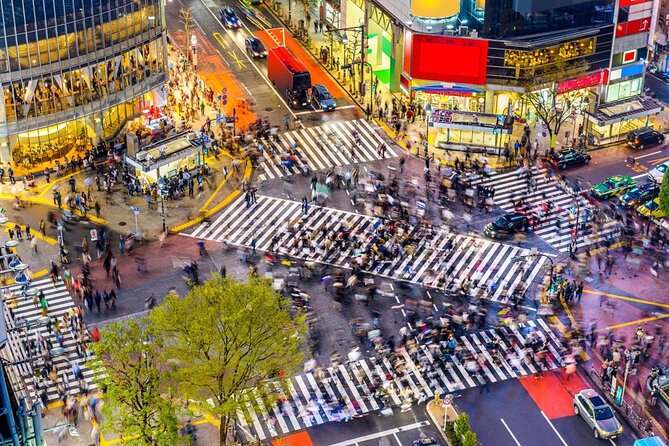
- 2 hours, straight-through orientation of central Shibuya, designed to prevent wandering.
- Shibuya Crossing plus Hachiko are early stops, which makes your first photos painless.
- Center-gai, Mark City, and Shibuya 109 cover shopping streets and modern Tokyo energy.
- Mobile ticket and a guide who meets you in a specific spot near Shibuya Station.
- Multiple languages and customization, including English, Spanish, French, and Italian guides.
Shibuya Is Easy to Overthink, So This Tour Keeps It Simple
Shibuya looks simple on a map, then you walk two blocks and your brain goes into survival mode. The big reason this tour works is that it gives you a guided path through the exact area that tends to overwhelm first-timers.
The route starts with one of Tokyo’s most recognizable sights, Shibuya Scramble Crossing, then moves to nearby landmarks and shopping streets. You are not just collecting stops, you are learning how the neighborhood connects, where major pedestrian routes flow, and what you can realistically do on your own afterward.
And if you like the idea of hearing practical local context, the guide format is the point. You might even hear guidance from names like Fabian, Riccardo, Mark, or Francisco, depending on who is assigned. Past comments highlight that some guides are very friendly and responsive, not just reciting facts.
You can also read our reviews of more walking tours in Tokyo


Meeting Point on Dōgenzaka and the Pace of a 2-Hour Walk
This tour starts at a meeting point in Shibuya on Dōgenzaka, at 2-chōme 5-9, near the Hachiko exit area. It ends back at the meeting point, which is handy when you are trying to avoid extra transit decisions mid-day.
The timing is set for an easy pace: about 2 hours total, with roughly 20 minutes at each stop. That makes it feel like a “see and understand” walk, not a marathon. You will have time for photos and brief chats, but you should still wear comfortable shoes because Shibuya is all about walking and crossing streets.
Also note the format: it is a city tour, so you should expect outdoor walking and street-level viewing. This is not positioned as an inside-monument experience, so if you want ticketed interior sights, you may need to plan those separately.
Stop 1: Shibuya Scramble Crossing, the Photo Op With Real Direction
You kick things off at Shibuya Crossing, famous for its multi-direction pedestrian scramble. This is one of those places where the first instinct is to stand there and wait for something to look cool in your camera.
The benefit of starting here with a guide is that you get your bearings right away. You can focus on capturing the iconic view without worrying about how you got there or what street to take next.
What to consider: crowds can be dense, and the crossing area changes depending on pedestrian flow. The guide helps you find a comfortable viewing angle and keeps the group moving when it is time. If you hate standing around, this structure helps because you are not stuck there longer than planned.
Stop 2: Hachiko, a Stop That Adds Heart and Context
Next comes Hachiko, the statue near Shibuya Station that honors the loyal Akita dog. This stop matters because it gives Shibuya an emotional anchor, not just a fashion and neon vibe.
Hachiko is also a useful navigation landmark. Even if you later explore on your own, the area around this statue is one of the easiest references to remember when you are trying to reorient.
What you will likely do here is slow down for a moment, take photos, and listen to the short story that makes the statue more than a random photo spot. It is brief by design, but it adds a “why this place matters” layer that makes the rest of your Shibuya walk feel more grounded.
Stop 3: Shibuya Center-gai, for the Street-Level Tokyo You Can Feel
Then you shift into Shibuya Center-gai (Center-gai), a pedestrian street lined with shops, cafés, and entertainment venues. This is where Shibuya becomes less about landmarks and more about everyday energy.
Why it is valuable on a guided route: the guide can point out the routes that keep you from backtracking. You also get a sense of which streets are practical for browsing versus which sections can get confusing if you try to wander alone.
Practical drawback: Center-gai can be busy, especially at peak times. If you are someone who needs space, you might want to keep your pace steady and follow the group rather than drifting off to “just look” for too long.
You can also read our reviews of more guided tours in Tokyo




Stop 4: Shibuya Mark City, a Useful Neighborhood Hub
After Center-gai, the walk heads to Shibuya Mark City, a multi-use complex near Shibuya Station. This stop is less about one iconic photo and more about seeing how Shibuya’s layers connect, retail to transit, street level to indoor corridors.
This is a good moment in the tour if you want a quick reset. Even though it is still part of the walking experience, complexes like this often offer easier paths for moving between areas without losing your sense of direction.
Because the tour is scheduled in segments of about 20 minutes, Mark City functions like a “breather stop.” You can look around, grab a quick drink if you need one outside the tour scope, and then get back in rhythm.
Stop 5: Shibuya 109, a Landmark for Modern Fashion Browsing
Next up is Shibuya 109, a famous department store known for trendy fashion aimed mainly at younger women. The building itself is a landmark, so even if you do not shop, it still delivers a distinct visual Tokyo moment.
This stop is valuable because it shows you Shibuya’s consumer culture in a direct way. You are not just watching from the outside. You are being pointed to a recognizable anchor where many people naturally orient themselves.
What to consider: if you are not interested in shopping, you might treat this stop like a look-and-photo moment. The 20-minute timing helps, so you are unlikely to feel trapped. Still, if your travel style is more “architecture and neighborhoods” than “stores and trends,” you may want to spend extra attention on photo angles rather than browsing every floor.
Stop 6: A Shibuya Scenic View Stop, Where the Tour Wraps Up
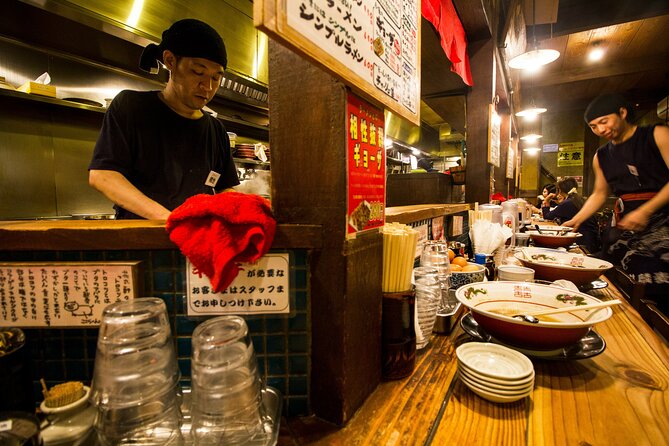
The last stop is described as a scenic view in Shibuya. The exact viewpoint can vary by location, but the intent is clear: a quick look back over the district so the day ends with a sense of scale.
This kind of finish is smart because it turns your walking route into something you can “see.” When you look out over Shibuya, you start to connect street names, pedestrian flows, and where the major landmarks sit in relation to each other.
What to plan for: you should be ready for it to be mostly outward viewing rather than a long, ticketed sightseeing session. Entry to monuments and museums is not included, so if the viewpoint requires specific ticket access, you would handle that separately or rely on the guide’s help for ticket planning when applicable.
Guides, Languages, and Customization That Can Actually Matter
This tour is offered with an in-person guide who speaks English, Spanish, French, or Italian. That is a big practical point. You are not just following a path, you are getting explanations in a language you can actually process without switching mental gears.
You also have the option for private or small-group touring. A private option tends to work best if you want more flexibility, photo time, or questions that keep expanding. A small group can feel lively while still staying manageable.
Past comments also mention that some guides are great listeners and can adapt the mix of stops. If you care about local bars and eateries, this kind of guidance can help you pick places that fit your tastes and time window, instead of grabbing the first option you see.
Price and Value: $30.03 for a Focused 2-Hour Orientation
At about $30.03 per person, this is positioned as an affordable way to get a guided overview of central Shibuya. The key value is time. Shibuya is not a slow place to explore, and “wasting one hour getting oriented” can easily happen without help.
The tour also includes guided walking, meeting support in the exact start area, and help from the team to book tickets for any visits you want. Even though the listed stops are marked as free admissions, the included support still matters because ticketing friction in Japan can slow you down.
You are also paying for decision-making: the guide helps you choose what is worth your limited time in a dense part of Tokyo. For many visitors, that is the real bargain.
Where the value might feel different: if you already know Shibuya well and just want to shop, self-guided exploration may be cheaper. But if you want a structured path, photo-ready stops, and local guidance without planning every turn, this price can feel very fair for the time you save.
What Is Included, What Is Not, and How to Pack Accordingly
Included: you get the walking tour with an in-person guide, in-person English/Spanish/French/Italian speaking support, and the private or small-group format. There is also mobile ticket support, and help to book tickets for the visits you want.
Not included: food and drinks, tips (optional), and entry to monuments and museums. Public transport costs are on you if you use transit during the tour.
So what should you do before you meet up?
- Wear comfortable shoes. Shibuya crossings and shopping streets mean steady walking.
- Bring a charged phone. The mobile ticket matters, and navigation will be easier with maps ready.
- Plan your own snacks or breaks. The guide can suggest spots, but meals are not part of the included package.
One more note based on a low rating: there was confusion tied to expectations around what kind of experience it is. If you prefer a pure sightseeing walk with no meal stops, clarify that ahead of time so you do not end up with mismatched assumptions.
Who Should Book This Shibuya Walking Tour?
This works well if you are:
- First-timers in Tokyo who want quick orientation in Shibuya
- Photo-focused visitors who want Shibuya Crossing and Hachiko handled smoothly
- People who enjoy shopping streets like Center-gai, Mark City, and Shibuya 109
- Travelers who like asking questions in a supported language (English, Spanish, French, Italian)
It may be less ideal if you:
- Want mostly indoor museum-style sightseeing, since this is a city walk rather than museum touring
- Want a full food tour experience baked into the itinerary, since food and drink are not included
The good news is that it is recommended for everyone, and the guide structure keeps it from feeling like random wandering. You get a shape to your day, and that is often what makes a Tokyo neighborhood feel enjoyable instead of exhausting.
Should You Book It?
Yes, I think you should book this Shibuya walking tour if you want a smart introduction to one of Tokyo’s most confusing areas. The best reason is simple: you get a guided path through the landmarks that matter most, plus shopping streets and a scenic wrap-up, all in about 2 hours.
Book it especially if you will be navigating Shibuya on your own later. You will leave with enough direction to explore independently, without feeling like you spent your trip solving a map puzzle.
If you hate crowds, plan to move with the group and focus on quick photo moments at the crossing. And if you only want indoor sights or a food-focused plan, consider a different tour type so your expectations match the walking format.
FAQ
How long is the Tokyo Shibuya walking tour?
It is about 2 hours.
What is the price per person?
The price is listed as $30.03 per person.
Where does the tour start?
The meeting point is in Shibuya, Dōgenzaka (address provided for the Hachiko exit area), and the tour ends back at the same meeting point.
Does this tour include a guide?
Yes. It includes an in-person guide who speaks English, Spanish, French, or Italian.
Is it a private tour or a group tour?
It is available as a private or small-group tour option, with group discounts mentioned.
Is there a minimum number of participants for the group option?
Yes, the group option requires a minimum of 2 participants.
What language options are available for the guide?
English, Spanish, French, and Italian are listed as available guide languages.
Are food and drinks included?
No. Drinks or food are not included.
Are transport costs included during the tour?
No. Any public transport costs during the tour are at your expense.
Can I cancel for a refund?
Yes. Free cancellation is available up to 24 hours in advance for a full refund.
More Walking Tours in Tokyo

More Tours in Tokyo




More Tour Reviews in Tokyo

Not for you? Here's more nearby things to do in Tokyo we have reviewed








Shibuya Tours, side by side.
 ★ 5.0Official Street Go-Kart in ShibuyaFrom $763,435 reviews
 ★ 4.9Street Kart Experience in ShibuyaFrom $741,484 reviews
 ★ 5.0Shibuya Meltdown Nightlife Tour: All-You-Can-Drink Bar HoppingFrom $1061,058 reviews
 ★ 5.0Shibuya Official Street Go-Kart in Shibuya AnnexFrom $69972 reviews
 ★ 5.0Shibuya Food Tour (13 dishes and 4 Eateries)From $77770 reviews
 ★ 5.0Best of Shibuya Food TourFrom $217612 reviews
 ★ 4.8Shibuya Highlights Walking TourFrom $19601 reviews
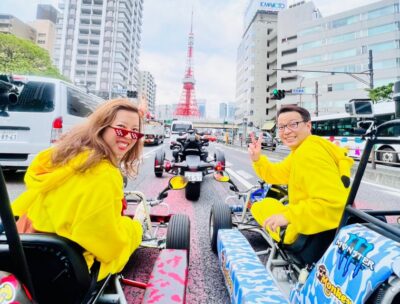 ★ 4.7Premium Go-Kart Tour with Tower & Shibuya CrossingFrom $116528 reviews
This tour also belongs to