
Review · KAMAKURA DAY TRIPS
Kamakura Temples Private Guided Tour from Tokyo
Kamakura feels like a shortcut into older Japan. This private 8-hour tour pairs a licensed English guide with top temple stops like Hase-dera, Kotokuin, and Tsurugaoka Hachimangu.
I especially like the focused pacing with a guide handling the flow, and the chance to see big-name landmarks up close, including the Great Buddha. One thing to plan for: entrance fees, train tickets, and lunch are not included, so the day can cost more than the base price.
Key highlights you will care about
- Private, English-guided route with hotel pickup and drop-off on foot
- Hase-dera viewing time with the Kannon statue and the Jizo-do Hall
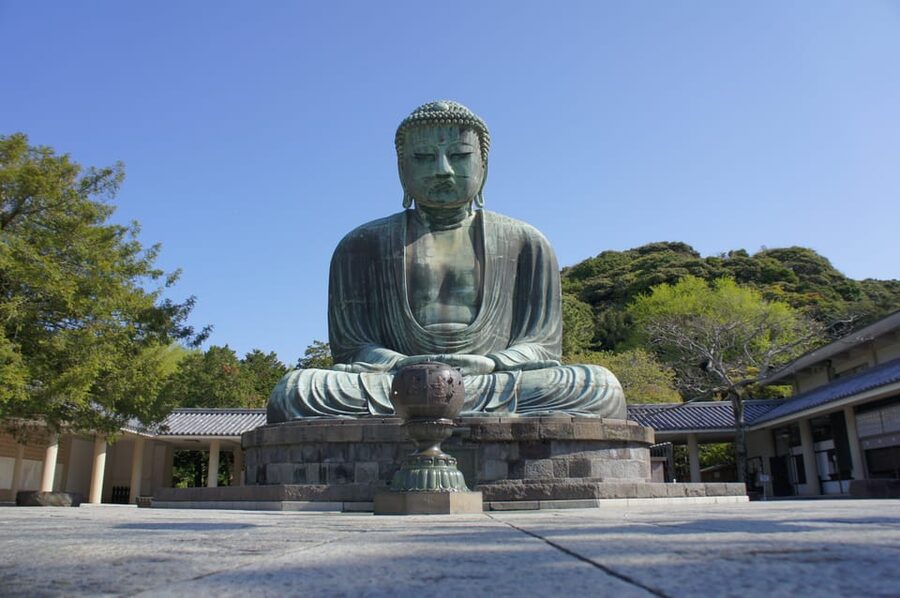
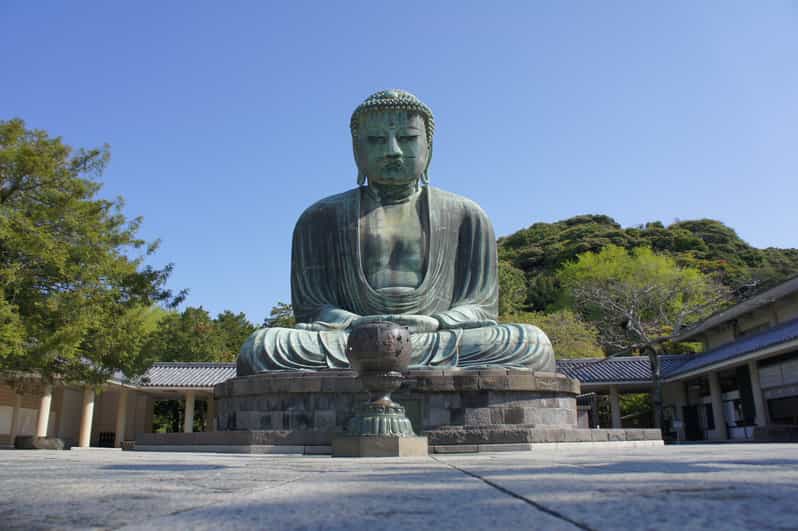
- Kotokuin Great Buddha viewing with the 13-meter statue
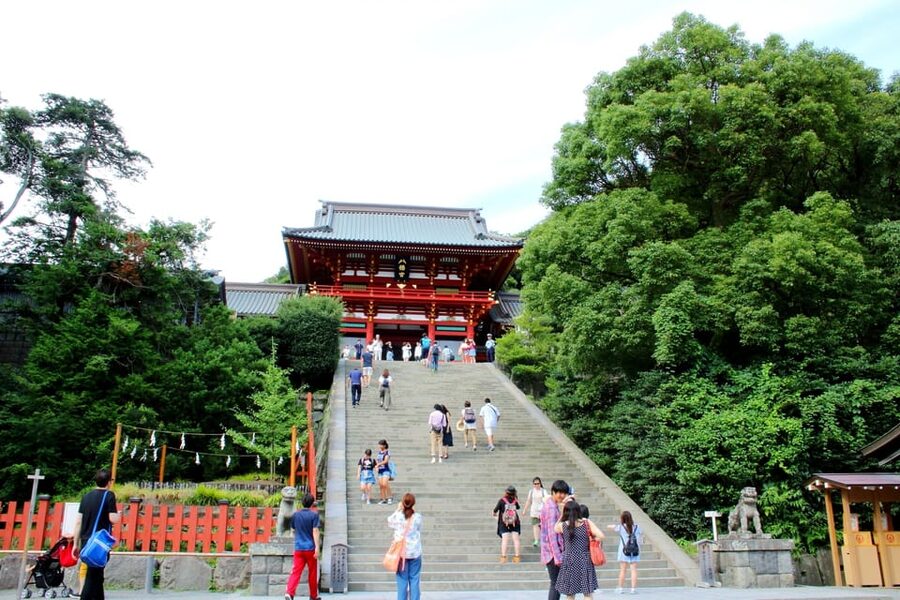
- Tsurugaoka Hachimangu shrine time, built in 1063
- Komachi Street lunch and shopping window (1.5 hours)
- Total walking is 3 to 4 km, so comfy shoes matter
A Private Kamakura Day From Tokyo, Without the Headache
If your Tokyo trip has you thinking, I want to see Kamakura, but I do not want to wrestle with trains and directions all day, this is built for that mood. You get a hotel pickup in Tokyo (on foot) and then a guided day focused on three of Kamakura’s main draws, plus a lunch and shopping break.
What makes the format feel worthwhile is the guide-led structure. At busy stops, having someone steer timing and viewpoints helps you spend your limited hours actually seeing things, not just queuing or wandering in circles.
The best part, for me, is that this is not just a photo run. You also get context on what you are looking at, like the role of the 11-faced Kannon at Hase-dera and the religious importance tied to Tsurugaoka Hachimangu.
Getting There: Train Time, Tickets, and the Costs You Should Expect
Plan for travel time both ways. The ride to Kamakura is listed at about 70 minutes, and the return is about 1 hour, with a final arrival back in Tokyo around 4 or 5 pm.
Important money notes:
- Train tickets: the tour info says one-way tickets are around 1,200 yen.
- Local transportation to/from attractions (customer and guide): about 2,000 yen per person.
- Payment timing: those items are paid on the tour day.
This matters because the tour price is not meant to cover the whole day. It covers the guide and the coordinated private route. If you like clean budgeting, set aside a buffer for the day’s extra costs and you will feel much less surprised.
You can also read our reviews of more guided tours in Tokyo
Hase-dera: Kannon, the Temple of Flowers, and the Jizo-do Hall
Hase-dera is where many people start to understand why Kamakura remains a favorite day trip. The atmosphere is quieter than the station areas, and the temple complex gives you a mix of grand views and small, personal details.
You’ll spend about 30 minutes here with guided time and a photo stop. Hase-dera is also nicknamed the Temple of Flowers, and that identity is not just marketing. The site gives you space to slow down and look around before you move on.
The Kannon statue and the meaning behind the faces
The main visual draw is the Buddhist statue of Kannon, also described here as the Goddess of Mercy. You get an explanation of Kannon as the eleven-faced figure and how those faces represent different phases in the search of enlightenment.
That kind of guided framing is useful because it changes the way you look. Instead of seeing a statue only as a dramatic focal point, you learn what the figure represents in Buddhist belief.
Wandering the gardens and spotting hundreds of Jizo statues
Outside, you can wander through the gardens. If you are the type who loves “small stuff,” you will likely enjoy the Jizo-do Hall, which houses hundreds of small Jizo Bodhisattva statues.
These little figures are the kind of thing you could miss if you rush. With guided time, you get the chance to slow your pace, look closely, and take in the scale of what is there.
Practical note: the tour includes time to move on foot between stops (the schedule lists short walking segments), so you’ll want shoes that feel good for uneven temple paths.
Entrance fee to plan for
Hase-dera has an entrance fee listed at 400 yen per person.
You can also read our reviews of more private tours in Tokyo
Kotokuin Temple and the Great Buddha: Seeing a 13-Meter Icon Properly
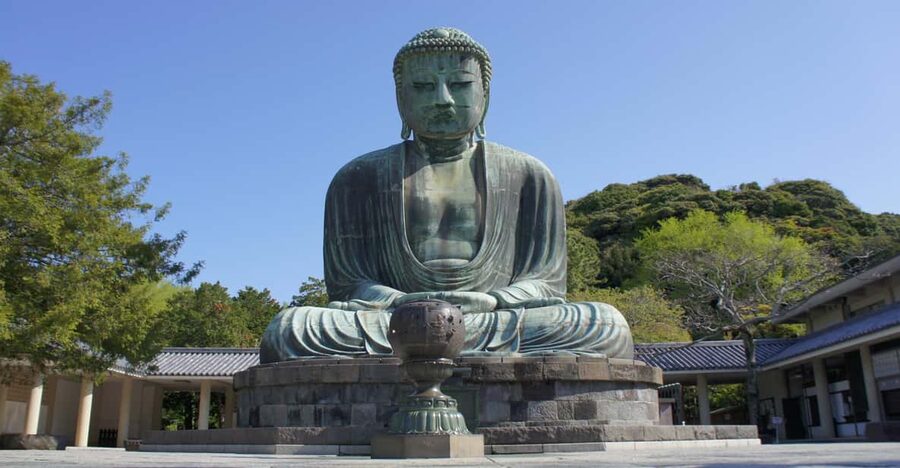
Next up is Kotokuin Temple and, with it, the Great Buddha that everyone recognizes. This stop is scheduled for about 30 minutes with photo time and a guided tour.
The Great Buddha is described as 13 meters high, and the history notes date back to 1292. Even if you have seen photos, being there in person gives you a totally different sense of presence. The statue is large in a way that feels physical, not just “tall.”
How a guide helps here
This is one of those sites where the details matter. The guide portion is where you learn why the statue matters and what makes its story meaningful. Instead of only staring at the face, you can connect it to the temple’s broader significance.
Also, in a half-day like this, the guide’s job includes timing you around crowds. One review praised a guide for maneuvering through packed areas and still getting people to the points of interest. That is exactly what you want at Kotokuin, where congestion can make simple sightseeing drag out.
Entrance fee to plan for
Entrance to the Great Buddha area is listed at 300 yen per person.
Tsurugaoka Hachimangu: Shinto at Kamakura’s Center
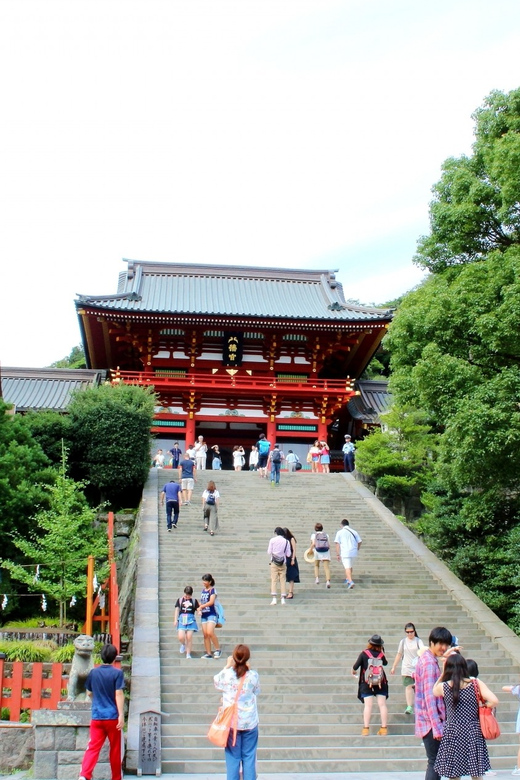
After temples and statues, you switch to the shrine experience with Tsurugaoka Hachimangu. The tour schedule gives you about 30 minutes here with photo and guided time.
This shrine is described as the most important Shinto shrine in Kamakura, sitting at the geographical center of the city. It is also tied to Emperor Ojin, who is known here as the God of War.
Why the 1063 founding matters
The shrine’s construction date is listed as 1063. That long timeline is useful context because it helps you see the site as a living place of worship, not a museum exhibit. Kamakura’s identity shows up through how old traditions keep getting practiced.
What you should aim to do during your time
Use the guided part to understand the layout and what you are seeing as you walk through the complex. The tour is framed around tranquility and insight from your guide, so I would treat this stop as your “reset” before lunch: slow your pace, listen, and let the space do its job.
If you like learning how religious spaces function (not just what they look like), this is a strong stop.
Komachi Street Lunch and Shopping Time That Doesn’t Rush You
Once you’ve worked up some appetite, you get lunch with a 1.5-hour window that includes guided time, free time, and shopping on Komachi Street.
This part matters because Kamakura is not only temples. It is also the street-life around them, and Komachi Street is where the practical tourism energy becomes real. You have time to eat, walk around, and browse without feeling like every minute is pre-booked.
Also, the tour description mentions lunch at one of Kamakura’s finest Japanese restaurants. That is a nice value perk if you would otherwise spend time searching for a place that fits your tastes.
A simple strategy for this block
Go into lunch time hungry, then save part of Komachi Street for after you eat. That way you are not trying to shop while you are tired and full. It sounds basic, but it makes this kind of day feel smoother.
Your Licensed English Guide: What Private Really Means
This tour includes a guide described as a National Government Licensed Guide Interpreter, in English, and it is a private group. That combination is not a small detail. It changes the day from a checklist to a real conversation, even if you just listen.
You can also take advantage of the guide’s ability to read the site and manage timing. One review mentioned a guide using maps and picture aids to explain Kamakura’s history, and another praised organization and the ability to move through crowds while still hitting the right stops.
Guide names you may see listed include Mizuma-san, Steve, Take, and Richie. I mention those because they give you a sense that the tour is actually run by people who have been praised for planning and communication, not just general escorting.
If your travel style is “tell me why this matters,” you will likely enjoy the guided layers at each stop.
Price and Logistics: Does $145 Per Person Feel Like Value?
The base price is $145 per person for an 8-hour private guided day. Included items are:
- Your guide
- Hotel pickup and drop-off in Tokyo (on foot)
Not included:
- Public transportation to/from attractions for you and the guide (around 2,000 yen per person)
- Entrance fees: Hase-dera 400 yen, Kotokuin/Great Buddha 300 yen
- Lunch and drinks for you and the guide
Let’s do a rough “plan ahead” math using only the numbers given:
- Train tickets: around 1,200 yen one-way, so around 2,400 yen round trip
- Local transportation: about 2,000 yen
- Entrance fees: 400 + 300 = 700 yen
That adds up to about 5,100 yen before lunch, based on the tour’s listed estimates. Lunch and drinks are separate, and the cost depends on what you choose.
So is the tour worth it? I think it usually is, if:
- you want a private day without figuring out trains, station transfers, and temple navigation on your own
- you care about interpretation at the sights, not just photos
- you value a schedule that compresses the key sites into one day efficiently
But I also think it is fair to admit the risk: if you expected the $145 to cover everything, you might feel surprised when you pay entrances, train tickets, and food on the day.
A good move is to treat $145 as the guide-and-organization fee, then budget the additional yen amounts and your lunch. That keeps the value feeling clearer.
Who This Kamakura Temples Tour Fits Best
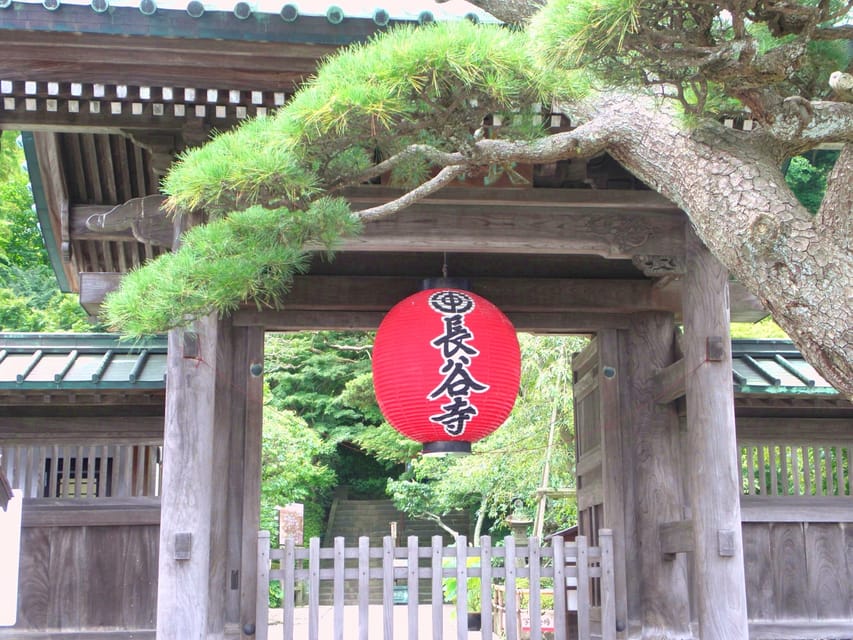
This tour is a good match if you want:
- a single-day Kamakura highlights loop from Tokyo
- an English guide who explains what you are seeing
- a private format that feels less hectic than open-group tours
It is also a strong choice for families who want clear coordination. One review praised a guide’s deep knowledge for a family group, which is exactly the kind of scenario where private guidance helps everyone stay on track.
It might be less ideal if:
- you prefer fully independent travel and hate paying additional fees on top of the booking
- you want long time at only one or two sites, because the day is structured to hit multiple stops
- you are sensitive to crowds, since even with good timing, Kamakura’s famous temples can be busy
Comfort tip: the tour info says it includes 3 to 4 km of walking. Bring comfortable shoes, and expect a mix of temple paths and street walking.
Should You Book the Kamakura Private Guided Tour?
I would book it if your goal is a smooth, guided Kamakura day with the big three: Hase-dera, the Kotokuin Great Buddha, and Tsurugaoka Hachimangu, plus lunch on Komachi Street. The private format and licensed English guidance are the core value, especially if you want meaning, not just landmarks.
I would pause if you are on a tight budget or you want full cost transparency up front, because you will pay train tickets, transport, entrances, and lunch on the day. If that part surprises you, the experience can feel more expensive than the headline price.
If you budget the extra yen and you like guided context, this tour is a smart way to do Kamakura without turning the day into logistics.
FAQ
How long is the Kamakura temples private guided tour from Tokyo?
The tour duration is listed as 8 hours.
What is included in the price?
The tour includes a guide (National Government Licensed Guide Interpreter) and hotel pickup and drop-off on foot.
What is not included?
Entrance fees, lunch and drinks, and transportation by public transit for you and the guide are not included. Entrance fees listed are 400 yen for Hase-dera and 300 yen for Kotokuin (Great Buddha). Transportation is noted as around 2,000 yen per person.
Do I need to buy train tickets?
Yes. The tour includes train travel, but your train ticket cost is listed as around 1,200 yen one-way, paid as part of your transportation needs on the tour day.
Which places will we visit?
The tour visits Hase-dera, Kotokuin Temple (Great Buddha), Tsurugaoka Hachimangu Shrine, and includes time on Komachi Street for lunch and shopping.
How much walking is included?
The tour includes 3 to 4 km of walking.
What should I bring?
Wear comfortable shoes, since the route includes walking and time at temple and shrine areas.
When do we return to Tokyo?
The schedule indicates you will travel back to Tokyo by train and arrive around 4 or 5 pm.
What are the pickup and drop-off options?
Pickup and drop-off are available at Tokyo Station, Tokyo, Shinjuku City, and Shinjuku Station. Pickup and drop-off are on foot.
More Guided Tours in Tokyo

More Tours in Tokyo


More Tour Reviews in Tokyo
Not for you? Here's more nearby things to do in Tokyo we have reviewed


Kamakura Day Trips, side by side.
 ★ 4.5Kamakura & Enoshima Day Trip including Temple TicketsFrom $581,375 reviews
 ★ 4.5Mt. Fuji, Kamakura, Big Buddha, & Lake Ashi Day TripFrom $49867 reviews
 ★ 4.5From Tokyo: Kamakura & Enoshima 1-Day Bus TourFrom $66189 reviews
 ★ 5.0Kamakura Historical Walking Tour with the Great BuddhaFrom $98129 reviews
 ★ 5.0Kamakura Private Tour: Temples, Nature, and the Great BuddhaFrom $98121 reviews
 ★ 5.0Kamakura Walking Tour – The City of ShogunFrom $35100 reviews
 ★ 5.0Kamakura 8 hr Private Walking Tour with Licensed Guide from TokyoFrom $20180 reviews
 ★ 4.1Kamakura & Enoshima Day Tour with Pickup & Train RideFrom $1361 reviews
This tour also belongs to