
Review · TOKYO SUMO EXPERIENCES
Tokyo Sumo History Tour with Chanko Nabe Lunch
Sumo in Tokyo feels like a whole story walk. This tour strings together the key locations behind Japan’s national sport, from the Ekō-in Temple area to the Kokugikan and ending with chanko-nabe. You also get a stop with a life-sized ring replica, plus a museum-or-stable option depending on what’s open that day.
Two things I like a lot are the way the guide makes the sport easy to follow, and the food ending that feels like an actual sumo routine. In the feedback, guides named Malik and Maik get called out for turning sumo into plain, usable knowledge. One consideration: this is not a tournament seat experience. You are sightseeing and learning, so you should not plan on watching live bouts from inside the arena seating.
Key highlights at a glance
- Ryogoku Station start with champion portraits, so you immediately feel like you are in sumo country
- Kokugikan from outside plus explanations of how it fits the three big grand tournaments each year
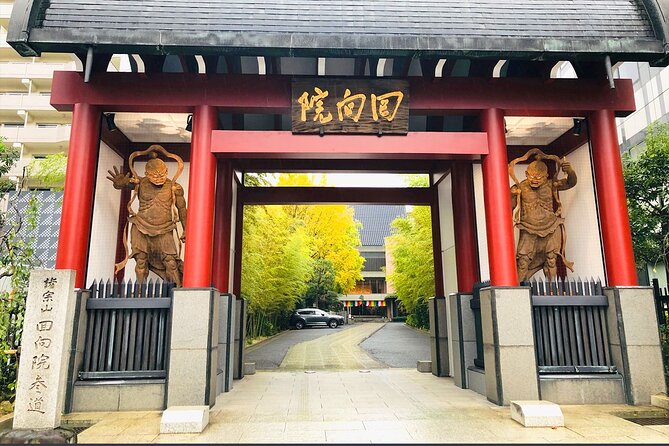
- Ekō-in Temple site and Chikara-zuka Monument to connect today’s sport to its ritual roots
- Museum-or-stable option so you keep moving even when the Sumo Museum is closed
- Edo Noren ring replica where you learn rituals like salt throwing and practice sumo poses for photos
- Chanko-nabe lunch in individual hotpots, ending the tour with what wrestlers eat
Why this sumo tour works as a Tokyo morning plan
If Tokyo has one sport you can build a day around, it is sumo. The trick is knowing what you are looking at. This tour helps you do that, walking you through the places that shaped sumo from ritual roots to modern pro competition.
You start in Ryōgoku, the sumo neighborhood. That matters because sumo feels different when you are surrounded by its symbols. You then move along the story, not just through random stops. The finish is practical too. You do not leave the tour hungry, and you eat chanko-nabe the way wrestlers do, with each person getting their own hotpot.
You can also read our reviews of more historical tours in Tokyo

Ryōgoku Station to Kokugikan: getting your bearings fast
The tour begins at Ryōgoku Station, in the core of sumo town. Even before you hit any major landmark, you get that instant atmosphere boost from the colorful portraits of past champions. It is a small thing, but it helps you stop thinking of sumo as something vague and start treating it like a real local world.
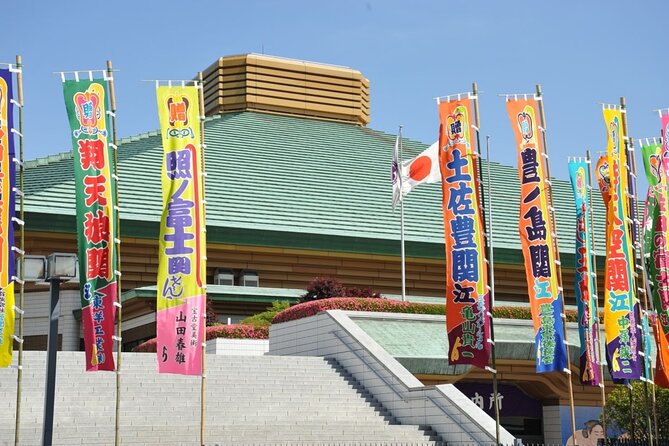
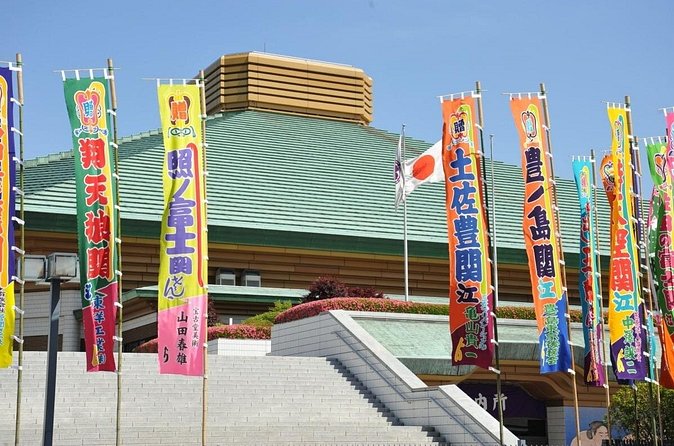
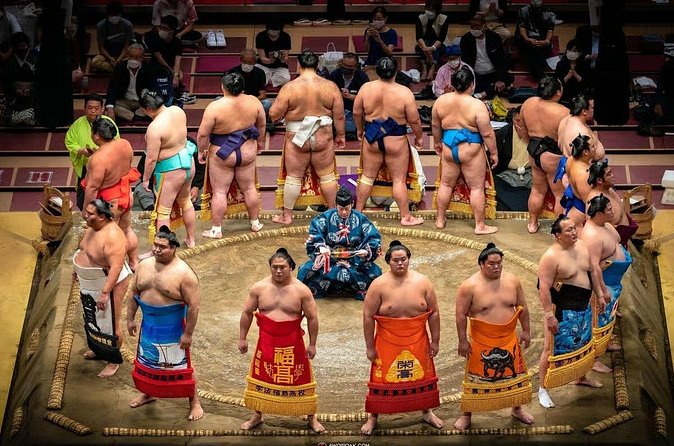
From there you head to Ryogoku Kokugikan, Japan’s best-known sumo stadium. Important detail: you see it from the outside. That might sound like a limitation if you are expecting stadium tours, but it actually works well for this format. You are learning what the building represents, not losing time queuing for areas you might not access anyway.
You also learn how Kokugikan hosts three grand tournaments each year, and what the colorful banners are meant to communicate. Once you understand that, it is easier to connect the sport you read about online to the places it happens for real.
Ekō-in Temple site and the Chikara-zuka Monument: where the ritual starts
Next comes the site connected to the origins of organized sumo matches. You visit the historic temple location tied to Ekō-in Temple, and then you spend time at the Chikara-zuka Monument.
This is one of the stops that makes the tour feel more than a photo walk. The point is not just history for history’s sake. It helps you understand why sumo is packed with ceremony. Even if you only know sumo from TV clips, you will notice that the pre-bout actions are not random. They are part of the sport’s identity, and that connection starts here.
At the Chikara-zuka Monument, you pay respect to past wrestlers and referees who shaped the sport. It is a quiet moment in the middle of an active walking tour, and it gives you context for how deeply sumo is tied to people and roles, not just winners and losers.
Sumo Museum versus historic stables: flexibility without downtime
One smart feature is the built-in Plan B. When the Sumo Museum is open, you go there. If it is closed, your guide takes you to two historic stables instead.
Either option fits the same goal: you learn how sumo lives in daily routines.
If the Sumo Museum is open
At the Sumo Museum, you focus on ceremonial items and historical displays. The tour highlights exhibits like ceremonial aprons, photos, and trophies. The museum is described as compact, so you are not looking at endless galleries. Instead, you get a tight set of artifacts that help you picture what sumo used to be and how it became professional sport.
More Tokyo tours and experiences for the shortlist


If the museum is closed
If the museum is not open, you do not lose your session. You visit two historic stables, and your guide explains the wrestlers’ daily lives. That matters because stables are where the culture shows up in practical ways. You get the sense of discipline, training rhythm, and how tradition is lived, not just displayed.
If you love the idea of sumo as a lifestyle and not only as match day, this museum-or-stable choice is one of the best values in the whole tour. It also means you can plan a Tokyo day without crossing your fingers that one building will be open.
Edo Noren and the replica ring: learning the actions you see on TV
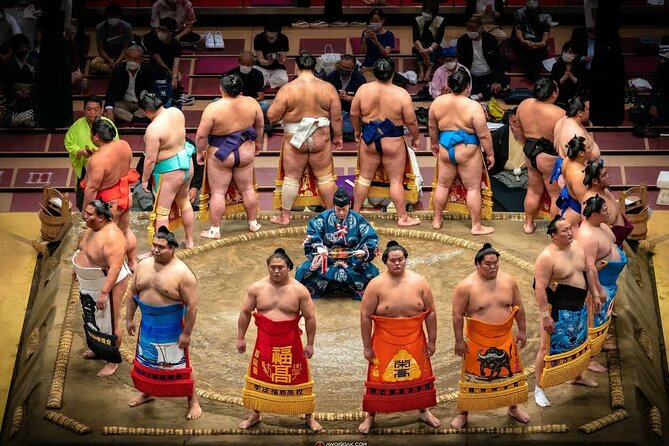
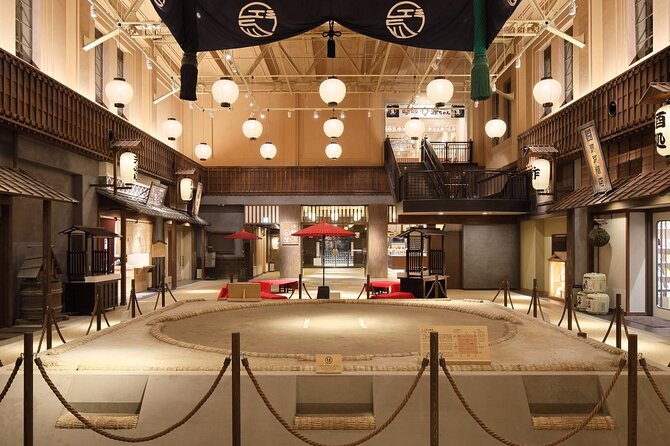
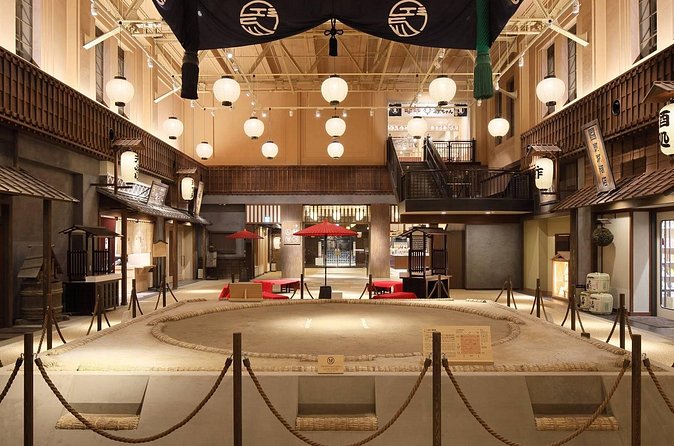
After the museum or stables, the tour shifts into hands-on learning. You stop at Ryogoku Edo Noren, where you stand beside a life-sized sumo ring replica.
This stop is surprisingly useful because it connects the sport’s pageantry to what you actually see during a bout. Your guide explains key rituals like salt throwing and pre-bout preparations. Then you get to try sumo poses, which is a fun way to remember the steps and keep your brain engaged while you absorb the details.
This is also one of those moments where photos make sense. You are not just snapping architecture. You are recreating a recognizable cue from sumo culture, and it helps you walk away with a better mental model of what you are watching later.
Chanko Edosawa and chanko-nabe lunch: the payoff
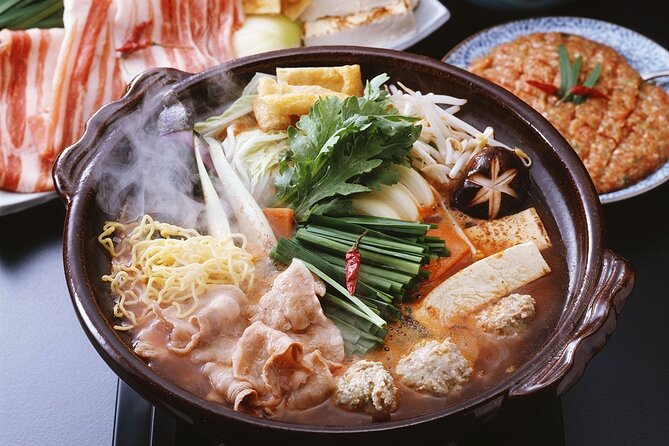
Every sumo tour needs a good ending, and this one delivers with chanko-nabe. You eat at Chanko Edosawa to close out the walk.
The key detail is that each person gets an individual pot. That is a big deal for comfort and pacing. You are not stuck waiting for a shared pot to finish. You also get a more sumo-like feeling, since the goal is to eat as part of a routine.
Chanko-nabe itself is the traditional hotpot meal associated with sumo wrestlers. The tour includes the chanko-nabe set, and additional drinks or extra food are not part of the package. So if you want soda, tea, or beer with lunch, you should plan to pay for it separately.
One more practical note: the specific restaurant can vary based on availability, but the included meal is the chanko-nabe set. Either way, the tour is designed so lunch is the final anchor after the walking and explanations.
Price and value: what you get for about $91
At $91.04 per person for roughly 3 hours, you are paying for three things that are harder to DIY in Tokyo: guided context, a structured walk through the most relevant sumo sites, and a sit-down meal included at the end.
If you were to try to copy this on your own, you would likely spend more time figuring out connections between Ekō-in Temple origins, the monument, the stadium meaning, and what to look for during the rituals. A guide helps you connect the dots while you are still in the right neighborhood, instead of reading after the fact at home.
The meal also improves the math. You get chanko-nabe in individual pots as part of the tour price. That takes decision-making off your plate. In a half day, it is a clean way to end your sumo education.
The small group size is another value signal. The tour caps at 20 people, which usually means you can hear explanations without feeling lost in the crowd.
What you should expect in real life (and what you should not)
Let’s be honest about what this experience is and is not.
Expect
You should expect a guided walking route through Ryōgoku and nearby sumo-linked sites. You will learn the meaning of places and rituals, and you will do at least one activity where you practice sumo poses.
You will also expect a lunch you can actually look forward to. Chanko-nabe is part of the experience design, not a last-minute add-on.
Do not expect
You should not expect tournament seating. The tour does not include entry to the arena seating area during grand tournaments, and without tournament tickets you cannot access that kind of inside view.
You will see Kokugikan from the outside, so your main focus is explanation and context, not stadium touring.
Who this tour suits best
This is a great fit if you fall into one of these buckets:
- You are new to sumo and want to learn what you are seeing, not just memorize names
- You have watched a few bouts and want a better grasp of the pre-bout rituals and why they matter
- You want a Tokyo food moment that connects to the sport, not a generic lunch stop
- You like guided walking in one neighborhood, with a clear flow from past to present
It is less ideal if your top priority is watching live sumo matches from inside the seating bowl. For that, you would need separate tournament tickets. This tour is your best bet for understanding the sport, even on a non-tournament day.
Quick practical tips before you go
- Wear comfortable walking shoes. The tour is a 3-hour walk with multiple stops.
- Go in ready to learn small details. Salt throwing, pre-bout rituals, and the meaning of the banners become a lot more memorable when you hear them where the sport happens.
- If you are picky about lunch timing, know chanko-nabe is the final stop. Plan your other plans around that end-of-tour meal.
- Bring your phone for photos during the ring replica pose practice, since that is specifically part of the experience.
Should you book this sumo history tour with chanko-nabe?
I think it is an easy yes if you want the sport explained in plain language while you walk the places tied to it. The combo of Ryōgoku landmarks, the Ekō-in Temple connection, and the hands-on ring replica makes sumo feel understandable quickly.
Book it especially if you care about value, because the tour price covers the guide, the key stops, and chanko-nabe in individual pots. That is a strong package for a half-day plan.
Skip it or adjust expectations if you want live tournament action in the arena seating. This is about the full story and how to watch, not a seat at a match.
FAQ
How long is the Tokyo Sumo History Tour?
The tour is about 3 hours.
What time does the tour start?
It starts at 10:00 am.
Where is the meeting point?
Meet at 7-Eleven Japan, 130-0015 Tokyo, Sumida City, Yokoami, 1-chōme320 1階.
Is lunch included, and what do I eat?
Yes. You get chanko-nabe lunch, and each guest has their own individual pot. Drinks and extra food are not included.
What happens if the Sumo Museum is closed?
If the Sumo Museum is closed on your day, the guide leads you to two historic stables instead.
Do I get to enter the arena seating area at Kokugikan?
No. Entry to the arena seating area during tournaments is not possible without tickets, and the tour does not include tournament seating access.
What is Edo Noren, and do I get to do anything there?
Edo Noren is a replica sumo ring stop. You learn about salt throwing and pre-bout rituals, then you can try sumo poses for photos.
How large is the group?
The tour has a maximum of 20 travelers.
What is the cancellation policy?
You can cancel for a full refund up to 24 hours before the experience start time. If you cancel less than 24 hours before, the amount paid is not refunded.
More Historical Tours in Tokyo
More Tours in Tokyo




More Tour Reviews in Tokyo


Not for you? Here's more nearby things to do in Tokyo we have reviewed












Tokyo Sumo Experiences, side by side.
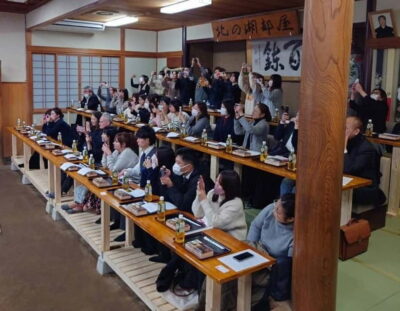 ★ 4.8Sumo Show and Dining ExperienceFrom $792,742 reviews
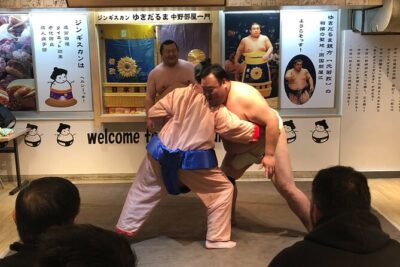 ★ 5.0the SUMO showFrom $891,960 reviews
 ★ 5.0Tokyo Shinjuku Sumo Show & Experience with PhotoFrom $791,750 reviews
 ★ 4.8Sumo Show and Experience in ShinjukuFrom $691,001 reviews
 ★ 4.7Luxury Sumo Show Experience & Japanese cuisine & DrinkFrom $103577 reviews
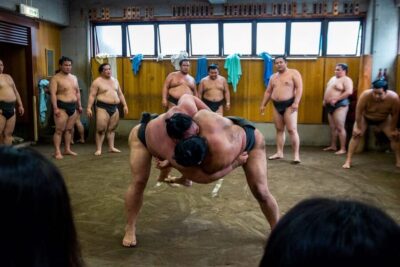 ★ 4.8Sumo Morning Practice Viewing TourFrom $81570 reviews
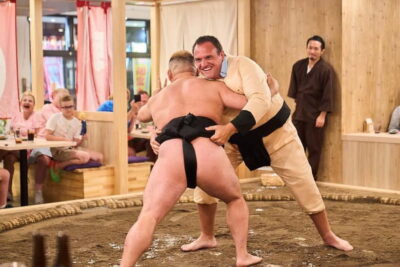 ★ 4.8Tokyo Sumo Experience: Chanko & Mochi with a Former ProFrom $103567 reviews
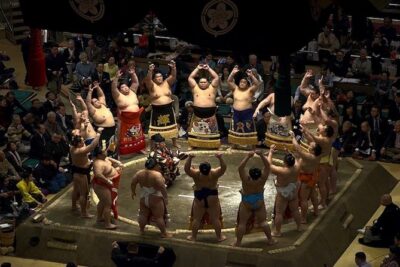 ★ 5.0Ultimate Sumo Tournament: Tokyo, Osaka, Nagoya, FukuokaFrom $184468 reviews
This tour also belongs to