
Review · TOKYO CITY TOURS
Tokyo Wagyu Culinary Tour Cooking Culture and Tasting
Wagyu taught like a craft, not a trick. This Tokyo Wagyu culinary tour turns beef grading, cut choices, and cooking technique into something you can actually use, with a small-group feel and a welcome drink to start you in the right mood.
I especially like the focus on heat control and timing, not just tasting fancy meat. You also get to handle multiple cuts, including sirloin and tenderloin, and learn what each one calls for. The main drawback to consider is the price, since this is a premium class that spends most of its 2 hours on cooking practice rather than sightseeing.
Key points
- Small group size (max 6) means more chances to cook and get help
- Seasonal welcome drink sets the tone before you touch the meat
- Sirloin and tenderloin learning by doing so you understand cuts, not just flavors
- Butchery demonstration gives you a clearer view of how Wagyu is prepped for cooking
- Heat control + timing lessons translate directly to cooking at home
- Pairing drinks with your tastings helps you notice how fat and aroma change the experience
Tokyo Wagyu in 2 Hours: What You’ll Actually Do
This is a hands-on cooking culture class built around one idea: Wagyu is worth learning because you can treat it like a craft. In about 2 hours, you move through a tight sequence that starts with a seasonal welcome drink, then builds up from understanding Wagyu cuts to cooking and tasting them yourself.
What makes this experience especially practical is that it does not treat Wagyu as a mystery meat. You’re taught how to distinguish cuts, how grading matters, and how to handle seasoning and doneness so you do not overcook something that already has plenty going on.
And with a maximum of 6 travelers, you should expect real interaction with the local instructor. For a short class, that matters. It is easy to waste 2 hours in a demo-style tour. Here, the structure is set up so you cook, not just watch.
You can also read our reviews of more food & drink experiences in Tokyo

Welcome Drink and Wagyu Foundations, Including Grading
The tour begins at 3-chōme-25-17 Oshiage, Sumida City, Tokyo, and the first thing you’ll get is a welcome drink inspired by seasonal flavors in Japan. It’s a small start, but it does two useful things: it gets you warmed up, and it reminds you that Wagyu in Japan is part of a broader food rhythm.
Next comes the Wagyu basics. You’ll get an introduction to where Wagyu comes from, what makes it special, and how Wagyu is graded. Even if you already think you know what Wagyu is, I like that this class treats grading as something you can connect to decisions at the stove. Fat content, texture, and melt influence cooking outcomes, so “high quality” is not just a buzzword. It has real impact.
You’ll also learn the care that goes into preparing slices. That “care” piece matters because it changes how the meat behaves in heat. If you want to cook Wagyu at home without stress, this foundation sets you up to understand what you are seeing on your plate.
Cut-by-Cut Breakdown: Sirloin, Tenderloin, and a Butchery Demo
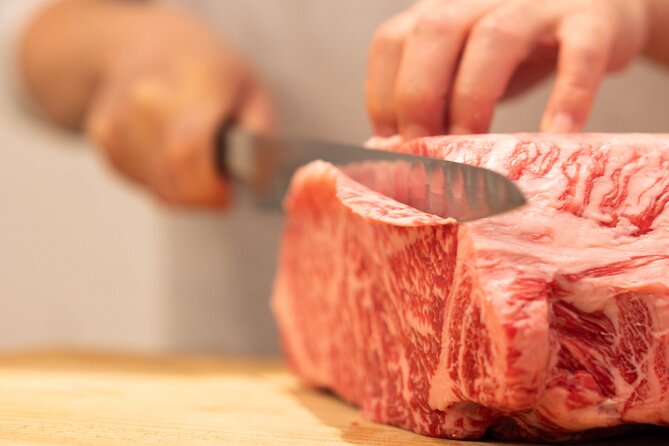
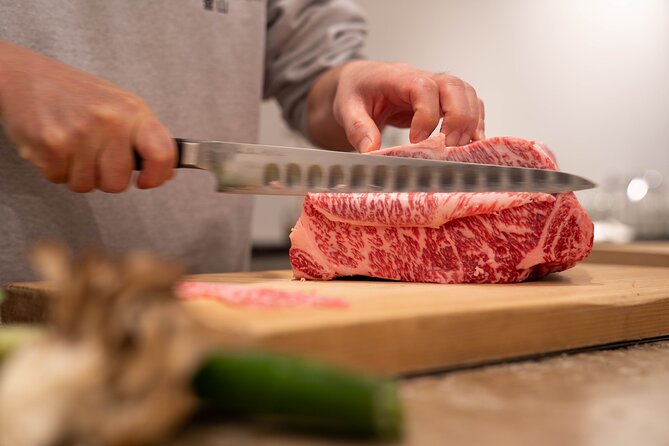
One of the best parts is the cut education. You get shown Wagyu cuts such as sirloin and tenderloin, with explanations of how they differ and what you should do with each.
This matters because people often cook Wagyu like it is all the same. It isn’t. Different cuts bring different thicknesses, textures, and fat distribution. The class helps you connect cut choice to cooking approach, so you learn a method you can reuse when you shop later.
Before the cooking, there’s also a butchery demonstration. Seeing how the cuts get prepared for cooking gives you context you cannot get from a menu. It helps you understand what you’re holding and why the cook’s decisions make sense, especially when you’re later asked to cook your own portions.
If you like food details, this is the section that quietly builds your confidence. You stop thinking, “What do I do?” and start thinking, “This is how this cut behaves.”
Cooking Like Tokyo: Heat Control, Timing, and Seasoning
This is the part that separates a tasting from actual skill. The class runs a cooking demonstration focused on how to cook Wagyu correctly, with special attention to temperature control and timing.
I like that they emphasize what can go wrong at home:
- Too much heat can push Wagyu past the sweet spot
- Wrong timing can flatten the texture you paid for
- Over-seasoning can fight the flavor that already comes from the beef itself
You’ll learn proper seasoning and how to manage heat so the fat renders without turning the meat into something dry or aggressively cooked. In other words, you are learning not just what to do, but why it works.
If you cook at home and want more than vague advice like “cook it medium,” this section is a real payoff. The goal is to give you control. And control is the thing that lets you reproduce good results when you’re not in a class setting.
Your Hands-On Cooking Session, Plus What You Taste
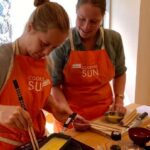
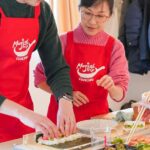
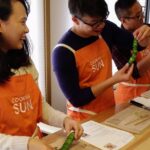
After watching the demo, you get to cook yourself. The experience is set up so you prepare and cook different cuts with chef help, which is exactly what you want in a class this short.
Because the group is capped at 6 travelers, you are less likely to spend the entire time waiting your turn. That turns the experience from entertainment into a skill-building session. You’ll practice the technique they just explained, which is the fastest way to catch errors early.
When the cooking is done, you’ll taste the dishes you made. This is also where the class connects technique to pleasure. Wagyu changes with cooking, and tasting is the feedback loop that shows you the impact of your heat and timing choices.
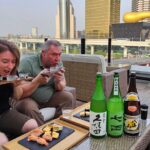
You’ll also get beverages paired with your Wagyu tasting. The pairing is meant to complement the flavor of the meat, which helps you notice differences beyond just “good, rich, fatty.” It’s easier to learn how to cook when you can connect your method to what hits your palate.
If you’re the kind of eater who likes to understand your meal, this tasting format does a smart job. It turns the class into a mini experiment you can repeat at home.
You can also read our reviews of more cooking classes in Tokyo


Tokyo Food Culture: How Wagyu Fits Into the City
The class does not end at the stove. You’ll talk about Wagyu’s role in Japanese culture, tying ingredients to everyday culinary traditions and how people think about meat.
This part is useful because it explains the mindset behind the technique. Wagyu is treated with respect in Japanese cooking, not just because it is expensive, but because the value is in precision and care. That mindset is what the class is trying to transfer to you.
If you enjoy Tokyo beyond ramen lines and shrine photos, this is a food-focused angle that still feels authentically Japanese. It gives you a deeper way to appreciate what you might later see in shops and restaurants: people are not guessing. They’re choosing cuts, watching heat, and adjusting with confidence.
Price and Value: Is $920 Reasonable for a 2-Hour Class?
At $920, this is undeniably a premium experience. The question is whether you’re paying for luxury tasting or for real instruction.
Here’s how I’d judge value based on what this class includes:
You’re paying for:
- Multiple Wagyu cuts, including sirloin and tenderloin, explained with practical context
- A butchery demonstration that gives you structure for what you’re cooking
- Guided cooking practice, not just watching
- A tasting of what you cooked, plus beverage pairings
- A small group size (max 6 travelers) that supports hands-on help
You’re not paying for:
- Long sightseeing time
- A full meal with lots of extra courses (it’s focused and brief)
For some people, $920 will feel steep. For others, it will feel like the most efficient way to learn how to cook Wagyu correctly at home without trial and error.
I also like that one guide name, Mike, shows up in the experience feedback for extra Tokyo recommendations. That kind of add-on advice is not the main reason to book, but it’s a nice bonus. If you’re trying to decide what to do in Tokyo early in your trip, local food and activity pointers can save time later.
Who This Tour Suits Best
This class is a great fit if you:
- Want hands-on cooking instruction for a high-end ingredient
- Like understanding cuts and grading, not just tasting
- Plan to cook at home and want fewer mistakes
- Prefer smaller groups and real interaction
It may be less ideal if you’re:
- On a tight budget, because premium Wagyu classes cost real money
- Expecting a long, walking-heavy food crawl, because this is concentrated and cooking-first
- Avoiding beef entirely, though dietary restrictions can be accommodated if you tell the provider ahead of time
If you’re traveling with dietary needs, let them know in advance. The experience states that accommodations are possible, which is important for any cooking class where ingredients matter.
Practical Details: Meeting Point and Timing That Help You Plan
The meeting point is in Oshiage, Sumida City, at 3-chōme-25-17. The tour starts there and ends back at the meeting point, so you can plan your day without worrying about a complicated drop-off.
The duration is about 2 hours, and you’ll receive confirmation at the time of booking. You’ll also use a mobile ticket.
One more planning note: since it’s cooking-focused, arrive ready to participate. If you want the skills to stick, the best moment is when you’re already in the class flow.
Should You Book the Tokyo Wagyu Culinary Tour?
I’d recommend booking if you want more than a fancy bite. This experience is built around learning cuts, practicing doneness, and cooking with guidance. For the price, it makes the most sense when you see this as a one-time crash course that you can reproduce at home.
Skip it if you’re mainly chasing a bargain or you’d rather spend your Tokyo time on a longer mix of neighborhoods, street food, and guided walking. This class is short, concentrated, and premium, and it earns its cost by giving you hands-on technique and tasting feedback.
If you’re a food traveler who likes to understand what makes a meal work, you’ll leave with practical take-home tips, plus a sharper sense of how Tokyo cooks think about Wagyu.
FAQ
How long is the Tokyo Wagyu Culinary Tour?
It runs for about 2 hours.
What is the group size?
The experience has a maximum of 6 travelers.
Where does the tour start?
It starts at 3-chōme-25-17 Oshiage, Sumida City, Tokyo 131-0045, Japan.
Does this experience include cooking or only tasting?
You’ll cook Wagyu yourself, with chefs’ help, after a cooking demonstration.
What Wagyu cuts do you cover?
The class includes Wagyu cuts such as sirloin and tenderloin, and you’ll cook different cuts during the session.
Are dietary restrictions accommodated?
Yes. If you have dietary restrictions, you should let the provider know so they can accommodate you.
Is there a mobile ticket?
Yes, the tour includes a mobile ticket.
What is the cancellation policy?
There is free cancellation. You can cancel up to 24 hours in advance for a full refund, and cancellations within 24 hours are not refunded.
More Food & Drink Experiences in Tokyo

More Tours in Tokyo




More Tour Reviews in Tokyo


Not for you? Here's more nearby things to do in Tokyo we have reviewed






Tokyo City Tours, side by side.
 ★ 5.01-Day Tokyo Bus TourFrom $12914,250 reviews
 ★ 4.5TOKYO SKYTREE® Admission ticketFrom $1311,192 reviews
 ★ 4.6teamLab Planets TOKYO Digital Art Museum Entry TicketFrom $259,779 reviews
 ★ 4.0Mt Fuji & Hakone Cruise, Drum Show Bullet Train 1 Day from TokyoFrom $1497,413 reviews
 ★ 5.0Shinjuku Food Tour (13 Dishes at 4 Local Eateries)From $866,603 reviews
 ★ 4.4Tokyo Mt Fuji 5th St & Hakone Cruise Bus Tour w/Bullet TrainFrom $1545,024 reviews
 ★ 5.0Flagship 2-Hours Official Street Go-Kart Tour – Tokyo Bay ShopFrom $644,974 reviews
 ★ 4.5From Tokyo: Mount Fuji Full-Day Sightseeing TripFrom $684,970 reviews
This tour also belongs to