
Review · TSUKIJI MARKET TOURS
Tokyo Tsukiji Fish Market Tour and Sushi Making Lesson
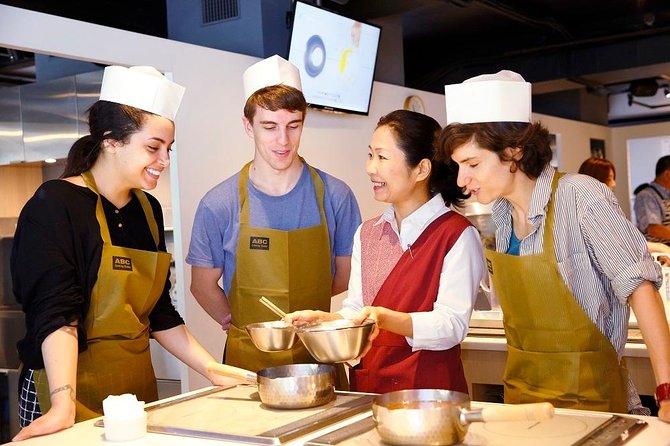
Sushi starts at the market. This Tsukiji Outer Fish Market tour plus ABC Cooking Travel class is a great mix of hands-on cooking and guided tastings, with an English-speaking guide to keep everything clear. I love the small group size, which makes it easier to ask questions, try samples, and get real attention in the kitchen. One thing to flag, there is no tuna auction here, and the market portion can feel short if you were hoping for a long, freeform seafood wander.
You also get a real payoff at the end: you eat what you make, as a proper lunch, not just a quick bite. The cooking happens in a large, structured school environment, so you are not figuring out knife work and sushi steps from scratch. If you want a deep dive into every seafood vendor or a long sit-down tasting crawl, this tour is more about efficiency than endless browsing.
Key takeaways before you go
- English guide support makes the market readable, from what to taste to what you are looking at
- Small groups (max 6) keep the cooking lesson personal, not generic
- Outer market + studio combo gives you both the ingredients story and the hands-on lesson
- Washoku recipes in class typically include sushi roll and tamagoyaki, plus sides
- Lunch with drinks means you finish full, with choices like wine or plum sake
- Seasonal ingredients may vary so your exact menu can differ from what you see in ads
Tsukiji Outer Market plus sushi lessons: why this combo works
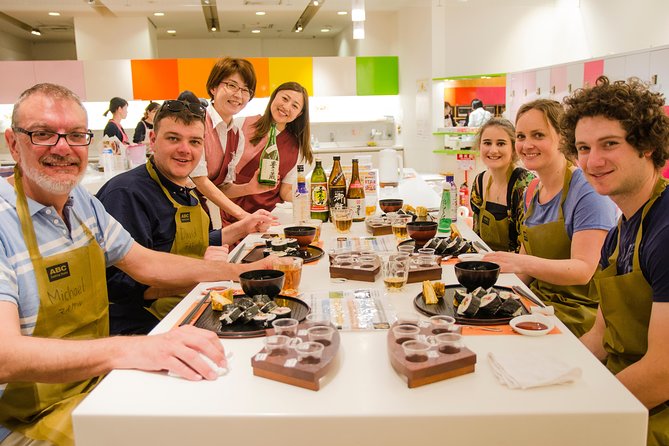
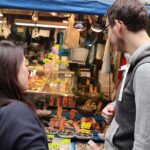
Tsukiji can overwhelm you fast. The aisles are packed, the seafood is intense, and the labels are not made for casual browsers. This is where the tour earns its keep: you get a guide to help you sort what is worth tasting, how to understand what you are seeing, and where to focus your attention.
I especially like the way the experience connects shopping to cooking. You are not just looking at ingredients for pictures, then walking away. You walk the Tsukiji Outer Fish Market first, then head to ABC Cooking Travel to make traditional washoku dishes with the same ingredients in mind, so the lesson actually lands.
The cooking part is also more approachable than many Tokyo cooking classes. The format is designed for people who do not cook at home every week, and the studio setting helps things run smoothly. The main trade-off is time: you are getting a smart sampler, not an all-morning free-market stroll.
You can also read our reviews of more shopping tours in Tokyo
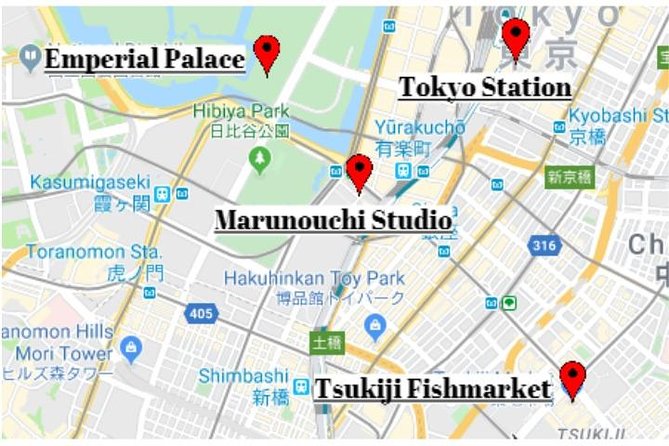
Where the tour starts: Tsukiji Hongan-ji, and how to avoid stress
Your meeting point is just by Tsukiji Hongan-ji Temple, at 3-chōme-15-1 Tsukiji. The temple stop is brief, around 5 minutes, and it is free, but it helps you orient before you step into the market chaos.
Practically, start by building a little buffer into your morning. The area is busy and easy to misjudge if you are already late. Also, this tour does not include hotel pickup, so plan on arriving under your own steam using nearby public transportation.
One more small but important detail: the experience does not allow strollers or luggage. If you are touring with backpacks, keep it light, because you will be moving through crowded lanes.
Outer Market time and tastings: what you will actually see and try
You spend about 1 hour at the outer market, and the tour may spend around 70 minutes there. That is enough time to get a solid sense of the place, sample local snacks, and learn what you are looking at without feeling like you missed everything.
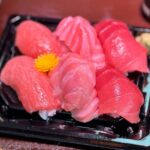
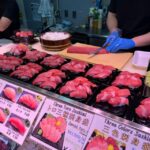
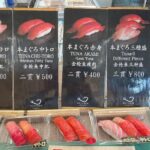
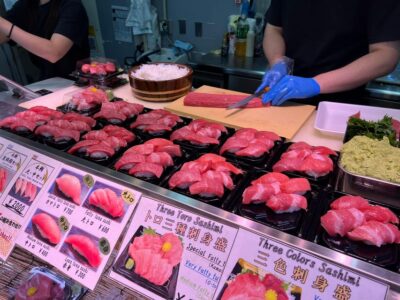
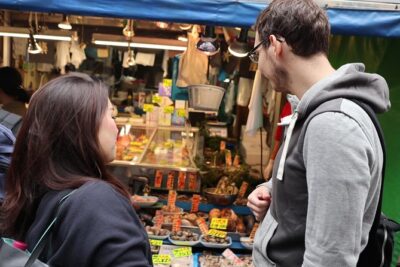
Expect a real seafood wow-factor. The outer market is known for everything from big cuts of tuna to sea urchin and octopus displayed for sale. You will also notice vendors selling dried items and specialty ingredients, which is where a lot of the flavor and snack opportunities come from.
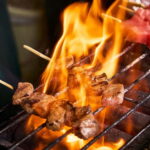
Tasting is a big part of the value. In past groups, tastings have included items like dried soy beans, dried scallops, and sweet mochi options such as red bean mochi with strawberries. Some tours also include small local spicy snacks like dried crab-type crackers. Exact items can change by season and what the market has that day, so do not plan your breakfast around one specific bite.
If you are picky about seafood, you should know that the market theme is seafood first. You might still enjoy the tour by focusing on non-raw snacks and by taking advantage of the option to request alternate ingredients for cooking.
The walk to the kitchen: ABC Cooking Travel and what to expect
After the market, you head to ABC Cooking Travel, the cooking studio network. You will get transportation between the market area and the studio, and the ride is typically short, often described as a bus transfer. Some groups also mention a chance to pass through the Ginza shopping area on the way, which feels like a clean contrast from the market intensity.
This part matters because it changes the pace. The market is fast and noisy, then you shift into a bright, organized classroom where the steps are laid out. Several reviews call out how clean and well-run the studio is, and that is exactly what you want on a hands-on food day.
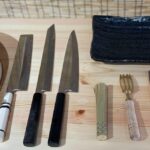
Your kit includes a provided apron, drinking water at the studio, and an instructor-led cooking session. You are not left to guess measurements or timing, which is a common problem in DIY cooking classes.
What you cook in class: sushi roll, tamagoyaki, and washoku sides
You learn two washoku recipes, and it typically includes:
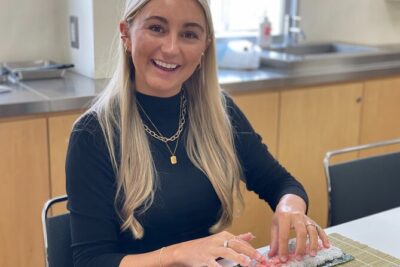
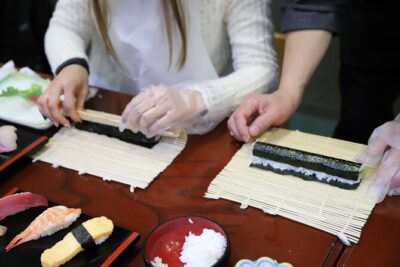
- a sushi roll
- tamagoyaki, the Japanese-style rolled omelet
Then you usually add side dishes that round out the meal.
In other words, you get both the fun visible skill and the comforting everyday technique. Sushi rolls teach assembly and rice handling, while tamagoyaki teaches patience, heat control, and layering. If you have ever watched tamagoyaki made on TV, this is one of the few ways you get your hands on it instead of just staring.
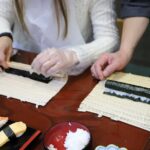
Cooking steps vary a bit by session, but multiple past classes have included things like making sushi components such as nigiri, plus learning how to make stock and miso soup. That matters for you if you want more than one trick, because the goal is to leave with a small toolkit you can reuse at home.
The instructors and cooking teachers are a major reason this works. English support has been a standout in reviews, and I have seen instructors named like Miwako, Masayo, Miwa, and Hiromi. For market guidance, guides mentioned include Miho, Akiko, Lucy, Nobu, Shitomi, and Yoko. Even when accents vary, the key is that you can ask follow-up questions and keep cooking without confusion.
More Tokyo tours and experiences for the shortlist
Eating what you made: lunch, wine or plum sake, and why it feels complete
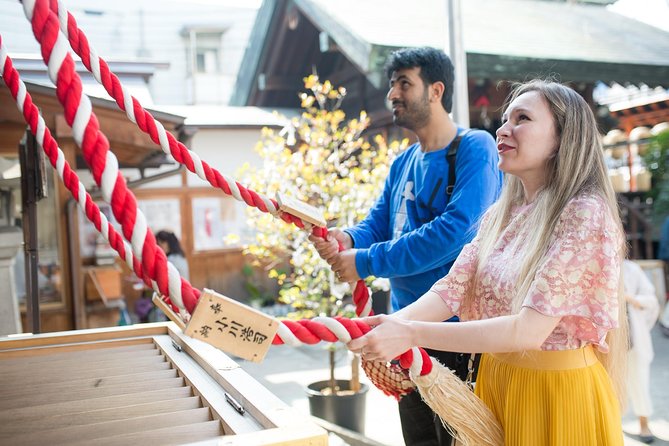
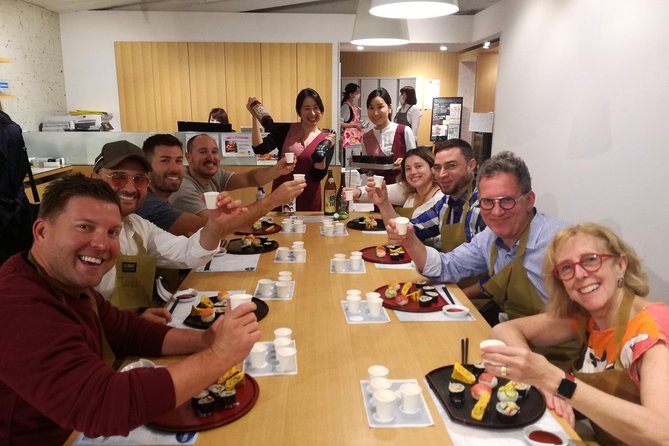
Most cooking classes end with a few bites. This one is different. After you make your dishes, you sit down and eat your creations for lunch, so you get the satisfaction loop from start to finish.
Your meal can come with drinks. You can choose wine, plum sake, or soft drinks to go with lunch. That turns the session into a true meal experience rather than a classroom exercise that happens to involve food.
You will likely notice a big difference in taste compared with supermarket sushi or takeout. Part of it is freshness, part is technique, and part is that you understand what is supposed to happen next in the process. When you finally taste, the whole workflow makes sense.
And if you like recipes you can repeat, you are in luck. Many people come away wanting to recreate tamagoyaki and rolled sushi at home, since those are clear, repeatable skills once you have done them once.
Price and timing: is $99.49 worth 3 hours?
At $99.49 per person for about 3 hours, this is not a cheap impulse buy, but the structure supports the price. You are paying for:
- an English-speaking guide in the market
- entry-style stops that are free, like the temple and outer market browsing
- transportation between the market and the studio
- a small-group cooking lesson with instruction
- the materials and basics in class (apron, water)
- lunch that you eat, plus optional drinks
The biggest value driver is the combo itself. Doing Tsukiji on your own is fun, but it is easy to feel lost. Doing sushi-making in a studio alone can feel like a workshop, but here you also get context for ingredients and traditions. If you were going to spend money on a market tour and then a separate cooking class anyway, this bundling approach often ends up feeling efficient.
The timing is also practical. Three hours is long enough to do something real, but short enough that you can still enjoy the rest of Tokyo afterward without blowing your whole day.
Who this is perfect for, and who may find it too short
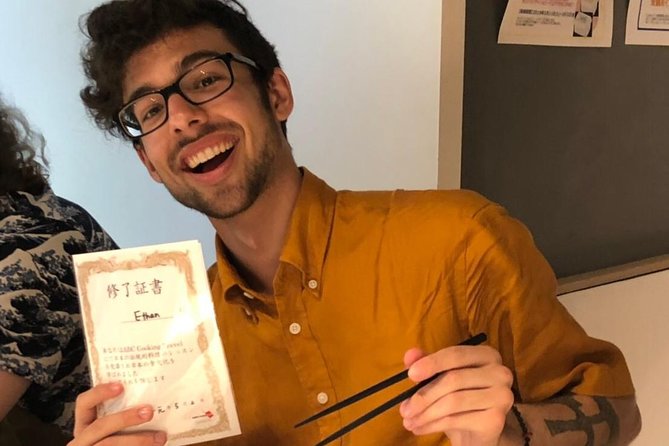
This experience is best for you if:
- you like eating as much as cooking
- you want an English guide to make the market easier
- you want a small-group class where you can actually get help
- you want to learn tamagoyaki and sushi rolling, not just watch someone else work
It is also a solid pick for families with older kids, with a minimum age of 9 and minimum height of 130 cm. The no-stroller and no-luggage rule helps keep the group moving, which is good for timing, but you should plan accordingly.
You might want to think twice if:
- you were hoping for the tuna auction, because it is not included
- you want a long, self-paced seafood marathon
- you already cook sushi confidently and want deeper advanced technique
In those cases, you can still enjoy the studio, but the market portion may feel like a quick orientation rather than a full shopping expedition.
Should you book this Tsukiji fish market and sushi making tour?
If your goal is a memorable Tokyo morning that connects what you see in Tsukiji to what you actually cook and eat, I think this is a smart booking. The small group size, the English support, and the hands-on washoku lesson with lunch make it feel like value, not a tourist performance.
Book it if you want tamagoyaki and sushi rolling you can repeat, plus a guide to help you pick tastings without guessing. Skip it if you mainly want the biggest seafood spectacle possible, especially the tuna auction, or if you hate seafood-heavy themes.
If you go in hungry, comfortable asking questions, and ready to cook, you will leave with both skills and a full stomach. That is the point.
More Shopping Tours in Tokyo
More Tours in Tokyo




More Tour Reviews in Tokyo


Not for you? Here's more nearby things to do in Tokyo we have reviewed






Tsukiji Market Tours, side by side.
 ★ 5.0Tokyo Tsukiji Fish Market Food and Culture Walking TourFrom $993,184 reviews
 ★ 5.0Tsukiji Fish Market Food and Walking tourFrom $301,724 reviews
 ★ 4.9Tsukiji Fish Market Guided Walking TourFrom $221,397 reviews
 ★ 5.0Tokyo Sushi Making Class in Tsukiji with Professional ChefFrom $491,177 reviews
 ★ 5.0Tsukiji Fish Market Guided Tour and Sushi Making with Pro ChefFrom $104775 reviews
★ 4.7Tsukiji Fish Market Food and Culture Walking TourFrom $96757 reviews
★ 5.0Tsukiji Fish Market Guided Tour and Sushi Making with Pro ChefFrom $104775 reviews
★ 4.7Tsukiji Fish Market Food and Culture Walking TourFrom $96757 reviews
 ★ 5.0Tsukiji Fish Market: Street Food & Culture Walking TourFrom $33669 reviews
 ★ 5.0Tsukiji Fish Market Small-Group Food Walking TourFrom $87621 reviews
This tour also belongs to