
Review · TOKYO CITY TOURS
Half-Day Local Tokyo Tour in Adachi Market and Shibamata
Tokyo has a quieter side for seafood lovers. This half-day small-group walk pairs Adachi Fish Market with Shibamata, a classic Edo-style river town where Taishakuten temple carvings steal the show. You’ll start at Senju Ohashi, take the one-way train to Shibamata, and then spend your time on market stalls and old streets instead of major tourist lines.
I especially like two parts: first, the fish market feels real and focused, with stalls offering fresh sashimi and sushi and seafood variety. Second, Shibamata has strong visual payoff, from the movie-famous Mr. Tora nod to Taishakuten’s lotus-sutra wood sculptures and the ikebana garden details. One drawback to think about up front is that food and drinks are not included, so you may want a budget or a plan for snacks and a drink on your own.
Key Takeaways Before You Go
- A specialized seafood market in Tokyo that’s built around marine products, not sightseeing.
- Small group size of up to eight, so you can hear the guide and move at a human pace.
- One-way train fare included from Senju Ohashi to Shibamata, which saves time figuring it out.
- Taishakuten Daikyoji Temple with tightly arranged wood-carved sculptures tied to the Lotus Sutra.
- Taishakuten-Sando (200 meters) for a quick hit of old-street shopping and buckwheat noodle spots.
- Guides like Kaori, Mutsuko, Megumi, Masayo, Yumi, Mana, Yoshimi, and Fumiko get praised for clear, friendly explanations.
Adachi Fish Market in the Morning, Not the Big-Name Crowd
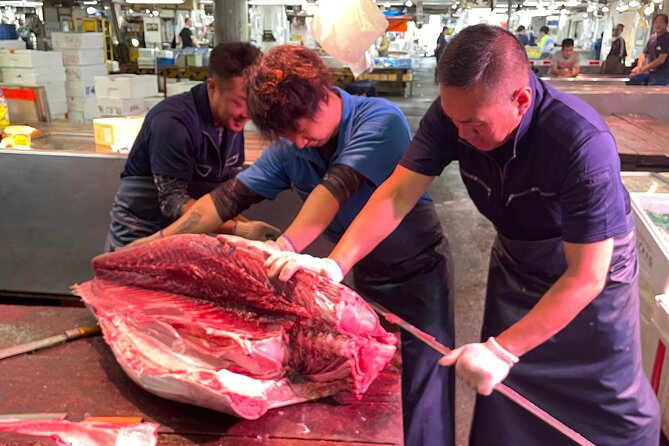
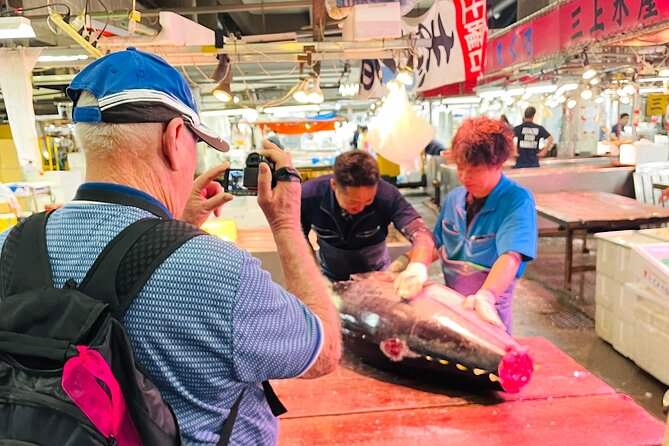
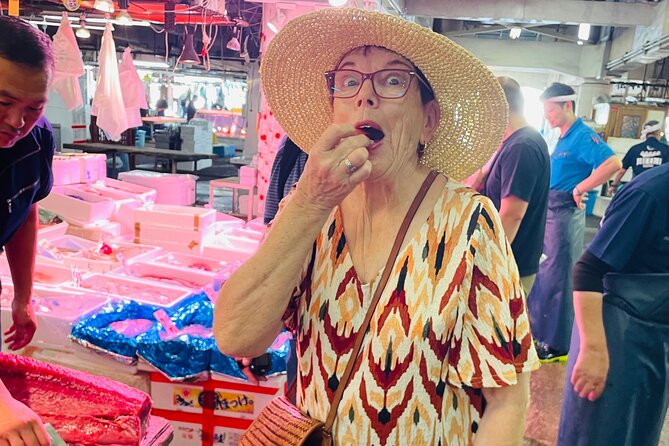
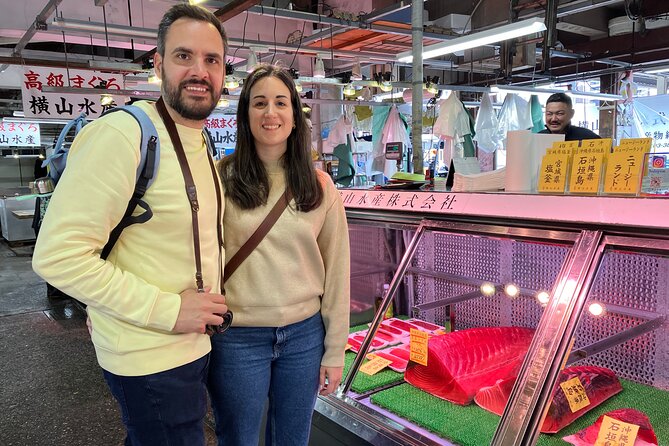
If you want fish without the Tsukiji-style circus, this is a smart swap. Adachi Fish Market (Central Market Adachi Shijo) is Tokyo’s only specialized marine products market, which means your morning is centered on the good stuff: seafood stalls where you’ll see fresh offerings like sashimi and sushi. It runs for about one hour on the tour, enough time to look closely and still keep the day moving.
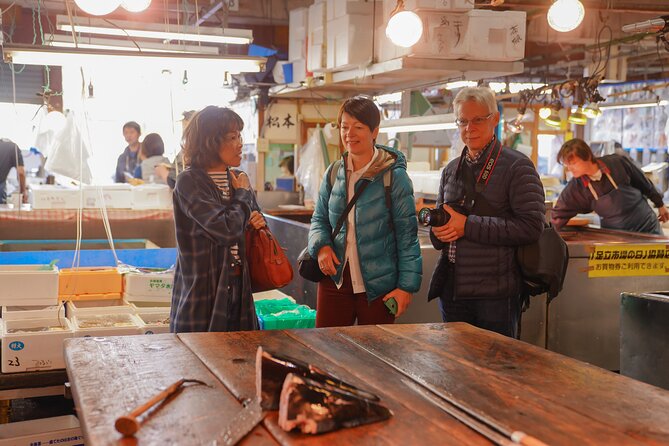
What I like most is how the market experience stays practical. You’re not just drifting past souvenir stuff. This is about watching how a working market looks and feels, from the density of stalls to the sheer variety of fish. One of the more specific details that shows up in guide feedback is that you may spot standout items like large tuna, along with a mix of seafood types that makes the market feel genuinely special.
Another plus for your comfort: the tour is designed as a half-day with a clear flow. That matters because markets can be physically and mentally “busy,” especially if you’re walking in the morning. Wearing comfortable shoes helps you enjoy the browsing without turning it into an endurance test.
One thing to plan for: you’re visiting a market area, but food isn’t included. If you’re the kind of traveler who wants to try snacks right there, bring a little extra money and decide in the moment. Also, market stalls can be hectic, so it helps to keep your phone put away until you’re ready to move to the next spot.
You can also read our reviews of more shopping tours in Tokyo


Shibamata Town Walk: Edo-Style Streets by the Edogawa River
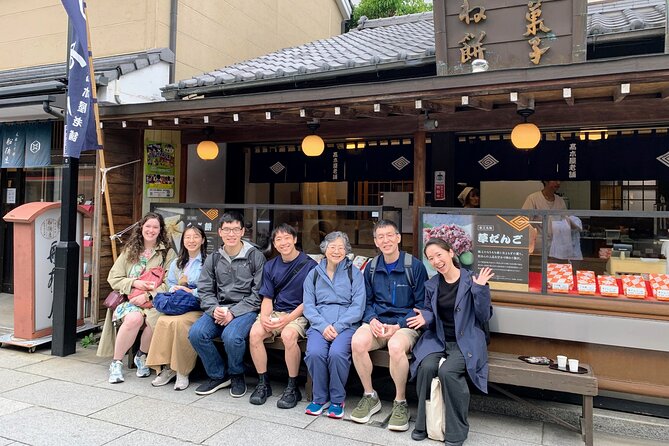
After the market, Shibamata shifts the mood. This old-style town sits along the Edogawa River, and the timing of the tour lets you see the neighborhood without feeling like you’re late to the party. You’ll have about 30 minutes in the area to take in the atmosphere and slow down a bit.
The value here is simple: you get an authentic-feeling neighborhood where daily life seems to still matter. Shibamata isn’t just temple and shopping. It’s a riverside town texture, with streets that feel built for strolling rather than rushing through a checklist.
You also get a quick cultural and pop-culture bridge: the tour includes a stop to walk by the bronze statue related to Mr. Tora from the Otoko wa Tsuraiyo movie series. It’s only a few minutes, but it’s exactly the kind of detail that turns a walk into a memory you’ll actually talk about later.
If you’re traveling with someone who likes stories and local references, this is an easy win. It also gives you a reason to look at small things with attention, like storefront rhythms and street views, instead of treating it all as background scenery.
Taishakuten-Sando: A Short 200 Meters of Snacks and Old-Street Charm
The walk to Taishakuten is short but effective. The Taishakuten-Sando stretch is about 200 meters from Shibamata Station to the temple, and it’s where you’ll see the classic rhythm of Japanese street shopping: sweet shops, snack-style stops, and buckwheat noodle options. The time set aside is about 20 minutes, so think of this as your “choose-your-own-adventure” window.
This is a good moment to decide what you want to spend on. Since the tour does not include food and drinks, your personal taste matters here. If you want a simple snack, you can pick one item and keep moving. If you want to sit for something, you’ll likely need to be quick so you don’t feel rushed later at the temple.
A practical tip: keep your shopping light. You’re doing a walking route through multiple stops, and Taishakuten also has areas that reward careful looking. Small purchases are easier than bags.
What I like about this portion is that it’s tightly timed. You don’t lose half the tour to indecision or line-ups. You get the street vibe, then you move right into the temple highlights.
Taishakuten Daikyoji Temple: Lotus Sutra Wood Carvings and IkeBana Garden Moments
Now for the main visual payoff. Taishakuten (Taishakuten Daikyoji Temple) takes about 40 minutes, and the focus is very specific: wood-carved sculptures tightly installed around the main hall, with scenes covering the Lotus Sutra story. Even if you don’t know the story ahead of time, the craftsmanship is easy to appreciate. The carvings are described as intricate and precise, and you can feel that in the way they’re arranged so you notice details as you move.
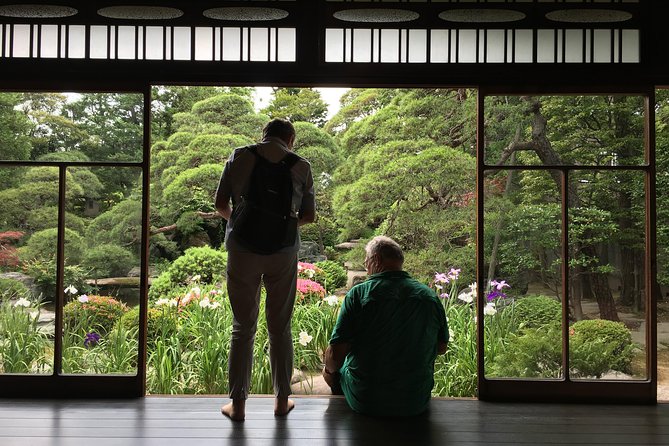
Another highlight is the mention of an ikebana garden. That’s a smart pairing with the carved sculptures because it gives your eyes a different type of attention. Wood carvings ask you to look close and slow down. A garden can shift you back to a calmer pace.
When I’m planning temple time, I care about pacing. This stop is long enough to appreciate the detail, but it doesn’t drag. You’re not trapped in a long, unstructured wandering session. The tour structure helps you get meaningful viewing time without turning the day into “see everything, remember nothing.”
One consideration: temples can involve uneven or stone surfaces, depending on the area. Comfortable shoes matter here too, especially if you’re balancing a morning market walk with a careful temple visit.
Yamamototei Stop: The Japanese-Western Architecture Twist
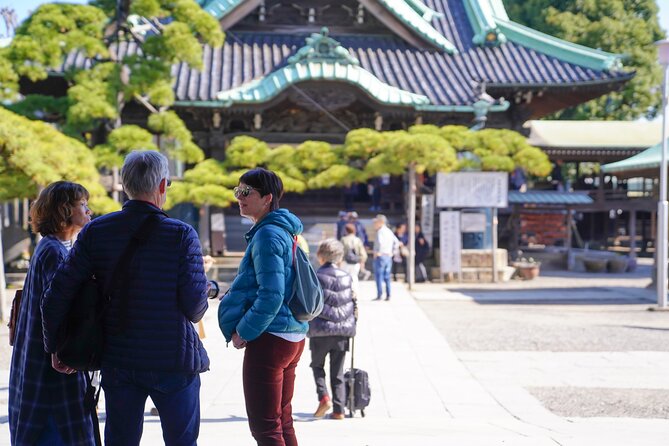
After the temple experience, you’ll visit Yamamototei for about 30 minutes. This stop is interesting because it’s not only traditional temple architecture. It’s described as a two-story building with a combined Japanese and Western style, incorporating Western elements into what is still a shrine-related setting.
The tour includes admission for this stop, which is a nice detail because it means you won’t be scrambling for tickets while your group is moving. The building also features a Nagayamon with a unique Western-style appearance. That kind of design contrast is one of those “only in Japan” details that makes Shibamata feel layered rather than stuck in one time period.
If you like architecture and visual contrasts, Yamamototei is a worthwhile add-on. If you’re purely chasing the biggest temple sights, it still works because it gives you a different subject to look at when your eyes have already taken in a lot of woodwork.
More Tokyo tours and experiences for the shortlist


Guide Style Matters: Clear Explanations, Friendly Pace, and Local Context
This tour is small, max eight people, and you feel it in the way the morning moves. A group this size is ideal for questions, and it also helps you stay on track through the market and into Shibamata.
The guides have a strong reputation for clear, easy-to-understand language and a personable approach. Names that show up in past groups include Kaori, Mutsuko, Megumi, Masayo, Yumi, Mana, Yoshimi, and Fumiko. The common thread is that you’re not left with vague directions. You get context while you’re standing in front of the thing, whether it’s the market layout, the meaning behind temple elements, or what to look for along the street.
That matters because Japanese cultural sites can feel complicated if you only have signage to work from. A good guide turns “I saw carvings” into “I know what I’m looking at.” Even when you don’t get every detail, it makes your viewing more satisfying.
You’ll also likely appreciate the way the tour keeps momentum without rushing. The flow from market to Shibamata to Taishakuten works because each block has a clear purpose and time allotment, so you don’t lose yourself and end up exhausted before the best part.
Price and Value for a 4.5-Hour Half-Day Tour
At $91.96 per person for about 4 hours 30 minutes, this tour isn’t the cheapest option in Tokyo. But it’s also not priced like a long private day. It lands in the “you pay for convenience and guidance” category, and you do get several practical things that add real value.
Here’s what’s included:
- Professional guide and small-group walking tour
- Local taxes
- One-way train fare from Senju Ohashi to Shibamata Station
- Admission where applicable, including the Yamamototei entry
- The tour uses a mobile ticket system and includes instant confirmation
The biggest value for me is the combination of transport help plus expert interpretation. Without a guided flow, you could visit Adachi Market and Shibamata on your own, but you’d spend extra time figuring routes, deciding what matters most, and translating what you’re seeing. In a half-day, saving that mental load is worth something.
The one real budget flag is food and drinks are not included. If you plan to snack at Taishakuten-Sando or want a sit-down meal after the tour ends, factor that into your day. Also, since you start early, it helps to have a basic plan for what you’ll eat and when, even if the market is your visual highlight rather than your dining destination.
If you enjoy local neighborhoods, don’t care about doing the biggest-name tourist fish market, and want a guide to translate culture while you walk, this price can feel fair.
Getting There and Timing: An 8:00 AM Start That Works
The tour starts at 8:00 am at Senju Hashidocho, near Senjuhashidocho Station, and ends at Shibamata Station. The early start is part of the appeal because it gives you calmer transitions. You also get the market experience in the morning block, then you move into Shibamata when you’re ready for street and temple viewing.
The one-way train fare is included, so you won’t need to purchase and calculate transit for the main connection between areas. It also makes your arrival stress level lower. You show up, meet the group, and you’re on rails for the key part of the plan.
For your comfort, plan on a walking day. You move through the market, a town stroll, a short street segment, and a temple area. That means shoes and weather matter. You also have a limited time window overall, so it helps to arrive at the meeting point with a buffer.
If you’re sensitive to early mornings, think of this as an “early start, big payoff” half-day. Tokyo can be exhausting, and this format helps you squeeze in something local without committing to a full day of sightseeing.
Who This Tour Suits Best (And Who Might Skip It)
This tour is a great match if you want:
- A local seafood market experience that doesn’t focus on famous tourist crowds
- Shibamata’s traditional streets and temple sights in a single half-day plan
- A small group with a guide who can explain what you’re seeing in clear language
- A quick pop-culture touch with Mr. Tora without turning the trip into a theme park
It might not be the best fit if you:
- Want a food-heavy experience with tastings included. Food and drinks are not part of the package.
- Prefer totally self-guided wandering with no set time blocks. This tour is structured and efficient by design.
If you’re traveling with family, the small group can be an advantage because it keeps things manageable. The market and temple segments also work well for kids who enjoy looking and being told what things are.
Should You Book Adachi Fish Market and Shibamata?
I’d book it if you want to see a quieter Tokyo slice with real texture, not just major sights. The combo makes sense: Adachi Fish Market gives you a focused seafood look, and Shibamata gives you old-street walking plus Taishakuten’s striking carvings and garden detail. You’re also paying for a guide and included train fare, which helps you use your limited time well.
Book if you’re happy to manage your own snacks and drinks. If you want everything handled for you, this one will still be enjoyable, but you should expect to spend a little extra on the street food moment.
If your Tokyo plan already includes big-name markets and major attractions, this tour is a clean way to add something different without stretching your schedule.
More Shopping Tours in Tokyo
More Tours in Tokyo



More Tour Reviews in Tokyo

Not for you? Here's more nearby things to do in Tokyo we have reviewed








Tokyo City Tours, side by side.
 ★ 5.01-Day Tokyo Bus TourFrom $12914,250 reviews
 ★ 4.5TOKYO SKYTREE® Admission ticketFrom $1311,192 reviews
 ★ 4.6teamLab Planets TOKYO Digital Art Museum Entry TicketFrom $259,779 reviews
 ★ 4.0Mt Fuji & Hakone Cruise, Drum Show Bullet Train 1 Day from TokyoFrom $1497,413 reviews
 ★ 5.0Shinjuku Food Tour (13 Dishes at 4 Local Eateries)From $866,603 reviews
 ★ 4.4Tokyo Mt Fuji 5th St & Hakone Cruise Bus Tour w/Bullet TrainFrom $1545,024 reviews
 ★ 5.0Flagship 2-Hours Official Street Go-Kart Tour – Tokyo Bay ShopFrom $644,974 reviews
 ★ 4.5From Tokyo: Mount Fuji Full-Day Sightseeing TripFrom $684,970 reviews
This tour also belongs to