
Review · TSUKIJI MARKET TOURS
Tokyo: Tsukiji Fish Market Tour with 6 Stops & Seafood Lunch
Tsukiji is sensory overload for seafood lovers. I love the temple-and-shrine culture mix before you hit the market, and I love that the tour builds to a sit-down seafood donburi meal. One drawback to plan for, the market can feel tight and fast-moving when it gets crowded.
You’ll walk Tsukiji the way most visitors cannot, with a guide who keeps the group together and points you to stalls worth stopping at. Many guides also help with practical decisions, like what to try and where to eat, and some even help with transport after the tour.
Key Points That Make This Tour Worth Your Time
- Tsukiji Hongan-ji starts you with real Japanese worship etiquette, not just photo ops.
- 5+ food tastings across the Outer Market, including classic bites people actually line up for.
- Namiyoke Inari Jinja adds a spiritual break that fits the food theme in an unexpectedly good way.
- Seafood donburi lunch gives you a proper sit-down, with a stated vegetarian option but a conflicting note to confirm.
- Shiodome Media Tower view from the 46th-floor style perspective helps you understand where you are in Tokyo.
Tsukiji Hongan-ji: The Spiritual Warm-Up Before the Seafood
Most Tokyo food tours jump straight to eating. This one eases you in with a visit to Tsukiji Hongan-ji, a Buddhist temple known for its long presence in the area. You get about 20 minutes here, guided, with the focus on worship traditions and basic etiquette.
That matters more than it sounds. Tsukiji can be loud and hectic, and starting at a temple gives you a different rhythm. You also see a side of Japanese culture that is tied to daily life, not something fenced off for tourists.
One practical point I like: you learn what to do when everyone around you seems to be moving with purpose. Even if you do not memorize the details, you’ll walk into the market with better manners and less awkwardness. People have specifically appreciated that guides explain etiquette clearly, so this stop tends to land well even if you are not religious.
You can also read our reviews of more shopping tours in Tokyo
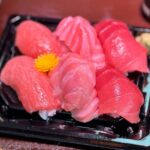
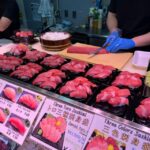
Navigating Tsukiji Outer Market: Tastings, Shopping, and Staying Together
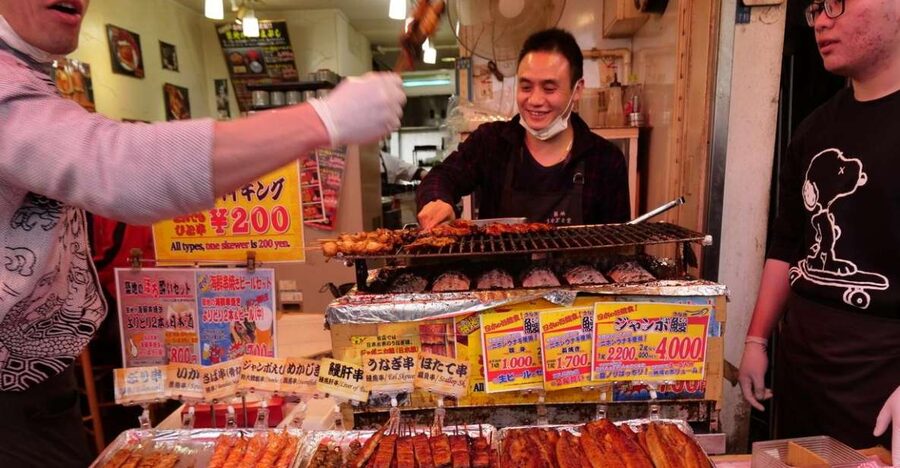
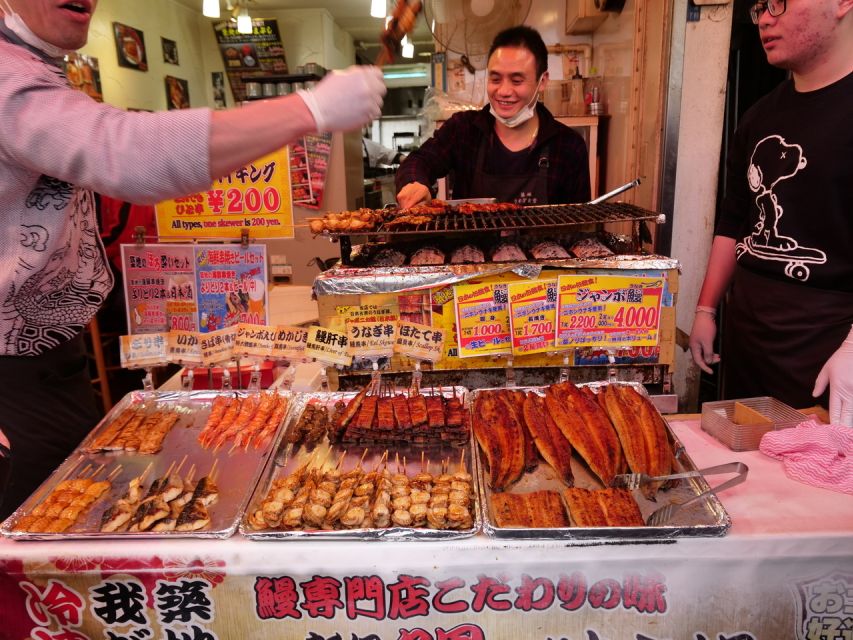
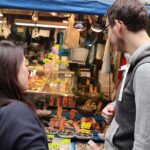
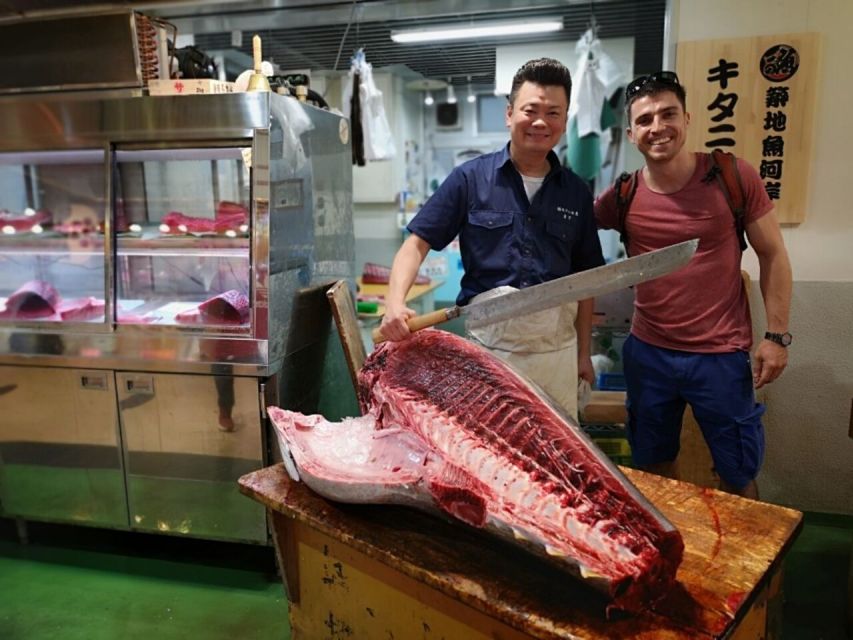
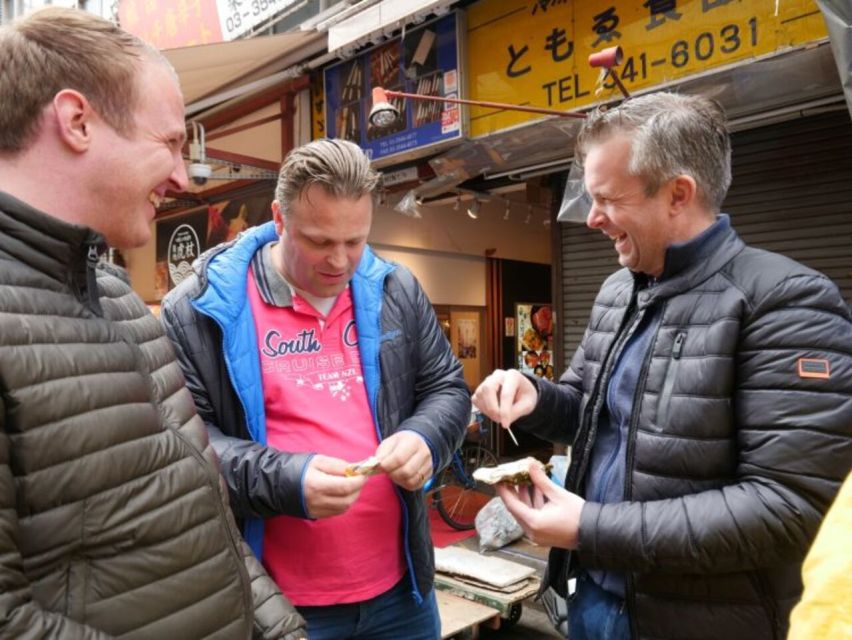
Then you hit the Tsukiji Outer Market, about an hour of guided walking with shopping time and multiple tastings. This is where the tour makes its money back, because you do not just browse. You stop, taste, and get coached on what to pick and when.
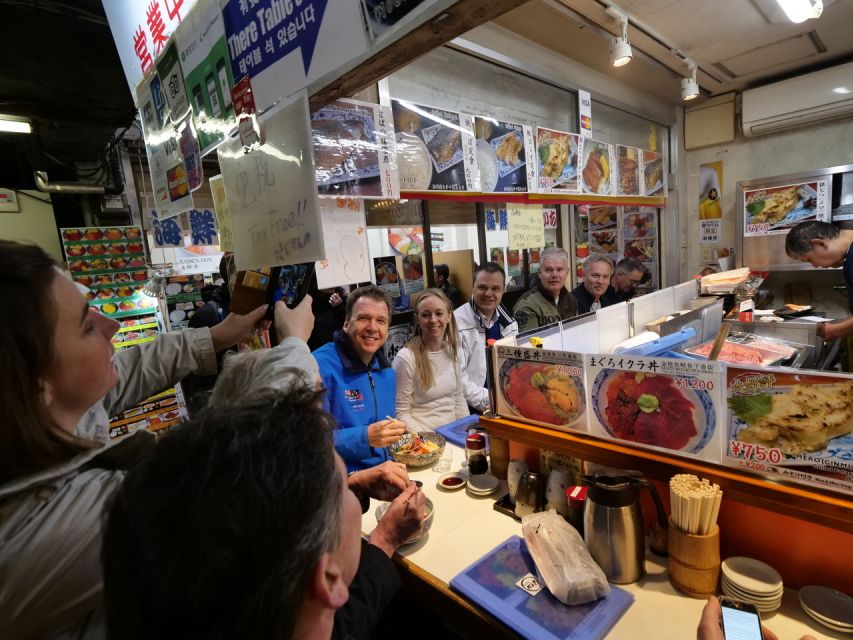
The market experience is not quiet. It is crowded, narrow, and full of smells that hit before you can even decide what you want. A guide helps you avoid the classic mistakes: drifting too far, missing the best stalls, or standing around too long while the group moves on.
What you might taste can include things like:
- tuna sushi and sashimi-style bites
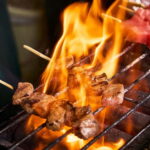
- grilled eel skewer (often called unagi)
- rolled omelet
- custard-filled mochi
- oysters, when available at the stops you pass
You do not need to be a hardcore foodie. The tastings spread across different stalls, so you get variety without committing to a big purchase right away. And if you want to buy seasonings or small food items, the shopping time is built into the walk.
Two heads up from a value standpoint:
1) Bring some cash. Street food and small purchases are often cash-friendly.
2) Photos are not the only goal. The best photos come when you pause for food, not when you sprint after shots. The tour is designed for that balance.
Namiyoke Inari Jinja: A Breather That Helps the Whole Tour Make Sense
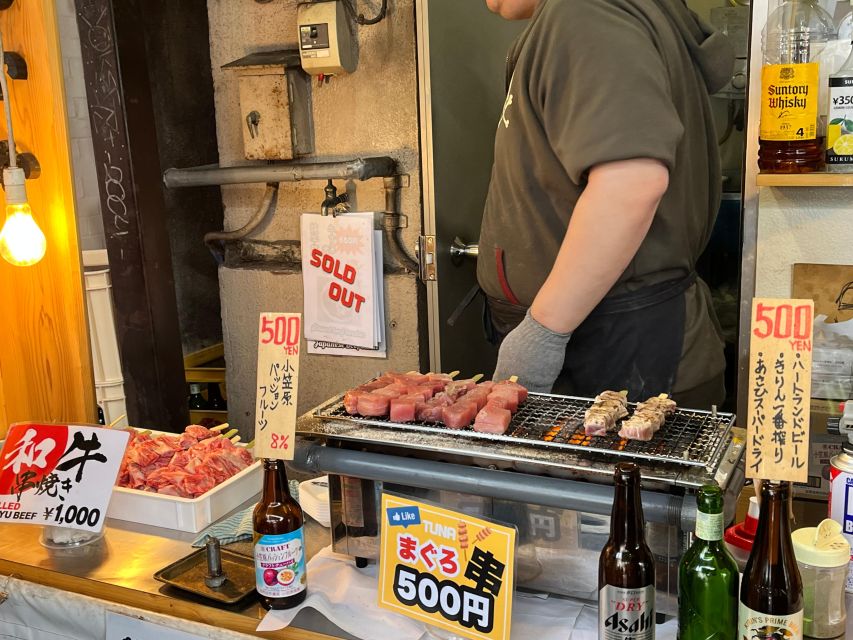
Between market walking and your lunch stop, you add Namiyoke Inari Jinja for about 20 minutes. This shrine visit is not random. It acts like a reset button.
Inari shrines connect to daily habits and beliefs, and walking from a seafood-focused place into a shrine makes the overall story feel more complete. You learn a bit about how Japanese worship works in real settings, then you get back to food with a clearer head.
This stop also helps families and first-timers. It breaks up the senses before lunch, so you do not feel like your whole morning is one long snack sprint.
Seafood Donburi Lunch: The Best Part to Plan Your Appetite For
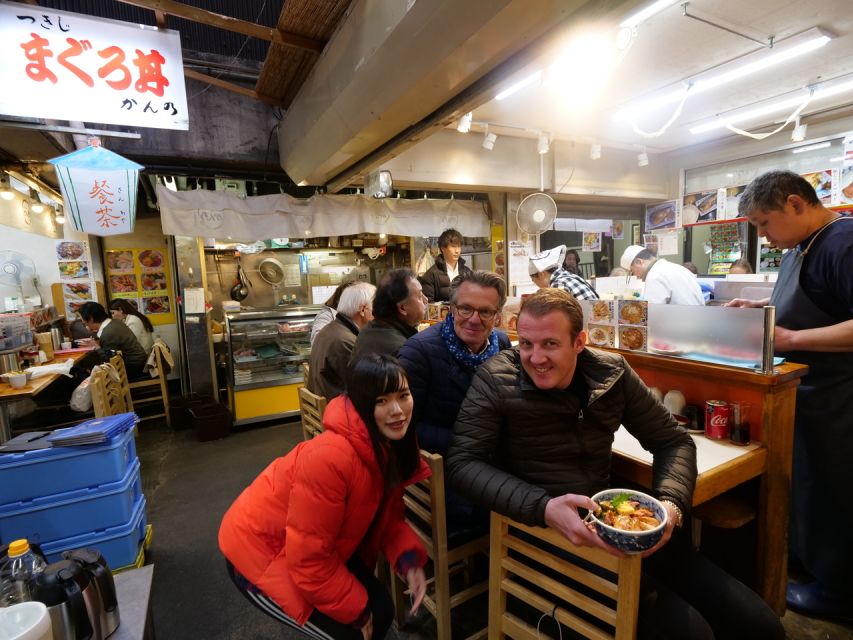
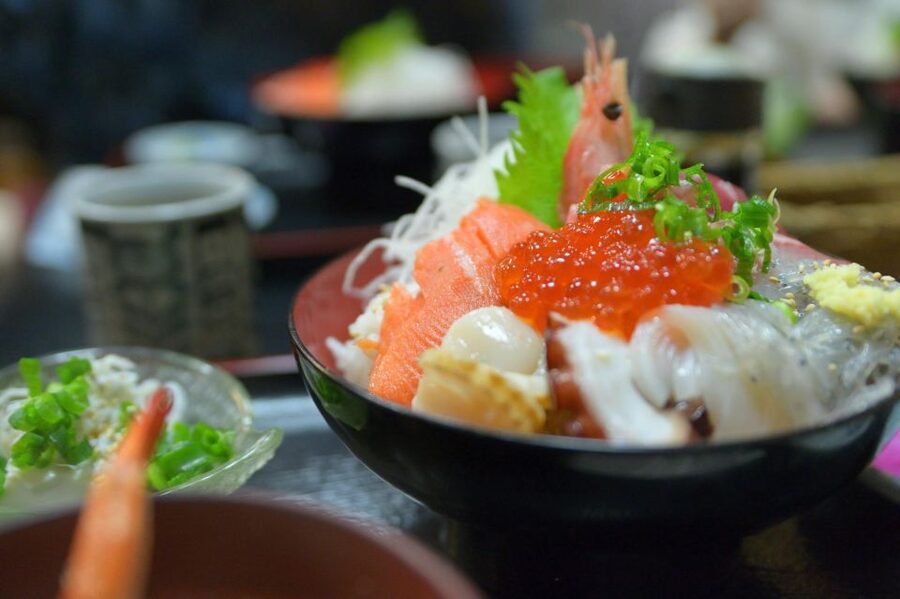
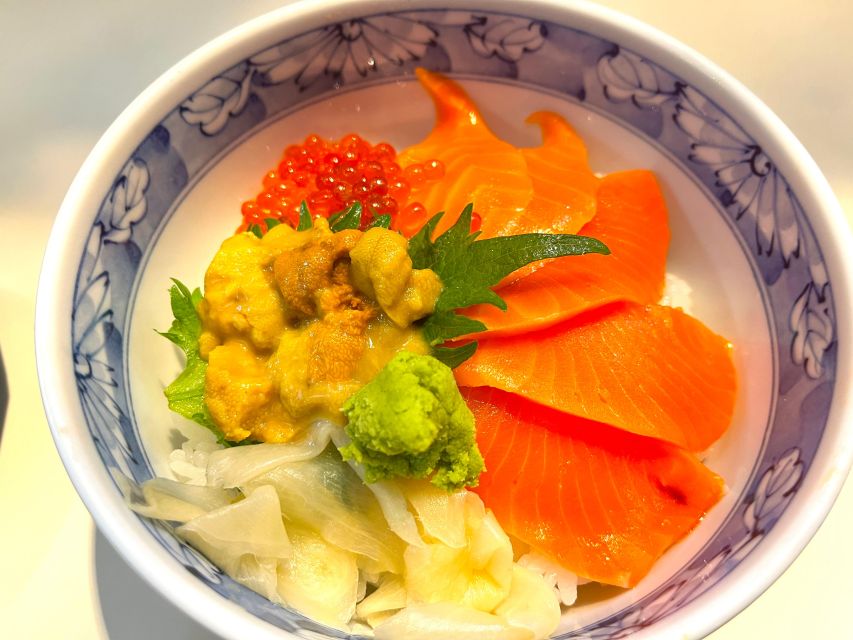
Lunch is at the seafood donburi bowl restaurant, and you sit down for about an hour. The pitch here is simple: you taste your way through the market, then you end with a proper bowl.
The tour includes lunch with a cap of up to 1,500 yen. That matters because it sets expectations. You are not buying a fancy multi-course meal, but you are also not stuck with a sad snack. The donburi format is filling and efficient, which is perfect for a 3-hour tour.
Vegetarian and allergy notes you should take seriously
This is the part you should double-check before you go.
- The tour information says the restaurant serves meals for vegetarians.
- The additional info also states vegan and vegetarian options are not available.
- It also says they cannot guarantee allergy-free food because the kitchens are not part of the tour operator.
So, if you are vegetarian or have allergies, treat this as a confirm-with-your-guide situation, not a guess. Ask what they can do at the lunch spot, and ask again at the market if substitutions are limited. The operator says they will make every effort to compensate at different stops, but they cannot promise allergy-safe handling.
More Tokyo tours and experiences for the shortlist
Drinks: plan on buying them yourself
The tour mentions drinks like Japanese beer or sake, but the drink itself is not included in the tour fee. One practical takeaway from how this type of market tour works: do not count on getting a free sip with your bowl. If you want beer or sake, budget for it.
Shiodome Media Tower View: Why the Finish Works
After lunch, the tour heads to Shiodome Media Tower for a guided visit of about 20 minutes. The highlight is the view, including a look toward Tokyo harbor.
This ending is smart. The market is chaotic and close-up. A high viewpoint turns the morning into context, so you understand how the streets, water, and skyline all connect. It also gives you a breather before you head back out into Tokyo.
People have described the observation deck as a highlight, especially because it lets you see the market area from above and connect dots you could not notice at street level. If you came for seafood, this view helps you feel like you saw the whole neighborhood, not just ate inside it.
Price and Value for a $94, 3-Hour Food and Culture Hit
At $94 per person for about 3 hours, the price looks high on paper. But you are paying for three things that are hard to DIY in Tsukiji:
1) A guided food route through a crowded area
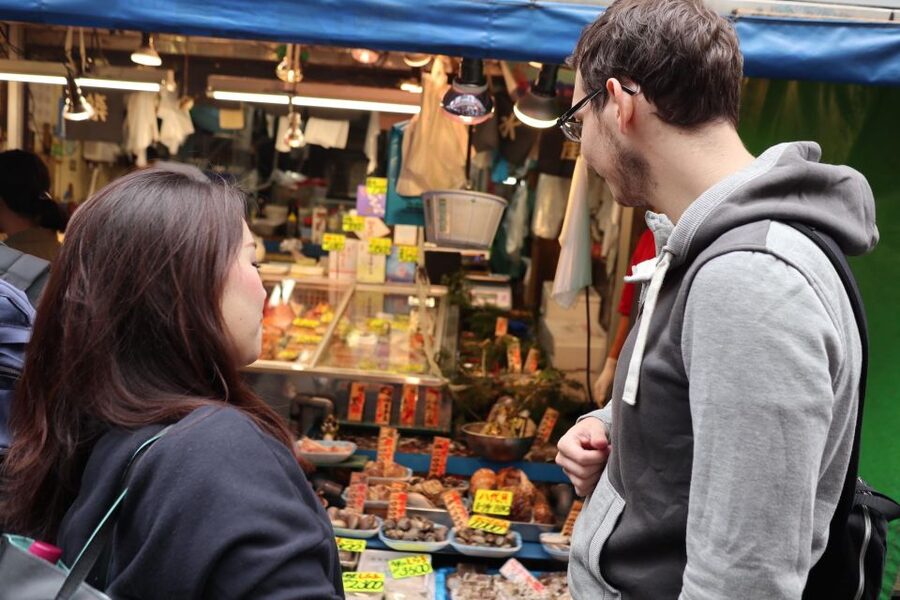
Tsukiji’s Outer Market is not intuitive if you are walking alone. A guide reduces wasted time and helps you try items you would not risk on your own.
2) 5+ food tastings plus an included lunch
The tastings and lunch are where value usually lives on this kind of tour. If you already love seafood, this is a clean way to turn your curiosity into meals and samples without spending hours figuring out where to go.
3) Cultural context beyond eating
The temple and shrine components are not just window dressing. They make the food story feel grounded in how locals think and worship day to day.
Also, the group is capped small, up to 7 participants, which helps the guide keep track of people. Small groups also mean less time standing around waiting for stragglers, which matters when you are navigating tight lanes.
The only real cost surprise is drinks. The tour photo add-on is included, but you should still plan for cash street snacks and any beer or sake you want.
Who Should Book This Tsukiji Tour, and Who Might Prefer a Different Plan
This tour is a strong fit if you:
- want a short, focused Tsukiji experience without getting lost
- enjoy learning cultural context along with food
- like sampling multiple bites instead of ordering one big meal
- travel with family, friends, or solo and want an easy structure
It is less ideal if you:
- need a fully wheelchair- or stroller-friendly route (some listed stops are not accessible)
- require strict allergy guarantees (the tour states they cannot promise allergy-free preparation)
- are vegan, or you need guaranteed vegetarian flexibility at lunch (because the information includes conflicting notes)
If your goal is only to eat and you are comfortable navigating Tsukiji on your own, you might skip a guided tour. But if you want the temple and shrine layer plus a guided tasting plan, this is the kind of half-morning that pays off.
Should You Book It?
Yes, I’d book this if you want a guided Tsukiji morning that ends with a real lunch and a view. The combination of Tsukiji Hongan-ji, the Outer Market tastings, Namiyoke Inari Jinja, and then Shiodome Media Tower makes the tour feel like Tokyo, not just a food stop.
Before you reserve, do two quick checks:
- If you are vegetarian, vegan, or have allergies, message the operator and ask what they can do at lunch.
- If you care about drinks, plan to buy them yourself since they are not included in the fee.
If those boxes work for you, this is one of the easiest ways to taste Tsukiji without spending your whole morning trying to figure out where to start.
FAQ
Where is the meeting point for this tour?
You meet at Tsukiji Station. The instructions also warn not to go to Tsukijishijo Station by mistake.
How long is the tour?
The tour duration is 3 hours.
Is the tour guide English-speaking?
Yes. The tour is listed as English with a live guide.
How big is the group?
The group is small, limited to 7 participants.
What is included in the price?
The price includes lunch (seafood), 5+ food tastings, a certified guide, and tour photos.
Is lunch vegetarian-friendly?
The tour description says the seafood donburi restaurant serves vegetarian meals, but the additional info also states vegan and vegetarian options are not available. If you are vegetarian, confirm what you can eat when you book.
Do I need cash for this tour?
Yes. The info says to bring some cash to buy street foods.
Are drinks like beer or sake included?
Drinks are exclusive from the tour fee, so you should expect to pay separately if you want beer or sake.
Is the tour suitable for strollers or wheelchairs?
Some locations on the route are not accessible by wheelchair or stroller.
What if I have dietary allergies?
The tour info says they cannot guarantee allergy-free food because the food is prepared in kitchens that do not belong to the tour operator. They will make every effort to compensate, but substitutions are not always possible.
More Shopping Tours in Tokyo
More Tours in Tokyo






More Tour Reviews in Tokyo


Not for you? Here's more nearby things to do in Tokyo we have reviewed












Tsukiji Market Tours, side by side.
 ★ 5.0Tokyo Tsukiji Fish Market Food and Culture Walking TourFrom $993,184 reviews
 ★ 5.0Tsukiji Fish Market Food and Walking tourFrom $301,724 reviews
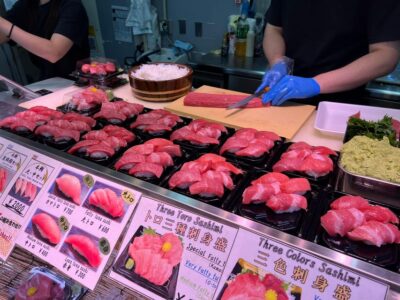 ★ 4.9Tsukiji Fish Market Guided Walking TourFrom $221,397 reviews
 ★ 5.0Tokyo Sushi Making Class in Tsukiji with Professional ChefFrom $491,177 reviews
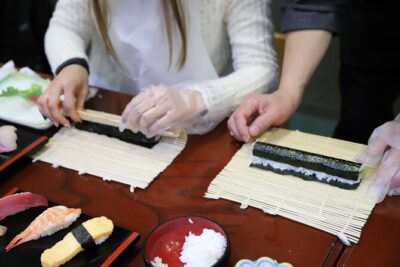 ★ 5.0Tsukiji Fish Market Guided Tour and Sushi Making with Pro ChefFrom $104775 reviews
★ 4.7Tsukiji Fish Market Food and Culture Walking TourFrom $96757 reviews
★ 5.0Tsukiji Fish Market Guided Tour and Sushi Making with Pro ChefFrom $104775 reviews
★ 4.7Tsukiji Fish Market Food and Culture Walking TourFrom $96757 reviews
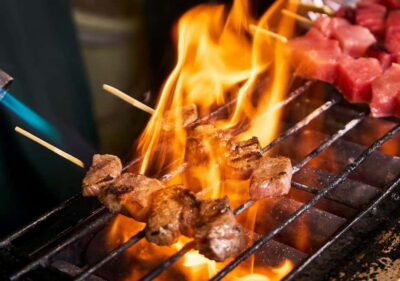 ★ 5.0Tsukiji Fish Market: Street Food & Culture Walking TourFrom $33669 reviews
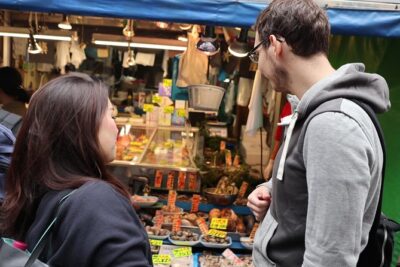 ★ 5.0Tsukiji Fish Market Small-Group Food Walking TourFrom $87621 reviews
This tour also belongs to