
Review · TOKYO FOOD TOURS
Tokyo: 2-Hour Vegan and Vegetarian Ramen Guided Walking Tour
Four bowls in two hours sounds impossible. This walking ramen tour turns Tokyo neighborhoods into a living food lesson, with a train hop built in and vegan choices that still let you customize. You end up comparing styles fast, then understanding why the regions matter.
I like that you get four mini bowls instead of one big meal. You also get guided context, including Hokkaido’s place in ramen history, so the flavors connect to a bigger story while you eat.
One drawback to plan for: it is a walking tour, and it is not suitable for wheelchair users.
Key things I’d circle before you book
- Four vegan ramen mini bowls across two ramen stops
- Hokkaido-style ramen in one shop, then Tokyo tsukemen in another
- Customize to your needs, including non-vegan broth options and gluten-free noodles
- Shibuya and Shinjuku sightseeing while you eat
- English guides who are serious about ramen, with names that include Brian, Makayla, Bunga, Frank, and Sahori
Tokyo’s Vegan Ramen Tour, Built for Tasting and Learning
Tokyo has plenty of food walks. What makes this one special is the focus. You do not just wander and hope you find something vegetarian-friendly. You follow a guide who knows where to go and how to order, then you taste the differences right away.
I especially like that the tour is vegan-first but not stubborn. You can still make choices around your dietary needs, including broth options and gluten-free noodles. That means you spend your time eating ramen, not Googling menus with shaky translations.
The tour also gives you a reason to care about details. You learn about how Tokyo and Hokkaido shaped ramen, which makes the bowls feel less random and more intentional. Even if you already love ramen, you pick up a new way to talk about flavors and styles.
You can also read our reviews of more walking tours in Tokyo



Price and Value: Why $96 Feels Fair Here
At $96 per person for about two hours, the price is not cheap. But you are also paying for a tight food plan, not just a casual stroll.
Here is what you get for your money:
- 4 mini bowls of ramen
- 1 drink
- Two ramen shops in two neighborhoods, with a train connection managed as part of the experience
- An English live guide who explains what you are eating and why it matters
For ramen lovers, mini bowls are a smart value move. A full ramen bowl in Tokyo can be a big ticket when you add it up. Four mini tastings let you compare more styles in less time. That also helps you find your personal favorite, so you are more likely to return later for a full bowl of the one you truly want.
Also, the guide removes friction. Vegetarian ramen in Tokyo can take work to locate, especially if you want it vegan or gluten-free. Here, the tour structure makes those decisions easier and faster.
So yes, you are paying for convenience and context. In return, you get more variety than you could easily assemble on your own in the same short window.
Meeting Near Hachiko and Getting Oriented Fast
You meet in front of Shibu Hachi Box, across from the Hachiko statue. The guide stands waiting more to the left under the word Shibu, with a Tokyo Ramen Tours sign.
This matters more than it sounds. Shibuya is busy, and food tours move quickly. If you show up a few minutes early, you will feel calm before the first bowl.
From there, you will be walking and switching neighborhoods. The good news is that the tour includes the routing plan, so you are not left figuring out which trains to take while also trying not to miss your food window.
Also, bring what you need for the train fare. The tour notes that train fare from Shibuya to Shinjuku is not included, so have your transportation card or cash ready.
Shibuya Stop: Hokkaido-Style Vegan Ramen Mini Bowl
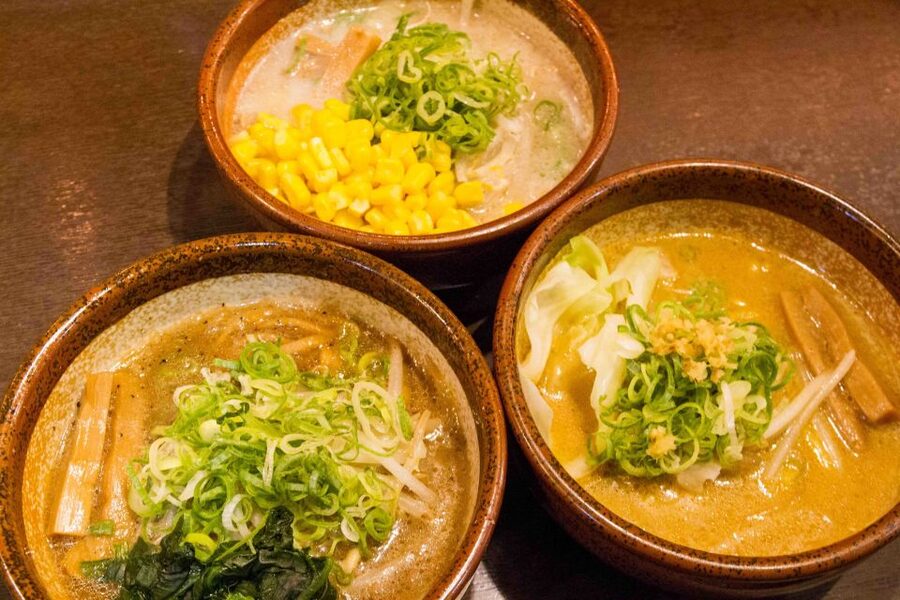
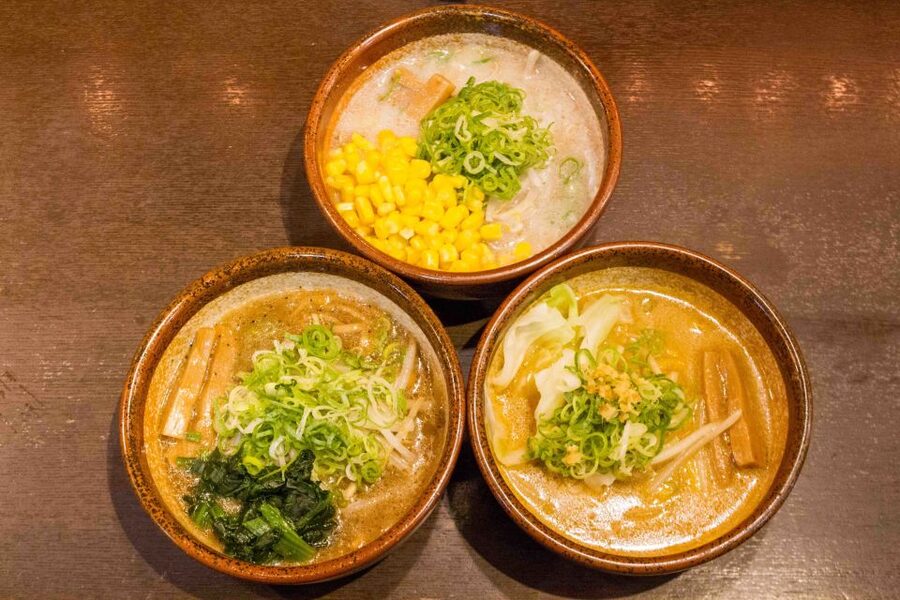
Your first ramen experience is in Shibuya at a shop that specializes in Hokkaido-style ramen. This is where the tour starts doing its real job: it gives you a regional style to taste, then explains what that region brought to ramen culture.
Hokkaido-themed ramen tends to feel more substantial, and the guide helps you notice what you are responding to in the broth and seasonings. You do not just eat and move on. You get language for what you like, like whether you prefer a deeper, warmer profile or a different type of saltiness and balance.
Because this is a mini bowl, you can pay attention to texture and flavor without the pressure of finishing a full meal. That is a big deal on a two-hour tour. You want your senses working for all four tastings.
Practical note: this is also the first stop, so you are likely still settling in. If you have questions about ingredients or ordering, this is the right time to ask. Guides like Brian, Makayla, Bunga, Frank, and Sahori are described as friendly and curious about guests, and it shows in how many questions they handle during the walk.
Shinjuku Stop: Classic Tokyo Tsukemen and The Dipping Moment
After Shibuya, you take the train to Shinjuku, where you eat at a shop known for Tokyo tsukemen, which is dipping ramen.
Tsukemen is a fun contrast because it changes the rhythm of eating. Instead of the broth being all around the noodles, you dip, taste, then adjust. It is ramen with a little more interaction built in, and the tour format makes that comparison easy because you can feel the difference from stop to stop.
This shop is your second major style lesson. If you liked your first bowl more than you expected, the guide can help you connect that preference to what you are tasting here. If you think you are not a dipping-ramen person, this is one of those chances to test that belief with a guided order and a mini portion.
And because it is still part of the vegan ramen tasting plan, you are not stuck choosing between your values and your curiosity. The tour is designed for people who want vegan ramen flavors, including broth options and noodle flexibility when available.
More Tokyo tours and experiences for the shortlist



Learning Ramen History You Can Actually Use
A lot of food tours talk history like it is trivia. This one does it differently. You learn about ramen’s regional roots and why Tokyo and Hokkaido are repeatedly important in ramen’s bigger story.
What I like about this approach is that it changes how you order next. Instead of saying, I liked that bowl, you start thinking in categories:
- style of ramen
- how regional identity shows up in broth choices
- why certain noodle and dipping approaches work for certain flavor directions
Even if you are a casual ramen fan, those connections help you become a better diner. You will know what to look for when you see a restaurant’s style on the menu.
And the guide part matters here. Some of the most positive feedback points to guides as ramen geeks who explain details in a friendly way. Names like Frank and Bunga show up in guide stories, and the consistent theme is education with personality, plus a willingness to answer lots of questions, including what else to eat or where to go beyond ramen.
Dietary Flexibility That Makes the Tour Worth It
This is a vegan and vegetarian ramen experience, and it is structured to be flexible for real dietary needs.
From the tour details, here is what is explicitly offered:
- You get four mini bowls of vegan ramen
- Non-vegan broth options are available for each choice
- Gluten-free noodles are also available
That combination matters. Some tours call themselves vegetarian but still steer you toward a lot of guesswork. Here, the meal planning is built around providing options, so you can pick what fits your diet without feeling like you are constantly negotiating.
If you are gluten-free, the noodle option is the difference between missing a great day and having a meal that feels genuinely normal. If you eat vegan, the structure gives you peace of mind, because the bowls are made vegan for the tasting.
Also, the tour is designed for people who care about dietary needs, not just preferences. That is why the customization line appears more than once. It is not a last-minute side note. It is part of how the guide supports your choices.
One extra point worth noting for Muslim travelers: a guide mentioned they would consider a halal ramen tour if demand grows, and they pointed out that there are halal ramen options available in Tokyo. Even though this particular tour is vegan, that comment is useful context as you plan what to eat during the rest of your trip.
Shibuya and Shinjuku, With Ramen as the Anchor
This tour is not only about the bowls. You stroll through Shibuya and Shinjuku, two of Tokyo’s most recognizable ramen-and-people-watching zones.
You are not doing big tourist stops for photos. You are moving through real neighborhoods with real lunch and dinner energy. It makes the ramen tastings feel grounded, like you are tasting food that lives in the city’s daily rhythm.
And because it is a guided walk, you do not waste time guessing where the best spots are. That is a major value point in Tokyo, where “close by” can still be a 20-minute walk and a long search.
The best part is that you get the contrast between areas without spending the whole two hours commuting. The train hop is handled as part of the flow, and your ramen stops do the heavy lifting.
What the Group Size Feels Like in Practice
The tour can be private or small groups, depending on what you book. In a city as busy as Tokyo, smaller group energy is a real advantage.
In the experience stories, at least one booking found itself with a tiny group on a Monday departure. When that happens, you can usually ask more questions and get clearer guidance on ordering and menu choices.
If you are the kind of person who likes to talk to guides, or you want help deciding between options, consider booking a departure that looks less crowded. The tour details encourage checking starting times, and the group format helps shape how personal the experience feels.
Who Should Book This Tour (And Who Should Skip)
This is a great fit if you:
- love ramen and want four different mini tastings
- are vegan or vegetarian and want a plan that makes ordering easier
- want ramen history explained in a way that connects to the food
- like the idea of comparing Hokkaido-style ramen with Tokyo tsukemen
It is less ideal if you:
- need wheelchair access, since the tour is not suitable for wheelchair users
- dislike standing and walking, because it is still a guided walking tour through neighborhoods and between shops
If you are in Tokyo for a short time and want a high-return food experience, two hours is a workable slice of your day. It is long enough to do meaningful tasting and learning, short enough to fit your schedule.
Tips to Get the Most From Your Two Hours
You do not need to overthink this tour, but a few moves help.
First, come hungry, but not stuffed. Mini bowls are still ramen, and you want room for the second and third comparisons.
Second, be ready to order with the guide. If you have dietary needs beyond what is listed, ask early and clearly. This is the kind of tour where guides handle questions in the moment.
Third, plan to revisit your favorite style later. One guest’s advice that makes sense: if the mini bowls blow your mind, you can go back for a full bowl after you know what you want. The tour helps you pick a direction instead of hoping.
Finally, bring your transportation card or cash for the train fare between Shibuya and Shinjuku. It is not included, and having it ready keeps the pace smooth.
Should You Book This Vegan Ramen Walking Tour?
If you like ramen and want a guided path to vegan-friendly bowls, I think this tour is a strong choice. The biggest reason is simple: you get four mini bowls plus explanation, and you do it in two major neighborhoods without spending your day hunting menus.
Book it early in your trip if you can. The comparisons help you understand what you actually enjoy, and then you can chase that flavor again on your own.
Skip it only if mobility is an issue for you, since it is not suitable for wheelchair users. Otherwise, it is a fun, structured way to eat well, move around Tokyo, and walk out with ramen knowledge you can use.
FAQ
How many ramen mini bowls are included?
You get four mini bowls of ramen, all included in the tour price, plus one drink.
Is the ramen vegan?
The tour’s ramen tastings are vegan. The tour also notes that non-vegan broth options are available for each choice if you want that flexibility.
Can I get gluten-free noodles?
Yes. Gluten-free noodles are available as an option on the tour.
Where do you eat during the tour?
You eat at two ramen shops, one in Shibuya and one in Shinjuku.
Do we take the train between neighborhoods?
Yes. The tour takes you to the two stops and includes a train ride between Shibuya and Shinjuku.
Is train fare included?
No. Train fare from Shibuya to Shinjuku is not included, so bring a transportation card or cash.
Where is the meeting point?
Meet in front of Shibu Hachi Box, across from the Hachiko statue. The guide will be waiting more to the left under the word Shibu with a Tokyo Ramen Tours sign.
What language is the tour guide?
The live tour guide is in English.
Is this tour suitable for wheelchair users?
No. The tour is not suitable for wheelchair users.
How does booking and cancellation work?
You can reserve now and pay later. There is free cancellation up to 24 hours in advance for a full refund. You can also check availability to see starting times and pick the departure that works best.
More Walking Tours in Tokyo
More Tours in Tokyo






More Tour Reviews in Tokyo


Not for you? Here's more nearby things to do in Tokyo we have reviewed












Tokyo Food Tours, side by side.
 ★ 5.0Shinjuku Food Tour (13 Dishes at 4 Local Eateries)From $866,603 reviews
 ★ 5.0Tokyo Bar Hopping Tour in Shinjuku (All-You-Can-Drink + Dinner)From $1063,587 reviews
 ★ 4.9Shinjuku Food Tour (15 Dishes and 4 Eateries)From $852,033 reviews
 ★ 5.0Best of Shinjuku: Izakaya Food Tour (4 Stops, 14+ Tastings)From $921,863 reviews
 ★ 5.0Shibuya Meltdown Nightlife Tour: All-You-Can-Drink Bar HoppingFrom $1061,058 reviews
 ★ 5.0Eat and Drink Like a Local: Tokyo Ueno Food Tour-Taverns&RamenFrom $95957 reviews
 ★ 5.0Ramen & Gyoza Cooking Class in Tokyo with Local Supermarket VisitFrom $122823 reviews
 ★ 5.0Shibuya Food Tour (13 dishes and 4 Eateries)From $77770 reviews
This tour also belongs to