
Review · ASAKUSA TOURS
Asakusa: Japanese kitchen knife store visits after history tour
Knives and temples in the same morning.
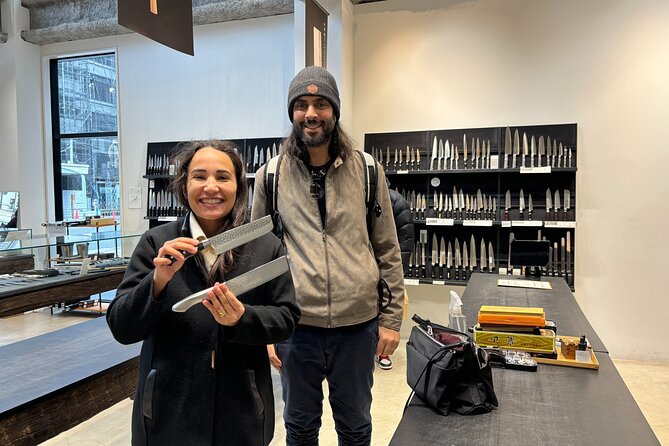
This is a history walk plus real shopping time in Asakusa, capped off at Kappabashi where local cooks and restaurant operators shop for tools. I like how the day starts with the places that gave Asakusa its identity, then turns practical. And I really like the shopping guidance, because Japanese knives are a big purchase and you do not want to guess.
The one thing to consider is this tour splits your time between Senso-ji area sights and the knife street. If your only goal is buying blades and you already know what you want, you might feel the history part eats into shopping time.
Key reasons people love this Asakusa knife and temple combo
- Small group, clear guide audio: headsets are included for groups of 3 or more, and the tour caps at 8 people.
- You shop where chefs shop: the knife stop is in the Kappabashi area known for kitchen tools, not a random souvenir store.
- Short, well-timed temple stops: each major landmark gets enough time to understand it without turning into a slow museum day.
- A guide can steer your focus: if your priorities are knives, the guide can adjust the pace so you still get value.
- It ends right at Kitchen Town: you finish in the shopping zone, so you can keep browsing if you want.
Asakusa in one morning: how this tour earns its 3.5 hours
Asakusa works best when you see it in the right order. This tour does that. You start near the Senso-ji entrance zone, work inward through the key gates and temple area, then shift gears into the shopping district that many people treat like a hardware store for food.
The total time is about 3 hours 30 minutes, starting at 9:30 am. That matters because you are not stuck all day in crowds and heat. You also get enough time at each stop to orient yourself, without feeling rushed through the important bits.
Price is $78.18 per person. That can sound steep if you think you are only paying for a temple walk. The value comes from what happens near the end: a guided session where someone helps you compare knives and make a sensible decision.
Also, it is usually booked ahead. The typical booking window is about 41 days in advance, so I suggest locking it in sooner rather than later.
You can also read our reviews of more historical tours in Tokyo
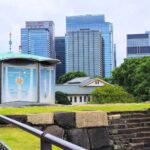

Sumida Park: the river story that sets the mood
You begin at Sumida Park, with a stop around 15 minutes. This is not just a scenic warm-up. The guide frames the river as part of the origin story, including the idea that the Senso-ji story traces back about 1400 years to this river.
Even if you have seen photos of Senso-ji, starting here helps you see the neighborhood as more than a temple backdrop. You are learning how the area formed around waterways, trade, and later religious power.
Practical note: admission here is listed as not included. In practice, you will likely be walking through the public areas rather than paying for a paid attraction, but plan to cover anything that is required on the day.
From Kaminarimon to Senso-ji: gates, smells, and quick context
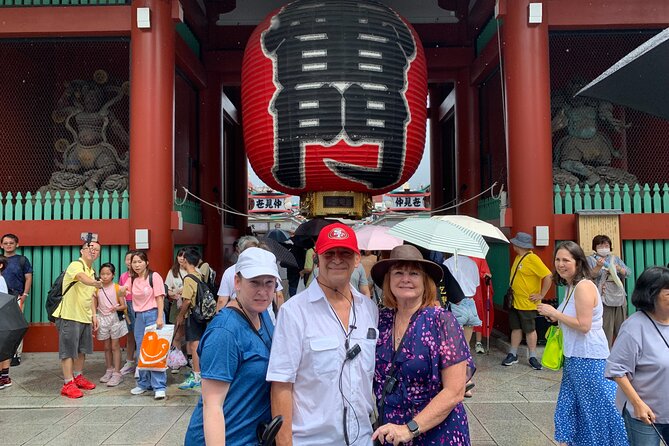
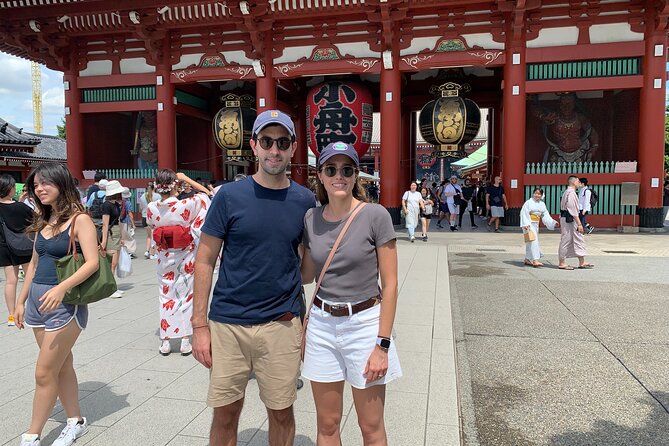
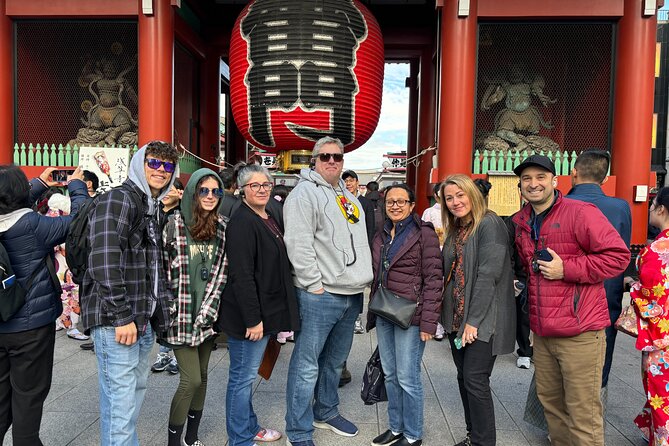
Next you hit the big visual anchor: Kaminarimon (Thunder Gate). Expect about 15 minutes, and yes, that giant red lantern is part of the reason this place pulls people in from every direction. The guide uses the gate as a starting point for what you are about to see, linking the area to both Buddhist and Shinto traditions.
Then you walk through Nakamise Shopping Street, again about 15 minutes. This is one of those stretches where it is easy to get lost in browsing. The tour keeps it structured, so you understand where you are in relation to the temple, and why the street feels more lively than solemn once you get your bearings.
After that comes Hozomon (Treasure-House Gate), around 15 minutes. It is the inner gate leading toward Senso-ji. The two-story design is worth slowing down for, because it signals that you are moving into a more sacred and formal space.
You finish this segment at Senso-ji Temple itself for about 15 minutes. The big takeaway is that it is Tokyo’s oldest temple and one of its most important. There is also a five-story pagoda nearby, tied to Buddha’s ashes reportedly given by the Sri Lanka government and Buddhist society for goodwill. That sort of detail matters because it makes the sights feel connected to real people and real history, not just architecture.
If you have a short attention span for ceremonies, this is still a good pacing. The stop lengths keep you from zoning out while the guide gives you enough context to understand why the area looks the way it does.
Asakusa Shrine and Denboin Garden: a calmer change of pace
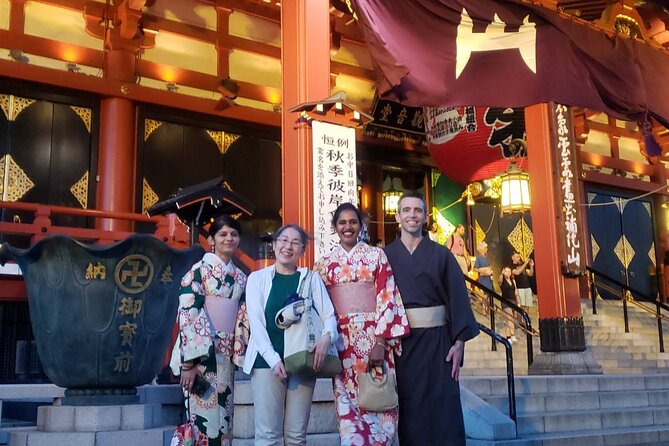
Once you have worked your way through the temple approach, the tour shifts tempo.
You visit Asakusa Shrine (about 15 minutes). This is a Shinto shrine sitting next to Senso-ji. The tour highlights the coexistence of two distinct religious traditions in the same premises. That contrast is one of the most interesting things about Asakusa if you have only experienced Japan through one religious lens before.
Then you head to Sensō-ji Denboin Garden, about 30 minutes. After the intensity of the main temple grounds and shopping street, this feels like your reset button. The tour describes walking through areas linked to the Meiji period into more modern times, with stops along the way. Even if you are not a garden super-fan, this helps you understand how Asakusa is not frozen in time. It layers eras.
Kappabashi Street Kitchen Town: this is where the tour turns practical
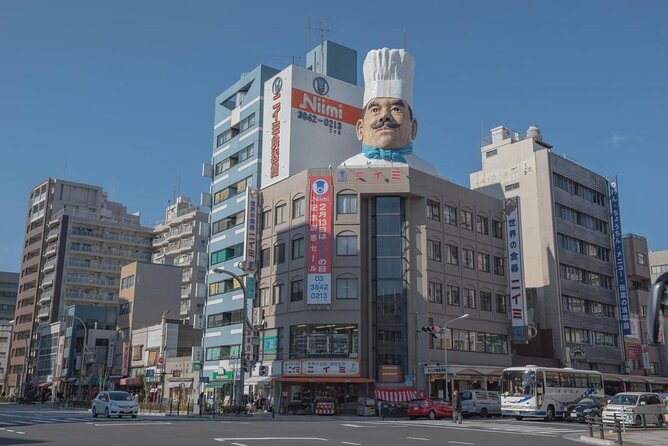
The final stop is the reason many people sign up: Kappabashi Street, specifically the Kappabashi Dougugai Kitchen Town area. This segment runs about 1 hour, and it is free entry since it is basically a shopping stretch.
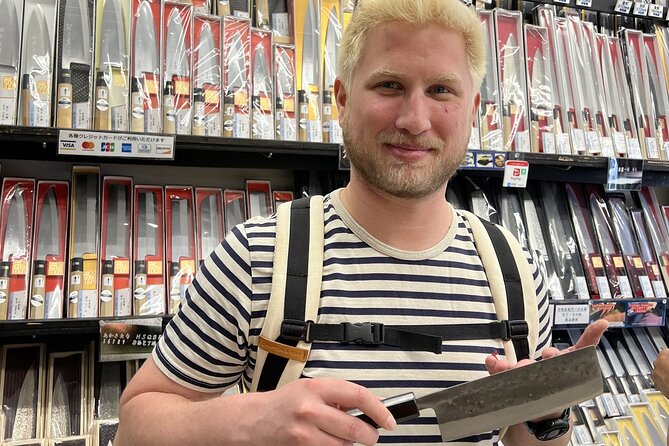
Here you will find a concentrated wall of shops selling kitchen tools, restaurant equipment, and yes, Japanese kitchen knives. This is the zone where the day becomes more than sightseeing. You are shopping with context.
A big reason this tour works is because you go after you have learned the neighborhood. You are not just transported to a store, you are already oriented to Asakusa. Then, the guide can help you compare options in a way that feels less intimidating.
You can also read our reviews of more shopping tours in Tokyo
Knife shopping with a guide: what help you should expect
Buying Japanese knives is not like buying a souvenir. It is an equipment decision that affects cooking every day.
This tour’s value is that the guide helps you make choices without turning it into a hard sell. In the guides’ approach, the best clue is flexibility. One guide example is Akiko, who is described as knowledgeable and adaptable, including adjusting the time based on what the knife buyer cared about. Another guide, Kay, is highlighted for helpful assistance with knife selection. Sue and Amy are also mentioned as giving strong history context and then making the shopping part feel practical, not confusing.
What I think you should take from that as a shopper:
- Ask what knife style fits your use, not what is the most expensive.
- Expect to get help picking based on tasks, like slicing, chopping, or general prep.
- Use the time to compare materials and feel, especially if you are picking a gift.
If you only want knives and you already know the exact model you want, the tour may feel like extra steps. One comment summed it up in plain terms: if it is only knives, you can go directly to Kappabashi. That does not make the tour bad. It just tells you who will feel the best value.
What you might buy, and how not to waste your one hour
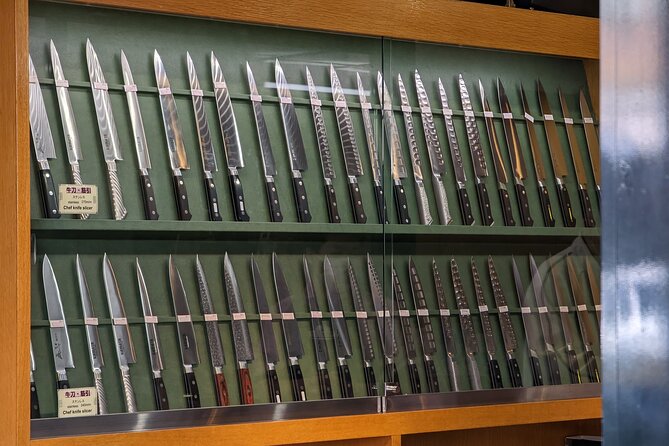
I cannot tell you what you should purchase, but I can tell you how to shop smart in a one-hour window.
Plan for two goals:
1) Bring home one solid practical item
2) If you are buying for someone else, make sure it matches their cooking habits
Here are questions to ask in the shop that match the kind of help your guide is likely to provide:
- What is your main use: vegetables, meat, fish, or general cooking?
- Do you want an everyday workhorse or a more specialized blade?
- Are you buying a single knife, or a set?
- If it is a gift, do you know what the recipient already owns?
One-hour can go fast once you start holding blades. If you want more time, it helps that the tour ends directly in the Kitchen Town shopping zone, so you can keep browsing on your own after the guided portion finishes.
Price and logistics: where the money goes
Let’s talk about the $78.18 price in realistic terms.
You are paying for:
- A guided walk through major Asakusa landmarks
- A structured route so you see the right things in the right order
- Shopping help at Kappabashi
- Headsets for groups of 3 or more, so you can actually hear explanations even from a little distance
- A small group size, with a maximum of 8 people
The headsets are not a gimmick. In temples and busy shopping streets, voices get swallowed fast. With headsets included, the guide can explain details without everyone craning their necks for every sentence.
Also note: there is no hotel pickup or dropoff. You start at a specific meeting point and end in Kappabashi. That is normal for neighborhood tours, but it matters if you are staying far away.
On the plus side, the meeting point is near public transportation, and the tour uses a mobile ticket.
Finally, cancellation is listed as free up to 24 hours in advance for a full refund. So if you are juggling schedules, you have some flexibility. Just do not wait until the last minute if you want the same-day chance to rebook.
Who should book, and who should skip
This tour is a great fit if you:
- Want a morning in Asakusa that is more than photos
- Like context, but you also want a tangible payoff
- Feel nervous about choosing kitchen knives without help
- Prefer small group energy, not a giant stampede
It might not be your best move if you:
- Only care about buying knives and already know what you want
- Hate any structured walking time, even if it is just 15 minutes per stop
There is also a style mismatch to watch. Some people love temple mornings, some people just tolerate them. This day mixes both, so be honest with yourself about how much cultural sightseeing you want before shopping.
Best times to do this route
This tour starts at 9:30 am. That is ideal for getting temple area time before the day gets too loud. Also, starting earlier helps you keep energy for the shopping segment at the end.
Since the tour is 3.5 hours, you can still plan a later meal and an afternoon activity without feeling like you lost your whole day.
Should you book this Asakusa knife store visit after a history tour?
I would book it if you want both sides of Asakusa: the temple approach and the practical food-culture shopping. The guided route helps you understand what you are seeing, and the knife stop gives you a reason to care besides souvenirs.
If you are on a tight budget and you only want to buy knives, you may do better skipping the temple portion and just going straight to Kappabashi. But if you want help choosing and you would like the neighborhood context, this is one of the better ways to spend a morning in Tokyo.
If you do book, bring a clear idea of what you are hoping to purchase, or at least what you cook. It will make the guided shopping hour feel like it moves with you instead of against you.
FAQ
How long is the Asakusa history and kitchen knife tour?
It runs about 3 hours 30 minutes.
How much does the tour cost?
The price is $78.18 per person.
Is the tour limited to a small group?
Yes. The maximum group size is 8 travelers.
Are headsets included?
Headsets are included for a group of 3 or more so you can hear the guide clearly.
Where do I meet, and where does it end?
You start at 2-chōme-20-6 Kaminarimon, Taito City, Tokyo 111-0034, Japan. The tour ends at Kappabashi Dougugai Kitchen Town, 3-chōme-18-2 Matsugaya, Taito City, Tokyo 110-0036, Japan.
Is hotel pickup included?
No. Hotel pickup and dropoff are not included.
More Historical Tours in Tokyo
More Tours in Tokyo






More Tour Reviews in Tokyo


Not for you? Here's more nearby things to do in Tokyo we have reviewed












Asakusa Tours, side by side.
 ★ 4.8Japanese Dance Cabaret Theater Asakusa-Kaguwa TicketFrom $492,270 reviews
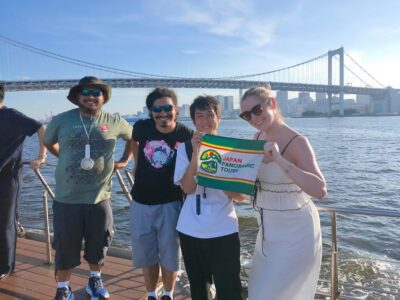 ★ 4.7Meiji Shrine, Asakusa, Skytree Bus Tour and CruiseFrom $1221,986 reviews
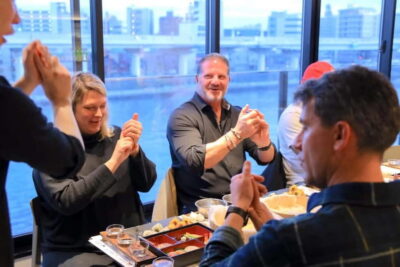 ★ 4.9Roll and Authentic Sushi Making Class in AsakusaFrom $581,957 reviews
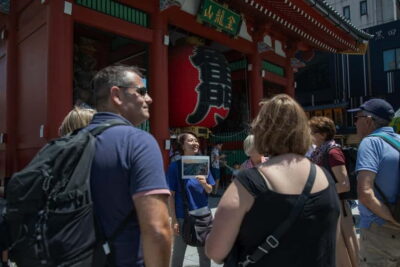 ★ 4.8Asakusa Walking Tour with Sensoji Temple VisitFrom $221,583 reviews
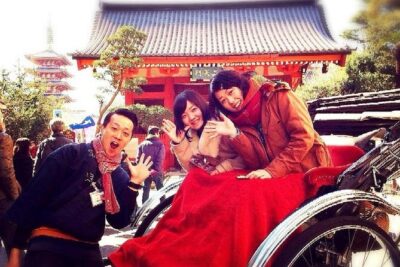 ★ 5.0Tokyo Asakusa Rickshaw TourFrom $421,375 reviews
 ★ 4.5Tokyo Panoramic 1 Day: Meiji Shrine, Asakusa, Odaiba and SKYTREE®From $851,222 reviews
 ★ 5.0Tokyo Go Kart: Asakusa, Skytree, and Akihabara **IDP MUST**From $99988 reviews
 ★ 4.7Asakusa, Skytree & Akhihabara Go-Kart City ExperienceFrom $96761 reviews
This tour also belongs to