
Review · ASAKUSA TOURS
Asakusa: Kitchen knife store visits after history tour
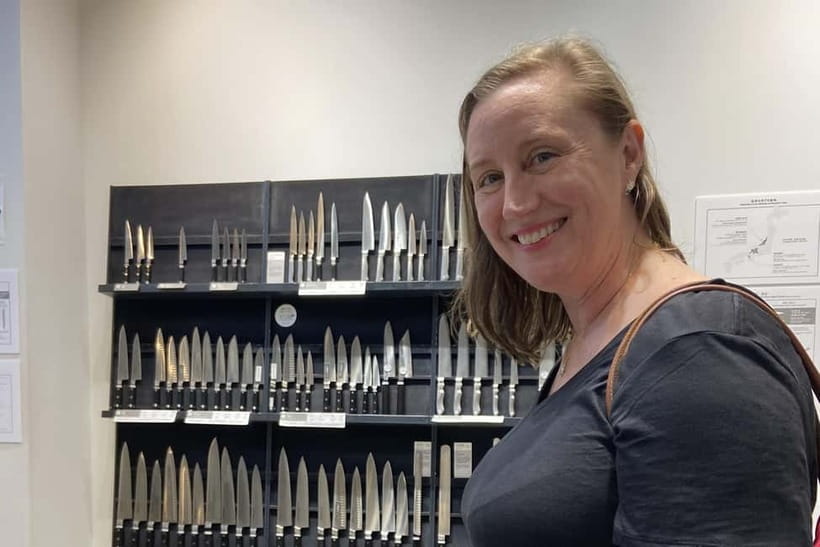
Knives and temples in one smooth walk. You start in Asakusa, see iconic sights like Sensō-ji, and then shift gears to Kappabashi Street for hands-on Japanese kitchen knife shopping with an English guide.
I love the tight flow, it gets you to the right places without wandering. I also like the expert help inside the stores, with neutral guidance while clerks explain their knives, so you can compare options calmly.
One thing to consider is the second half is shopping first. If you want zero sales energy and only want sightseeing, you might feel you’re being pulled toward decisions and buying.
Key things to know before you go
- Small group (up to 8) keeps the walk manageable and the shopping more personal
- Headset audio for groups of 3+ helps you hear the guide while you’re moving
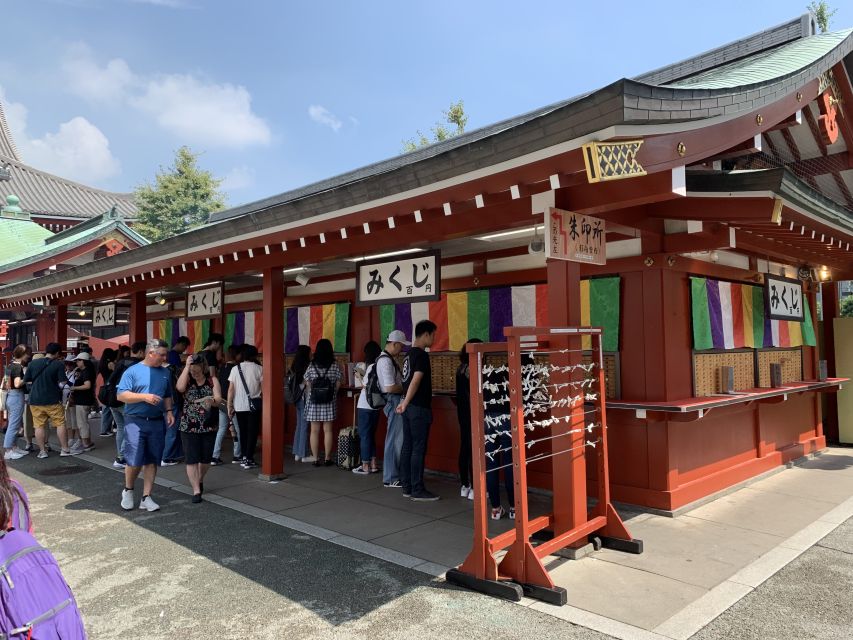
- Sensoji Temple first, so the neighborhood context lands before you shop
- Kappabashi Street knife focus, with several specialized stores and a full lineup you can actually compare
- Japanese sweet snacks included, a nice break during the day
Where this tour really wins: Asakusa history that leads to knife shopping
This tour works because it does not treat the shopping portion like a random side quest. You start with Asakusa’s key landmarks, then the knife street makes more sense. When you’ve already walked through Kaminarimon and the Sensō-ji area, Kappabashi feels less like a tourist trap and more like the working side of Tokyo that feeds restaurants and home cooks.
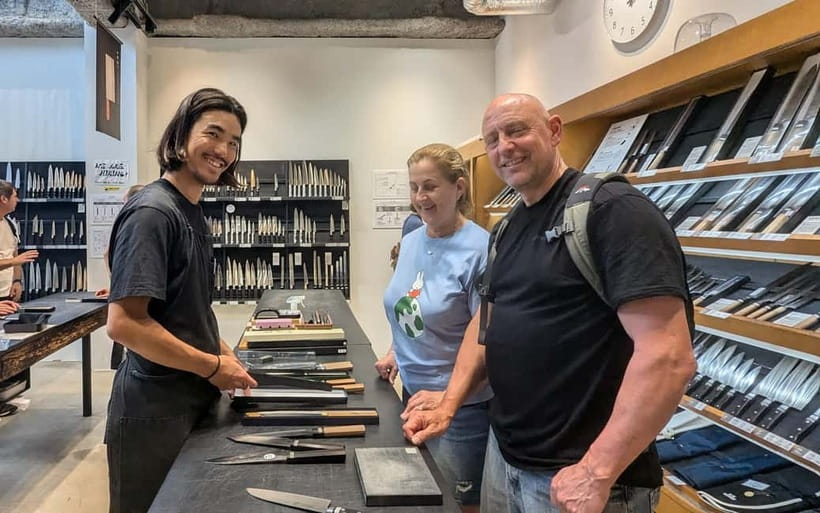
The other strength is the way you shop. Instead of being dropped in a shopping street and told good luck, you get an English-speaking guide who can help you find what you’re looking for and filter the noise. The result is less wandering, fewer dead ends, and more meaningful time looking at real tools.
You can also read our reviews of more historical tours in Tokyo
Starting point near Asakusa Station, and how the timing feels
You meet in front of Burger King Asakusa Azumabashi, right by Exit 4 of Asakusa subway station on the Ginza line (station code G19). From there, the group moves on foot through Asakusa, with a clear rhythm that keeps you from losing time.
The whole experience is 210 minutes, about 3.5 hours. The structure matters. You get temple time early, then you get a full 1 hour on Kappabashi Street, when you can browse without rushing.
Also, it runs rain or shine. If the weather is bad, bring something light you can layer, and plan on slower walking on the stone paths around the temple area.
Tokyo Cruise Asakusa Pier and the first walk with context
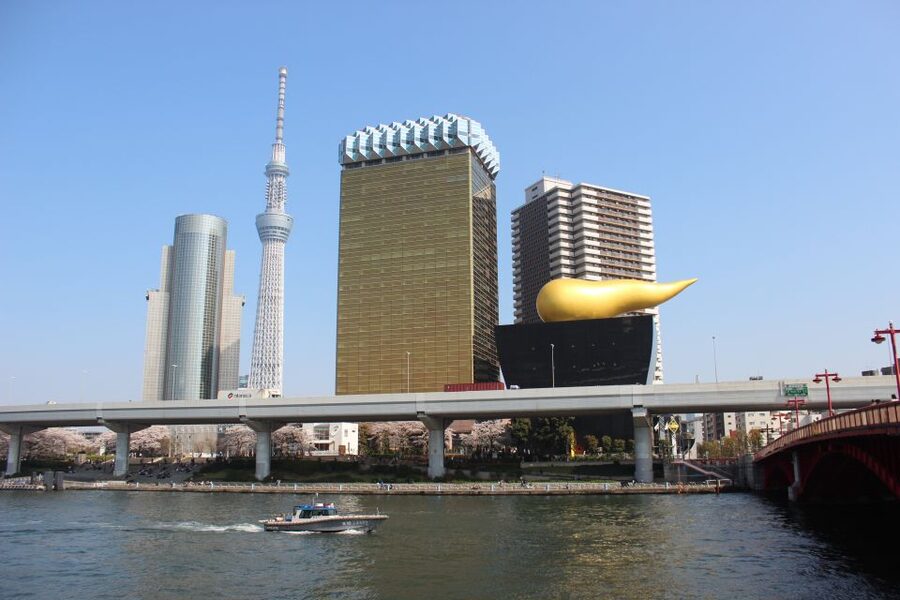
The tour begins at the Asakusa pier area for a short guided look and walk. Even though it’s brief, it sets the stage, because Asakusa grew around water access and lively street life. It also helps you get oriented fast, which is useful when you later turn into shopping streets with lots of side lanes.
Drawback to note: this part is only about 15 minutes, so it’s not a deep maritime history stop. Think of it as a warm-up, not a full tour of the waterfront.
Asakusa Culture Tourist Information Center: get your bearings before the big sights
Next comes the Asakusa Culture Tourist Information Center for another guided segment and walk, again around 15 minutes. This stop is quietly valuable because it gives you a better mental map before you hit the crowds around the major gates and shopping corridors.
If you’re new to Asakusa, this is the kind of “small” stop that prevents later confusion. You’ll know what you’re seeing and why it matters, so the rest of the walk feels like a guided story, not a list of landmarks.
Kaminarimon and Nakamise Street: iconic views, controlled time
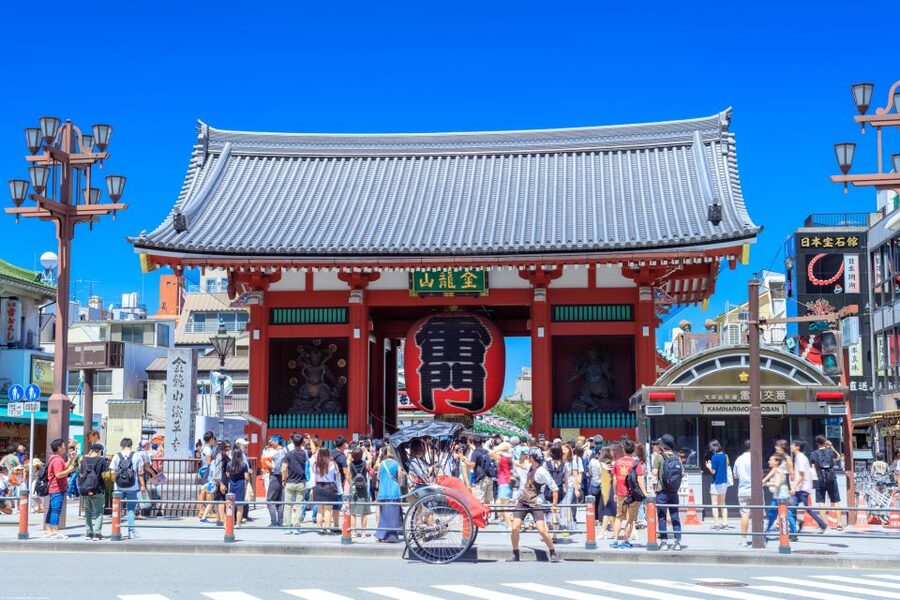
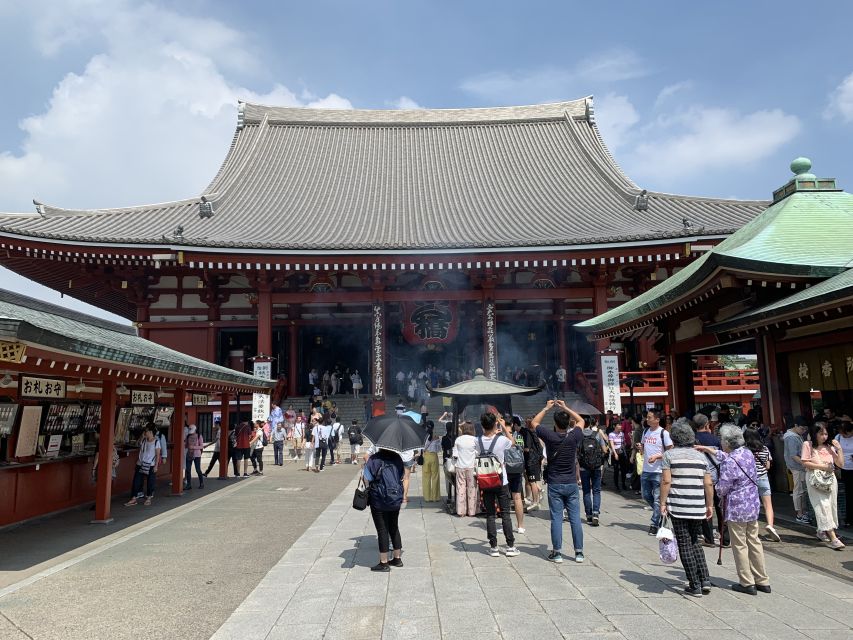
You then reach Kaminarimon, the thunder gate, for a short guided visit. It’s famous for a reason, and here it functions like a visual anchor for the whole area. You get enough time to appreciate it without turning into a standstill photo bottleneck.
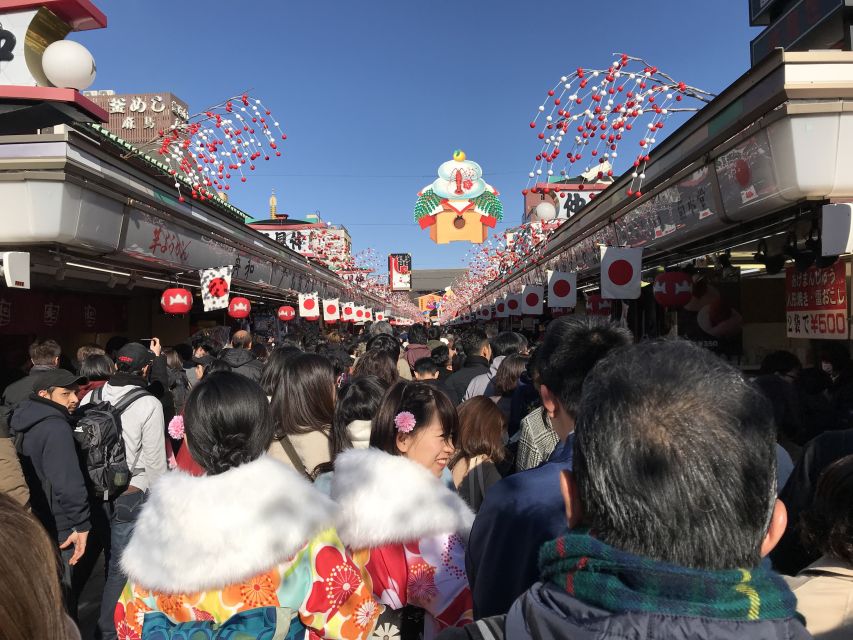
After that, you head into Nakamise Shopping Street for about 30 minutes. This is where Asakusa shows its shopping side, with lots of stalls and snack-style shopping. The upside is that it’s lively and easy to browse while you’re still in sightseeing mode.
The possible downside is that it can be crowded depending on the time of day. The guide’s job here is helpful because you’re not trying to read every sign while navigating people flow. The time box also keeps you moving toward the next landmark.
You can also read our reviews of more shopping tours in Tokyo

Hōzōmon Gate and Sensō-ji: your main temple moment
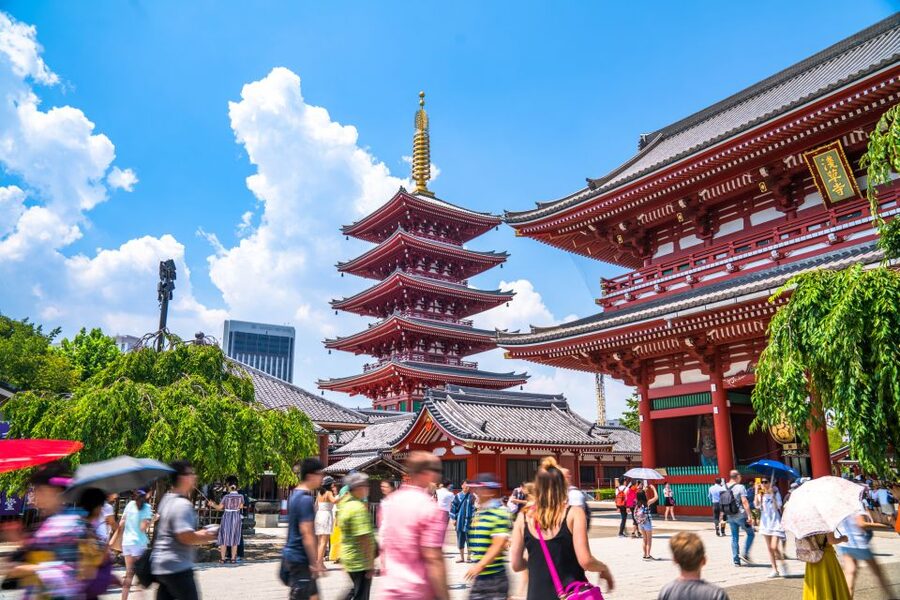
You pass the Hōzōmon Gate for about 15 minutes, then you spend guided time at Sensō-ji Temple, about 15 minutes. Sensō-ji is the oldest temple in Tokyo, and having it come right after the main shopping street is a smart order. It shifts your brain from consumer mode to cultural mode quickly, which makes the experience feel more complete.
What I like about this pacing is that you still get something practical. You’ll leave the temple knowing you saw the real core of the area, not just the front gate and a quick glance.
If you hate stairs or walking on crowded stone paths, this is the part to pace yourself. Nothing here is long, but the foot traffic can make it feel tighter.
Kappabashi Street for knives: how the shopping feels guided, not chaotic
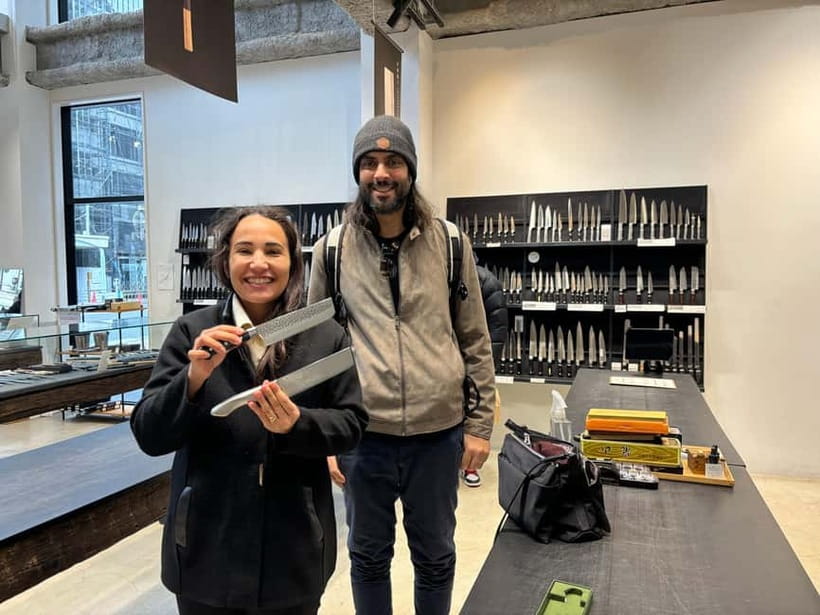
After the temple segment, the tour moves to Kappabashi Street, a shopping street lined with dozens of stores used by restaurant operators. You get about 1 hour here, which is the right length for comparing knives without feeling like you’re stuck in one shop too long.
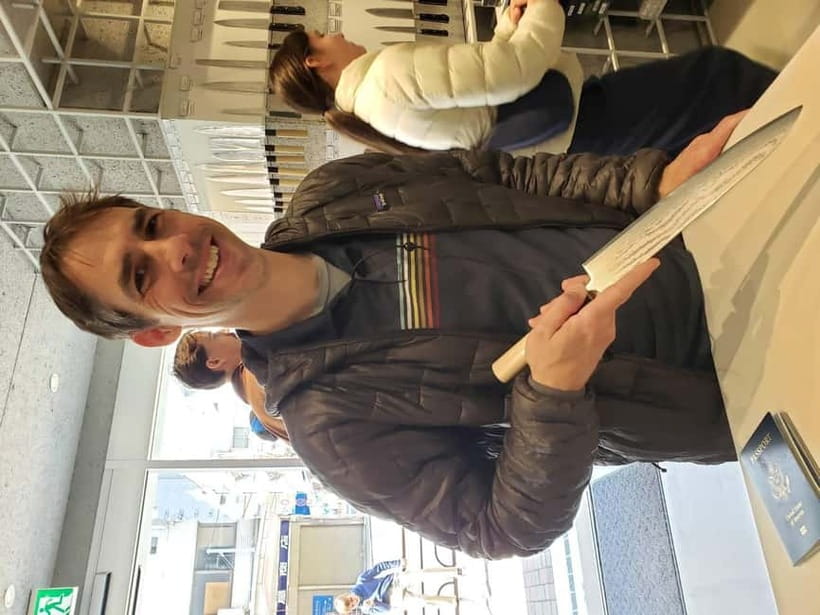
This is the main event for anyone interested in Japanese kitchen knives. Kappabashi has several stores specialized in kitchen knives, and that matters because you get a better chance to find something you genuinely want. Instead of guessing which store might have your ideal size or style, you can keep moving through the lineup.
You also get something you rarely get on a DIY shopping day: the guide provides help that can be candid and neutral while store clerks do their sales explanation. That is a big deal for decision-making. Knife shopping is full of claims, and having a translator and a handler who can keep you oriented means you can ask smarter questions and make calmer choices.
One more benefit: the tour includes Japanese sweet snacks. Even if you don’t treat them as a big food moment, they’re a useful pause during a walk-heavy day, especially when you’re trying to shop with a clear head.
The guide and audio support, including the headset system
This is a small-group tour, limited to 8 participants, and it includes an English-speaking certified guide. For groups of 3 or more, you use an earphone guide system so you can hear the guide from a distance while you walk.
That headset detail is more important than it sounds. When you’re in crowded shopping streets, people naturally drift. Audio means you do not lose the thread of the explanation every time the group spreads out.
The English support also shows up in the way the guide helps with purchases. One guide, Machiko, is highlighted for strong English and for helping people find where to buy and how to choose. Another example includes guides going beyond the scheduled time to help with translating and finishing purchases, which tells me the support is not just “talk at you,” it’s “help you do it.”
Price and value: is $77 worth it for knives plus Asakusa sights?
At $77 per person for a 210-minute experience, this is best viewed as a bundle of three things: guided Asakusa landmarks, a guided shopping route, and translation while you compare knives.
If you were to do this on your own, you’d pay for entry time where applicable, spend your own time figuring out directions, and still face the challenge of communicating what you want in the stores. That’s where the value lives. You’re buying time efficiency and language help, not just walking with someone.
You are also paying for limited group size. Up to 8 people means less crowding in conversations and more chance to ask questions. The headset system is included to support that same goal.
Is it “cheap”? No. But for people who actually want to shop for a knife and bring it home, it can be a strong deal because Kappabashi is a place where guidance can save you from buying the wrong thing for your cooking style.
Practical tips so your knife shopping lands well
Here’s how to make this experience work for you once you’re at the stores.
First, go in with a simple plan. Decide what kind of cooking you do most, and what you want the knife to replace or upgrade. Even if you are flexible, knowing your target use helps you filter what looks impressive from what’s practical.
Second, be ready to compare. The tour is designed so you can see more than one store with a full lineup. That’s your chance to compare feel, size, and what you want the knife to do.
Third, bring budget clarity. Japanese knives vary a lot in price, and store clerks will naturally pitch options. A neutral guide helps you stay grounded, but you still make the final call.
Finally, think about carry and luggage. You will be walking through Asakusa and shopping streets while shopping. Plan how you’ll transport items, and keep essentials together so you’re not rummaging while the group moves.
Who this tour suits best, and who might skip it
This tour fits you if you want both sides of Asakusa: temple landmarks plus practical shopping with translation. It also suits you if you care about Japanese kitchen knives and would rather spend your time asking questions than guessing where to go.
It’s a tougher match if you’re only here for temples, photos, and snacks with no interest in shopping. The Kappabashi hour is central, not optional.
It also works well for small groups and families who can keep up with walking. The headset system helps for groups of 3 or more, and the small size helps you stay together.
Should you book Asakusa knives after the history walk?
Book it if you want a guided Asakusa day that ends with real shopping time for kitchen knives. The combination of Sensoji context, tight routing, and English support inside knife stores is what turns it from tourist browsing into a useful, value-focused experience.
I’d skip it if shopping for knives feels like a chore. But if you’re even curious, the hour on Kappabashi plus the guide’s help is a strong way to leave with something you chose for yourself, not something you grabbed at random.
FAQ
How long is the tour?
The tour lasts 210 minutes, about 3.5 hours.
Where is the meeting point?
Meet in front of Burger King Asakusa Azumabashi, right next to Exit 4 of Asakusa subway station on the Ginza line (G19).
What group size is this tour?
It is a small group limited to 8 participants.
Is hotel pickup or dropoff included?
No, hotel pickup and dropoff are not included.
Do you provide English support and help hearing the guide?
Yes. The tour includes an English-speaking certified guide, and for groups of 3 or more, it includes a headset to hear the guide from a distance. An English audio guide is also included.
Is the tour run rain or shine?
Yes, the tour runs rain or shine.
More Historical Tours in Tokyo
More Tours in Tokyo






More Tour Reviews in Tokyo


Not for you? Here's more nearby things to do in Tokyo we have reviewed












Asakusa Tours, side by side.
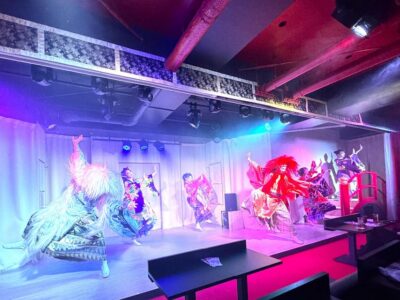 ★ 4.8Japanese Dance Cabaret Theater Asakusa-Kaguwa TicketFrom $492,270 reviews
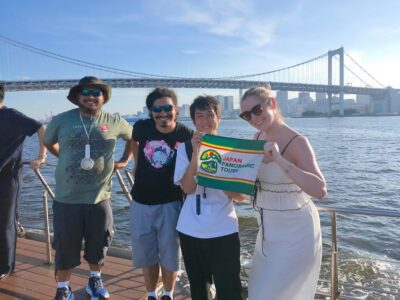 ★ 4.7Meiji Shrine, Asakusa, Skytree Bus Tour and CruiseFrom $1221,986 reviews
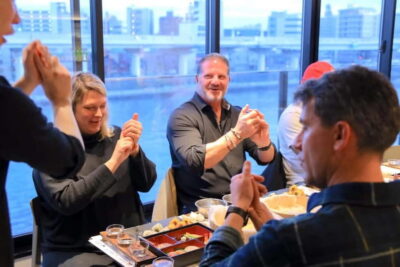 ★ 4.9Roll and Authentic Sushi Making Class in AsakusaFrom $581,957 reviews
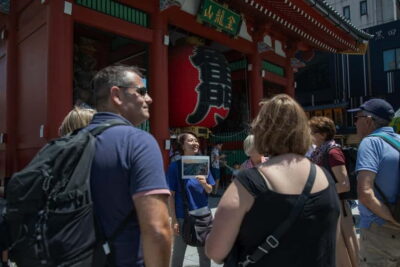 ★ 4.8Asakusa Walking Tour with Sensoji Temple VisitFrom $221,583 reviews
 ★ 5.0Tokyo Asakusa Rickshaw TourFrom $421,375 reviews
 ★ 4.5Tokyo Panoramic 1 Day: Meiji Shrine, Asakusa, Odaiba and SKYTREE®From $851,222 reviews
 ★ 5.0Tokyo Go Kart: Asakusa, Skytree, and Akihabara **IDP MUST**From $99988 reviews
 ★ 4.7Asakusa, Skytree & Akhihabara Go-Kart City ExperienceFrom $96761 reviews
This tour also belongs to