
Review · COOKING CLASSES
Beauty Vegan Dessert Cooking Class + Sake Kasu Hand Mask Trial!
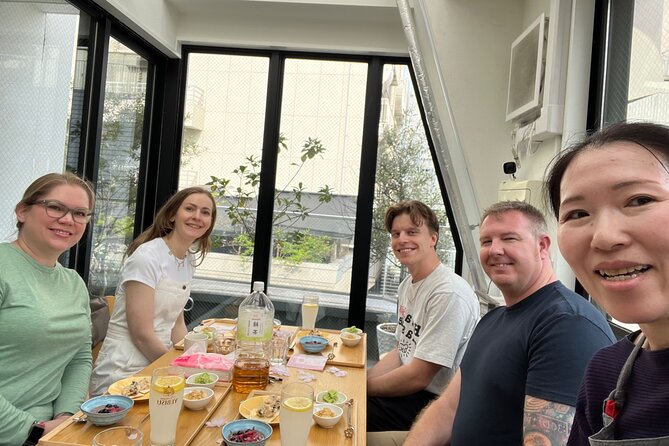
Fermented dessert, plus a beauty mask. This 2-hour class in central Akasaka-Mitsuke uses amazake and sake kasu to teach Tokyo food culture, while you make seasonal vegan treats and finish with sakura tea.
I love how it’s vegan fermented desserts that still feel like proper dessert, not health punishment. I also like the hands-on hand mask trial, which turns a food lesson into a beauty experience you can talk about long after dinner.
The main thing to watch is that sake kasu contains about 8 percent alcohol, and the hand mask may not work for everyone, especially if you have sensitive skin or cuts on your hands.
Key Highlights You Can Actually Use
- Central meeting point: Akasaka-Mitsuke Station area, about a 10-minute ride to Shibuya, so it’s easy to fit into a Tokyo day
- Vegan fermented menu: seasonal snacks and desserts you make together, using amazake and sake kasu
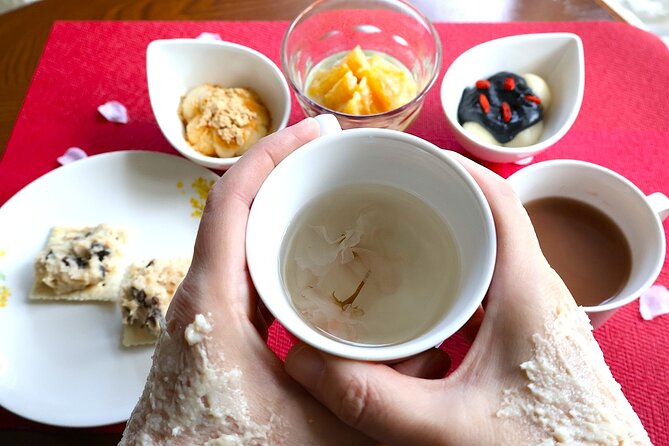
- Beauty add-on: a sake kasu hand mask trial plus sakura tea for a “Japanese beauty afternoon tea” feel
- Small group size: maximum 6 travelers, so you get more attention during the cooking
- Takes-home support: a lecture handout with recipes, so you have something practical to repeat later
- Smart alcohol options: if you are under 20 or don’t drink alcohol, banana is used instead of sake kasu
Fermented Dessert in Tokyo, Why This Class Feels Different
Japanese fermented foods are a big deal, but most food classes stop at taste. This one connects taste to purpose, with a clear focus on how fermentation shows up in everyday life, gut health, and beauty habits. You’re not just learning recipes, you’re learning the logic behind why ingredients like amazake and sake kasu matter.
The “beauty” angle is what caught my attention. Instead of treating skincare like a separate topic, the class uses sake kasu as a bridge between cooking and skin-care trial. That hand mask portion is short, but it gives the lesson a memorable, personal moment.
Also, this is built for travelers with limited time. Two hours is short enough to do before an evening plan, and the location is convenient for people staying around Shibuya or central Tokyo.
You can also read our reviews of more food & drink experiences in Tokyo

Getting There and How the Timing Works (Akasaka-Mitsuke to Return)
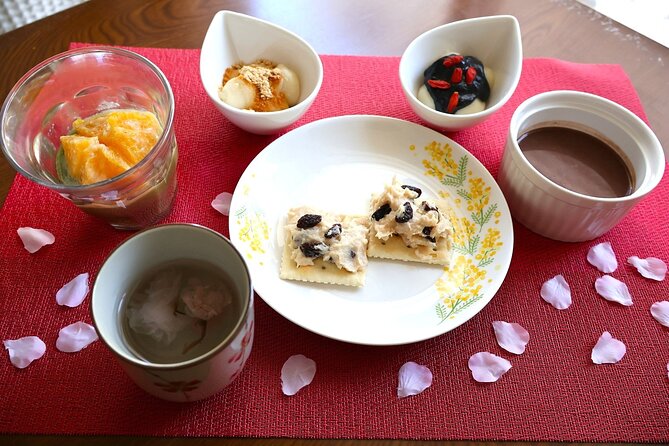
You meet at Akasaka-Mitsuke Station, at 3-chōme-1-6 Akasaka in Minato City. The class starts at 2:00 pm and runs about 2 hours, then ends back at the same meeting point, so you are not hunting for an end location later.
Because it’s near public transportation, you can keep your Tokyo day simple. And since it’s in the city center, the experience is not dependent on a long commute or weather-friendly outdoor plans.
This timing is great if you want something hands-on but not exhausting. I’d treat it like a “late afternoon reset.” You eat, you make food, you learn, then you’re ready for dinner without feeling like you spent the whole day traveling.
One more note: the class has a maximum of 6 travelers. Smaller groups usually mean less waiting around and more chance to ask questions when you are working with ingredients that may be new to you.
The Menu: Vegan Snacks and Desserts Built Around Amazake and Sake Kasu
The core of the class is fermented foods, taught through food you actually make. Everything is vegan, and the menu changes depending on the season, so you get a more local, current feel instead of a fixed tourist script.
You’ll work with amazake, a traditional fermented rice drink that’s sweet without added sugar. It’s used because it tastes good, but also because it shows how fermentation can create sweetness naturally. Then you’ll use sake kasu (sake lees), the nutrient-rich byproduct left after sake is pressed.
Sake kasu is the ingredient with the biggest “read the label” moment. The class notes it contains around 8 percent alcohol. For most people, that’s not about getting buzzed, it’s about safety and comfort, especially around driving. The class also notes that if someone is under 20 or does not drink alcohol, banana is used instead.
What I like is that the fermentation lesson isn’t theoretical. You see how amazake and sake kasu can be folded into dessert-style snacks. That matters, because you can’t taste-test a concept. You taste-test an actual plan.
And yes, the hand mask trial is part of the same story. You end up thinking about fermentation as something that belongs in daily routines, not just in a history book.
The Hands-On Cooking Part: What You Do During the Class
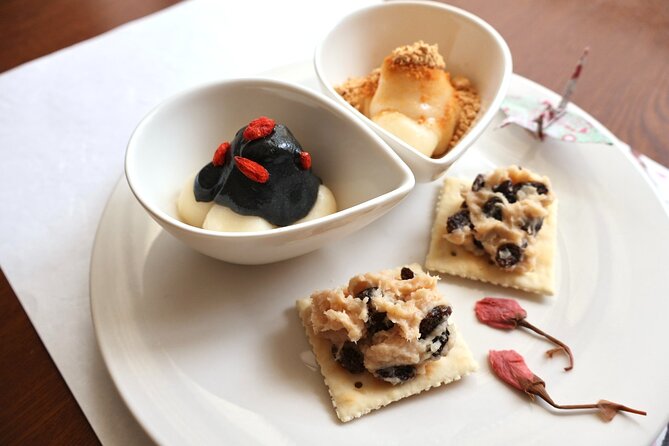
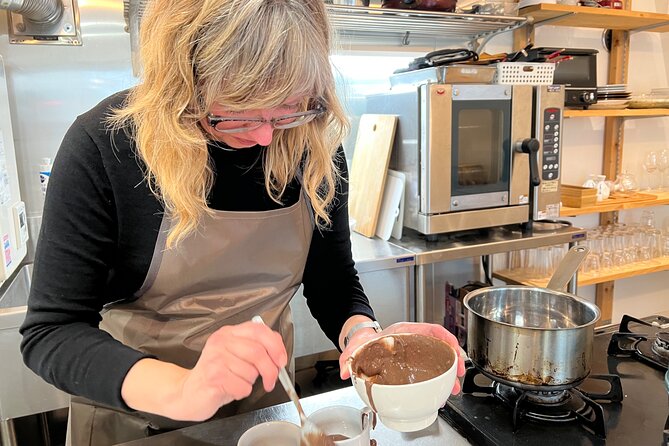
You’ll be in an active role, making the desserts and snacks together. Included items like an apron signal that you should plan on real hands-on work, not just watching someone else cook.
The class also includes coffee and/or tea, so you’re not cooking on an empty stomach. Along the way, you’ll get a lecture handout with recipes. That’s an underrated part of value in cooking classes. It means you can recreate what you made later, instead of only remembering vague impressions.
Since the menu is seasonal, don’t expect the same exact dishes on every day. But do expect a guided process that uses fermentation as the ingredient hook. You’ll learn how the flavors behave and why fermentation changes both taste and texture.
Also, the class is designed for people who want education without homework. Even so, it’s noted that it may not be suitable for children age 6 and under, due to the difficulty of the lecture. If you are traveling with kids, I’d choose a different activity for very young children, or plan on your child having a shorter attention span than the class can comfortably handle.
Sake Kasu Hand Mask Trial: The Beauty Step and How to Prepare
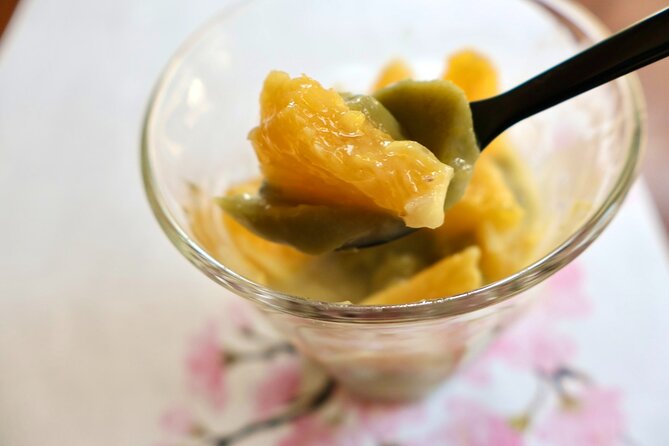
This is the unique part that turns a vegan cooking class into a Japanese beauty experience. You try a sake kasu hand mask during the session, as part of the included experience.
Two practical considerations matter here:
First, sake kasu may not suit everyone’s skin. It can cause irritation for people with sensitive skin. Second, the experience is not available if you have any cuts or wounds on your hands. That’s not just “be careful,” it’s a hard rule for the trial part.
So before you sign up, take a quick look at your hands. If you have even minor breaks in skin, plan to skip this class and choose something else.
If you are worried about alcohol, remember the class says banana is used for participants under 20 and for people who do not drink alcohol. That’s helpful for comfort and peace of mind. The notes don’t explicitly say whether the hand mask formula changes in all cases, so if you have a concern, message the provider when you book. You can ask whether any substitutions apply to the mask trial as well.
Overall, the mask trial is short, but it’s the kind of activity that makes you feel connected to the ingredient beyond the taste. You walk away with a story that feels more personal than a recipe card.
More Tokyo tours and experiences for the shortlist



Sakura Tea and the Class Atmosphere: A Travel-Friendly Afternoon
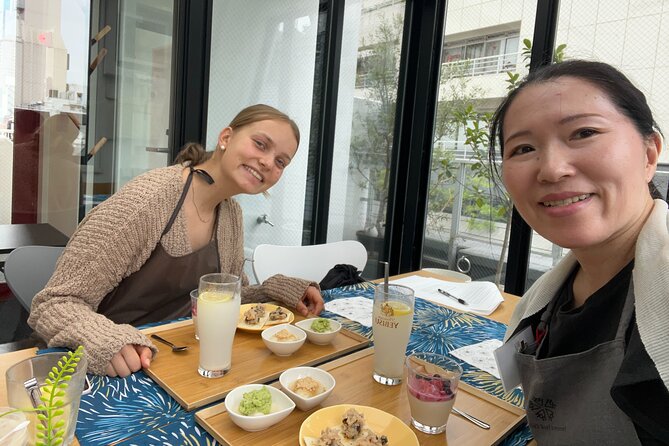
The class includes sakura tea and a “Japanese beauty afternoon tea” style of pacing. That matters because the learning and cooking are not just rushed. You get pauses to taste, drink, and absorb what you’re making and why you’re making it.
This is also where the class earns points for being travel-friendly. It’s 2 hours, in central Tokyo, with included beverages. You are not constantly trying to squeeze in extra snacks or locate a café between steps.
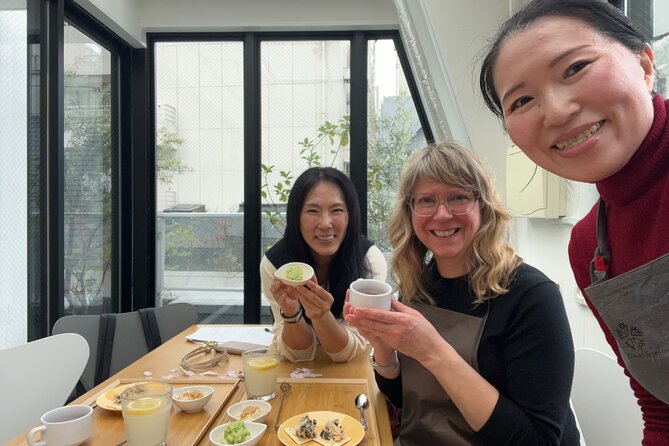
The vibe is likely calm and focused, with you learning as you cook. The class size helps too, since maximum 6 travelers usually means less chaos, more room for questions.
And if you love food that is both comforting and a little unusual, fermented desserts deliver that. Amazake sweetness is gentle, and sake kasu adds an ingredient identity you do not get in typical Western desserts.
Price and Value: Is $64.09 Worth It?
At $64.09 per person for about 2 hours, you’re paying for a lot more than a plate of dessert. You’re paying for instruction, ingredient education, a take-home recipe handout, and included food, drinks, and the hand mask trial.
The value gets better when you consider the class includes:
- Apron and hands-on cooking
- Snacks and desserts you make together
- Coffee and/or tea plus sakura tea
- A lecture handout with recipes
- Sake kasu hand mask trial
Small group size also matters here. Cooking classes that feel crowded tend to reduce the value fast, because you spend more time waiting than learning. Maximum 6 travelers makes it easier to actually work with ingredients.
One more value angle: fermented ingredients are specialized. There aren’t many classes that focus on fermentation in a practical way for everyday use. If fermentation is a topic you care about, this is the kind of class where you leave with more than food, you leave with a framework.
If You Want More: Pair It With the Fermented Food Lunch Class
There’s a promotion worth considering. The provider offers another class, a Fermented Food Lunch Class, starting at 11am. If you join both classes on the same day, you receive a special gift: rice koji amazake, the one used in the dessert class.
If you have the time and stamina, doing both can make the learning feel more complete. One class can be fun for trying and tasting, but two classes can turn it into a mini theme day around fermentation, which is the point of this experience.
That gift also gives you something tangible to take home that relates directly to what you made in the dessert session.
Who This Class Suits Best, and Who Might Skip It
This class is a strong match if you:
- Want a vegan cooking experience that still feels genuinely like dessert
- Are curious about fermentation beyond basics
- Like beauty-adjacent experiences that connect to food
- Prefer a small group class in central Tokyo, not a long day tour
I’d be cautious if you:
- Have very sensitive skin and are worried about irritation from sake kasu on the hand mask trial
- Have cuts or wounds on your hands
- Need to drive right after, since the ingredient contains around 8 percent alcohol
Also consider the lecture level. It’s noted that it may be difficult for children 6 and under. If you’re traveling with younger kids, plan around that.
Should You Book This Vegan Fermented Dessert and Sake Kasu Mask Class?
If you want one of those Tokyo experiences that feels practical, memorable, and different from the usual food tour, I’d book it. The combination of vegan fermented dessert-making, a recipe handout, and the sake kasu hand mask trial is exactly the kind of package that earns its place in a busy itinerary.
Choose it especially if you care about fermentation as a lifestyle topic, not just as a food trend. Two hours is long enough to learn and make something, short enough to keep your day flexible.
Skip it if hand skincare is a sensitive issue for you, or if you cannot be around ingredients containing alcohol (even in small amounts), or if you have a hand injury that would block the mask trial.
If your goal is a fun afternoon where you learn something you can actually use back home, this class is a solid pick.
FAQ
How long is the cooking class?
It runs for about 2 hours.
Where is the meeting point in Tokyo?
The meeting point is Akasaka-Mitsuke Station, 3-chōme-1-6 Akasaka, Minato City, Tokyo 107-0052, Japan.
Are the snacks and desserts vegan?
Yes, all dishes are vegan.
Does sake kasu contain alcohol?
Yes. Sake kasu contains around 8% alcohol. The class notes you should not drive a car after the class.
What happens if I do not drink alcohol or I am under 20?
For people under 20 and for those who do not drink alcohol, the class uses banana instead.
Is the class suitable for young children?
It may not be suitable for children age 6 and under due to the difficulty of the lecture.
What is included in the price?
Included are an apron, snacks and desserts you make together, coffee and/or tea, a lecture handout with recipe information, and the sake kasu hand mask trial.
Can I get a refund if I cancel?
Yes, you can cancel for free up to 24 hours before the experience starts for a full refund.
More Food Experiences in Tokyo
More Food & Drink Experiences in Tokyo
More Tour Reviews in Tokyo





Not for you? Here's more nearby things to do in Tokyo we have reviewed












Cooking Classes, side by side.
 ★ 5.0Ramen & Gyoza Cooking Class in Tokyo with Local Supermarket VisitFrom $122823 reviews
 ★ 4.6Easy Ramen Cooking Experience in Kabukicho, ShinjukuFrom $29321 reviews
 ★ 5.0Ramen and Sushi Cooking Class with Sake Pairing Set in TokyoFrom $79291 reviews
 ★ 4.9Wagyu and 7 Japanese Dishes Cooking ClassFrom $67273 reviews
 ★ 5.0Tokyo Washoku 4-hour Cooking Class: From Market to TableFrom $79253 reviews
 ★ 5.0Small-Group Wagyu Beef and 7 Japanese Dishes Tokyo Cooking ClassFrom $72190 reviews
 ★ 5.0Private Home Cooking in Yanaka – Local Flavors in a Warm SettingFrom $122173 reviews
 ★ 5.0Tokyo Sushi Making Experience & Japanese Cooking ClassFrom $59150 reviews
This tour also belongs to