
Review · TSUKIJI MARKET TOURS
Complete Tuna Auction & Toyosu Fish Market Tour
Waking up at 4:30 can pay off. This Toyosu tuna auction tour is built for real access, from the closest viewing spots at opening through the final bluefin action. I love that you also get reserved seating at Ichiba sushi, so breakfast does not turn into a hunt. One catch to plan for: the sushi meal cost and your ride to the market are not included.
The morning moves fast, but the payoff is you understand what you are seeing instead of just watching chaos. You’ll get a guided crawl through key market areas, including intermediate wholesale zones where ingredients and tools change hands, plus time for specialty shops and souvenirs. The deck experience can be extra close if you win the deck lottery, but it is not guaranteed.
This is a small-group style outing, capped at 13 total people, with private options when your group size reaches four. If you care about how Japanese seafood gets from supplier to sushi counter, this tour is the kind of plan you will feel good about later in the day.
Key things that make this tour work
- Front-row auction viewing from opening so you do not miss the key stages
- Deck lottery support to apply for closer VIP terrace access when available
- Ichiba sushi reserved seating to reduce waiting, with meal cost paid separately
- A guided supply-chain tour through wholesale areas, not just the public aisles
- Handouts that make the auction make sense including sushi etiquette and fish prep basics
- Small group limits (max 13) plus private running for groups of 4 or more
Why Toyosu’s tuna auction still feels like a live sport
Toyosu is one of those Tokyo experiences where the “big moment” is obvious. What is not obvious is how much context you miss if you show up alone. Here, the auction is treated like a process with steps, timing, and specific seafood terminology you can actually follow.
I like the structure because it matches how fast everything happens. You get orientation first, then the guided auction viewing from the closest areas at opening, then you keep going through the wider market after the adrenaline fades. If you want the auction plus the meaning behind it, this pacing helps.
And yes, it is early. The start time is around 4:30 am, so you are basically trading sleep for a front-row seat to one of Japan’s most watched food traditions. If you hate early starts, you may prefer a later food tour. If you love food history and real-world operations, the early start makes sense.
You can also read our reviews of more shopping tours in Tokyo
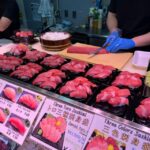
Price and what you really get for about $125.19
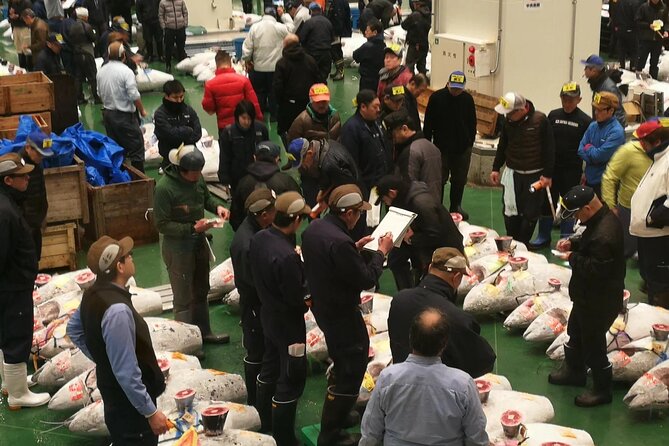
At $125.19 per person, this is not a bargain bus ride. It is priced like a specialty morning with real access, a licensed guide, and a planned food stop with reservations.
Here is why the value can feel strong for the right person:
- You are not just paying for a walk-through. You are paying for guide access, timing, and help understanding what you see during the auction rush.
- You get reserved seating at Ichiba sushi. Even if you have to pay the meal separately, having a reservation can save you from wasting time hunting for a counter that has space.
- You get extra market value beyond the auction, including intermediate wholesale areas and specialty shop time, plus souvenirs from market vendors.
Two costs to factor in up front. The sushi meal cost is not included, and transportation from your hotel to the market is not included (even though the guide can help arrange the ride). In practice, you should treat the total day cost as tour fee plus breakfast plus getting to Toyosu.
When you do that, the math often works. You are paying to avoid the two biggest problems at Toyosu: not knowing where to stand and not understanding what you are looking at.
The 4:30 am reality check: pickup, taxis, and where to meet
This tour is scheduled to start around 4:30 am, which means the meeting point matters. The guide meets you at your hotel, and you head toward Toyosu before the auction begins.
Even though pickup is offered, the tour price does not include your transportation cost from the hotel to the market. Reviews and tour notes suggest the guide may arrange the taxi ride and you reimburse the fare. So, mentally budget for that separate payment.
The tour ends around 9:00 am, and the guide can either put you in a cab or take you to the nearest station, Shijō-mae Station. That matters, because you are not left stuck at the far end of Tokyo with an empty stomach and sore legs.
Also plan for weather. The experience requires good weather. If it is canceled due to poor weather, you are offered a different date or a full refund.
Stop 1 at Toyosu: the quick orientation that saves you later
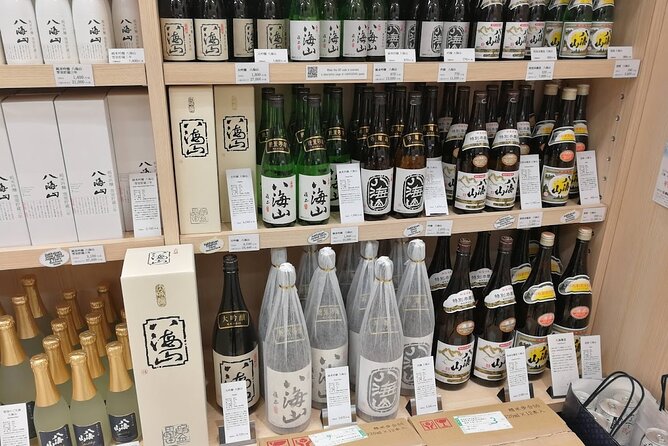
The first part is short, about 20 minutes, and it happens at Toyosu. I like that it is not a cold start. You get a baseline understanding before the auction chaos starts.
This early briefing is where you learn how to read the market layout and what the auction process means. If you are the type who gets lost in crowds, this step helps you find your footing fast instead of wandering while the auction begins.
You are also in a good mindset for what comes next. The auction itself runs hard and fast, and having the “what you are about to see” context makes the whole morning feel intentional instead of random.
Stop 2: the tuna auction, from inspection to the bluefin finish
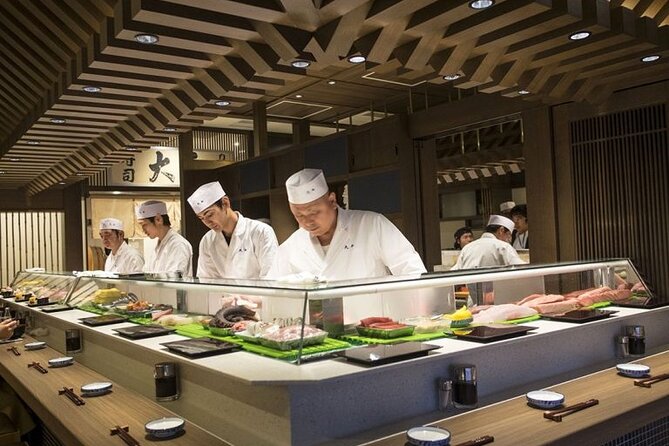
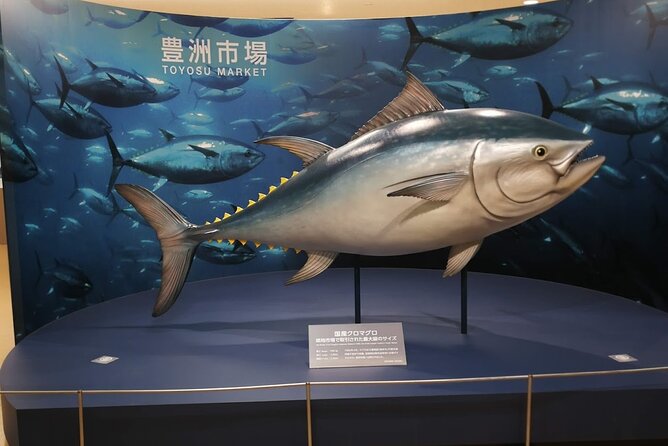
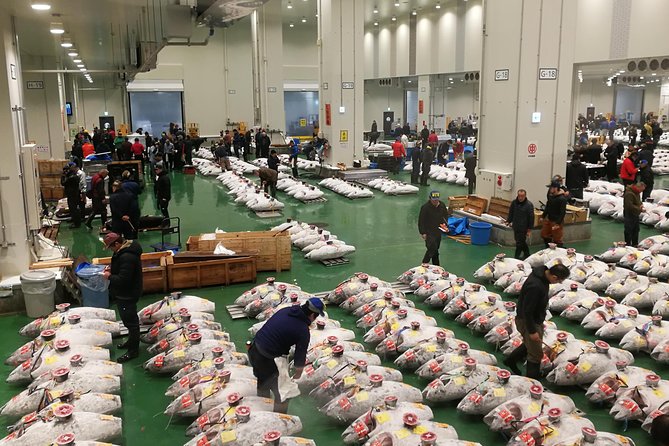
The core auction time runs from 5:00 to 6:30. The big promise is that you watch the complete process from the closest possible spots, including the deck area when access is secured through the lottery.
What makes this section special is the guidance. A tuna auction is not just one dramatic moment. There are steps: inspection, bidding, and the final phases that seafood people talk about with real excitement. When you know the flow, it stops feeling like noise and starts feeling like a system.
The auction also has a practical side. It moves quickly, so your viewing position matters. This tour aims to get you into position right at opening, so you are not spending the first minutes trying to find a gap.
More Tokyo tours and experiences for the shortlist
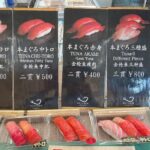
The deck lottery, your chance at the closest view
Toyosu has a deck-style viewing option that can be significantly closer to the action, but access is done through a lottery. The tour includes a way to apply with the guide (book before the deadline). If you already won through your own application, you are welcome to join that access as well.
Important consideration: winning is not guaranteed. If you do not get deck access, you can still have an excellent viewing spot and get the auction explained in real time. So, do not let the lottery be the sole reason you book. Use it as an upside.
When you do win, the typical experience is watching from above the auction floor with a glass barrier and a clear view of what is happening. You can also hear and see the auction clearly because you are set for that angle.
Stop 3: the Ichiba sushi reservation and the market walk that actually teaches you
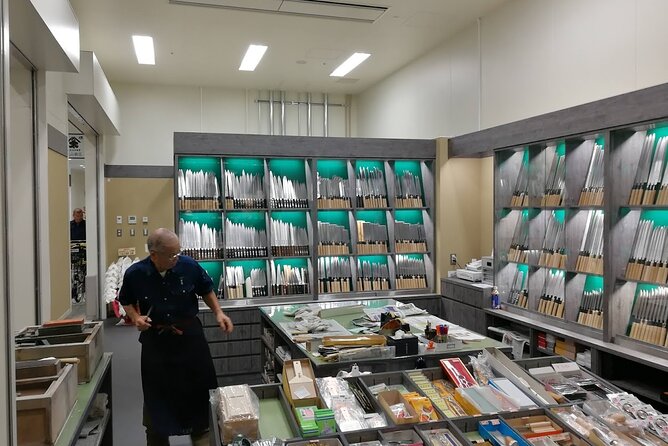
After the auction, the tour continues through 6:30 to 9:00 with a guided market tour and food time. This is where the experience becomes more than a spectacle.
Reserved sushi seating at Ichiba sushi
You get reserved seating at Ichiba sushi, but remember the meal cost is not included in the tour price. In other words, the tour helps you get a place, you pay for what you order.
I like this arrangement because it respects how early mornings work. Breakfast at the market is part of the cultural rhythm, but walking in without a reservation can mean waiting or missing out depending on your timing.
The sushi experience can include chef’s choice style ordering, and it is often described as a highlight of the whole Tokyo trip. Even if you are not a huge sushi person, the value here is that your sushi is connected to what you just watched in the auction.
Market tour through wholesale zones and specialty shops
Once you finish eating, the guide leads you through the market areas where trading and prep information matters. This is where you see ingredients and tools up close, including shops and vendor areas beyond the simple tourist loop.
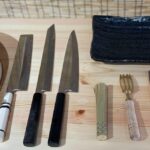
You may also get stops tied to how sushi gets made. One very memorable element from past experiences is the focus on knives, including the idea that there are many tuna-specific knives and different tools for different prep tasks. That kind of detail is exactly what turns a market tour into real food education.
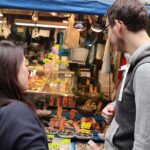
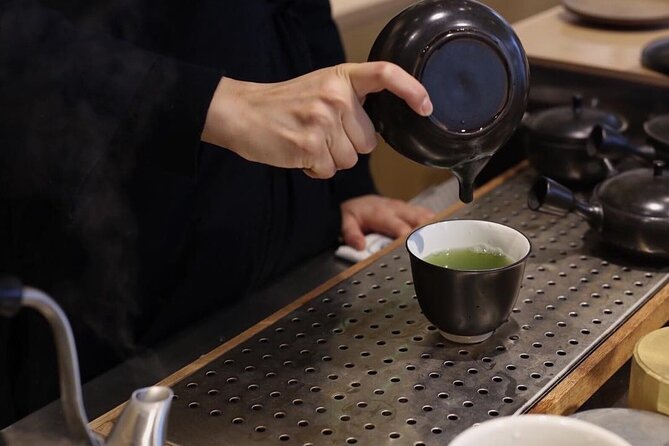
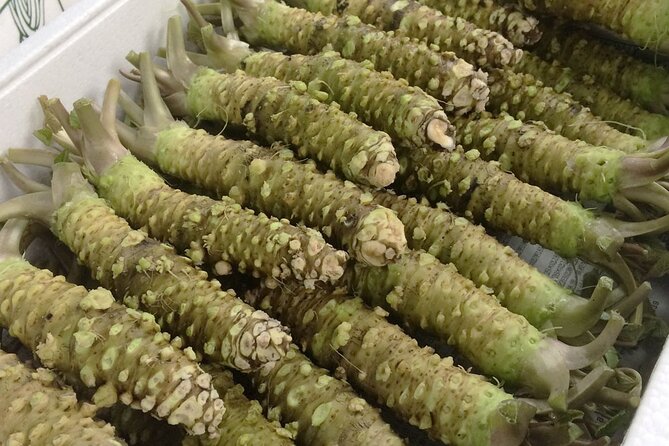
You can also sample and shop for authentic Japanese ingredients. Common stops can include things like pickled vegetables, matcha, sake, nori, bakery items, and dairy products. You are not just looking, you are learning how ingredients are used and why they are prized.
The goal is for you to leave able to appreciate sashimi and sushi with a clearer understanding of why the fish and toppings taste the way they do.
Souvenirs, handouts, and the little “how to” that makes a huge difference
One of the strongest perks here is the guide’s teaching style. You get handouts that make the auction and sushi culture easier to follow. People describe these materials as comic-strip style and practical, with tips on sushi eating and the process of fish prep.
That matters because the auction is fast and noisy. Without translation for the “why” behind each step, you might only remember the highlights. With visual and written support, you can remember the process.
Souvenirs from specialty shops are also part of the plan. That is a simple benefit, but it saves you from doing the awkward late-market scramble after you should have been heading out.
Who this tour fits best, and who may want a different plan
This is a great match if you:
- Want the tuna auction plus the supply-chain story, not just the spectacle
- Like small group mornings and a guide who speaks to your questions
- Care about sushi culture, etiquette, and ingredient quality
- Plan to eat at the market and want a reservation rather than a wait
It may be less ideal if you:
- Hate very early wake-ups
- Expect the meal cost to be included in the ticket price
- Want purely casual wandering time with no explanation
Also consider comfort. The auction time and market walk both take place early in the day. You will be on your feet, so wear shoes you trust.
Should you book this complete tuna auction tour?
If you are going to Toyosu anyway, I think this is one of the smarter ways to do it. You get the auction viewing in the right order, you get guided context that helps everything click, and you get help with sushi seating at Ichiba sushi.
Book it if you want a guided morning that teaches you what you are seeing, including the auction flow and the market’s wholesale side. Skip it if you only want a vague taste of Toyosu and you plan to handle the logistics yourself.
My final decision tip is simple. If you are the kind of traveler who likes to understand how food systems work, this tour’s early start and separate meal cost are worth it. If you just want a quick photo stop, you may prefer a more casual market visit.
FAQ
What time does the tour start?
The tour start time is around 4:30 am, with the guide meeting you around that time.
How long is the tour?
The duration is listed as about 4 to 5 hours.
Where does the tour take place?
It is in Toyosu, Tokyo, with the start and meeting at Toyosu and the end near Shijō-mae Station.
Is the tuna auction viewing included?
Yes. You watch the complete tuna auction process from the closest possible spots, and deck viewing can be available if you secure it through the deck lottery.
Do I have to pay admission tickets?
Admission tickets are listed as free for the included parts of the tour.
Is breakfast included in the tour price?
No. The sushi meal cost and breakfast price are not included, even though the tour includes reserved seating at a market sushi restaurant.
Is hotel pickup included?
Pickup is offered, and you should provide your hotel in the special requests so the guide can coordinate.
How does the deck lottery work?
There is a deck lottery option, and you can apply with the guide if you book before the deadline. If you apply yourself and win, you are also welcome.
What is the group size limit?
The tour has a maximum of 13 travelers. It also mentions that groups of 4 or more automatically become a private tour.
What happens if the weather is bad?
The experience requires good weather. If it is canceled due to poor weather, you will be offered a different date or a full refund.
Can I cancel for a full refund?
Yes. You can cancel up to 24 hours in advance of the experience start time for a full refund. Less than that is not refundable.
More Shopping Tours in Tokyo
More Tours in Tokyo





More Tour Reviews in Tokyo


Not for you? Here's more nearby things to do in Tokyo we have reviewed












Tsukiji Market Tours, side by side.
 ★ 5.0Tokyo Tsukiji Fish Market Food and Culture Walking TourFrom $993,184 reviews
 ★ 5.0Tsukiji Fish Market Food and Walking tourFrom $301,724 reviews
 ★ 4.9Tsukiji Fish Market Guided Walking TourFrom $221,397 reviews
 ★ 5.0Tokyo Sushi Making Class in Tsukiji with Professional ChefFrom $491,177 reviews
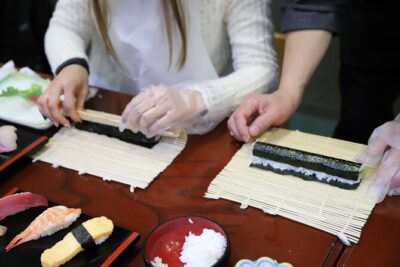 ★ 5.0Tsukiji Fish Market Guided Tour and Sushi Making with Pro ChefFrom $104775 reviews
★ 4.7Tsukiji Fish Market Food and Culture Walking TourFrom $96757 reviews
★ 5.0Tsukiji Fish Market Guided Tour and Sushi Making with Pro ChefFrom $104775 reviews
★ 4.7Tsukiji Fish Market Food and Culture Walking TourFrom $96757 reviews
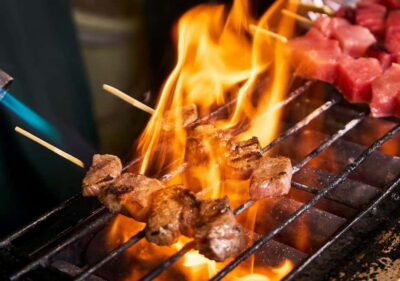 ★ 5.0Tsukiji Fish Market: Street Food & Culture Walking TourFrom $33669 reviews
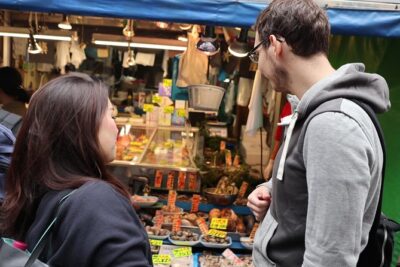 ★ 5.0Tsukiji Fish Market Small-Group Food Walking TourFrom $87621 reviews
This tour also belongs to