
Review · TOKYO CITY TOURS
Discover Tokyo: 3-Hour Private Guided Photo Walking Tour
Tokyo is made for pictures, and this tour helps you notice them.
With a private guide, you pick the neighborhood and get personalized instruction to improve how you shoot. I especially like the way you can choose morning or nighttime street photography, so your photos match the mood you want. One consideration, you will be walking for 3 hours, so plan comfy shoes and a steady pace.
I also like the specific Tokyo stops that go past the obvious photo ops, like Shibuya’s back alleys and hidden shrines, plus the high-energy grid around Shibuya Station. The guide listed as bunga, often called Bunga in comments, gets praised for an expert eye and easy photo tips that you can use right away. The only drawback is that because it is private and customized, you need to be clear about your camera and what you want photographed, or you may spend a little time settling in.
If you are looking for a photo shoot that feels like walking with a local who knows where to stand, this one fits. It is also great if you want images you can actually share, not just a memory dump of blurry crowds.
Key moments that make this photo walk worth your time
- A private, photo-focused guide who works on your angles and choices, not just the route
- Choose your neighborhood and time of day, Shinjuku, Shibuya, Akihabara, and more
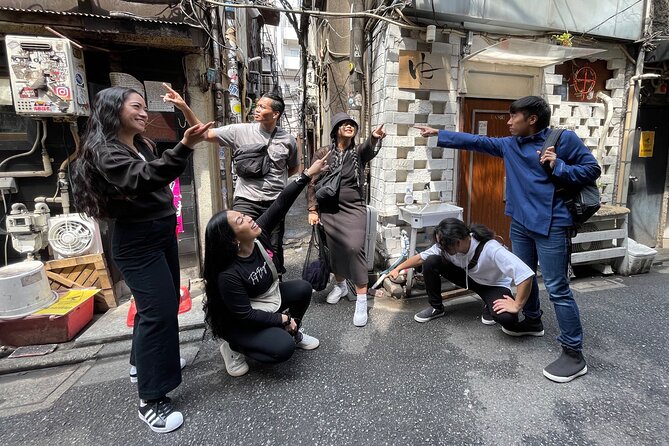
- Shibuya Station coverage plus back alleys, hidden shrines, and rooftop park views
- Akihabara details for electronics and anime culture shots in street-level scenes
- Shinjuku corners for Godzilla, Golden gai, and Kabukicho tower photography
- Practical photo tips that guests say change how their pictures come out
Kickoff at Hachiko Square, then choose your Tokyo mission
Your tour starts at Hachiko Square 2 Chome-1 Dogenzaka, Shibuya, Tokyo 150-0043. From there, it is a 3-hour private walking experience that ends back near the starting point, which makes it easy to plan the rest of your day.
This format is simple and good value if you care about photos, because you are not paying for a bus ride or timed museum entry. The tour includes all fees and taxes, and the “admission ticket” part is free, so your money goes into the guide, the route, and the photography coaching.
Because it is private, you can set the tone fast. If you want calmer shots with less crowding, you will likely prefer morning. If you want neon-style energy, you will likely choose nighttime. Either way, the guide can steer you toward angles and spots that make sense for your pace and camera.
You can also read our reviews of more walking tours in Tokyo

Morning or nighttime shooting, how to pick the vibe
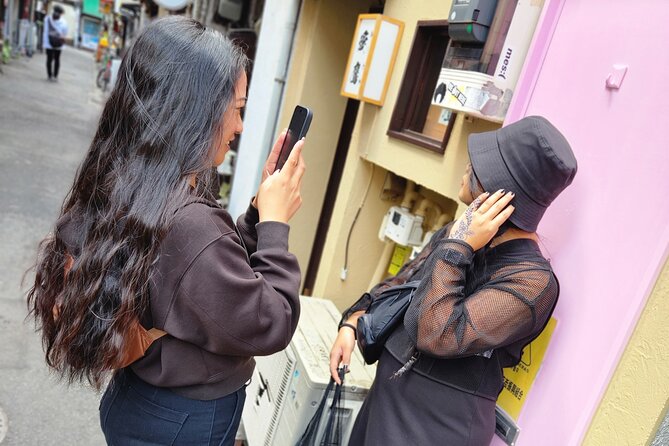
The tour gives you a real choice: morning or nighttime street photography. That matters, because Tokyo’s street look changes a lot with light, and your best shots depend on what you enjoy photographing.
Morning tends to feel more breathable. If you like clean compositions and want time to work through settings without the scene getting away from you, morning is a smart pick. It also tends to make it easier to cover neighborhoods on foot without rushing.
Night can be more fun if you like high contrast and energy around bright signage and street activity. Several guests highlight the guide’s ability to show them great spots in Shibuya, including areas that feel different from the usual tourist shots. You are paying for that timing and knowing where to stand when the lights are doing their thing.
My practical advice: pick the time of day that matches what you actually want to post. If your goal is “clear, sharp, and shareable,” morning may reduce headaches. If your goal is “Tokyo mood,” nighttime helps you capture that feeling.
Shibuya Station to secret alleys, the photo walk people talk about
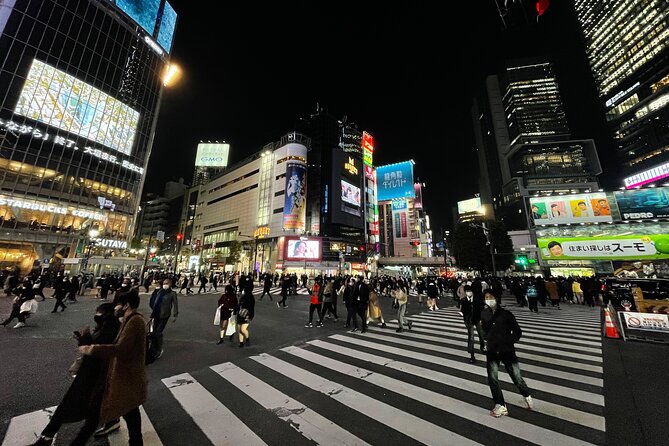
Shibuya is the most detailed area in the tour description, and it is where the experience gets extra interesting. A Shibuya-focused route covers the area from the East side to the west side of Shibuya Station, plus back alleys, hidden shrines, and rooftop parks.
That combination is why this tour works for photos. Shibuya Crossing is the obvious target, but the strongest images often come from what is beside it. You get the contrast: big landmark energy and then smaller, quieter scenes where the background is less predictable.
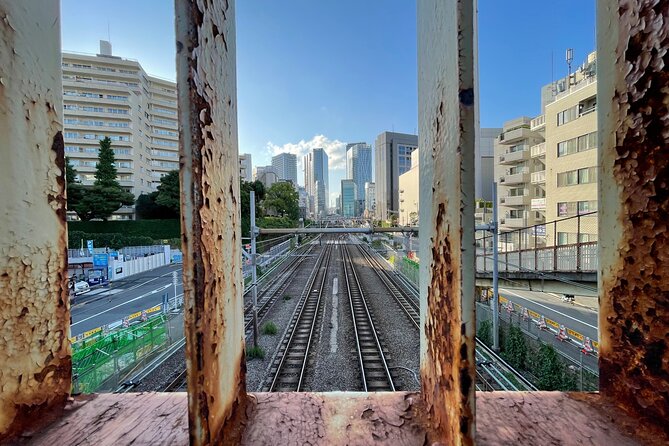
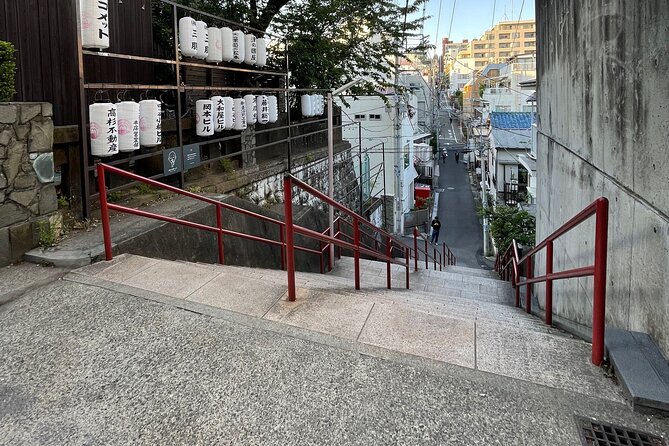
You also get texture. Back alleys mean more layered depth for your frame. Hidden shrines give you strong visual focal points that feel distinctly Tokyo. Rooftop park angles, even if you only get glimpses, can turn a crowded area into something more graphic for your camera.
A heads up: Shibuya is also where crowd density can change quickly. This is exactly where having a private guide helps. You can pause, wait for a gap, and reset your shot plan without feeling like you are holding up a large group.
Akihabara for electronics, maid cafe culture, and street-level anime style
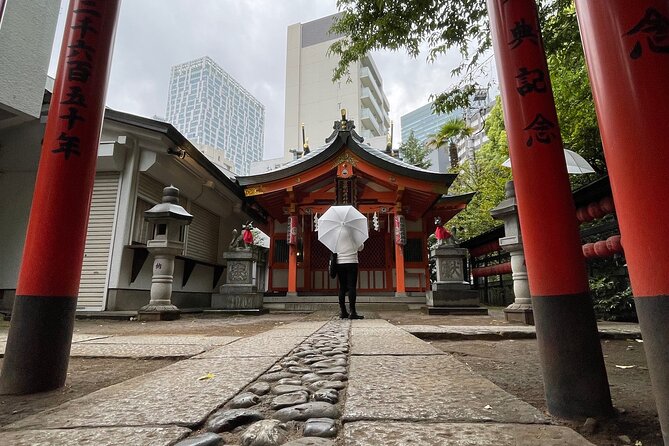
Akihabara is described as an area known for electronics, maid cafes, and anime culture, and your photo walk takes you through the heart of it. This is a great choice if you like close-up textures and signage-driven photography.
What makes Akihabara a strong match for a guided photo walk is that it can be visually chaotic if you do not know where to aim. A guide helps you avoid the scattershot approach. Instead of taking random pictures, you can focus on a few story lines, like storefront details, themed corners, and the human scale around the electronics streets.
In a 3-hour window, Akihabara works best if you are comfortable choosing a theme. For example, you might focus on people and costumes near themed areas, or you might focus on the electronics streets where reflections and product displays can create strong frames. The personalized instruction is what helps you decide how to shoot, not just where to walk.
Also, if you are traveling with friends or family, Akihabara can be a fun way to photograph different interests in one block of time. Some shots will be about style and characters, others will be about the practical chaos of a tech district.
Odaiba: modern Tokyo views with room for your own frame
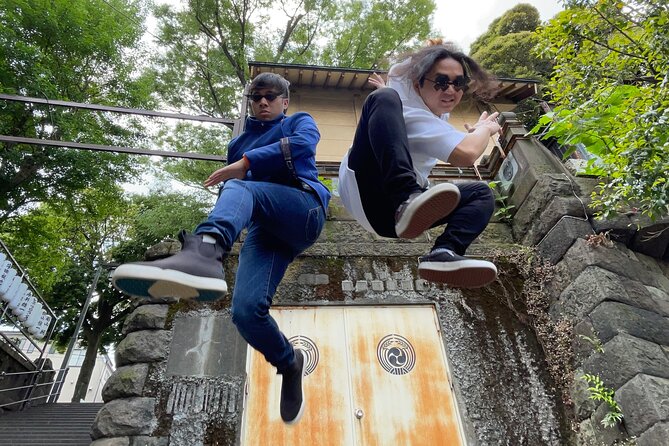
Odaiba is included as a stop option, with the promise of unique spots and hidden gems you can capture. The description does not list specific named landmarks, which actually gives you flexibility. It suggests the guide is aiming for angles and photo moments that feel special rather than forcing a checklist of the usual icons.
If you prefer photos that feel slightly more controlled than the center-core streets, Odaiba can be a nice change. You may find it easier to compose shots when you can walk to a viewpoint or a clearer street pattern. Still, you will want to use the guide’s photo tips to keep your images intentional, not just wide and quick.
How I’d choose Odaiba: pick it if you want variety after neighborhoods that are heavy on signage. Use the time to play with framing and perspective, and treat it like a “skills check” area where you apply what you learned earlier in the walk.
You can also read our reviews of more guided tours in Tokyo
Shinjuku corners: Godzilla, Golden gai, and Kabukicho tower shots
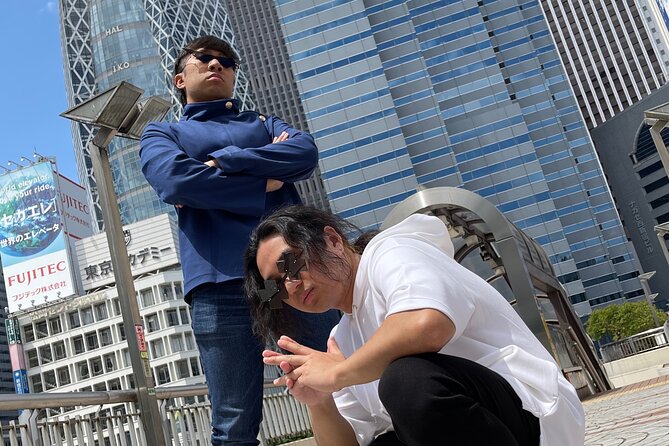
Shinjuku is described with very specific photo targets: Godzilla, hidden alleys, Golden gai, Kabukicho tower, and other hidden spots. That kind of detail is great because it means you are not just walking through a big district, you are heading for recognizable visual hooks.
Golden gai in particular can be a goldmine for photography because it is made for narrow streets and close compositions. If you like shots that feel atmospheric, small, and story-driven, Shinjuku’s alley sections can give you that.
Godzilla is the obvious landmark, but the real value is pairing it with the surrounding hidden alleys. That pairing helps your photos feel like a set. Instead of one famous photo, you get a sequence: landmark energy, then side-street character, then neon-heavy town texture near the tower areas.
One practical consideration: Shinjuku can feel intense. That is not a reason to skip it. It is a reason to go in with a plan. If you tell your guide what you want, you can move through the busy areas efficiently and still get time for thoughtful shots.
Personal instruction that changes how you shoot
This tour’s biggest selling point is not just location, it is the personalized instruction. Guests describe the guide, often called Bunga, as an excellent photographer who gives practical tips and helps you get better results.
You should expect coaching that is hands-on, not a lecture. The comments point to easy expert photography tips that guests say change their pictures. You also get humor and a relaxed vibe while you walk, which matters. Street photography is easier when you feel comfortable and the guide can help you make quick decisions without stress.
What I’d do before you start: know what you are shooting with. If you are using a smartphone, tell the guide you want smartphone-friendly settings and framing strategies. If you have a camera, tell them what you want to practice. The tour is private, so your time is valuable, and your goal should be to leave with images that look like you meant to take them.
Also, one charming detail from the comments: Bunga is credited with pointing people to fun places to eat and drink, with examples like Rainbow Pancakes in Shibuya. Even if food is not the main mission, having a guide who knows the local rhythm helps your experience feel more real.
Price and value for a 3-hour private photo experience
The price is $114.31 per person for about 3 hours. That is not cheap, but you are paying for a few things that group tours often do not deliver.
First, it is private. That means your guide can spend more time adapting to your pace and photography needs. Second, you are not just buying a route. You are buying instruction aimed at improving your photos. Guests consistently call out that the results are well worth it, and that they captured good moments for their trip.
Third, it is flexible. You can choose neighborhoods like Shibuya, Shinjuku, and Akihabara, and you can choose morning or nighttime. Flexibility is value because it prevents you from wasting time in an area that does not match your interests.
If you are traveling solo, the price can feel steep, but the private format often still makes sense because you get one-on-one guidance. If you are traveling with a small group, private value improves because you can match multiple shooting styles and still keep the walking plan focused.
Who this tour suits best, and who might want a different plan
This experience fits best if you:
- Want to focus on photography, not just sightseeing
- Like walking and can keep a moderate pace for 3 hours
- Prefer a customized neighborhood rather than a one-size-fits-all tour
- Want help improving your shots, especially in busy areas like Shibuya and Shinjuku
It might be less ideal if:
- You want a fully structured “tick every landmark” sightseeing day
- You are not interested in photography coaching and just want casual photos
- You struggle with walking, since the tour has a moderate physical fitness level note
One more practical note: the meeting point is near public transportation, which helps. Also, service animals are allowed, so you can plan without added stress.
Should you book this private Tokyo photo walk?
Book it if you want Tokyo photos that look like a plan, not a scramble. The strongest reason to reserve is the mix of specific photo-focused areas and personal instruction from a guide who gets repeated praise for helping people take better pictures. Shibuya is a particularly strong option if you want landmark energy plus quiet details, and Shinjuku is ideal if you want alley scenes and recognizable photo targets.
I would pass if you are expecting a long, multi-neighborhood day with lots of named attractions. This is tight and focused. If you want one great photo mission and you like the idea of a guide helping you choose where to stand and how to shoot, this tour is a solid use of your time.
FAQ
How long is the Discover Tokyo 3-Hour Private Guided Photo Walking Tour?
The tour is about 3 hours.
How much does the tour cost?
The price is $114.31 per person.
Is this a private tour?
Yes. It is private, so only your group participates.
Where does the tour start?
The meeting point is Hachiko Square 2 Chome-1 Dogenzaka, Shibuya, Tokyo 150-0043, Japan.
Can I choose what time of day I go, morning or nighttime?
Yes, you can choose between morning and nighttime street photography.
Which neighborhoods can I explore?
You can choose areas such as Shinjuku, Shibuya, Akihabara, and more.
What is included in the price?
It includes all fees and taxes.
Are snacks included?
No, snacks are not included.
Are tips required?
Tips are optional.
Is free cancellation available?
Yes. You can cancel for a full refund up to 24 hours in advance.
More Walking Tours in Tokyo
More Tours in Tokyo





More Tour Reviews in Tokyo


Not for you? Here's more nearby things to do in Tokyo we have reviewed












Tokyo City Tours, side by side.
 ★ 5.01-Day Tokyo Bus TourFrom $12914,250 reviews
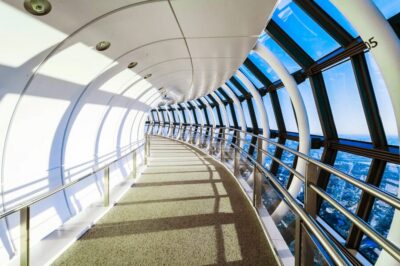 ★ 4.5TOKYO SKYTREE® Admission ticketFrom $1311,192 reviews
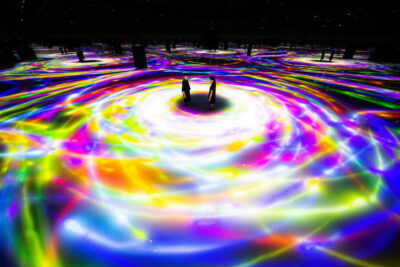 ★ 4.6teamLab Planets TOKYO Digital Art Museum Entry TicketFrom $259,779 reviews
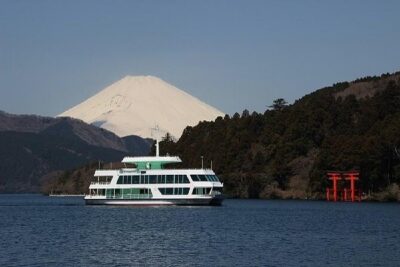 ★ 4.0Mt Fuji & Hakone Cruise, Drum Show Bullet Train 1 Day from TokyoFrom $1497,413 reviews
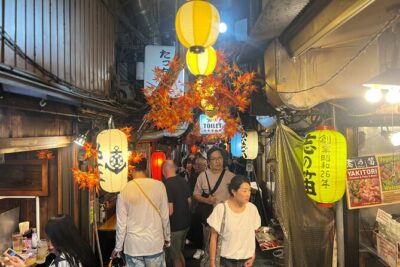 ★ 5.0Shinjuku Food Tour (13 Dishes at 4 Local Eateries)From $866,603 reviews
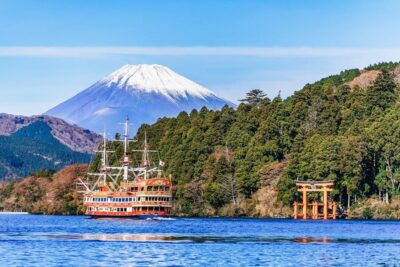 ★ 4.4Tokyo Mt Fuji 5th St & Hakone Cruise Bus Tour w/Bullet TrainFrom $1545,024 reviews
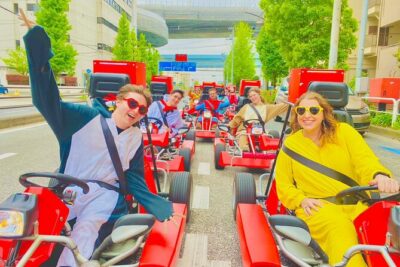 ★ 5.0Flagship 2-Hours Official Street Go-Kart Tour – Tokyo Bay ShopFrom $644,974 reviews
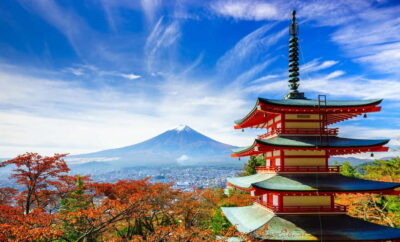 ★ 4.5From Tokyo: Mount Fuji Full-Day Sightseeing TripFrom $684,970 reviews
This tour also belongs to