
Review · KAMAKURA DAY TRIPS
Full Day Kamakura Tour, From/To Tokyo, Yokohama, 2- 12 guests
Kamakura and Enoshima make a perfect day reset. This private driver-guide tour strings together bamboo, Buddha, and seaside sights without the stress of crowded trains. I like the flexible schedule that adapts to your pace, and I also like how the guide helps connect the dots between temples and the stories behind them. The main drawback is simple: you will do some walking, including temple stairs, so comfy shoes matter.
With pickup from Tokyo or Yokohama and a private vehicle for your group of 2 to 12, the plan is built to cover a lot in one day. You get mobile ticket convenience, plus transfers between dispersed stops, so you spend more time looking and less time figuring out trains.
Key highlights to look for
- Bamboo quiet at Hokoku-ji, with time to slow down (and yes, matcha tends to be part of the experience)
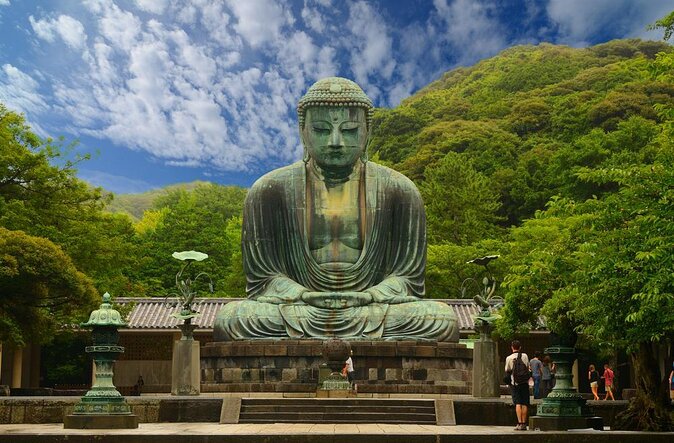
- Kamakura’s Great Buddha at Kotoku-in, a fast stop with big impact
- Hase-dera’s big Kannon and mercy focus, where you can see how people come for prayers
- Tsurugaoka Hachimangu Shrine, the major Kamakura shrine tied to the Minamoto era
- Enoshima Island views, plus an optional paid ride element (Enoshima Escar)
- A lunch break in Kamakura, built into the flow so you do not rush your food
Avoid crowded transit with a private pickup and driver-guide
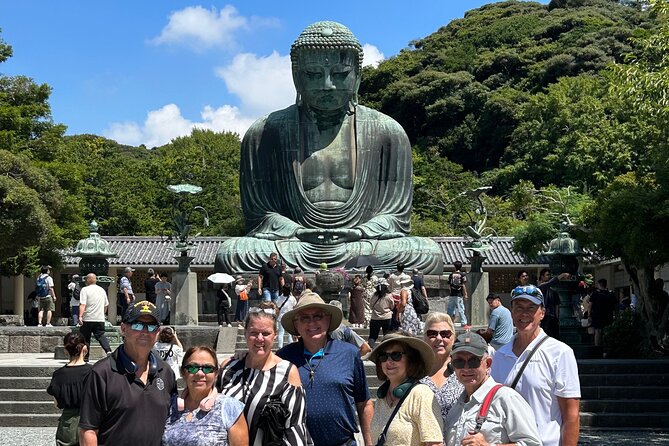
The biggest win here is transportation done right. Instead of hopping trains and timing transfers while crowds surge, you ride in a private vehicle with a driver-guide. That matters in this area because Kamakura and Enoshima can feel busy, especially around popular temple times and weekends.
The guide also helps you avoid the common day-trip mistake: treating each stop like a separate mission. Your route is planned so you are not zigzagging across the map. You also get explanations as you go, which turns a walk-through into something you actually remember.
Because it is a private tour, your group can move at your pace. If someone needs a restroom break, wants a few extra minutes at a viewpoint, or wants to buy a small snack before the next temple climb, you can usually adjust.
More Tokyo tours and experiences for the shortlist
Price and logistics for a group up to 12
This costs $715.34 per group (up to 12 people) for about 9 hours. That sounds high until you do the math. When you split it across a small group, the per-person cost drops quickly, and you are paying for something you cannot replicate easily on your own: private vehicle transfers plus guide service, in a day where locations are spread out.
Admissions are separate. The listed fees include:
- Bamboo Temple at ¥1,000
- Hase Temple at ¥400
- Kotoku-in Temple at ¥300
- Enoshima Escar at ¥500
The total is shown as ¥2,200 per person, which appears to be the combined estimate of those paid components. Budget for that, and you will avoid the end-of-day surprise fee shock.
Lunch is also on you. The guidance is ¥1,500 to ¥2,000, and there is a 1-hour lunch time in Kamakura. If you want ramen, this itinerary is a good fit for that kind of stop.
Two practical notes:
- You likely want cash on hand for admission counters and snacks, even if you are using a mobile ticket for the tour side.
- Wear something you can walk in. Temple stairs and stone steps are part of the deal.
Hokoku-ji Temple and its bamboo grove calm
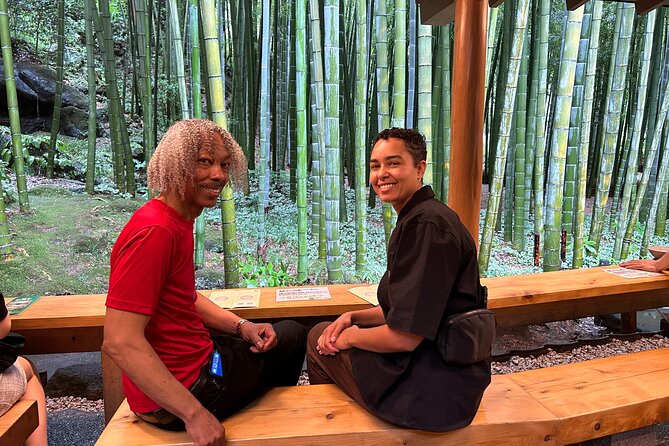
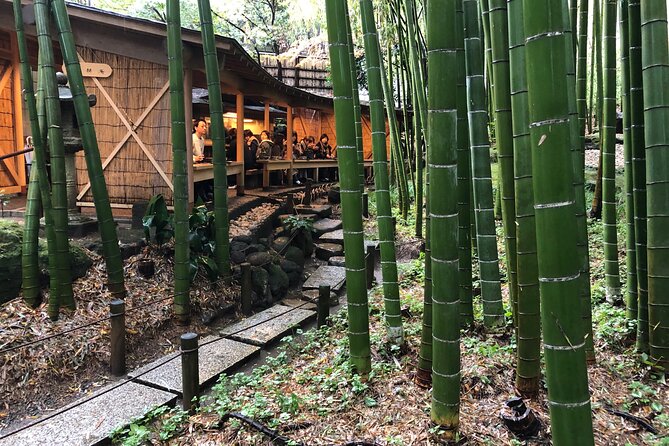
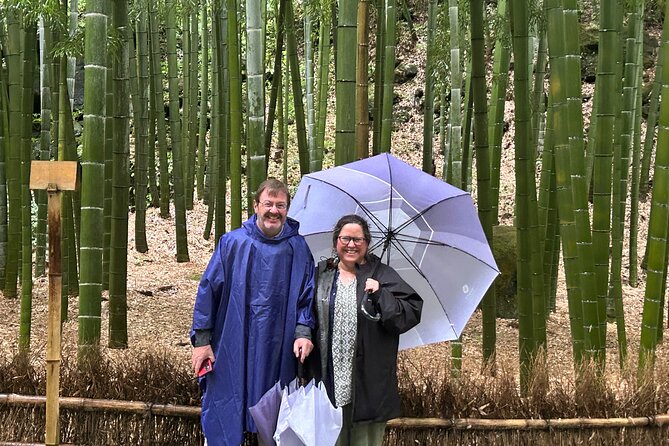
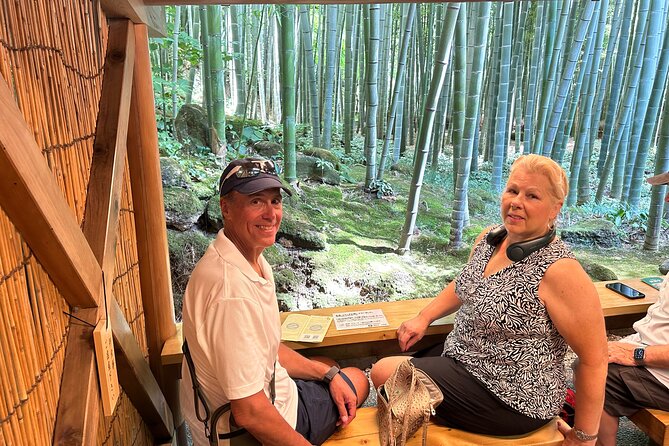
Hokoku-ji is famous for a small but powerful bamboo grove behind the main hall. The paths are narrow, and the bamboo stalks create that hushed feeling you get in fewer places. This stop is about atmosphere as much as sightseeing.
What I like about it as a first big temple stop is timing. Early in the day, the grove feels more serene and less rushed. Later, the same place can feel busier, so arriving when you are still fresh helps.
You might also appreciate the little details that make the area feel lived-in, not just scenic. A matcha pause often becomes part of the memory here, and it is the type of simple break that fits perfectly with the bamboo mood.
Potential drawback: you will spend some time walking through uneven paths. It is not extreme hiking, but if you have mobility issues, it can feel a little more effort than a flat city stroll.
Kotoku-in Great Buddha, a short stop with big visual weight
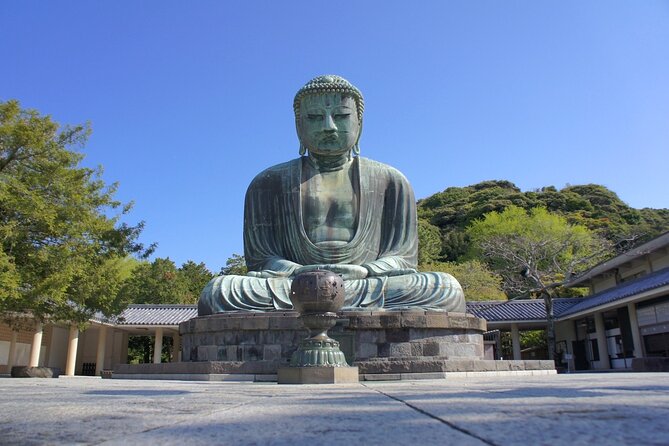
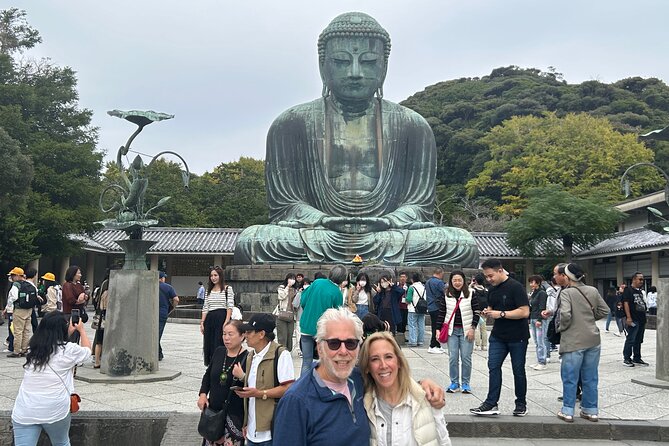
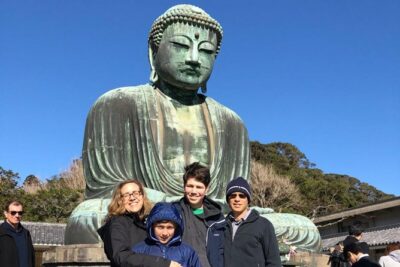
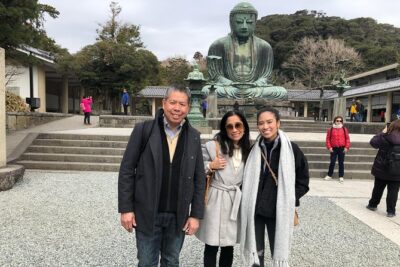
Kotoku-in is where you meet the Great Buddha of Kamakura, a bronze statue of Amida Buddha. It stands on temple grounds and is famously tall at 11.4 meters. Even if you only have a short visit here, it is one of those sights that anchors your whole day.
This is also a good “reset” stop after the bamboo. The grove is about quiet and texture. Kotoku-in is about presence, scale, and the way the statue sits in its setting.
Time on this stop is about 30 minutes, which is enough to take in the Buddha, look around the grounds, and keep the day moving. If you are the type who likes to read every sign, you may feel slightly rushed. If you prefer soaking up the view and photos without overthinking, it will feel perfectly paced.
Admission applies here, so budget the ¥300 included in the overall total estimate.
Hase-dera and the eleven-headed Kannon mercy prayers
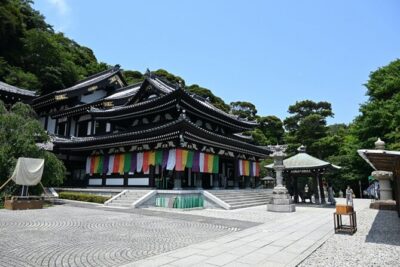
Hase-dera is known for its famous eleven-headed statue of Kannon, the goddess of mercy. The main statue is listed as 9.18 meters tall and is described as a large wooden sculpture. This is not a quick “look and go” type of temple. It rewards a slower pace.
In terms of vibe, Hase-dera is often where the day shifts from scenery to meaning. People come with specific hopes, and you can often see that in what visitors choose to pray for and what they spend attention on. One of the standout themes connected to Hase-dera is mercy, including prayers related to healing and also hopes connected to unborn children.
You might notice that some donation practices and offerings are part of the temple experience. This is where the guide’s context helps, because without it, you can miss why certain areas matter.
The visit here is about 1 hour, and that is realistic if you plan to look carefully. Potential drawback: there are steps and changes in elevation, and it can feel like a lot if you already walked a lot earlier in the day.
Admission is listed as ¥400 for the Hase Temple component, so add it to your day budget.






Tsurugaoka Hachimangu Shrine and Minamoto roots
Next up is Tsurugaoka Hachimangu, Kamakura’s most important shrine. It has deep historical ties, including founding in 1063 and later enlargement and relocation in 1180 by Minamoto Yoritomo, the founder of the Kamakura shogunate line.
This stop adds a different flavor than the Buddhist temples. Instead of focusing on statuary and compassion, you get a shrine atmosphere tied to ceremony and legend. The setting also tends to make photos easier because the grounds are laid out for viewing.
Time here is about 45 minutes, and since it is free admission, it is a good place to spend time without feeling like you must rush because you paid per-minute.
Potential drawback: like many shrine approaches, it can get crowded. The upside of having a private vehicle and a flexible guide is you can time your arrival so you are not fighting the biggest rush.
Enoshima Island, shrine views, and the Enoshima Escar ride
Enoshima Island is a short ride west of Kamakura, connected by bridge to the mainland. It is touristy, yes, but that can work in your favor on a day trip, because it gives you multiple types of attractions in one compact area.
The guide plan includes about 1 hour 30 minutes here. That is enough time to walk around, see the island shrine area, and take in coastal views without turning the day into a marathon.
There is also a paid component listed: Enoshima Escar at ¥500. Because the tour pricing lists this separately, you can decide whether to include it based on how much you want to spend and how tired you feel by then.
What you can expect from this part of the day:
- Coastal scenery that gives your camera a break from temple shots
- A different rhythm, more open-air than the earlier stops
- A chance to buy small snacks or souvenirs that are practical for the rest of your trip
Potential drawback: Enoshima can involve stairs and slopes depending on where you focus your time. If your legs are already feeling it after Hase-dera, plan to prioritize views over every single side street.
Lunch time in Kamakura, where to recharge
Lunch is built in with about 1 hour in Kamakura. The cost guidance is ¥1,500 to ¥2,000, which is a helpful range for planning.
One reason this stop matters is pacing. After multiple religious sites, you want a meal that does not feel like a chore. This itinerary has worked well with ramen cravings, and a ramen stop in Kamakura can be both satisfying and efficient.
If you want to get the best out of lunch time, do this:
- Eat earlier in the lunch window to avoid longer lines
- Ask your driver-guide for a practical nearby option so you do not lose time walking or hunting for a place
How the flexible private schedule helps your day feel lighter
A day like this can feel packed even when it is well planned. The schedule is built around major highlights, but private touring changes the experience because you are not stuck to train schedules.
If you hit a short line at one stop, you can sometimes spend those extra minutes at the next one. If the weather turns, you can adjust where you spend time. Since good weather is mentioned as important for the experience, that adaptability is not just a luxury.
Your guide also helps you learn the connections between sites. When you understand why Kamakura matters historically and religiously, each stop stops feeling random. You end up with a coherent story rather than a checklist.
Should you book this Kamakura and Enoshima day trip?
Book it if you want:
- A single-day hit list across Kamakura and Enoshima without public transit stress
- Private pacing for your group of up to 12
- A guide who can explain what you are seeing, not just point it out
Skip or rethink it if:
- You prefer a low-cost DIY day and are comfortable handling transfers on crowded trains
- Your group has limited walking tolerance, because temple steps and slopes are part of the itinerary
One smart decision point: if you are traveling with 3 to 6 people and can share the group cost, this tour often makes more sense than it first appears. For solo travelers or couples, it may feel less value-heavy once you add admissions and meals, but the private transport and guide time can still be worth it if you hate transit friction.
If you want a calm, well-paced day with bamboo, Buddha, shrine legends, and coastal views, this is the kind of tour that earns its place.
FAQ
How long is the Kamakura and Enoshima tour?
It runs for about 9 hours.
Where does pickup happen, and is it private?
Pickup is offered, with the tour running from Tokyo and Yokohama. It is a private tour, so only your group participates.
What group size is this tour designed for?
It is listed for groups of 2 to 12 people.
What is included in the price?
The price includes transportation related to the day trip and the guide service.
What admissions or extra costs should I plan for?
Admission fees are not included. The listed paid components are Bamboo Temple, Hase Temple, Kotoku-in Temple, and Enoshima Escar, with an overall estimate shown as ¥2,200 per person. Lunch is also not included, with a suggested range of ¥1,500 to ¥2,000.
Is there a lunch break?
Yes. Lunch time is built into the day with about 1 hour in Kamakura.
How do I receive the tour tickets?
The tour includes mobile ticketing.
What if the weather is bad?
The experience requires good weather. If it is canceled due to poor weather, you will be offered a different date or a full refund.
What is the cancellation window?
You can cancel for a full refund up to 24 hours before the experience start time.
More Full-Day in Tokyo
More Tours in Tokyo
More Tour Reviews in Tokyo
Not for you? Here's more nearby things to do in Tokyo we have reviewed












Kamakura Day Trips, side by side.
 ★ 4.5Kamakura & Enoshima Day Trip including Temple TicketsFrom $581,375 reviews
 ★ 4.5Mt. Fuji, Kamakura, Big Buddha, & Lake Ashi Day TripFrom $49867 reviews
 ★ 4.5From Tokyo: Kamakura & Enoshima 1-Day Bus TourFrom $66189 reviews
 ★ 5.0Kamakura Historical Walking Tour with the Great BuddhaFrom $98129 reviews
 ★ 5.0Kamakura Private Tour: Temples, Nature, and the Great BuddhaFrom $98121 reviews
 ★ 5.0Kamakura Walking Tour – The City of ShogunFrom $35100 reviews
 ★ 5.0Kamakura 8 hr Private Walking Tour with Licensed Guide from TokyoFrom $20180 reviews
 ★ 4.1Kamakura & Enoshima Day Tour with Pickup & Train RideFrom $1361 reviews
This tour also belongs to