
Review · IMPERIAL PALACE TOURS
Imperial Palace or Edo Castle Time Trip Learning Walking Tour
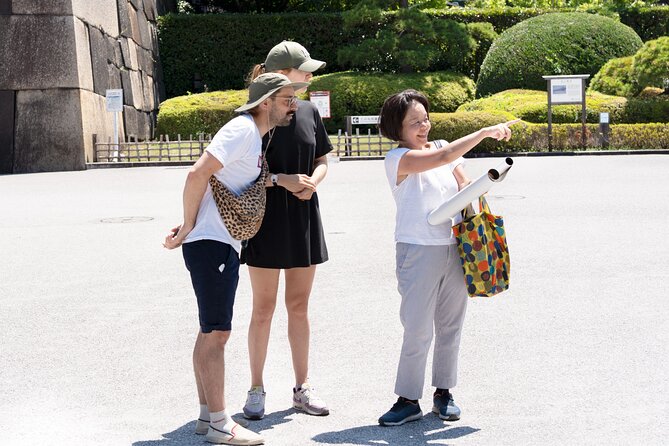
Edo Castle history starts right at Tokyo Station. I like how this time-trip tour gives you a clear Edo map (1650s) before you ever hit the gates. I also love that you get a government-licensed English-speaking guide who turns stone walls and moats into something you can picture. One thing to consider: it depends on good weather, so plan to dress for wind and sun.
You’ll cover about 5.4 km in roughly 2.5 hours, moving at a steady, humane walking pace. The center of the tour is Imperial Palace grounds, where you can see the iconic doubled bridges and then shift your mindset from emperor to shogun. I’ll be honest, the route is walk-first, so if you hate city strolling, this may feel like more movement than you expected.
The most practical part is where it ends: at Hirakawa-mon Gate, so you can roll right into more sightseeing around Chiyoda after the tour. The main value comes from the guide and the structure, not from paid museum time or long line-ups. If you want zero walking and zero thinking, you may prefer a shorter, sit-down option.
Key Things You’ll Notice on This Edo Castle Time Trip
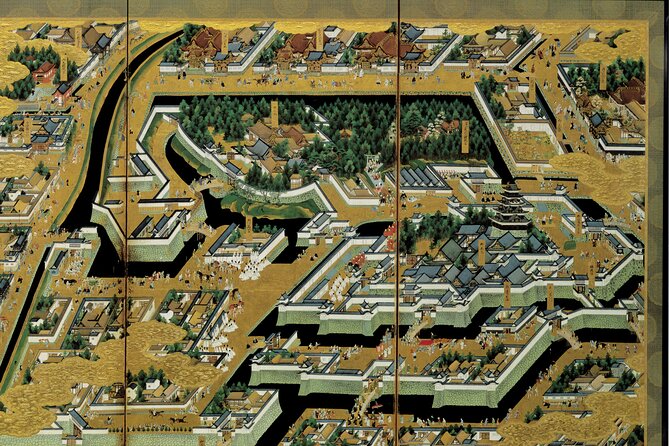
- A 1650s illustrated Edo map that helps you connect what you see to what Edo Castle looked like
- Small group size (max 8), which makes it easier to ask questions and keep the pace comfortable
- Free palace-area admissions at each stop, so your money goes toward interpretation, not ticket fees
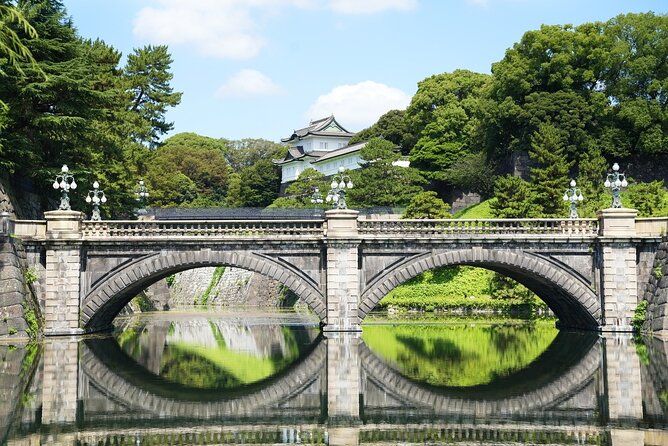
- Imperial Palace double bridges paired with Edo-era features like gates, huts, stone walls, moats, and bridges
- A short Mitsubishi Ichigokan Museum stop that frames the story of Japan’s economy before the Edo walk
- Mobile ticket for a smoother start at Tokyo Station
Edo Castle, Explained Like You Can See It
This tour is built for people who like history, but also want it to make sense while they’re standing in the middle of the real place. Instead of treating Edo Castle as a distant concept, the guide uses an illustrated map of the city of Edo in the 1650s to set your mental picture early.
What I like most is the cause-and-effect approach. You look at the kinds of structures you’d expect to defend a power center, then the guide helps you attach those structures to the people and roles you hear about, like shogun, emperor, and samurai ruling class. You also get the human side, with examples like inhabitants of Edo city and women connected to the Edo castle world.
The result is practical. You’re not just collecting facts, you’re building a model of how power, rules, and daily life might have worked in that era.
You can also read our reviews of more walking tours in Tokyo


Tokyo Station Start: Getting Oriented Without Stress
The tour starts at Tokyo Station, Marunouchi South Gate Dome area. That’s a good choice because it’s a major hub, and you’ll find it convenient if you’re already in central Tokyo.
Even so, I’d treat meeting points like a mini mission. Have your phone ready, and double-check you’re at the Marunouchi South Exit area (ground floor) so you can match the guide and group quickly. Since the walk begins immediately, being a few minutes early helps.
From there, you’ll walk through central streets and then into the Imperial Palace zone. You end at Hirakawa-mon Gate, which is a nice way to finish, because it gives you a clean transition into more sightseeing afterward.
Walking 5.4 km Through Edo’s Real Geography
About 2 hours 30 minutes, covering 5.4 km, means this is active but not punishing. It’s the kind of route where you should wear comfortable shoes and expect city walking, not off-the-beaten-path hiking.
Here’s the good part: walking is what turns interpretation into understanding. When you move from gates to bridges to walls and moats, your brain starts to see why the layout mattered. In other words, the tour uses your legs to do what a textbook would try to explain with diagrams.
If you’re prone to getting cold quickly, bring a layer. If you sweat easily, plan for light breathable clothing. And if the weather looks questionable, keep an eye on forecasts, since the tour requires good conditions.
Stop 1: Mitsubishi Ichigokan Museum as a Quick Economic Primer
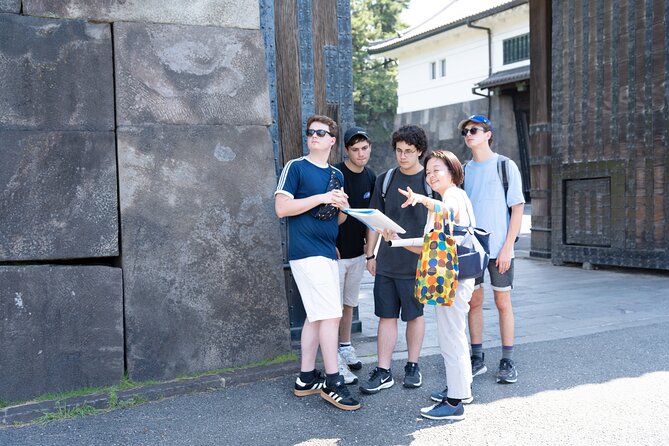
Before the Edo Castle story fully takes over, you get a short stop at Mitsubishi Ichigokan Museum. Time-wise, it’s brief, around 5 minutes, and the admission ticket is free.
The focus here is not art browsing. It’s a description connected to the Mitsubishi Group and its role in the Japanese economy, offered as a quick way to think about how Japan’s modern systems connect back to earlier periods. You’re basically getting a “today to then” mental bridge.
This is a clever pacing choice. By the time you reach the Imperial Palace area, you’re already thinking about governance and organization, not only castles and battles. If you’re the type who likes seeing how different time periods fit together, you’ll appreciate that extra framing.
Practical note: with only a few minutes, treat this as a primer, not a full museum visit.
Imperial Palace, Doubled Bridges, and the Edo Castle Mind Switch
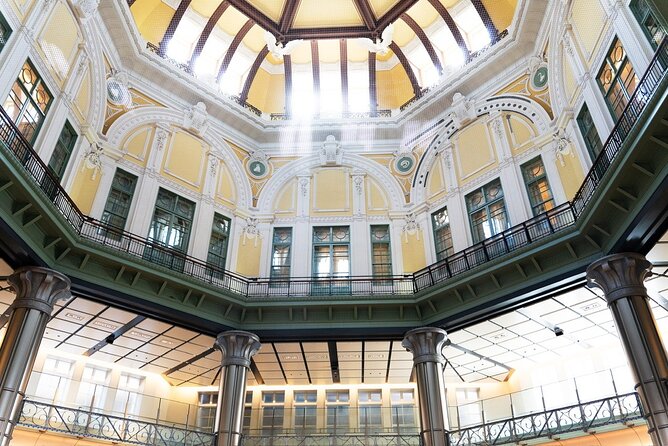
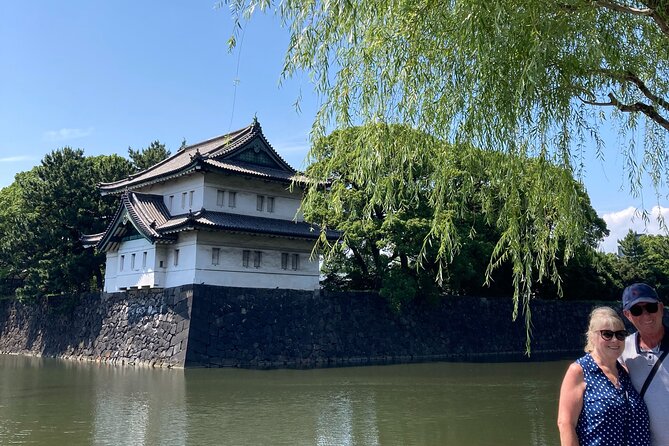
The heart of the tour is the Imperial Palace area. You’ll spend about 2 hours here, with free admission, and the guide points you toward the previous Edo castle grounds, now known as the Imperial Eastern Garden.
You start with an iconic moment: the doubled bridges of the Imperial Palace area. This is the kind of scene that instantly helps you understand why ceremonial space mattered. The guide then helps you reframe what you’re seeing, shifting the focus back to Edo Castle itself.
One of the most valuable parts is the variety of defensive and boundary features you’ll learn to notice. You’ll move past or view elements like gates, huts, stone walls, moats, and bridges. Even if many of those features look different from Edo in detail, the guide helps you use them as clues for imagining the earlier structure.
And then comes the real storytelling payoff. You’ll hear ideas about the composing elements of society, linking place to roles. Concepts like shogun versus emperor, plus the samurai ruling class, are explained so you can see how the physical layout supports the social order.
You also get room for the everyday people side. The tour includes discussion of inhabitants of Edo city and women of the Edo castle, which adds texture beyond the usual top-level power talk. You don’t need a background in Japanese history to follow along, but you will walk away with sharper questions.






Hirakawa-mon Gate: Ending With a Clearer Map of Power
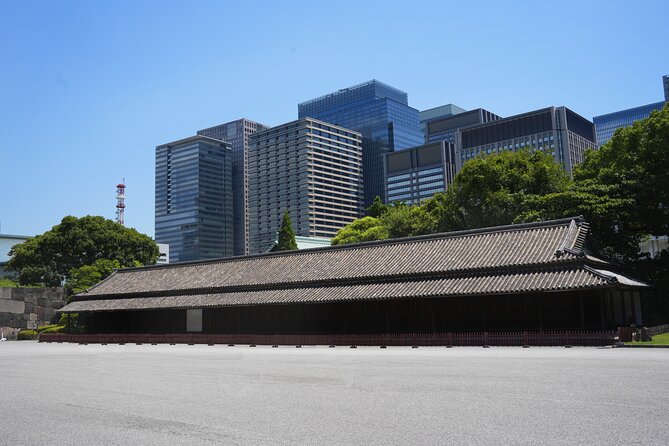
The final stop is Hirakawa-mon Gate, about 10 minutes, again with free admission. This segment is shorter, but it matters because it gives you closure and a clean moment to connect the story you just walked through.
The guide offers a summary built to help you understand Japan better and keep your curiosity growing after the tour. It’s the kind of recap that helps you stop thinking of Edo Castle as just an old nickname and start treating it as a real system, with spaces designed for authority and control.
Ending at Hirakawa-mon Gate is also practical. It keeps you close enough to continue exploring central Tokyo, rather than sending you back to where you started.
What Makes the Guide Central to This Experience
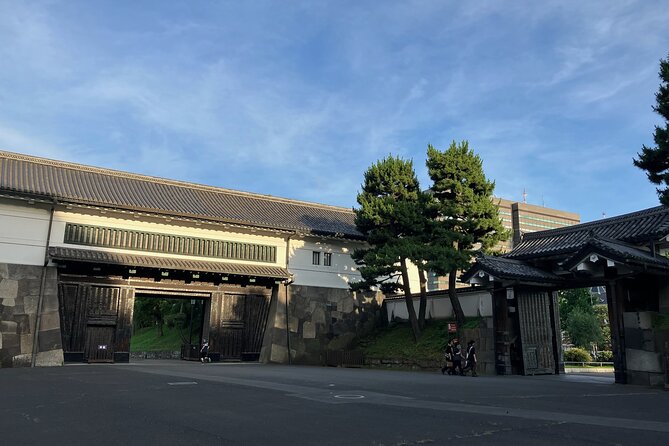
This is one of those tours where the guide quality can make or break your day. Here, the biggest strength is the combination of English-speaking guidance and a structured, map-based approach.
A named guide you might see on this tour is Blanca. Even without expecting a name drop, the takeaway you want is this: the explanation style is built for clarity. The guide is there to translate what you see into meaning you can keep using later, like when you look at other Tokyo historical sites.
The tour also has the right group size, up to 8 travelers. In practice, that usually means fewer long waits, more chances to ask something, and a guide who can adjust pace as needed.
Also, it includes a small gift. It’s not the reason to book, but it’s a nice extra that makes the experience feel complete.
Value Check: Why $3.25 Feels Like a Deal
At $3.25 per person, this tour sits in a rare price category for guided sightseeing in Tokyo. The cost might sound too low until you look at what it includes.
You get an English-speaking, government licensed guide, a structured walk, and free admission tickets at the stops. You also get a small gift and a mobile ticket for smooth entry.
What you do not get is a meal, and you do not get bottled water. That matters because it turns the tour into a “guide plus walk” experience, not an all-day package.
So the value story is pretty clear. You’re paying for interpretation and orientation, using the geography of Imperial Palace grounds and the Edo-era framework to help you understand what you see. If you want a budget-friendly, high-learning walking tour, this one is easy to recommend.
Who This Tour Is Best For
This is a strong fit if you:
- Want an Edo Castle experience without spending hours in ticket lines or hunting down explanations
- Like short stops tied to meaning, like the Mitsubishi Ichigokan Museum primer
- Prefer small-group guidance over big group chaos
- Enjoy walking and you want to learn while moving
You might want to skip it if you:
- Want a mostly sit-and-look tour
- Are sensitive to walking time or expect to avoid city streets
- Need guaranteed indoor alternatives if weather turns
In short, it’s built for active learning, not passive sightseeing.
Practical Tips Before You Go
Bring comfy walking shoes. The route is about 5.4 km, and you’ll be on your feet for most of the experience.
Dress for changing conditions. The tour needs good weather, so if it’s chilly or hot, you’ll feel it more than you would in an indoor museum.
For photos, you’ll get good angles around the Imperial Palace area and the doubled bridges. Just remember that you’re there for the story as much as the pictures.
Finally, arrive with your start point sorted. Tokyo Station can be confusing if you’re rushing, so take a moment to confirm you’re at the Marunouchi South Gate Dome area before the walk begins.
Should You Book This Edo Castle Time Trip Tour?
Book it if you want a structured, English-speaking walk that makes Edo Castle feel real through an illustrated map and guided interpretation. The combination of Imperial Palace grounds, doubled bridges, and Edo-era features like gates, moats, and stone walls makes this a strong learning experience at a price that’s hard to beat.
Skip it if you want minimal walking or you’re not comfortable with weather-dependent sightseeing. But if you’re ready for a 2.5-hour city walk that connects power and daily life in Edo, this is a smart, value-forward way to do it.
FAQ
How long is the tour?
The tour lasts about 2 hours 30 minutes.
What is the walking distance?
You’ll walk about 5.4 km during the tour.
How much does it cost?
It costs $3.25 per person.
Is admission included?
Yes. Admission tickets are free at the stops listed for the tour.
What’s included in the price?
An English speaking guide and a small gift are included, and you receive a mobile ticket.
What is not included?
Meals and bottled water are not included.
Where does the tour start?
It starts at Tokyo Station Marunouchi South Gate Dome in Chiyoda.
Where does the tour end?
It ends at Hirakawa-mon Gate in Chiyoda.
How many people are in a group?
The tour has a maximum of 8 travelers.
What is the cancellation policy and weather requirement?
You can cancel for a full refund up to 24 hours in advance. The tour requires good weather, and if it’s canceled due to poor weather you’ll be offered a different date or a full refund.
More Walking Tours in Tokyo


More Tours in Tokyo


More Tour Reviews in Tokyo
Not for you? Here's more nearby things to do in Tokyo we have reviewed












Imperial Palace Tours, side by side.
 ★ 5.0Imperial Palace and Shogun Historical Walking TourFrom $222,251 reviews
 ★ 4.9Imperial Palace Japanese History Walking TourFrom $32987 reviews
 ★ 4.9Imperial Palace and Shogun Walking TourFrom $16935 reviews
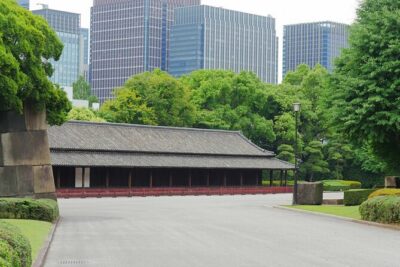 ★ 5.0Imperial Palace East Garden and Edo Castle Walking Tour in TokyoFrom $25510 reviews
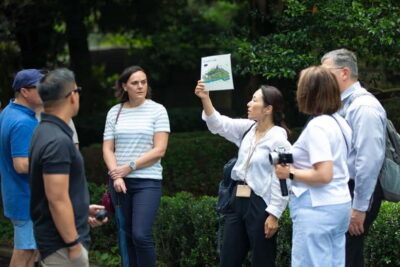 ★ 4.8Imperial Palace East Gardens Walking TourFrom $19353 reviews
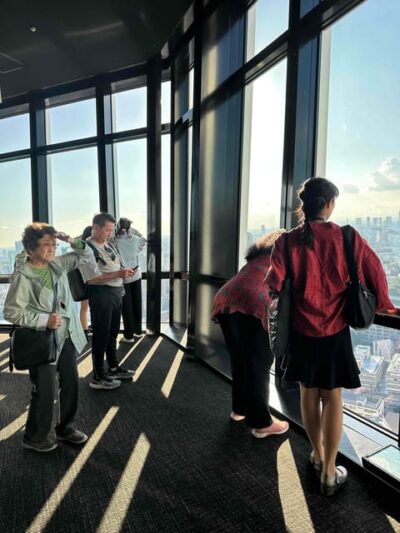 ★ 4.5Imperial Palace, Sensō-ji Temple, & Tokyo Tower TourFrom $40339 reviews
 ★ 5.0Tokyo Castle, Imperial Palace, Shogun & Garden Walking TourFrom $31211 reviews
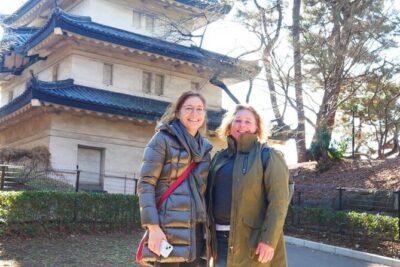 ★ 4.7Edo Castle & East Garden of the Imperial Palace TourFrom $42112 reviews
This tour also belongs to