

Review · IMPERIAL PALACE TOURS
Imperial Palace Tour: Discover Samurai History with a Local Guide
Samurai stories start at the moat. This Imperial Palace East Gardens tour is a calm, focused way to connect Tokyo’s modern skyline with the shogunate-era world of castles, stone walls, and power plays. You’ll follow a local-style guide around key remnants of Edo Castle, with stops designed for walking and storytelling, not museum talk.
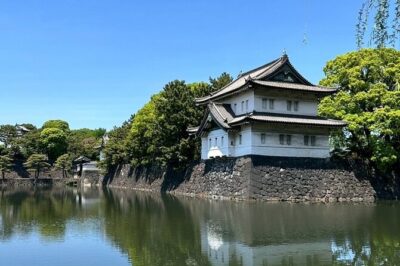
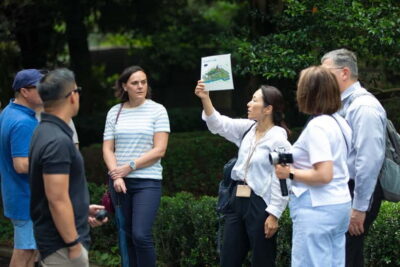
What I like most is the small group size (max 8), which keeps the pace conversational and lets you ask questions as you move. I also love that you cover famous, real places you can’t easily piece together on your own, like the Nijūbashi double-tiered bridge approach and the Sakurada Tatsumi Yagura watchtower. One drawback to consider: the meeting point is a specific Starbucks, and one review noted a shaky start when the guide wasn’t easy to find right away, so show up early and be ready to confirm details.
Key Highlights You’ll Actually Feel On This Walk

- Small group flow (max 8 travelers) keeps the tour interactive instead of rushed
- Sakurada Tatsumi Yagura connects you to Edo-period military watch logic
- Nijūbashi Bridge gives you a signature “inner grounds approach” moment with context
- Imperial Palace East Gardens let you see Edo Castle remnants in an easy, readable route
- Free-admission stops on the route help keep value strong for the $12.90 price
A Samurai-Savvy Walk Through the Imperial Palace East Gardens
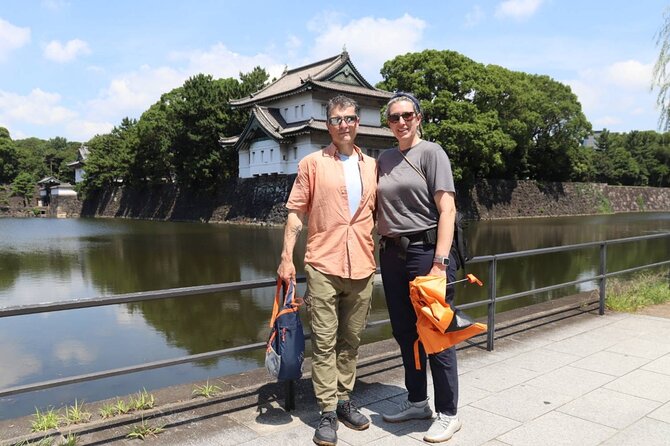
Tokyo’s Imperial Palace grounds are one of those places where it’s easy to feel like you’re looking at scenery without the wiring behind it. This tour fixes that by building a simple narrative as you walk: Japan’s shift from feudal power centers to the imperial line, and the way stonework, gates, and watchtowers held the system together.
You move at a comfortable walking pace for a 2-hour outing, with a moderate fitness level recommended. That matters because the area is mostly outdoors and you’ll want steady footing. The good news is the tour is designed as a loop back to the starting spot, so you don’t have to figure out complex transit mid-day.
The tone is also practical. You’re not sent into a maze of unrelated facts. Instead, the guide links visible features, like moats and gates, to the kind of control samurai and rulers needed in the Edo era.
You can also read our reviews of more guided tours in Tokyo



Your Starting Point in Chiyoda: Starbucks by the Wadakura Fountain
The tour meets at Starbucks Coffee at Kokyo Gaien Wadakura Fountain Park, 3-1 Kōkyogaien, Chiyoda City, Tokyo. It ends back at that same place, which makes your day easier. You can plan lunch after without worrying about where you’ll land.
Here’s a small but important reality check: the grounds around the palace are busy and signage can be confusing. One experience rating was high overall, but the only real snag mentioned was not finding the guide at first. So I suggest arriving a few minutes early, and taking a quick look around the meeting area rather than assuming the guide will be obvious from far away.
If you’re traveling with a service animal, that’s supported on this tour. And since it’s listed as near public transportation, you should have straightforward options to get there, then just follow the walking plan.
Stop 1: Sakurada Tatsumi Yagura Watchtower, Built for Watching
Your first named stop is Sakurada Tatsumi Yagura, also known as Sakurada Nijū Yagura. It’s a two-story watchtower from the Edo period, and it’s described as one of the few surviving structures in the palace grounds. Even if you’ve seen other Japanese castle ruins before, this kind of tower helps you “see” how a fortress thought.
What I like about starting here is that the tower gives you a baseline for the rest of the walk. After you understand what a watchtower was for, you’ll notice that other parts of the route are more than pretty old stone. They’re part of a defensive and administrative layout.
Also, because the stop is listed as about 30 minutes, you get enough time for the guide to explain context without the feeling of being herded. That time buffer can matter on a day when crowds form around popular photo angles.
Stop 2: Nijūbashi Bridge, the Iconic Approach With Power Behind It
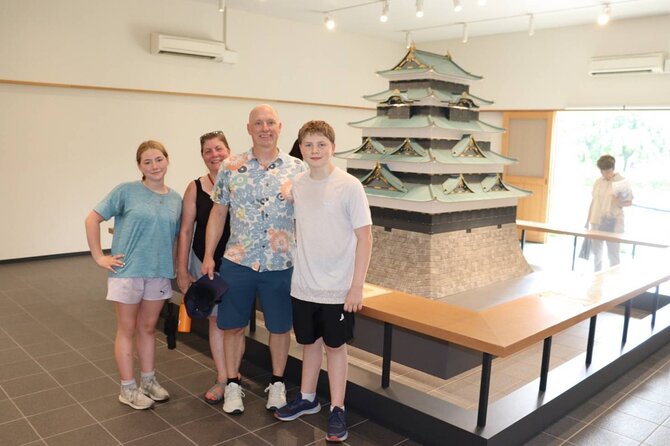
Next comes the Two-tiered Bridge (Ni-ju Bashi), also spelled Nijūbashi. This is one of the most iconic views of the Imperial Palace: a double-arched stone bridge that spans the moat and functions as the main approach to the inner grounds.
Most people come to see the bridge because it’s famous, and yes, it’s a great visual. But what makes this stop more valuable in a guided format is the way it’s tied to the idea of controlled movement. Moats and bridges are not just “castle vibes.” They organize who can cross, when, and how visible they are while approaching.
The stop is listed for around 15 minutes. That’s long enough to grab a couple good angles and still keep the tour moving. If you’re coming for photography, I suggest planning your shots early in the visit so you don’t scramble at the end when the group is already preparing to leave.
East Gardens and Edo Castle Remnants: Where the Past Shows Up as Stones and Lines
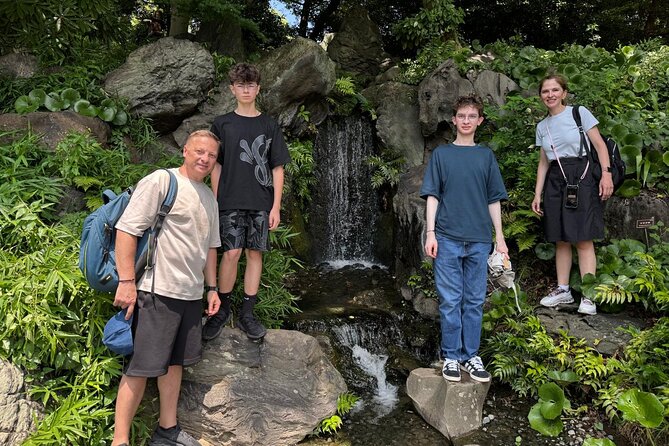
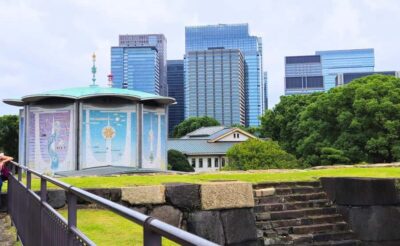
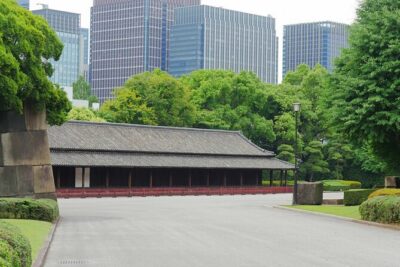
The heart of the walk is the Imperial Palace East Gardens and the Edo Castle ruin area. The tour treats this as a main segment of your route, around 30 minutes, and that balance is smart. The East Gardens are open to the public, and the ground is shaped by what used to be the Edo Castle site. So you’re walking through a “living plan” where stone walls, gates, seasonal landscaping, and traditional garden design help you read the territory.
You’ll also hear about key elements described as remnants of Edo Castle, including features like gates and stone structures, plus the flow of the grounds. Even when you don’t have access to every historical structure, this kind of guided “interpretation walk” is what turns a wide open area into a story you can follow.
Two practical benefits here:
- You don’t need to be an architecture expert to get value. The guide connects the visible pieces to political and military power.
- You can take in the pacing. The gardens are open, so it’s easier to breathe than being trapped in narrow corridors.
One thing to consider: because you’re outside through multiple segments, weather matters. On warm days, you’ll appreciate that the walking time is limited. On rainy days, you’ll still be walking, so bring what you need for comfort.
You can also read our reviews of more historical tours in Tokyo




Imperial Palace Stop: Seeing the Seat of Power Without the Museum Feel
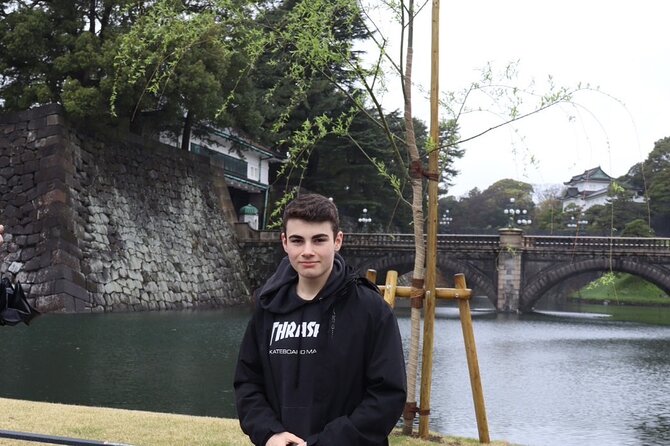
The final major stop is the Imperial Palace, described as the residence of the Emperor of Japan. You’ll spend about 30 minutes here, and the value of this segment comes from how the guide frames the palace in relation to what came before it.
What’s useful is that the tour doesn’t treat the Imperial Palace like a random landmark. It ties it back to Edo Castle and the political shifts that shaped Japan. That’s the thread connecting samurai-era structures to later governance and identity.
Also, since the route is focused on moats and stone walls as described features, you’re likely staying in the zone where you can observe the palace grounds and related structures from walkable areas. That keeps the day realistic: you get perspective without needing special access beyond what’s typical for public areas.
For me, that’s a big part of the “value per minute.” You come away understanding how these spaces functioned, not just that they exist.
Price and Value: Why $12.90 Can Make Sense for Tokyo
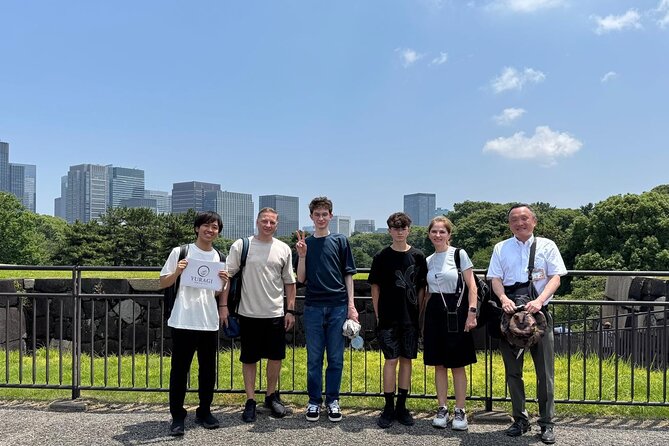
At $12.90 per person for about two hours, this doesn’t feel like a “tour tax.” It’s priced like a budget-friendly, guided walk rather than a premium private experience. The value gets better because:
- The group is kept small, max 8 travelers, so your time with the guide is less diluted.
- Multiple stops are listed as free admission, which helps keep the total cost predictable.
- You also get a mobile ticket, which reduces friction on the day.
If you’re trying to see Tokyo’s Imperial Palace area but you don’t want to spend half your day figuring out routes and translation, a guided loop like this can be a straightforward solution. Especially if you enjoy historical walking tours where the guide translates space into meaning.
The one tradeoff with any low-cost walking tour is that it may have less time for you to linger. Still, the schedule is structured so you’ll hit the major points without feeling like you’re constantly waiting around.
How the Tour Stays Interesting: Storytelling Linked to Visible Places
This is the kind of experience that works when the guide connects details to what you’re physically seeing. Here, the storyline is centered on Japanese emperors, samurai warriors, and the political power that shaped the past.
That matters because “samurai history” can sometimes become abstract. When you’re standing near stone ruins and watchtower features, the stories become grounded. You’re not just hearing that rulers controlled movement. You’re standing on the logic that made control possible.
Even the stop order makes sense. You start with a watchtower concept, move to a signature bridge approach, then spend time in the East Gardens where the castle-era layout becomes visible again, and finish with the palace as a political endpoint.
The result is a route where each segment reinforces the last, instead of repeating the same background facts.
Who Should Book This Imperial Palace Tour
This is a great match if you want:
- A walking-focused way to understand the Imperial Palace grounds and Edo Castle remnants
- A small group experience where questions feel welcome
- A guided approach to samurai and shogunate-era power that doesn’t require deep prior knowledge
It’s also worth considering if you like landmarks, but you care more about meaning than just photos. The stops include real, recognizable features, and the guide framing helps you avoid the common problem of seeing “important places” without knowing why they’re important.
A Few Practical Tips So Your Day Goes Smooth
Here are the things that will help you enjoy the walk more, based on what’s provided and the one noted hiccup:
- Arrive early at Starbucks by the Wadakura Fountain Park meeting point, and take a minute to confirm you’ve got the right group.
- Wear comfortable shoes. You’ll be walking outdoors across multiple segments.
- Bring a light layer if weather shifts. It’s a two-hour outing and the palace grounds are open.
- If you need a service animal option, you’re covered.
- If you’re traveling during busy seasons, expect a crowd vibe around popular photo areas and plan your photos accordingly.
Should You Book the Imperial Palace Tour With a Local Guide?
If you want a guided walk that connects Edo Castle remnants to samurai-era power, this is an easy “yes, consider it” at $12.90. The max 8 group size is a real quality marker, and the route focuses on high-meaning stops like Sakurada Tatsumi Yagura and Nijūbashi.
I’d only hesitate if you hate being outside for long stretches or if you strongly dislike the idea of meeting at a specific point and spending the first few minutes orienting. The overall ratings are high, and the only real complaint in the feedback you provided is a first-step finding issue, so the fix is simple: show up early and be ready to locate the guide quickly.
Bottom line: book it if you want history tied to stone walls, bridges, and watchtower logic, not just names on a sign.
More Guided Tours in Tokyo



More Tours in Tokyo






More Tour Reviews in Tokyo


Not for you? Here's more nearby things to do in Tokyo we have reviewed












Imperial Palace Tours, side by side.
 ★ 5.0Imperial Palace and Shogun Historical Walking TourFrom $222,251 reviews
 ★ 4.9Imperial Palace Japanese History Walking TourFrom $32987 reviews
 ★ 4.9Imperial Palace and Shogun Walking TourFrom $16935 reviews
 ★ 5.0Imperial Palace East Garden and Edo Castle Walking Tour in TokyoFrom $25510 reviews
 ★ 4.8Imperial Palace East Gardens Walking TourFrom $19353 reviews
 ★ 4.5Imperial Palace, Sensō-ji Temple, & Tokyo Tower TourFrom $40339 reviews
 ★ 5.0Tokyo Castle, Imperial Palace, Shogun & Garden Walking TourFrom $31211 reviews
 ★ 4.7Edo Castle & East Garden of the Imperial Palace TourFrom $42112 reviews
This tour also belongs to