
Kamakura feels like Japan’s past on fast-forward. This private day tour strings together Kamakura’s temples and shrines with Enoshima’s island spirituality, plus an extra dose of Yokohama city life. I like that it’s customizable to your pace and interests, not a rigid bus schedule, and I like the comfort of having your own van and driver. One possible drawback to weigh: in a rare case, a party reported the driver did the driving but did not provide much on-site guidance, so it’s worth checking what guiding time will look like at each stop.
You’ll start with pickup from your Tokyo hotel, then head south into Kamakura, a city known for its political power in the 12th century. The best part is the guide can connect the dots between sites, from the Great Buddha at Kōtoku-in to the shrines on Enoshima, and you can ask questions as you walk.
This is a long, full day. You’ll be on your feet for multiple religious sites and one coastal island, so bring comfortable shoes, plan for admission fees you pay on the day, and don’t expect a slow, sit-down stroll.
Key things to know before you go
- Private van from Tokyo means less stress than trains when you want a temple-heavy day.
- Kamakura can be customized, so you can spend longer where your interests actually are.
- Kōtoku-in’s Great Buddha is the anchor stop, with guided time built in.
- Enoshima and Benten shrines add a calmer, coastal layer, with Mount Fuji possible on clear days.
- Yokohama stops (Chinatown, Sankeien Gardens, Shin-Yokohama Ramen Museum) turn this into more than a Kamakura-only day.
- Admission fees and lunch are not included, so budget for those separately.
Why Kamakura plus Yokohama makes sense in one long day
Most people do Kamakura as a quick half-day add-on. This plan is different. You get a full sweep of major Kamakura sights, then you end with a Yokohama change of scenery: Chinatown for atmosphere, Sankeien Gardens for a peaceful reset, and the Shin-Yokohama Ramen Museum for something fun and interactive.
If your time in Japan is tight, the private format is the point. You avoid the “which train goes where” puzzle and you can keep moving without sprinting between stations. And because the route is set up as a guided day, you’re not just collecting photos. You’re learning what each place represents and why it matters.
The trade-off is time. It’s about 10 hours total. You’ll get the breadth of Kamakura and Enoshima, but you still need to manage your energy. My practical advice: treat lunch as a tactical stop, not a long break, and keep your camera and sunscreen accessible.
You can also read our reviews of more guided tours in Tokyo
Getting picked up in Tokyo, and what the private car changes
Pickup is from your hotel in Tokyo, and you travel by private van with a driver. For many visitors, that single detail is a quality-of-life upgrade. Kamakura is easiest when you’re not trying to time connections or carry bags over transfers.
Because this is a private group (up to 6), you’re not stuck waiting for other people to find the same entrance or argue about where to eat. The day runs on your group’s rhythm, guided by an English-speaking tour guide (also listed with Hindi and Japanese options).
One small caution: private does not automatically mean the guide will be with you for every minute at every site. A cautionary experience from one party described an arrangement where the driver handled locations but did not accompany the group inside the sites to explain history. It’s still a solid tour option for most people, but you should confirm that the guide plans to join you inside each major stop for interpretation.
Kōtoku-in and the Great Buddha: the photo stop that actually matters
Kōtoku-in is where your day gets its iconic anchor: the Big Image of Buddha. You’ll spend about an hour here with guided time. This is not just a place to snap a picture from the main viewing angle. With context, the Buddha at Kōtoku-in becomes a shortcut to understanding Kamakura’s religious culture and how these sites shaped everyday life.
Even if you’re not a temple expert, you’ll appreciate why this stop is first-rate. It sets the mood for the rest of the day. After you’ve seen the scale and presence of the Great Buddha, the smaller shrine details elsewhere feel more connected, not random.
Practical tip: wear shoes you can stand in for a while. You’ll likely want a slow orbit to find good angles, and you’ll also want time for quiet moments.
Hokokuji Bamboo Forest: calm walking and easy photos
Next up is the Hokokuji Bamboo Forest with a photo stop plus guided time (about an hour total here). Bamboo forests in Japan can feel staged if you rush them, but when you slow down, the sound changes. Your footsteps matter. Light filtering through leaves becomes part of the experience, not just a backdrop.
This is also a good spot to reset. After Kōtoku-in’s larger scale, the bamboo forest brings you back to an intimate nature setting, still within Kamakura’s sacred geography. If your group likes photos, you’ll have space for them without it feeling like a mad scramble.
If you’re traveling in bright conditions, bring sunscreen and keep your water handy. It’s an easy place to get hot standing still for pictures.
Hase-dera and coastal Kamakura vibes
Hase-dera is next, again with about an hour of guided time. Hase-dera is often remembered for its views and for the feeling that you’re stepping between temple grounds and the surrounding area. One reason this stop gets strong marks is that it connects religion with scenery, not just architecture.
The practical takeaway: expect to walk around the grounds and look for spots where the city and coast feel present in the background. You’ll probably take more than one look from different angles. If you’re the type who loves noticing small details, this is the portion of the day where that pays off.
If your group is short on mobility, keep an eye on pacing. Temples can mean stairs and uneven areas.
You can also read our reviews of more private tours in Tokyo
Tsurugaoka Hachimangu and the KOMACHI street stop
Then you hit Tsurugaoka Hachimangu, one of Kamakura’s most important shrines. You get about an hour with guided time and sightseeing. This stop works well because it’s both spiritually central and socially active. You’re not only studying structures, you’re also watching how people move through the area.
On the way to the shrine, the day includes shopping on KOMACHI street. This is where you can slow down without feeling like you’re wasting time. KOMACHI is known for souvenirs and local products, and it’s a good place to buy small edible gifts or Kamakura-themed items without hunting around afterward.
Practical tip: decide early whether you want to browse or buy. KOMACHI can tempt you into buying more than you planned, and a long day has limited time for shopping detours.
Enoshima island: Benten shrines, luck, and maybe Mount Fuji
From Kamakura proper, the tour shifts toward Enoshima, the small island to the west, where you’ll find many shrines dedicated to Benten, associated with luck, wealth, music, and knowledge. The point of this portion is emotional as much as it is scenic. Enoshima often feels more open and walkable than the tighter temple clusters back in the city.
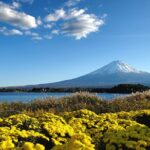
You’ll get time to explore the island shrines, and if the day is clear, you can enjoy a stunning view of Mount Fuji. Even when you do not see Mount Fuji, Enoshima’s shrine walking and coastal air usually give you a satisfying payoff because it breaks the pattern of temple after temple.
My advice: treat Enoshima like your “slow down” moment. If you rush it, you miss what makes it special. Also, keep an eye on the weather. Coastal wind can make it colder than you expect.
Yokohama add-on: Chinatown, Sankeien Gardens, and the ramen museum factor
This tour’s biggest surprise value is that it’s not purely Kamakura. You also get stops in Yokohama, and they’re chosen for variety.
Yokohama Chinatown
You’ll spend about an hour with guided time plus sightseeing. Chinatown is a sensory change from shrine areas. It’s where you can take in busy street energy and see another side of how Japanese cities trade in food, symbols, and everyday culture.
If you want a practical souvenir strategy, Chinatown helps. You can find snacks and packaged items that travel well, and you can pick based on what looks good right then.
Sankeien Gardens, Yokohama
Next comes Sankeien Gardens, with about an hour including walking and guided time. This is your breathing space. Gardens like this give your legs a different kind of experience: less heavy temple climbing, more strolling. It’s also a nice contrast to the urban texture of Chinatown.
If your group likes calm, Sankeien is a smart middle stop. It keeps the day from turning into constant stairs and crowds.
Shin-Yokohama Ramen Museum
Finally, you’ll visit the Shin-Yokohama Ramen Museum. It’s listed as about an hour with guided time plus sightseeing. This is where the tour adds a fun, modern Japan touch. Even if you do not plan to eat there, it’s an easy way to end the day with something that feels playful instead of purely historical.
Important note for planning: lunch is not included, and admission fees to attractions are not included. So if you want ramen as your meal, decide what you’ll spend ahead of time and keep receipts mentally organized.
Pacing you can count on, and how to make it work for your group
The day is designed for frequent highlights, and the listed time per major stop is relatively consistent. That’s good news if you hate running late or if you like knowing you’ll get real time at each place.
Still, a 10-hour day means you’ll benefit from smart choices:
- Wear comfortable shoes you already trust.
- Keep water and sunscreen within reach.
- Bring a camera, because the Buddha, bamboo, and Enoshima viewpoints are each photogenic for different reasons.
- If your group has different interests, use customization. The tour is described as adjustable, so speak up early.
One more practical point: guide language matters. English is available, and the tour guide can also speak Hindi and Japanese. If your group has mixed language needs, confirm your guide preference when booking.
Price and value for a private group up to 6
At $486 per group up to 6, the value depends on how many people you actually have. If you fill the van to the limit, the cost per person drops dramatically compared to paying for multiple separate tickets or private bookings for just one or two people.
Here’s the simplest way to think about it:
- Your price covers private transportation by van, a live tour guide, water bottles, and parking fees.
- It does not cover lunch or admission fees.
So you’re paying for time, comfort, and interpretation. If you care about history and want explanations at each stop, that’s where the money goes. If you just want transport and photos, you might wonder if you could do it cheaper on trains. But for a temple-and-shrine day where walking and context matter, private often wins.
Given the tour’s strong overall rating (4.8), the most praised aspects focus on having enough time at each stop, feeling safe, and getting recommendations that match interests. One lower rating pointed to a breakdown in guiding quality at sites, so again, it helps to clarify expectations with the provider.
Who this tour fits best
This tour is a great fit if you want:
- A private, English-speaking guide and a plan that can flex
- Major Kamakura landmarks like Kōtoku-in, Hase-dera, and Tsurugaoka Hachimangu
- A coastal add-on with Enoshima and Benten shrines
- An extra cultural variety stop in Yokohama
It is not suitable for pregnant women, per the activity notes.
If you’re the type who likes structure but also wants freedom, this is a good match. You’ll get key sights without feeling like a tourist herd, and you’ll still be able to spend extra time where it feels right.
Should you book this Kamakura private day tour?
I’d book it if you want an organized, guided way to see Kamakura and Enoshima without the stress of transit juggling, and you value shopping time at KOMACHI street plus a different finish in Yokohama. The best reasons to say yes are the private van comfort, the guided stops at major shrines, and the chance to customize your timing.
I’d hesitate if your group expects the guide to be deeply involved at every single site every time, because one cautionary experience described limited on-site guidance. If you book, ask the provider a simple question before you go: will the guide accompany you inside each attraction for explanation, or is there flexibility at certain parking and entrance moments?
If your goal is a smooth, high-impact day with temples, shrine culture, street life, and coastal views, this is a strong option.
FAQ
How long is the Kamakura private tour?
The tour duration is 10 hours.
Where is pickup located?
Pickup is from your hotel in Tokyo.
What is the group size for this private tour?
It is a private group for up to 6 people.
What languages does the live tour guide speak?
The live tour guide speaks English, Hindi, and Japanese.
What’s included in the price?
Included are private transportation by van, a live tour guide, a customizable itinerary, water bottles, and parking fees.
Is lunch included?
No, lunch is not included.
Are admission fees to attractions included?
No, admission fees to attractions are not included.
What should I bring for the tour?
You should bring comfortable shoes and a camera, and sunscreen is recommended.
Is there a cancellation option and a pay later option?
Yes. There is free cancellation up to 24 hours in advance for a full refund, and you can reserve now and pay later.
Is the tour suitable for pregnant women?
No, it is not suitable for pregnant women.
More Guided Tours in Tokyo

More Tours in Tokyo




More Tour Reviews in Tokyo


Not for you? Here's more nearby things to do in Tokyo we have reviewed












Kamakura Day Trips, side by side.
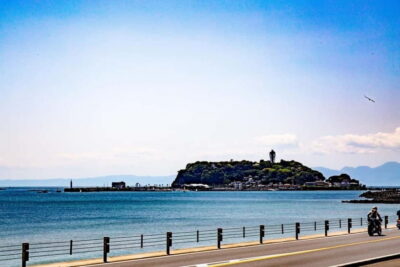 ★ 4.5Kamakura & Enoshima Day Trip including Temple TicketsFrom $581,375 reviews
 ★ 4.5Mt. Fuji, Kamakura, Big Buddha, & Lake Ashi Day TripFrom $49867 reviews
 ★ 4.5From Tokyo: Kamakura & Enoshima 1-Day Bus TourFrom $66189 reviews
 ★ 5.0Kamakura Historical Walking Tour with the Great BuddhaFrom $98129 reviews
 ★ 5.0Kamakura Private Tour: Temples, Nature, and the Great BuddhaFrom $98121 reviews
 ★ 5.0Kamakura Walking Tour – The City of ShogunFrom $35100 reviews
 ★ 5.0Kamakura 8 hr Private Walking Tour with Licensed Guide from TokyoFrom $20180 reviews
 ★ 4.1Kamakura & Enoshima Day Tour with Pickup & Train RideFrom $1361 reviews
This tour also belongs to