
Review · SHOPPING TOURS
Kappabashi Knife Shopping Tour with Government-Licensed Guide
Knife shopping meets real Tokyo streets. This Kappabashi Knife Shopping Tour with a government-licensed guide pairs the food-market world of Tsukiji with the famous knife and kitchenware shops of Kappabashi, so you shop with context, not just a shopping list.
I especially like two things. First, you get live guidance on the types of knives used in Japanese cooking, which helps you choose with more confidence. Second, the route blends Tsukiji Outer Market culture with real neighborhood walking, so the day feels like Tokyo, not a single-purpose errand.
One thing to consider: this is a walking tour, and it ends with options near Tokyo Skytree, but Skytree entry fees are not included for either you or the guide. Bring comfy shoes and plan for extra personal spending beyond the tour price.
Key highlights before you go
- Government-licensed English-speaking guide to help you understand knife types used in Japanese cooking
- Tsukiji Outer Market visit with a view into the wholesale supply chain, not just sightseeing
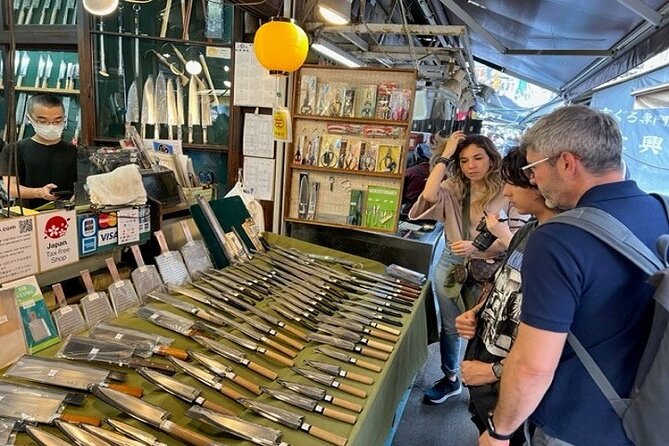
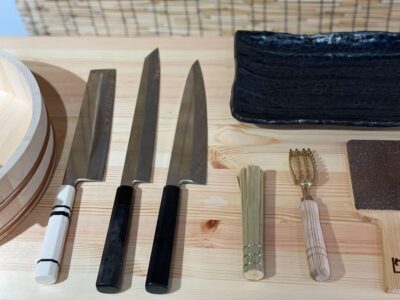
- Kappabashi Dougu Street shopping for high quality kitchen knives and ware at reasonable prices
- Plastic food display stops so you can recognize the models you see in Japanese restaurants
- Finish near Tokyo Skytree so you can stretch the day on your own time
What This Tour Really Delivers: Knives plus Tokyo routing
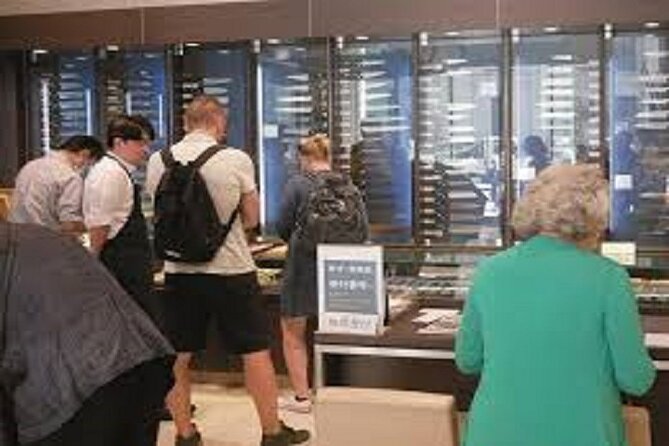
This tour is built around one simple goal: help you shop for Japanese kitchen knives in the places where chefs and shops actually source daily. You do not just wander. You follow a licensed local English-speaking guide, who keeps you moving through the right areas at a manageable pace.
The value also comes from the way it connects shopping to food culture. You spend time in the Tsukiji Outer Market area first, then switch into Kappabashi’s kitchenware and knife corridor, and finish with Asakusa shopping streets nearby. That flow matters because it turns buying a knife into a story you understand, from ingredient supply to kitchen tools.
One more practical point: the tour is listed as private, meaning it is only your group. That typically makes asking questions easier, especially when you are trying to sort out what to buy and why.
You can also read our reviews of more guided tours in Tokyo

Tsukiji Outer Market: seeing where fresh ingredients start
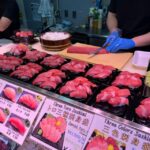
Your first stop is Tsukiji Outer Market, a wholesale zone that mainly serves retailers, restaurants, and other buyers. It is compact and intense, with about 400 shops crammed into roughly 400 meters, so you get a real sense of how busy food procurement can be.
Why I like this start: it gives you context before you buy anything sharp. Instead of immediately jumping to knives, you first see the market energy that Japanese chefs chase for ingredients. Your guide explains why top chefs check in daily for fresh, high-quality supplies, which is the kind of food-world logic that makes the knife shopping feel more purposeful.
What to watch for here is pace and comfort. The market area can be tight and crowded, so good walking shoes matter. Also, Tsukiji Outer Market is listed as a free admission stop, so you are not paying entry just to experience the place. You are paying for the guide and the route, and the market is where the guide’s food knowledge gets real.
Kappabashi Street shopping: knives, kitchenware, and real buyer help
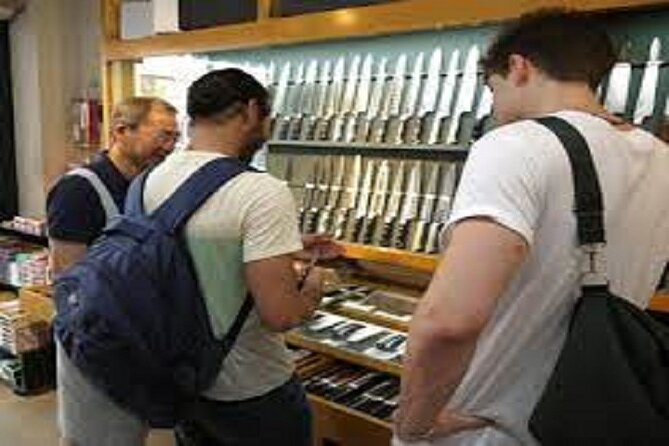
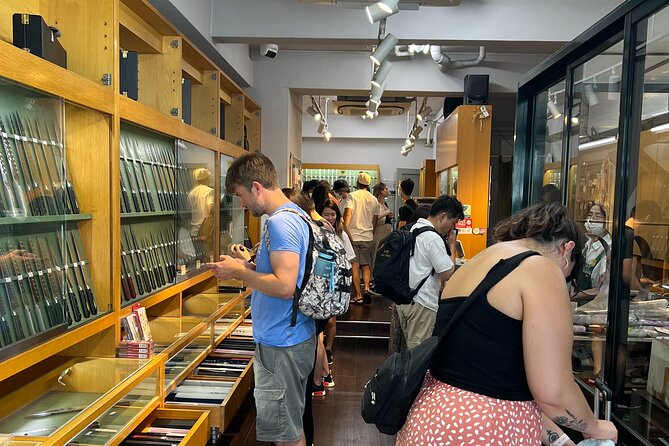
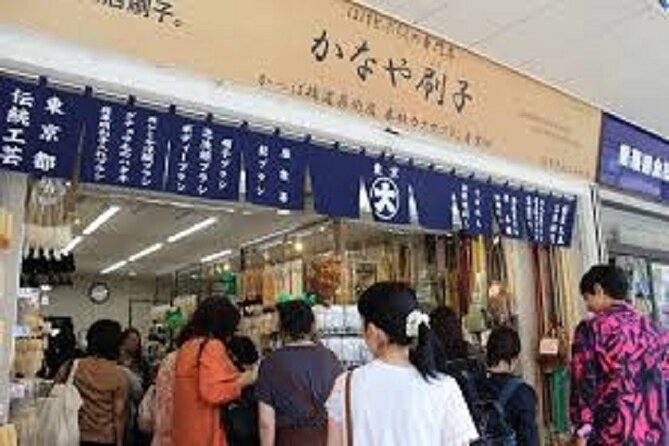
After Tsukiji, you head to Kappabashi Dougu Street, the famous corridor for food and beverage supplies in Tokyo’s Taito City. This is where the tour shifts from food sourcing to the tools you will use at home.
Kappabashi is known for high quality Japanese kitchenware and knives at prices that are often described as reasonable for what you are getting. In practical terms, this means you are not stuck in a luxury-only shopping zone. You can look around, compare, and talk through options in a place where kitchen gear is the main event.
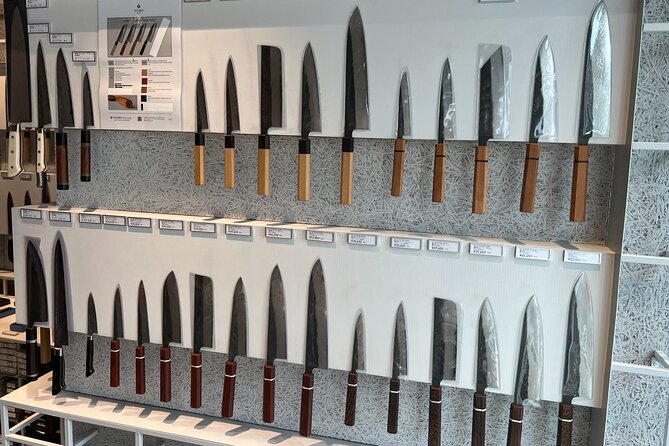
The guide’s role becomes especially useful at this stop. The tour is designed around learning about the different knife types used in Japanese cooking, so you can connect what you see in shops with how those knives are meant to be used. If you are buying your first serious Japanese knife, that background helps you avoid the common mistake of choosing purely on looks.
One detail I really like: the area has plastic food display shops. You get a chance to stop and see the models that you will recognize later in restaurants across Japan. It is a fun break from shopping, and it also helps you understand Japanese “food presentation culture,” which matters because kitchen tools and food display are part of the same mindset.
Asakusa walking time: Nakamise-dori and the Senso-ji area
You also get about an hour in Asakusa, a neighborhood filled with small and large retro shopping streets. The core area connects to Nakamise-dori, the shopping street that leads from Kaminarimon Gate toward Senso-ji Temple.
This stop is not about knives, and that is a good thing. After market intensity and shopping decisions, you get a more classic Tokyo stroll with lots of sightlines and side streets to explore on foot. You also get a break from the “what should I buy next?” mindset, which helps when you are traveling with luggage or trying to plan your spending.
The practical drawback is that Asakusa is also a popular sightseeing hub. That means it can feel busy, so keep your attention on where your group is moving and do not lag behind. The tour is structured for walking, so it is worth staying mindful of timing so you do not miss the shopping guidance later.
Tokyo Sky Tree finish option: extend the day, mind the entry fees
The tour can wrap up with time and direction near Tokyo Skytree, letting you continue your day nearby if you want. This is a smart “add-on” style finish because you are already in the part of Tokyo that connects easily to major transit.
But there is an important catch: entry fees for Skytree are not included for both the guide and the guest. So if you plan on going up, factor that cost into your budget. The good news is the tour can still be valuable even if you only use Skytree as a convenient meetup point to continue elsewhere.
If you like building a flexible itinerary, this ending style works well. You can browse a little more, take photos, or just refuel and plan the rest of your evening. Your guide keeps the tour focused, and you decide how long to linger afterward.
You can also read our reviews of more shopping tours in Tokyo

Price and value: what $107.50 buys you in Tokyo
At $107.50 per person for about four hours, you are paying for three things: a licensed guide, a guided walking route through specific food and kitchen zones, and help turning knife shopping into an informed decision.
This is not a “just drop you off in front of stores” situation. The guide is described as licensed and English-speaking, and the tour purpose is explicitly educational about knife types used in Japanese cooking. For me, that is where value lives. A good guide helps you ask better questions in the store and reduces the chance of buying the wrong item for how you actually cook.
Also consider what is not included. Transportation fees are not covered, and lunch and other personal expenses are on you. Entrance fees are listed as not included generally, and Skytree entry is specifically not covered. That means you should treat the tour price as the core guided experience, then budget separately for shopping and meals.
Finally, there is mention of pickup offered and mobile ticket use, plus group discounts. The private-group setup can also make the experience feel smoother, especially when you want to ask follow-up questions while shopping.
Shopping smart: how to buy a Japanese kitchen knife without regret
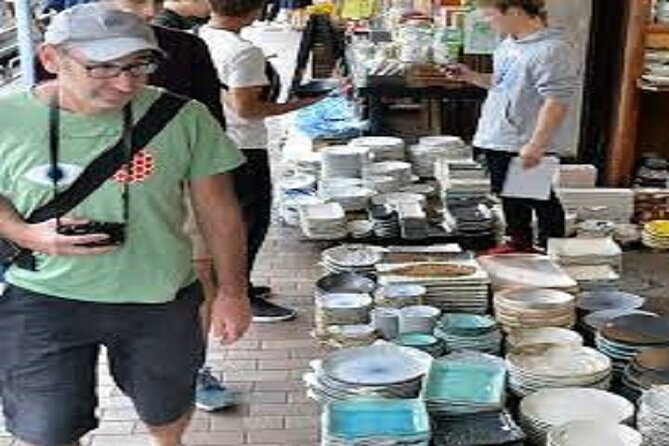
Knife shopping can go two ways. It can be exciting and rewarding, or it can turn into a confused pile of steel you rarely use. This tour helps the first option because it gives you a baseline understanding of knife types used in Japanese cooking before you hit the strongest shopping stretch.
When you enter the shops, slow down. Look at what you actually cook and how often. Then match that to the knife type your guide is helping you understand. If you tell yourself you are buying the right knife for real daily tasks, you will shop more calmly.
Here are practical ways to use the tour well:
- Ask the guide questions before you commit, especially about intended use in Japanese cooking.
- Compare options in the Kappabashi corridor rather than grabbing the first thing that looks impressive.
- Use the plastic food displays as inspiration, then think about how your tools would help you make similar dishes at home.
One more tip: set a spending plan in advance. Prices vary by material and style, and “reasonable” still means it can add up quickly once you see multiple tempting items. A plan helps you enjoy the shopping without the post-purchase panic.
Who this tour suits best (and who might prefer something else)
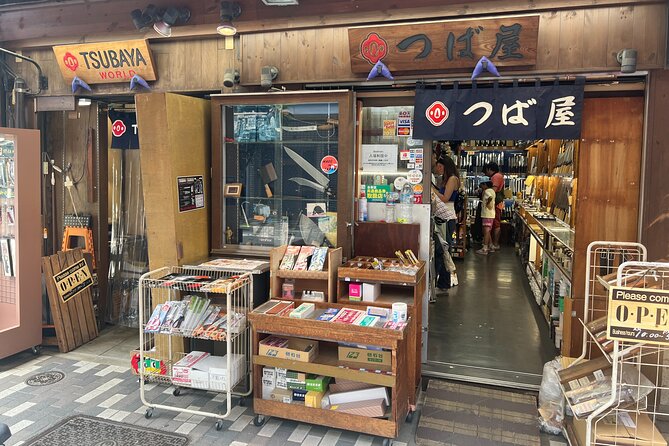
This tour is a great fit if you want a focused, food-centered Tokyo experience. If you are serious about Japanese kitchen knives, you will appreciate the stop sequence and the guide’s educational angle.
It is also a strong choice for first-time Tokyo visitors who feel overwhelmed by neighborhoods. The route takes you through Tsukiji Outer Market, the Kappabashi knife district, and Asakusa’s iconic shopping streets, with a guide to keep the day organized.
You might consider another style of tour if you hate walking or if you want zero shopping pressure. Even though the experience includes sightseeing elements, it is still built around shopping decisions. Comfortable shoes and an open mind about browsing are key.
Should you book the Kappabashi Knife Shopping Tour?
I think you should book it if you want two things at once: serious knife shopping in the right Tokyo areas, plus a real slice of food culture along the way. The combination of Tsukiji’s wholesale intensity, Kappabashi’s kitchen-tool shopping focus, and Asakusa’s classic street atmosphere makes the day feel like Tokyo food life, not just retail.
You should also book it if you value guided learning. The tour is designed to teach knife types used in Japanese cooking, and that is what turns shopping into a skill, not a gamble.
Skip it if you are hoping for a car-based tour, or if you are not interested in buying anything beyond casual browsing. And if you plan to go up Tokyo Sky Tree after, budget for Skytree entry because it is not included.
FAQ
How long is the tour?
The tour lasts about 4 hours.
How much does it cost?
It is $107.50 per person.
What is included in the tour price?
A licensed local English-speaking guide and meeting with the guide on foot within the designated area of Tokyo.
Is pickup included?
Pickup is offered, but the tour is also described as a walking tour with pick up on foot and meet up on foot within a designated area.
What stops are included?
You visit Tsukiji Outer Market, Kappabashi Dougu Street (Kappabashi Street), and Asakusa. The tour can also finish near Tokyo Sky Tree.
Are entrance fees included?
Admission tickets for the listed stops are free, but Skytree entry fees are not covered for both the guide and the guest.
What is not included?
Transportation fees, entrance fees, lunch, and other personal expenses are not included. A private vehicle is also not included.
Can I bring a service animal?
Service animals are allowed.
FAQ
Can I cancel for a full refund?
Yes, you can cancel up to 24 hours in advance of the experience start time for a full refund.
Is it a private tour?
Yes, it is a private tour/activity with only your group participating.
More Guided Tours in Tokyo


More Tours in Tokyo






More Tour Reviews in Tokyo


Not for you? Here's more nearby things to do in Tokyo we have reviewed












Shopping Tours, side by side.
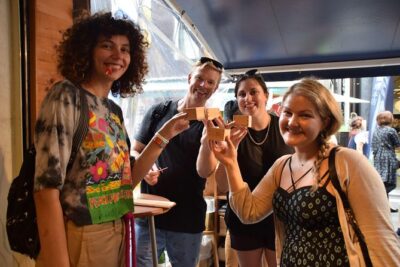 ★ 5.0Tokyo Tsukiji Fish Market Food and Culture Walking TourFrom $993,184 reviews
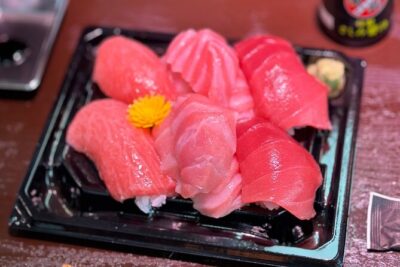 ★ 5.0Tsukiji Fish Market Food and Walking tourFrom $301,724 reviews
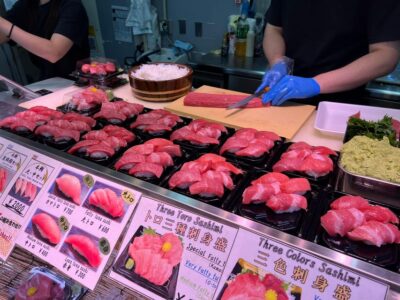 ★ 4.9Tsukiji Fish Market Guided Walking TourFrom $221,397 reviews
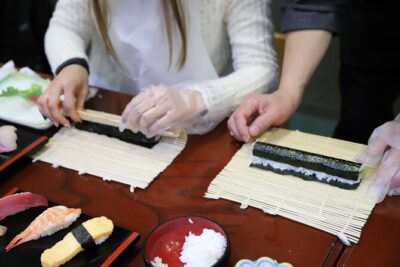 ★ 5.0Tsukiji Fish Market Guided Tour and Sushi Making with Pro ChefFrom $104775 reviews
★ 4.7Tsukiji Fish Market Food and Culture Walking TourFrom $96757 reviews
★ 5.0Tsukiji Fish Market Guided Tour and Sushi Making with Pro ChefFrom $104775 reviews
★ 4.7Tsukiji Fish Market Food and Culture Walking TourFrom $96757 reviews
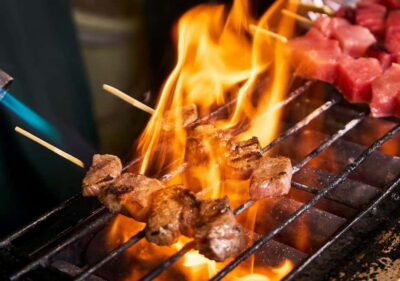 ★ 5.0Tsukiji Fish Market: Street Food & Culture Walking TourFrom $33669 reviews
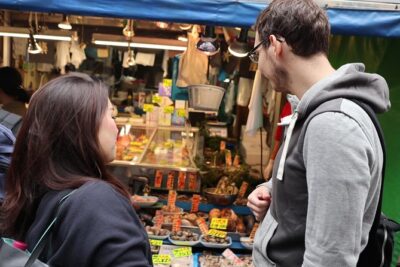 ★ 5.0Tsukiji Fish Market Small-Group Food Walking TourFrom $87621 reviews
 ★ 4.9Tsukiji Fish Market Sushi Making Class with Pro ChefFrom $63506 reviews
This tour also belongs to