
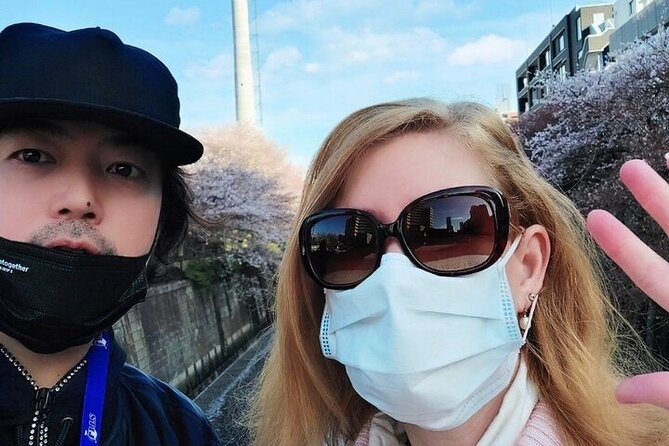
Review · TOKYO CITY TOURS
Licensed Guide Tokyo Meguro Cherry Blossom Walking Tour
One street, two temples, and cherry blossoms by the water. This Meguro River tour turns a simple spring walk into a mix of landmark views and Edo-era stories, capped with Hotel Gajoen Tokyo. I like the clear flow from sakura photo time to a temple with a real historical backstory, and I also like how this stays short at 90 minutes so you can still roam Tokyo on your own. One thing to consider: if the timing is off and blossoms are not at peak bloom, the walk can feel less dramatic, and you may need to roll with alternate indoor stops if offered that day.
You meet your guide at a very specific spot, Starbucks opposite Nakameguro Station on the Hibiya line, so the biggest make-or-break moment is whether you can spot the guide fast. The upside is that you get a licensed, English-speaking guide for the whole route, plus the itinerary includes a broader program element like a bus loop around Shinjuku and a performance with taiko drums. If you are picky about seeing maximum sakura in full display, plan your day around late March to early April and keep your expectations flexible.
Key highlights to look for
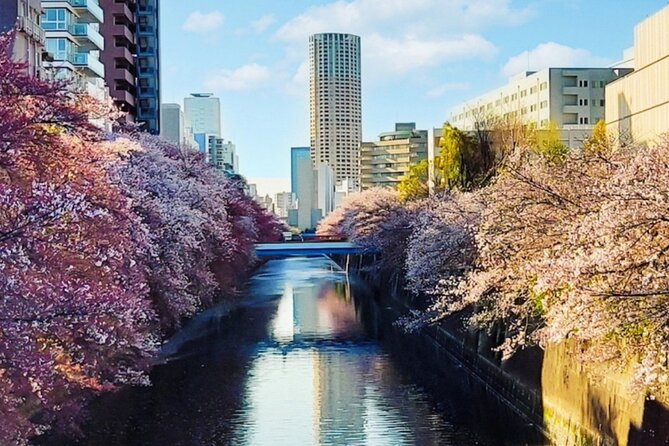
- Meguro River sakura views, one of Tokyo’s most famous cherry blossom scenes
- Daienji Temple, linked to Edo luck traditions and a major fire story
- Hotel Gajoen Tokyo photo stop and guided visit, tied to Japan’s early general wedding hall era
- Gajoen cultural-property details, including several banquet halls designated by Tokyo authorities
- Program extras beyond the walk, including a Shinjuku bus segment and a short performance
Meguro River cherry blossoms: what makes this walk worth it
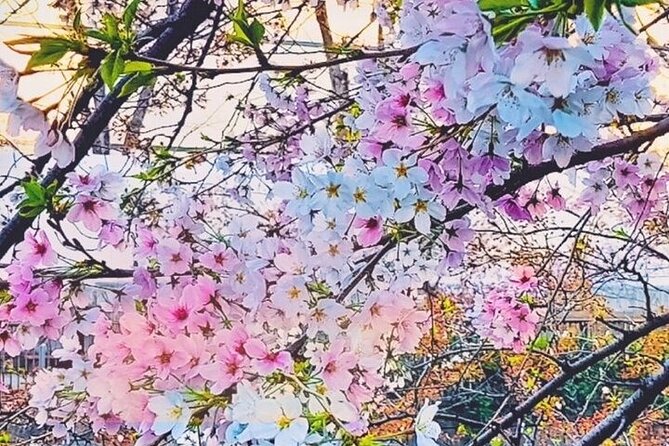
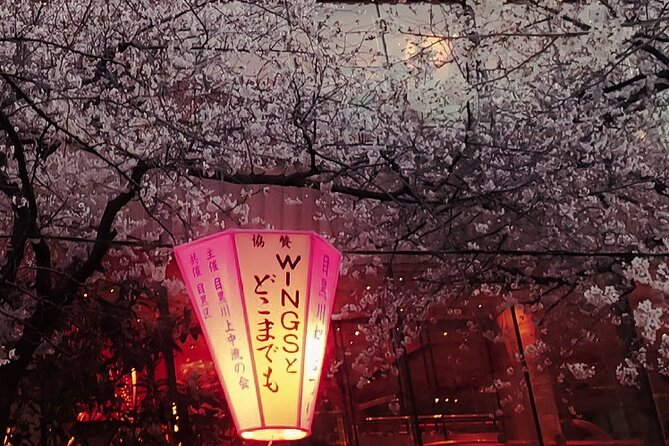
If you only know Tokyo for big crowds and classic parks, Meguro River is a different flavor. The famous sakura here line up along the water, so the photos look more like a scene from a postcard than a random flower stop. This tour is built around that idea: a long enough walk to enjoy the view, but not so long that it eats your whole day.
I also like that the experience is timed for the season. You are typically aiming for late March to early April, which is exactly when people start talking about sakura forecasts. If you are traveling in early April, you usually have a better shot at full bloom than late March, but you cannot control the weather. The structure of the tour helps you handle that reality, because it does not depend only on flowers.
The tone here is “see, learn a little, move on.” That’s smart. Sakura seasons are when Tokyo feels like it runs on schedule and crowds. A tight 90-minute window gives you a satisfying hit without forcing you into an all-day commitment.
You can also read our reviews of more walking tours in Tokyo


Where you meet your licensed guide at Nakameguro (and how to avoid the common snag)
Your starting point is Starbucks Coffee opposite Nakameguro Station on the Hibiya line, specifically at the Starbucks near Nakameguro Tsutaya Books. The tour provider says your guide will be holding a company logo brochure and a licensed guide certificate.
That detail matters. One practical issue with any walking tour in a busy station area is that the guide is easy to miss if you are scanning for a banner instead of a brochure. My advice: give yourself a little extra time at Starbucks, then do a deliberate sweep of the entrances and the area right outside the station. If you are traveling with your phone, have your confirmation info ready, and keep your eyes up for the certificate and branded material, not just a sign.
If you like precision, the provided coordinates can help you sanity-check your location:
35.644621, 139.6993005
Once you find your guide, everything else is straightforward because the walking route is clearly defined and ends at JR Meguro Station.
Meguro River segment: 45 minutes that work for photos and breathing room
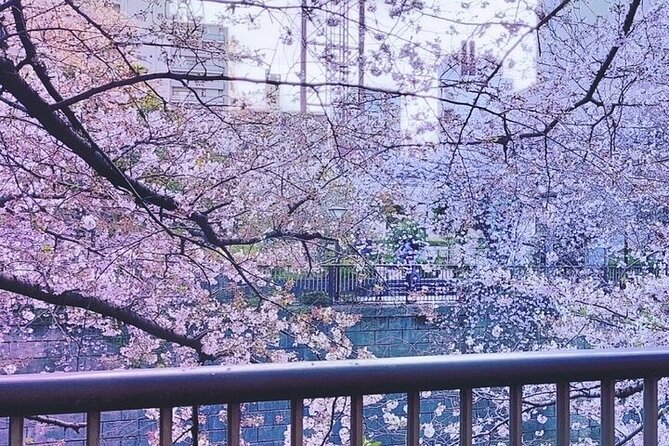
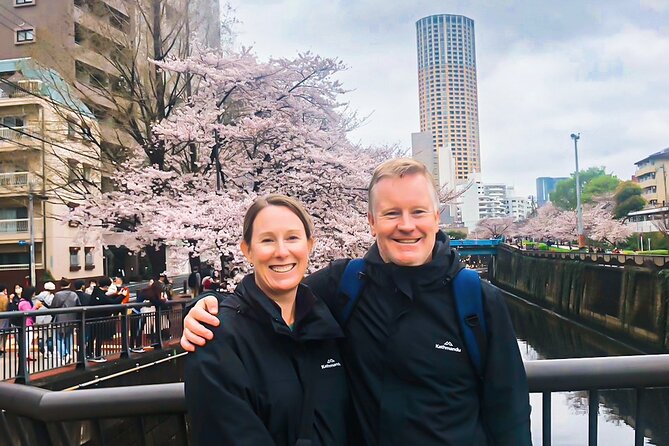
The first main stop is the Meguro River section, with about 45 minutes for scenic views while you pass along the water. The wording here is “pass by,” meaning you are not doing a slow, stop-every-two-minutes shuffle the whole time. You get movement, viewpoints, and time to pause for photos without turning the walk into a crawl.
What you should do during this stretch:
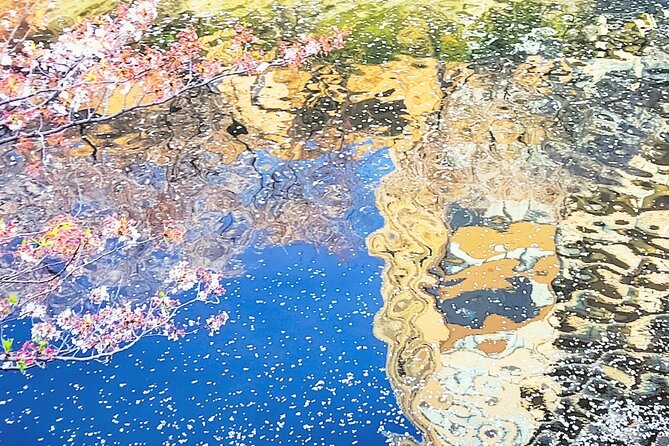
- Look for spots where the sakura line aligns with the water so reflections and petals show up better.
- Plan your camera time early, especially if you want fewer people in your shots.
- Stay aware of footing. River paths in spring can be smooth, but you still want comfortable shoes because you are on your feet.
Even if you catch blossoms at slightly less than peak, this is still a pretty walk. Sakura tends to change the whole atmosphere by scent and color, but the river itself gives you a backdrop that feels “Tokyo special” even when blooms are partial.
Daienji Temple: Edo-era fire, seven luck, and a short but meaningful stop
After the river, the tour goes to Daienji Temple. This is not just another postcard stop. It is tied to the “seven luckiest temples” idea from the Edo era, and the temple’s story connects to one of the period’s worst disasters.
Here’s what you are learning and why it’s worth your time:
- In the mid-18th century, a fire broke out from this temple, and Edo became a sea of fire.
- After that, rebuilding was restricted. The temple was not allowed to be rebuilt until the end of the Edo period.
- When it finally did get rebuilt, it was framed as a tribute to those who died in the fire.
That arc gives the stop weight. You are not only looking at architecture and grounds, you are seeing how a place is remembered and rebuilt after tragedy. Even if you are not a history buff, this is the kind of context that makes a temple visit feel more grounded than a quick photo.
You should also remember the practical side. This portion is part of an overall 90-minute program, so it is likely not an extended temple tour with long indoor time. Think of it as: you’ll get enough to understand why Daienji matters, then you move on.
Hotel Gajoen Tokyo: 1931 wedding hall roots and the Showa-era interior
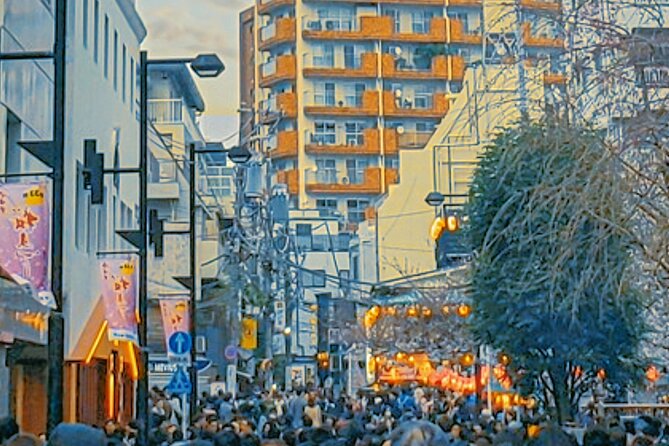
The biggest “wow” structure in this tour is Hotel Gajoen Tokyo, and you get both a photo stop and a guided visit there, around 30 minutes. This is also where the tour becomes a lesson in how modern Japan blends into older layers.
The story you hear about this building is specific:
- In 1931, Meguro Gajoen opened as a restaurant named after Meguro.
- It was described as the first general wedding hall in Japan.
- At the same time, it served authentic Beijing cuisine and Japanese cuisine.
- The venue helped bring in ordinary people and high-profile visitors by using prices on the menu and other innovative ideas.
That mix is fascinating because it shows wedding culture as a social shift. You are looking at a place that treated celebration as something people could access, not only an elite event.
Then there is the interior detail: the halls’ dignified decoration is nicknamed Ryukyu Castle in Showa. You are basically being invited to see the space like a showpiece, with the kind of decorative richness that makes it memorable even if you are not normally into banquet halls.
One more fact that adds credibility to the visit: on March 16, 2009, Tokyo Metropolitan Government designated four of the seven banquet halls as tangible cultural properties. That means you are not just touring a pretty venue, you are standing in rooms with official cultural significance.
Practical note: this stop is time-limited. If you love interiors and want to linger, you may feel a little rushed at 30 minutes. Still, it’s a good trade-off for a 90-minute tour, because you get both meaning and access without committing to a longer half-day program.
You can also read our reviews of more guided tours in Tokyo



Beyond the walk: Shinjuku bus loop and a performance with taiko
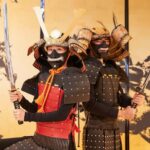
The experience description also includes more than the Tokyo sakura corridor. It notes a bus tour around Shinjuku with a national government-licensed guide, plus a show featuring cartwheeling samurai, breakdancing ghosts, and taiko drums.
How to interpret that as a practical traveler:
- If you enjoy a mix of sightseeing and performance, this can add a fun energy layer that pure shrine and river tours do not have.
- If you prefer quiet, slow walking, the inclusion of a show might make the schedule feel more “programmed” than flexible.
Because the main itinerary details focus heavily on the walking route, I recommend you think of this as a package format. You are getting the sakura and culture stops, and the rest of the time is used for transport and the performance segment.
If you are the type who hates being transported around Tokyo without clear stops, check your day plan. You still have your own time before and after, and you’ll want room for that.
Time, pace, and what 90 minutes feels like in real life

At 90 minutes, this is not a slow stroll. You are looking at about:
- 45 minutes of Meguro River views
- 30 minutes at Gajoen with photos and guided time
- Additional time for the other transition moments, including the Daienji Temple stop
So yes, it is short. But that’s part of the value. Sakura season is the busiest time to be in Tokyo, and long tours often end up feeling like you are sprinting between crowded photo spots.
This one tries to do three things cleanly:
- Put you in the best sakura setting along Meguro River
- Give you one meaningful temple story at Daienji
- Let you experience the distinctive architecture and cultural-property angle of Gajoen
If you get stuck in crowds at the station, you could feel the time squeeze. Your best defense is to arrive at the meeting point a few minutes early, then keep your pace steady.
Also bring comfortable shoes. A 90-minute tour still involves walking time, plus any standing around for photo moments.
Price and value: is $22 a fair deal for this format?
At $22 per person for a licensed guide and a 90-minute route, this is priced like a budget-friendly “hit the highlights” experience. What you are paying for is not only narration, it’s the guide’s ability to keep the group moving and connect the stops with context you might miss if you were going solo.
The value gets better if:
- You want sakura scenery at a famous spot without planning your own route and timing.
- You like a small amount of history and story, not a textbook-style lecture.
- You want a guide for the tricky part of station-area navigation.
The value gets trickier if:
- You are traveling in a year where blooms are not at peak, because part of the tour’s main appeal depends on sakura timing.
- You dislike structured programs that may include additional segments beyond the walking route.
Still, $22 for a licensed guide plus multiple named stops in Tokyo is hard to beat. This is a practical choice when you want cherry blossoms plus a couple of distinctive cultural stops, without spending half a day to do it.
Who this Tokyo Meguro cherry blossom tour fits best
This tour makes the most sense if you are:
- Visiting Tokyo for a short stay and want a high-impact cherry blossom experience.
- Interested in Edo-era references and why temples matter beyond scenery.
- Curious about wedding hall architecture, not just gardens and shrines.
- Traveling with an English language requirement and want a guide who is there for your whole 90 minutes.
It is listed as private group, so the format is better for people who do not want to feel swallowed by huge tour groups.
It is not suitable for:
- Children under 3 years
- Babies under 1 year
- People with altitude sickness
- People over 95 years
If you fall into one of those categories, it’s better to choose a different activity that matches your pace and comfort needs.
Should you book this Meguro cherry blossom walking tour?
Book it if you want a tight, guided cherry blossom route that includes more than just flowers. I think this is a smart purchase when you care about Meguro River sakura, want a meaningful temple stop at Daienji, and also want a guided look at the very specific wedding hall culture at Hotel Gajoen Tokyo.
Hold off if your main goal is maximum, perfect-bloom cherry blossoms with lots of time to wander. Because the tour is only 90 minutes, and because blossoms can be weather-dependent, you might end up with less visual intensity in off-peak conditions.
My final practical checklist:
- Plan for late March to early April.
- Arrive early at Starbucks opposite Nakameguro Station and look for the guide’s brochure and licensed certificate.
- Wear comfortable shoes and accept that this is a structured highlight run, not an open-ended stroll.
If that matches your style, you should feel good about booking.
FAQ
Where is the meeting point for the Tokyo Meguro cherry blossom tour?
You meet at Starbucks Coffee opposite Nakameguro Station, on the Metro of Hibiya line, at the Starbucks near Nakameguro Tsutaya Books.
How long is the tour?
The tour duration is 90 minutes.
Is the tour guide available in English?
Yes, the live tour guide is listed as English.
When is the best season to catch the cherry blossoms?
The cherry blossom season is typically between late March and early April.
What should I bring?
Wear comfortable shoes, since the tour involves walking.
Is this a private group tour?
Yes, it is listed as a private group.
Who should not take this tour?
It is not suitable for children under 3 years, babies under 1 year, people with altitude sickness, or people over 95 years.
What are the options for cancellation and payment?
Free cancellation is available up to 24 hours in advance for a full refund, and there is a reserve now, pay later option.
More Walking Tours in Tokyo

More Tours in Tokyo





More Tour Reviews in Tokyo


Not for you? Here's more nearby things to do in Tokyo we have reviewed












Tokyo City Tours, side by side.
 ★ 5.01-Day Tokyo Bus TourFrom $12914,250 reviews
 ★ 4.5TOKYO SKYTREE® Admission ticketFrom $1311,192 reviews
 ★ 4.6teamLab Planets TOKYO Digital Art Museum Entry TicketFrom $259,779 reviews
 ★ 4.0Mt Fuji & Hakone Cruise, Drum Show Bullet Train 1 Day from TokyoFrom $1497,413 reviews
 ★ 5.0Shinjuku Food Tour (13 Dishes at 4 Local Eateries)From $866,603 reviews
 ★ 4.4Tokyo Mt Fuji 5th St & Hakone Cruise Bus Tour w/Bullet TrainFrom $1545,024 reviews
 ★ 5.0Flagship 2-Hours Official Street Go-Kart Tour – Tokyo Bay ShopFrom $644,974 reviews
 ★ 4.5From Tokyo: Mount Fuji Full-Day Sightseeing TripFrom $684,970 reviews
This tour also belongs to