
Review · TOKYO CITY TOURS
Private Tokyo Walking Tour with A Guide: Higlights & Customizable
Tokyo makes more sense with a human guide. This private route helps you ask questions in real time, then checks off major sights like Tsukiji Outer Market and Sensō-ji in a way that feels practical, not rushed. I especially like the customizable itinerary built by a pro, plus the hassle-free hotel pickup if you’re in the city. One consideration: it’s a walking tour with food and drinks not included, so you’ll want to budget for snacks and bottled water as you go.
I also like that this tour is designed to lower the common Tokyo stress points. It’s wheelchair accessible, there’s no guessing at language because you can choose from four options, and the stops shown are marked as free for entry. The tradeoff is time, with about 15 minutes at each place, so you’ll get good orientation and first impressions, not long, slow sightseeing marathons.
Key highlights to know before you go
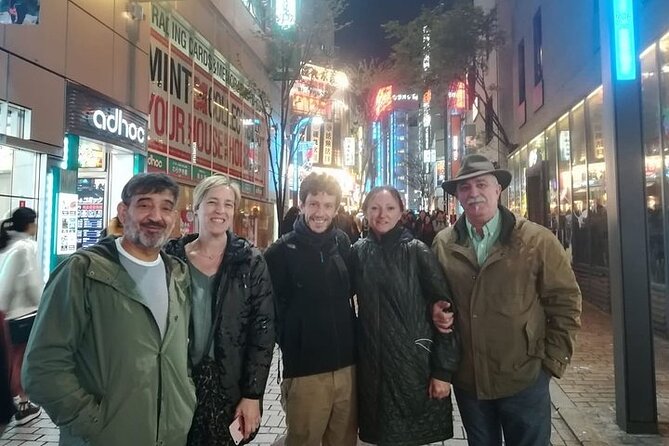
- Private, exclusive group time: you won’t share your guide with strangers, so questions are easy and the pacing is yours
- Customizable itinerary: you can shape what you care about, from food focus to shopping and culture
- Hotel pickup (if you’re in the city): you start with less hassle, especially if it’s your first Tokyo day
- Four language choices: you can match your comfort level and avoid the awkward pointing game
- Wheelchair accessible: the tour is built with mobility in mind
- Free-entry stops on the plan: each listed stop notes free admission, so you can focus on what to see and do
Private Tokyo pacing, hotel pickup, and language help
If you’ve ever tried to plan a Tokyo day by yourself, you already know the problem. Even when you have the right landmark names, you still get stuck on the stuff that slows people down, like where to stand, how to behave at a shrine, and what’s worth your limited time.
This tour solves that with a guide who works like a translator for Tokyo life, not just a reciter of facts. You can ask as much as you like, then adjust on the spot when your interests shift. Want more street-level food context at Tsukiji? Want to know what to look for in Akihabara stores? You can steer the flow.
I also appreciate the basics that make the day smoother. Hotel pickup is offered if you’re located in the city, and the tour uses a mobile ticket, so you’re not juggling printed paperwork. And if language barriers worry you, there are four language options to choose from, which is a big deal when the goal is understanding, not just photos.
You can also read our reviews of more walking tours in Tokyo


Tsukiji Outer Market: seafood, snacks, and how not to waste time
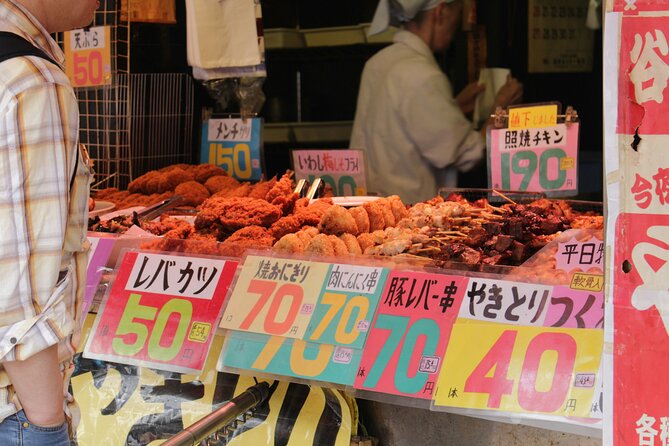
Your tour can start at Tsukiji Outer Market, one of Tokyo’s loudest, most visual food zones. The value of having a guide here is not just explaining seafood in general. It’s helping you navigate the crowd flow, understand what you’re seeing, and choose street food you’ll actually enjoy.
You’ll get about 15 minutes at this stop, so treat it like orientation plus a quick taste. A guide can also help you figure out what’s significant here, since Tsukiji’s reputation isn’t only about fish itself, it’s about how Tokyo markets function as a whole, where shoppers and sellers move at their own speed.
Possible drawback: Tsukiji is busy, and 15 minutes goes fast. If you’re hoping for a sit-down meal or a slow, linger-in-every-stall kind of experience, this stop will feel like a sampling lap, not a full food crawl. That said, because food and drinks aren’t included, you’re free to buy what you want, at your own comfort level and budget.
Sensō-ji in Asakusa: Thunder Gate, rituals, and simple temple etiquette
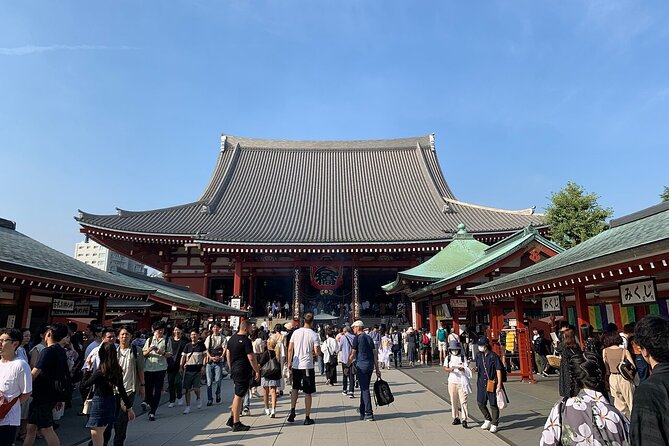
Next up is Sensō-ji in the Asakusa district, a stop that mixes big-history visuals with everyday ritual. With a guide, you won’t just walk past the famous gate and call it a day. You’ll get the story behind the Thunder Gate, plus guidance on how people participate in traditional rituals without you needing a crash course first.
I like this stop because it teaches you how to watch respectfully. You’ll get context for the temple’s role in the area, and you’ll likely know where to look when something is happening around you. That matters, because in these places, the scene is the point.
Time check: around 15 minutes. That’s enough to understand the main layout and feel the atmosphere, but not enough for a deep, hour-by-hour shrine visit. If you want to linger for incense, photographs, or quiet moments, plan a follow-on walk after your tour.
Meiji Jingu: Shinto cues, torii etiquette, and a calmer kind of Tokyo
Meiji Jingu is the swing from city noise to ritual stillness, and a guide helps you read what you’re seeing. You’ll get cultural context for Shinto rituals, understand the significance of the torii gate, and hear stories about the shrine and the surrounding forest.
One thing I find helpful about a guided stop here is behavioral clarity. When you know what’s expected, you don’t spend your time worrying if you’re doing something wrong. You can simply participate in the way that matches the moment.
A practical consideration: you might feel a bit of “walking momentum” pressure, since the tour keeps moving and each stop is short. If you’re someone who likes quiet time, use this stop for mental reset, then come back later on your own for a slower loop.
Akihabara: electronics, anime, and finding what you actually want
Then comes Akihabara, where Tokyo flips from sacred symbols to pixel-bright pop culture. A guide helps you go beyond surface browsing. You can get cultural significance behind what you’re seeing, and your route can include places that match your interests instead of random store hopping.
I like that you can use this stop for targeted curiosity. If you’re into electronics, you’ll get pointers about how the shops are organized and what each area tends to specialize in. If you’re there for anime and gaming, you’ll know where to look and what kind of things people come for.
Possible drawback: Akihabara can be sensory overload. With only 15 minutes, you might not want to plan too many must-buy items. Use this stop to learn your bearings, then return on your own if you find a store you love.
You can also read our reviews of more guided tours in Tokyo

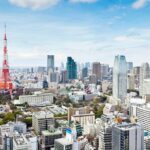


Tokyo Skytree viewing area: why this city scale surprises people
Next is the Tokyo Skytree stop, focused on panoramic views and the bigger-picture story of the skyline. You’ll hear about construction and significance, then get a chance to take in the city from the observation decks.
I like this kind of stop on a short tour because it gives you scale. Once you see Tokyo from above, street-level plans make more sense. Neighborhoods feel less like disconnected dots, and you start understanding how Tokyo spreads and how districts connect.
One consideration: the tour notes free admission for the stop, but it also depends on what exact area you’re accessing. The plan specifically mentions observation decks, so you should still follow whatever the guide outlines on the day. If you’re hoping for a long, ticketed viewing session, ask your guide early how much time you’ll have on the deck.
Ginza: upscale shopping street, guided for meaning not just shopping
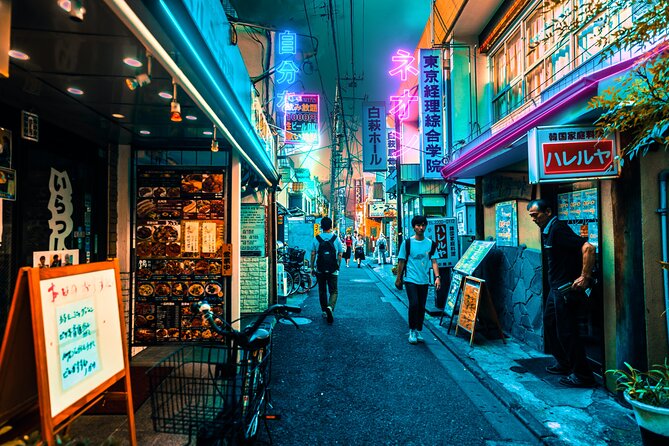
Ginza is next, and it’s easy to think of it as only expensive shopping and polished streets. A guide makes it more useful by adding context and helping you find places that fit your tastes, including spots that might not be on every generic list.
This stop is about learning what makes Ginza Ginza. You’ll hear the history of the area and get help identifying shopping and dining options that match your comfort level. Even if you’re not planning to buy luxury items, you still gain something: you’ll know how to read the district, what style to expect, and where to wander without ending up stuck in tourist-only loops.
Time check again: about 15 minutes. If you want shopping time, treat this as your “set up the next move” stop. Buy nothing now if that’s your style, but use the guide to point you toward where you’d want to return.
Ueno Park: cultural stops plus practical timing for seasonal moments
At Ueno Park, a guide can help you understand the park’s cultural significance and highlight museums and attractions in the area. If you’re traveling when cherry blossoms are out, this is also a stop where timing matters, since the tour notes finding good spots for cherry blossom viewing.
I like this stop because it gives you options. Parks in Tokyo can feel like “one long area,” but a guide can point out where to start, what to prioritize, and what you might want to revisit later.
Possible drawback: Ueno is big. With only 15 minutes, you won’t see everything, so it helps to decide in advance what you care about most, like museums versus viewpoints versus general strolling. If you don’t decide, you risk spending the short window trying to decide.
Roppongi Hills: art, modern Tokyo, and a better museum mindset
Your tour wraps with Roppongi Hills, a district that mixes art, shopping, and entertainment. A guide can point you toward the Mori Art Museum and explain architecture and local cultural events, which helps you understand why this area feels different from older Tokyo neighborhoods.
I find Roppongi especially useful after the earlier stops because it creates a clean comparison. You get sacred ritual at Asakusa and Meiji Jingu, then shopping culture at Akihabara and Ginza, then modern Tokyo form at Roppongi. By the time you reach the hills, the city’s “layers” click into place.
Consideration: if you’re museum-first, 15 minutes may feel short. Use this stop for orientation and “should I come back?” energy, then return later if it calls you.
What makes this tour feel worth it: private time, not just a checklist
At $52.86 per person for about 2 hours, the value depends on your travel style. If you like self-guided wandering and you already speak Japanese, you might feel the cost. But if you want help turning Tokyo landmarks into real understanding, the private format can pay off fast.
Here’s why. You’re paying for:
- Private, exclusive time with no strangers in your space
- Customization, so the day doesn’t force you into someone else’s interests
- Hotel pickup if you’re in the city, which saves time and mental energy on day one
- Language support via four options, reducing the chance you miss the details that make a stop click
The fact that the listed stops note free admission also matters. It means your budget can focus on what you buy personally, like snacks and drinks, rather than stacking ticket costs.
And I’ll add one practical thing I took from the guide style described in reviews. Amy, a guide named in one of the comments, is praised for giving small, useful local tips, like pointing out where trash bins are. In Japan, where to dispose of waste can be harder than people expect. That kind of guidance turns a walk into a smoother day.
Logistics: what 2 hours and 15-minute stops really means
This is a short, moving tour. Each stop is roughly 15 minutes, and that pacing is the point. You’ll see a lot of Tokyo in a limited window, but you won’t get the luxury of long stays at every location.
So here’s how to use it well:
- Go in with a short list of what you want, like one food priority, one shopping style, one cultural stop
- Treat each location as orientation plus a “first look”
- Ask your guide what to do next, since you’ll likely want to return to your favorites after the tour
Also remember it’s a walking tour, and local transportation isn’t included. That’s great for sightseeing, but it means you’ll want comfortable shoes and a plan for weather. If you’re balancing mobility needs, the tour being wheelchair accessible is a strong point, but still make your needs clear when you book.
Who should book this private Tokyo walking tour
This tour fits best if you:
- Want major Tokyo highlights without the stress of planning and navigation
- Enjoy cultural context, like ritual etiquette and what neighborhoods mean
- Prefer a private guide who can adapt your route
- Need language support and value fewer misunderstandings
- Like an easy start with hotel pickup when available
It may be less ideal if you:
- Want long time inside museums or shops
- Plan to spend most of the day eating, with no interest in short sampling stops
- Want a tour that replaces doing Tokyo on your own after, since this is more of a smart introduction
Should you book this private Tokyo walking tour?
If you’re visiting Tokyo for the first time or you want a smoother “first Japan day” feel, I’d say yes, book it. The private format, multilingual options, and hotel pickup help you get oriented quickly. The free-entry stops keep the day affordable in practical terms, and the short stop structure is perfect when you’re juggling jet lag, limited time, or just want someone to help you pick what matters.
Book it especially if you like the idea of asking questions as you walk. Tokyo is full of details that only make sense when someone explains them. This tour does that, while still letting you enjoy the sights at your own pace between quick guide-led moments.
FAQ
How long is the private Tokyo walking tour?
It runs for about 2 hours.
Is this tour private or shared with other people?
It’s private and exclusive, meaning it’s only your group.
Is hotel pickup included?
Hotel pickup is included, with pickup at your accommodation if it’s located in the city.
Are the tour stops free to enter?
The listed stops note admission tickets as free.
Can I choose a guide language?
Yes, there are four language options to choose from.
Is the tour wheelchair accessible?
Yes, the experience is wheelchair accessible.
What is included in the tour price?
Private and exclusive tour time, customization of the tour, and hotel pickup (if you’re in the city) are included.
What is not included?
Food and drinks are not included, and tips are optional. Local transportation around the city is also not included since it’s a walking tour.
How do the stops work time-wise?
Each listed stop is scheduled for about 15 minutes.
What’s the cancellation window?
You can cancel for a full refund up to 24 hours in advance of the experience start time.
More Walking Tours in Tokyo

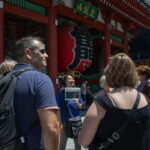
More Tours in Tokyo






More Tour Reviews in Tokyo


Not for you? Here's more nearby things to do in Tokyo we have reviewed












Tokyo City Tours, side by side.
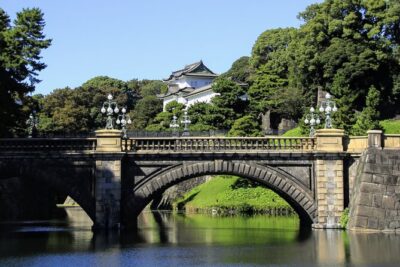 ★ 5.01-Day Tokyo Bus TourFrom $12914,250 reviews
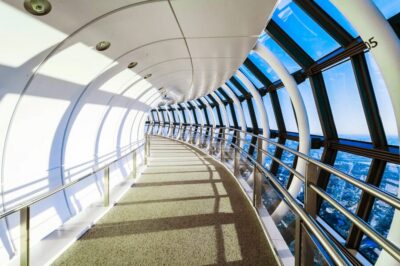 ★ 4.5TOKYO SKYTREE® Admission ticketFrom $1311,192 reviews
 ★ 4.6teamLab Planets TOKYO Digital Art Museum Entry TicketFrom $259,779 reviews
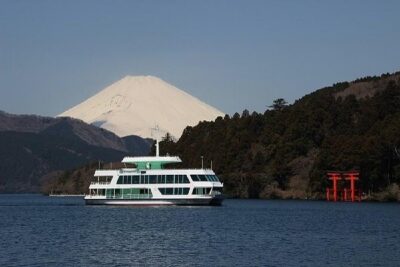 ★ 4.0Mt Fuji & Hakone Cruise, Drum Show Bullet Train 1 Day from TokyoFrom $1497,413 reviews
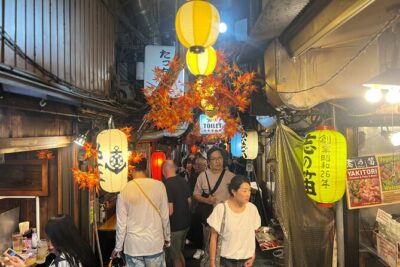 ★ 5.0Shinjuku Food Tour (13 Dishes at 4 Local Eateries)From $866,603 reviews
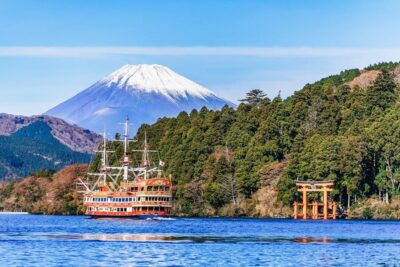 ★ 4.4Tokyo Mt Fuji 5th St & Hakone Cruise Bus Tour w/Bullet TrainFrom $1545,024 reviews
 ★ 5.0Flagship 2-Hours Official Street Go-Kart Tour – Tokyo Bay ShopFrom $644,974 reviews
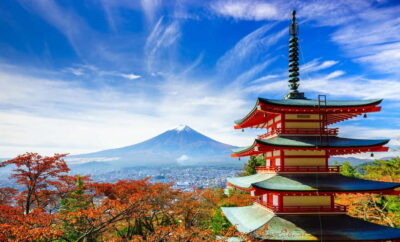 ★ 4.5From Tokyo: Mount Fuji Full-Day Sightseeing TripFrom $684,970 reviews
This tour also belongs to