
Review · SHIBUYA TOURS
Shibuya Tokyo: Sushi Making Class (Vegan/Vegetarian/Halal)
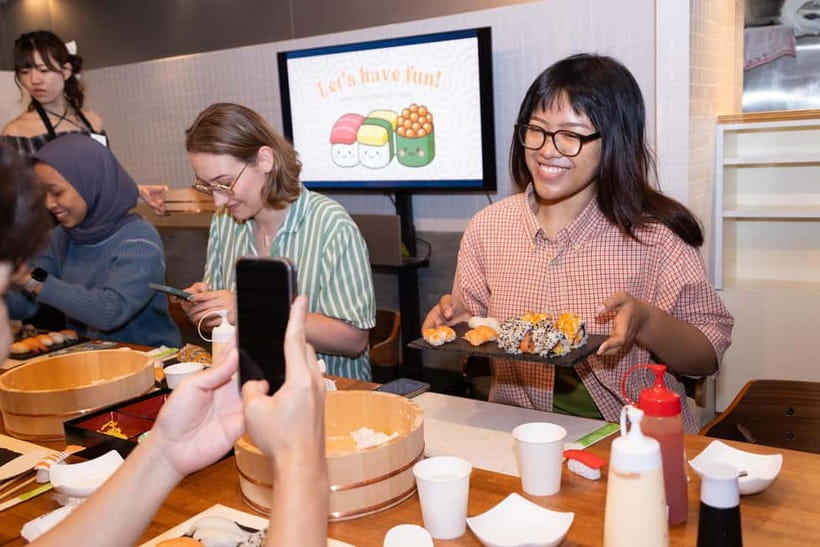
Shibuya sushi class turns dinner into a lesson. In 90 minutes, you learn to roll vegan and vegetarian sushi and shape classic nigiri in the middle of Shibuya, with English-speaking instructors guiding you step by step. The best part is that it is hands-on from the start, so the whole experience feels like cooking with a friend instead of sitting in a demo.
Two things I genuinely like: the class is diet-flexible (vegan, vegetarian, halal-friendly, and gluten-free) and the teaching style stays friendly and stress-free. One consideration, based on the location experience, is to give yourself extra time to find the studio, since the meeting point can vary depending on your booking.
Key Points That Make This Class Worth It
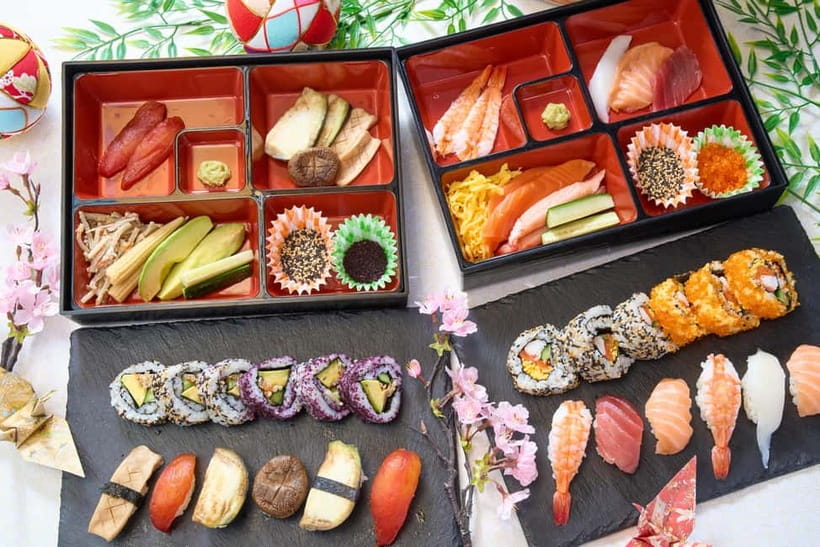
- Hands-on vegan and vegetarian sushi, including California rolls and nigiri
- A fun sushi history quiz before you start cooking
- Diet options that actually matter in Japan, with vegan, vegetarian, halal-friendly, and gluten-free choices
- English-speaking local instructors with clear, patient guidance
- Eat what you make, plus photos before you dig in
- Fresh ingredients like eggplant, mushroom, tomato, and avocado for plant-based rolls
The Shibuya Setting That Keeps It Fun, Not Formal
This is one of those Tokyo food experiences that feels modern and welcoming, yet still grounded in a real skill. Shibuya is loud, fast, and packed, so it is a nice change of pace to step into a studio where someone is actually walking you through sushi basics. You are not expected to already know Japanese cooking terms or have chef-level knife skills.
The location is also practical. The studio is about a 7-minute walk from Shibuya Station, which matters when you are juggling trains, shopping, and dinner plans. It is close enough that you can fit the class in without losing half your day to commuting.
And because the instruction is in English, you spend your mental energy on the food, not on translating. I like that the vibe stays relaxed, with teachers who make you comfortable and keep the pace beginner-friendly. In the reviews, you see that same pattern again and again, including moments of light conversation with the instructors.
One small reality check: because the studio’s meeting point may vary, I would not plan to sprint in at the last minute. Build in a few extra minutes so you can arrive calm.
More Tokyo tours and experiences for the shortlist


What You Actually Make: California Rolls and Nigiri
This class is not just about assembling a roll from a kit. You make sushi you can recognize, including California rolls and nigiri. That combination is a smart choice for learning. Rolls teach you how fillings and seaweed work together. Nigiri teaches you the idea of topping + shape, which is a core part of sushi culture.
You also get to work with a plant-forward ingredient set. For vegan and vegetarian options, the class uses vegetables such as eggplant, mushroom, tomato, and avocado. That matters because sushi at home can feel tricky when you only think of fish. Here, you learn how the format adapts, using ingredients that bring texture and flavor without needing animal products.
If you are halal-focused, the class is built to accommodate that too, as a stated option. The key for you is to indicate your needs when booking, because the menu changes cannot be handled on the day of the activity. In other words, it is inclusive, but it still depends on planning.
The hands-on focus is what gives this experience value. You are not just watching someone roll. You are doing the rolling and shaping, then eating it.
The Sushi Quiz: A Clever Warm-Up
Before cooking starts, you get a short sushi history quiz. It is not framed like homework. It is meant to break the ice, and it also gives you context while you are about to learn a practical food skill.
In the reviews, this warm-up stands out for being fun, and for presenting sushi facts in a way that does not feel boring. The instructors talk about sushi history briefly, then you immediately put that knowledge into action with your own rolls and nigiri.
For me, that quiz is more than entertainment. It makes you pay attention during the class. When you know why sushi is shaped a certain way or what makes it iconic, the steps feel more meaningful. You end up with a better story to tell later, not just a full stomach.
English-Speaking Instructors Who Keep You Moving
A cooking class can easily turn frustrating if the instructions are vague. Here, the emphasis is on clear, supportive teaching. The reviews mention instructors like Momoyo and Kaito by name, and they show up in the feedback as friendly teachers who explain techniques in a way that makes beginners feel comfortable.
What you can expect in practice:
- You get guidance while you roll your sushi.
- You learn how to make nigiri, not just one style of sushi.
- You can ask for help without feeling singled out.
This is one of the reasons I think the class works well in Shibuya. You are in a tourist-heavy area, so it is easy to find experiences that feel generic. This one feels personal because the teaching is interactive and the staff seems to care about comfort.
Also, the studio is described as clean and lovely, which matters for food work. When your workspace is tidy and organized, you can focus on learning instead of coping with mess.
Diet-Friendly Sushi Options That Do Not Feel Like an Afterthought
This class is designed for you if you eat vegan, vegetarian, halal-friendly, or gluten-free. That list is not just marketing. It is built into the booking options, and you are encouraged to indicate dietary restrictions in advance.
Here is what that means for you on the ground:
- You can choose vegan or vegetarian versions that use vegetable fillings.
- You can choose halal-friendly options.
- You can choose gluten-free options.
One more practical detail: the class notes that menu changes cannot be accommodated on the day of the activity. So if you have allergies or a strict requirement, do the homework now when you book. That is the difference between a smooth experience and a last-minute scramble.
From the feedback, accommodation feels consistent and caring. People specifically mention the staff being accommodating with dietary needs or allergies, and instructions staying clear.
More Tokyo tours and experiences for the shortlist




What Happens During the Meal (Yes, You Eat)
After shaping your sushi, you sit down and eat what you made. That simple “make then eat” structure is one of my favorite ways to learn cooking in Tokyo, because you taste the outcome of every step. If something tastes off, you can connect it to what you did, not just what you watched.
Before eating, the staff can take photos of your sushi. This is a small touch, but it matters in Shibuya, where you will otherwise spend the whole day surrounded by screens and selfies. Here, the food is the point, so you get images of what you actually created.
The portions are not described in detail, but the reviews consistently emphasize the meal is delicious and satisfying. For a 90-minute class, eating together is part of why the experience feels worth the time.
Price and Value: Why $58 Can Make Sense
The price is $58 per person for about 90 minutes. On paper, cooking classes can look expensive until you break down what is included.
In this case, the value comes from several bundled parts:
- An English-speaking instructor
- All ingredients for your chosen diet option (fresh vegetables for vegan/vegetarian)
- Cooking utensils and sushi tools
- Structured instruction for making California rolls and nigiri
- You eat the sushi afterward
That is a lot included for one price, especially if you are visiting from abroad and do not want to source specialty ingredients or tools. Also, you are paying for the teaching. The whole point is learning techniques with guidance, then taking home the skill.
If you already love sushi and want to understand how the process works beyond ordering, this class gives you that “I can do it” feeling. If you are just hunting for a quick snack, it might feel like more time than you want. But if you enjoy hands-on cooking and want something culturally tied to Tokyo, the cost-to-experience ratio looks fair.
Timing in Shibuya: How to Plan Your Day
This experience lasts 90 minutes, and it runs on starting times you can check. Because you are walking from Shibuya Station, you can treat it like a meal break plus a lesson.
My practical suggestion:
- Plan to arrive early enough to orient yourself.
- Keep nearby activities light on the schedule right before or after, in case you need a few extra minutes to settle in.
From the feedback, one recurring theme is that the class is easy and smooth once you find the venue. The only real friction is location-finding, so plan for that.
Who This Class Is Best For
I think this is a strong fit for:
- Vegan or vegetarian travelers in Tokyo who want sushi that is not an awkward restaurant hunt
- Anyone halal-friendly who wants a structured way to enjoy sushi culture
- Gluten-free diners looking for a sushi class option that acknowledges restrictions in advance
- Food lovers who want an interactive experience over a scripted meal
- Solo travelers and couples, since the activity is teacher-led and relaxed
If you dislike hands-on cooking, you might find this too active. If you want an experience where you mostly watch and take notes, this is not that. But if you like learning by doing, you will probably have a great time.
Should You Book This Shibuya Vegan Sushi Making Class?
If you want a Tokyo activity that is practical, inclusive, and genuinely fun, I would book it. The strongest reasons are the combination of English-speaking instruction, the chance to make both California rolls and nigiri, and the fact that vegan, vegetarian, halal-friendly, and gluten-free options are part of the plan.
It is also a good value because ingredients and tools are included, and you eat what you make. That turns the class into a meal plus a skill, not just a paying-for-the-demo situation.
The only reason to hesitate is if you are very tight on time and hate navigating meeting points. Give yourself a little buffer, and this becomes an easy win in an otherwise busy city.
If your dietary needs are strict, book with the correct option and communicate them clearly, since menu changes are not handled on the day of the activity. Do that, arrive with a calm timeline, and you should leave with sushi you made yourself, plus techniques you can repeat at home.
FAQ
How long is the sushi making class?
The class lasts 90 minutes.
Where is the class located?
It is in the heart of Shibuya, Tokyo, about a 7-minute walk from Shibuya Station. The exact meeting point can vary depending on the option booked.
What dietary options are available?
The class offers vegan, vegetarian, halal-friendly, and gluten-free options (you need to indicate your preference when booking).
What sushi will I learn to make?
You will make sushi including California rolls and nigiri.
Is the class taught in English?
Yes, the instructor is English-speaking.
Are there any restrictions during the class?
Audio recording is not allowed.
Can the menu be changed on the day of the activity?
Menu changes cannot be accommodated on the day of the activity.
What is the price, and what is the cancellation policy?
The price is $58 per person. Free cancellation is available up to 24 hours in advance for a full refund. There is also a reserve now and pay later option.
More Workshops & Classes in Tokyo
More Food Experiences in Tokyo

More Tour Reviews in Tokyo





Not for you? Here's more nearby things to do in Tokyo we have reviewed












Shibuya Tours, side by side.
 ★ 5.0Official Street Go-Kart in ShibuyaFrom $763,435 reviews
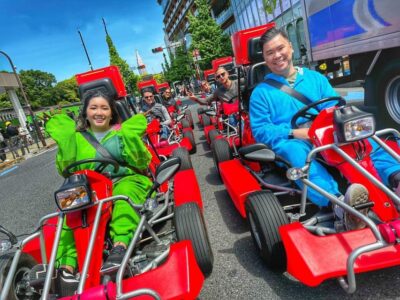 ★ 4.9Street Kart Experience in ShibuyaFrom $741,484 reviews
 ★ 5.0Shibuya Meltdown Nightlife Tour: All-You-Can-Drink Bar HoppingFrom $1061,058 reviews
 ★ 5.0Shibuya Official Street Go-Kart in Shibuya AnnexFrom $69972 reviews
 ★ 5.0Shibuya Food Tour (13 dishes and 4 Eateries)From $77770 reviews
 ★ 5.0Best of Shibuya Food TourFrom $217612 reviews
 ★ 4.8Shibuya Highlights Walking TourFrom $19601 reviews
 ★ 4.7Premium Go-Kart Tour with Tower & Shibuya CrossingFrom $116528 reviews
This tour also belongs to