
Review · TOKYO CITY TOURS
Tokyo Half Walking Day Tour with a Local Expert Guide
Tokyo is loud, so a plan helps. This private half-day walking tour lines up big-name Tokyo with calmer palace and shrine time, plus complimentary bottled water to keep you steady. You get stress-free pickup and a local expert who can steer you through some of Tokyo’s most recognizable stops in a way that feels practical, not rushed.
I especially like the mix: you’ll see eye-candy icons like Shibuya Scramble and Tokyo Tower, and then you’ll shift gears to the Imperial Palace grounds and Meiji Jingu for a real change of pace. One drawback to think about: pick-up timing can be unclear in some cases, so I recommend you confirm the exact pick-up time and location well ahead of your start.
Key highlights
- Private group attention so you can ask questions on the move and adjust the route to your pace
- Free views at the Tokyo Metropolitan Government Building to get an instant read on the city’s scale
- A classic-sight path that connects Shibuya, the Imperial area, Tsukiji, and Meiji Jingu in about 4 hours
- Bottled water included, a small thing that matters when walking in Tokyo heat
- Many stops are free to enter, with a short list of paid add-ons like Tokyo Tower
Price and value for a 4-hour Tokyo walking day
At $80.02 per person for about 4 hours, the value comes from two things: efficiency and guidance. Tokyo is huge, and squeezing Shibuya, the Imperial Palace area, Tsukiji, and Meiji Jingu into one half-day is exactly the sort of plan that can save you from time-wasting transfers, wrong turns, and slow starts.
You also get a private setup, not a crowded group tour. That matters because the guide can keep you moving at a good walking rhythm and answer the kind of questions that pop up only when you’re standing in front of the real thing. If your Tokyo trip has limited time and you want a guided “greatest hits” day with actual meaning behind the places, this price starts to make sense.
Costs to watch: many stops are free, but not all. Entry fees are not included, and the tour notes a 500 Yen payment on site, plus Tokyo Tower requires an extra ticket if you want to go up. If you’re hoping for a completely pay-nothing tour, adjust expectations.
You can also read our reviews of more walking tours in Tokyo


Hotel pickup, meeting points, and how to avoid a rough start
Pickup is offered, and the tour runs daily from 9:00 AM to 6:00 PM. The experience ends back at the meeting point, so you’re not stuck figuring out your own exit plan at the end of a long walk.
Here’s my practical advice: because you’re relying on a schedule and pickup, confirm the exact start time and where you’ll meet your guide before the day arrives. In at least one real-world situation, a lack of clarity about pick-up details caused a problem, so don’t assume the time is obvious. Ask for the exact pick-up window and meeting landmark, then write it down.
Also, this tour is near public transportation, but public transportation itself is not included. I’d plan to have an IC card (or cash) ready just in case you need to pay for a short transit hop between areas.
Shibuya Scramble Crossing from Hachikō Exit: how to make the chaos useful
Shibuya Scramble is one of those Tokyo moments you’ve probably seen in photos, but the real trick is using your time well. Your guide takes you to the area in front of Shibuya Station’s Hachikō exit, and you spend about 30 minutes here. That’s enough time to orient yourself, watch how pedestrians flow, and figure out the best direction to cross.
What I like about this stop in a guided format: you don’t just stand there. You get help reading the pedestrian choreography, so it feels less like random chaos and more like a system. And since Shibuya is built for movement, your guide can time when to cross and where to look so you’re not fighting the crowd unnecessarily.
Potential drawback: Shibuya is busy by nature. If you’re sensitive to crowds, it helps to use your guide’s directions for where to stand and when to move rather than improvising.
Tokyo Metropolitan Government Building decks: free sky views that reset your bearings
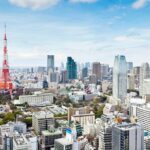
Next up are the Tokyo Metropolitan Government Building Observation Decks, also about 30 minutes. The big win here is that the observation decks are free, so you can enjoy a wide city view without paying another ticket price. You also get your guide’s context about what you’re looking at, and it’s a nice moment to do mental mapping.
This stop is underrated because it’s not only about the view. It’s about orientation. From up there, Tokyo stops feeling like a blur of neighborhoods and starts looking like a set of linked districts, rivers of streets, and zones with their own personalities. Later, when you move through the day, you’ll understand how the areas connect.
One consideration: you’re likely to be standing and looking for the full time block, so wear something comfortable and give yourself a quick breather if you need it.
Tokyo Tower and FootTown: iconic views, plus optional extra spending
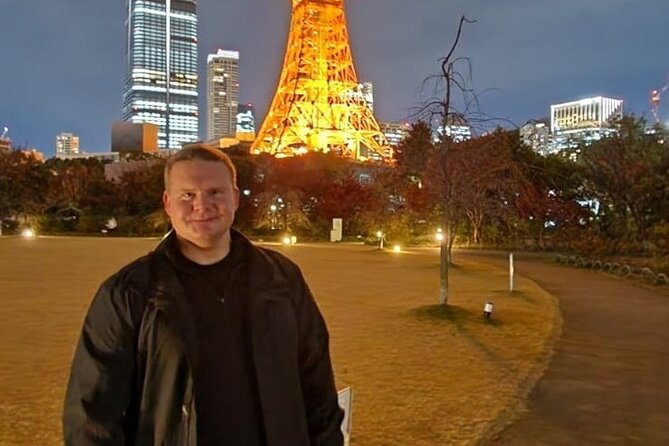
Tokyo Tower is next, with about 30 minutes on the schedule. Observation decks and related areas include the FootTown complex with shops, museums, restaurants, and more, but going up the tower requires an extra ticket, which is not included.
This is where the private guide approach pays off. You can decide on the spot whether you want to spend extra for the tower experience or keep your time focused on walking and viewpoints that fit your interests. If you love skyline views, you’ll likely find the ticket worth it. If you’re more into city streets and neighborhood energy, you may prefer to spend your limited time at street level and enjoy what’s free around the complex.
Practical note: if you plan to go up, build in a bit of patience for ticketing and entry flow. The tour gives you a half-hour window, and you’ll want to start early within that window if you care about the top views.
You can also read our reviews of more guided tours in Tokyo


Imperial Palace area: quiet context in the middle of a fast day
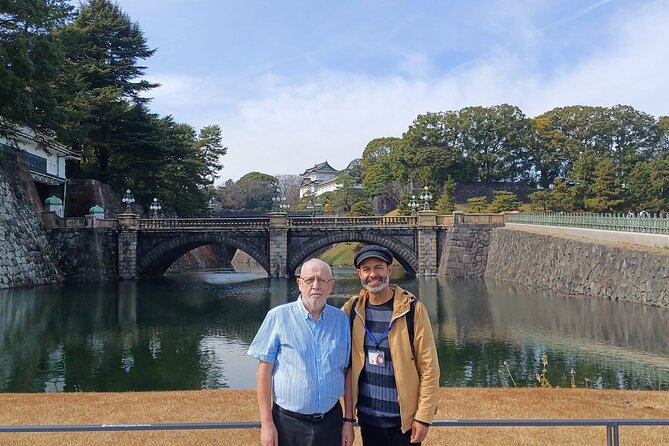
You’ll visit the Imperial Palace area for about 30 minutes. The Imperial Palace itself is free to enter as part of this stop. This is a good contrast stop after Shibuya and before busier food areas, because the grounds feel more spacious and calmer.
What makes this stop valuable is the way it changes your pace. Tokyo can feel hyper-efficient, but this area slows you down naturally. Even if you’re not a detail-nerd about Japanese history, you’ll likely appreciate how the space functions as a green core in the middle of the city.
Then there’s a second Imperial-related stop: The East Gardens of the Imperial Palace, specifically the Edo Castle ruin area, scheduled for about 30 minutes. This one is not included for entry, so you should expect a fee. If you’re the type who likes seeing the physical traces of older Tokyo, this is a strong add-on.
Consideration: if you’re trying to keep the whole day “free fee-free,” you may want to plan for these paid entry moments. The tour does provide guidance, but it’s still smart to think ahead about what you want.
Tsukiji Outer Market: practical tips for food, shopping, and not losing time
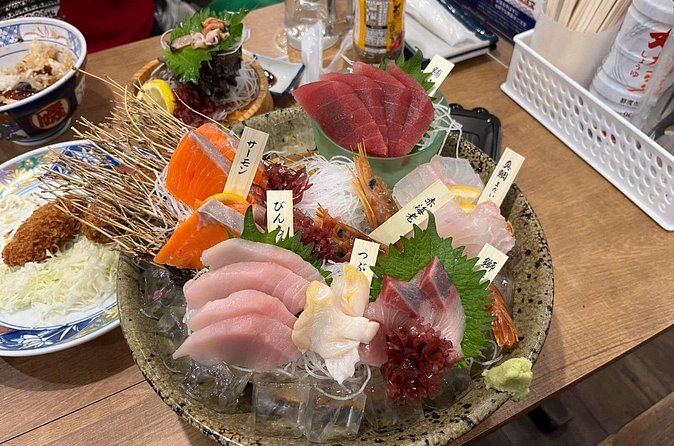
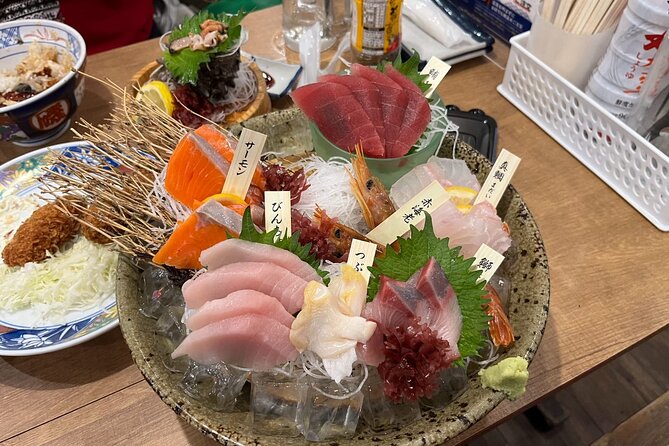
Tsukiji Outer Market is on the itinerary for about 30 minutes, and entry to the area is free. This is the stop where your day turns more sensory: seafood, produce, snack-style bites, knives and kitchen goods, and a lot of quick-stop shops.
Here’s the practical way to enjoy Tsukiji without turning it into a 30-minute panic scramble: treat it like a sampling circuit. Instead of committing to one big meal, grab a couple of small things you can eat on the move, then browse for a specific category you care about, like knives or packaged local snacks.
The tour does not include food and drink. So you control your budget here, which is good. If you do want to eat, I suggest using your guide’s recommendations to avoid getting steered toward the most touristy options. Also, if you’re the type who gets hangry fast, plan a quick bite early in the stop so the rest of the browsing stays fun.
Meiji Jingu shrine: a calm reset near the city’s trend zones
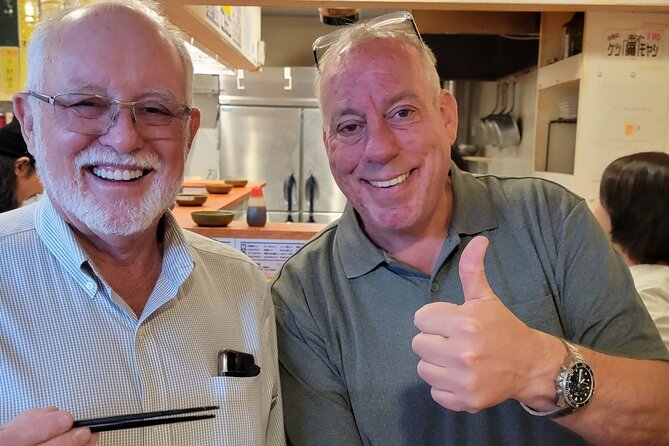
Meiji Jingu Shrine is the last stop listed, about 30 minutes, and entry is free. This is a strong ending because it offers a reset after the street-level motion of Shibuya and market walking.
Meiji Jingu honors the deified spirits of Emperor Meiji and Empress Shoken, and your guide gives context so you’re not just looking at gates and paths without understanding what you’re seeing. The site’s spiritual layout often makes people slow down naturally, and in a half-day schedule, that’s exactly what you want.
Practical consideration: if you’re sensitive to being in quiet spaces with many visitors, you might want to move slowly and give yourself permission to just stand still for a few minutes. It’s not a stop you have to “win.”
What the private guide changes in a half-day plan
This tour is described as customizable and private, meaning you get more attention from your guide than you would on a standard group route. That changes the experience in small but meaningful ways.
- Your guide can adjust the pace so you’re not sprinting between iconic stops.
- You can ask questions as they come up, like why certain areas feel different or what to notice in each setting.
- If you want photo help, navigation help, or simple explanations of etiquette and layout, this is exactly the kind of time you’ll want.
There’s also a helpful extra mentioned: after the tour, your guide provides free support while you’re in Japan for booking help. You might use this for planning another activity without having to start from scratch.
Timing and pacing: how to fit 7 stops into about 4 hours
The schedule lists seven stops, each around 30 minutes. That’s roughly 3.5 hours on-site, leaving the rest for walking, short transitions, and any time you need to regroup.
To make the day feel smooth, plan like this:
- Wear comfortable walking shoes. Tokyo surfaces can be slick, stepped, and surprisingly tiring.
- Bring a light layer. Morning and afternoon temperature swings can happen, and you’ll be outside for the full stretch.
- Use the included bottled water and take small breaks before you feel thirsty.
One more real-world tip: because pickup timing might be unclear in some situations, keep your day flexible and don’t stack another appointment immediately after the tour ends.
Who this tour suits best
This is a good match if you want a guided “best of Tokyo” half day without turning your entire trip into a logistics exercise. It also works well for:
- First-time visitors who want a clear orientation across multiple Tokyo districts
- Travelers who like mixing landmark photos with calmer stops
- People who prefer a private experience and easy Q and A rather than following a scripted group script
- Anyone who values free admission stops and then pays only when it’s worth it, like Tokyo Tower or the East Gardens
If you’re the kind of traveler who loves wandering with zero structure, you might find the fixed stop rhythm limiting. But if you want a smart outline that still leaves room to ask questions and adjust, the private format helps.
Should you book this Tokyo half-day walking tour?
If your goal is a focused Tokyo day that hits Shibuya, Tokyo Tower area, the Imperial Palace grounds, Tsukiji, and Meiji Jingu in one go, I think this is a solid option. The value improves because many stops are free, and bottled water plus hotel pickup reduces friction in a busy city.
I’d book it with one condition: confirm the exact pick-up time and meeting point clearly before your day starts. That one step can prevent the kind of frustrating start that ruins a schedule.
If you’re okay with paying a site fee or two (including the 500 Yen on-site costs noted, plus optional Tokyo Tower entry), you’ll likely enjoy how the route balances iconic Tokyo with quieter, more reflective moments.
FAQ
How long is the Tokyo half walking day tour?
It lasts about 4 hours.
What is the price per person?
The price is $80.02 per person.
Is this tour private?
Yes, it is a private tour, and only your group participates.
What is included in the tour price?
Bottled water is included.
Are admission tickets included for each stop?
No. Entry costs are not included. The tour notes 500 Yen to be purchased on site, and Tokyo Tower requires an extra ticket to go up. The East Gardens stop also lists admission as not included.
Does the tour offer hotel pickup?
Yes, pickup is offered.
What are the main stops on the itinerary?
The tour includes Shibuya Crossing, Tokyo Metropolitan Government Building Observation Decks, Tokyo Tower, the Imperial Palace, Tsukiji Fish Market (Outer Market area), the East Gardens of the Imperial Palace, and Meiji Jingu Shrine.
Is food included?
No. Food and drink are not included.
Can I cancel for a full refund?
Yes. Free cancellation is available, and you must cancel at least 24 hours in advance for a full refund.
More Walking Tours in Tokyo

More Tours in Tokyo





More Tour Reviews in Tokyo


Not for you? Here's more nearby things to do in Tokyo we have reviewed












Tokyo City Tours, side by side.
 ★ 5.01-Day Tokyo Bus TourFrom $12914,250 reviews
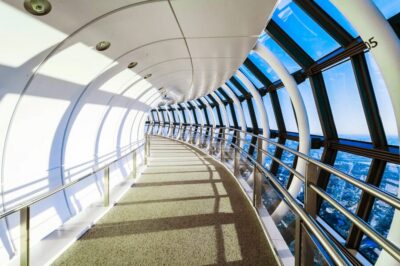 ★ 4.5TOKYO SKYTREE® Admission ticketFrom $1311,192 reviews
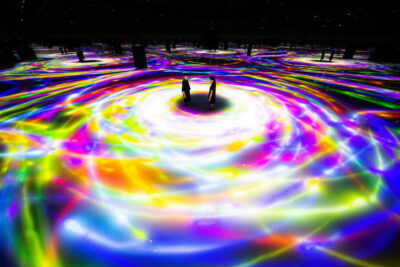 ★ 4.6teamLab Planets TOKYO Digital Art Museum Entry TicketFrom $259,779 reviews
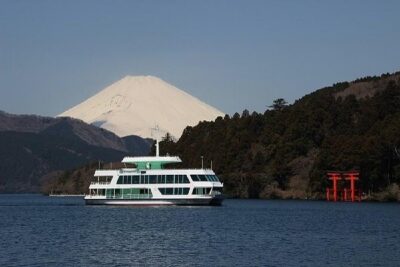 ★ 4.0Mt Fuji & Hakone Cruise, Drum Show Bullet Train 1 Day from TokyoFrom $1497,413 reviews
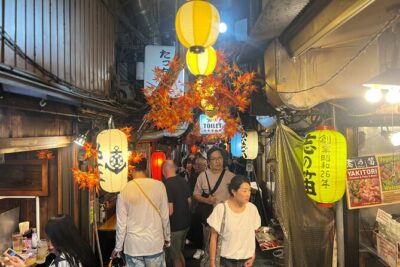 ★ 5.0Shinjuku Food Tour (13 Dishes at 4 Local Eateries)From $866,603 reviews
 ★ 4.4Tokyo Mt Fuji 5th St & Hakone Cruise Bus Tour w/Bullet TrainFrom $1545,024 reviews
 ★ 5.0Flagship 2-Hours Official Street Go-Kart Tour – Tokyo Bay ShopFrom $644,974 reviews
 ★ 4.5From Tokyo: Mount Fuji Full-Day Sightseeing TripFrom $684,970 reviews
This tour also belongs to