
Review · TOKYO CITY TOURS
Tokyo: Kichijoji Walking Tour with Local Guide
Kichijoji feels like Tokyo’s living room. You’ll get a small-group walk with a local guide, then slow down in Inokashira Park before heading to the Ghibli Museum on your own schedule inside the timed window. Guides like Mina (and others including Mimi, Yuma, Daiske, Shinjo, and Oishi, depending on the group) consistently make the neighborhood feel personal, not touristy.
What I like most is the balance: time to learn Kichijoji’s character, plus time to just enjoy the museum at your pace. One consideration is the price. At $88 for 4 hours, you’re paying for guided navigation and the bundled museum admission, so it’s best if you really want the Ghibli Museum and prefer a guided day over self-planning.
Key highlights at a glance
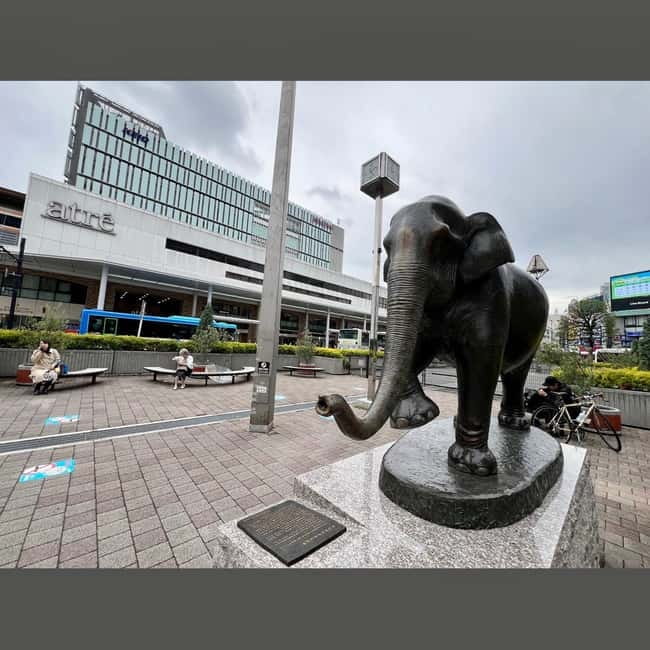
- Meet Hanako the elephant right at Kichijoji Station and get oriented fast
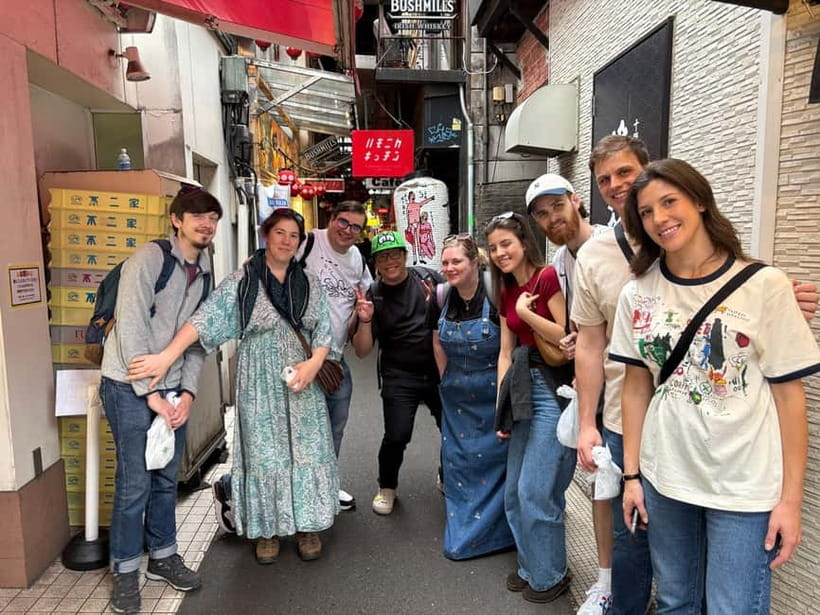
- Sunroad + Harmonica Yokocho for small-street Tokyo vibes and snack stops
- Inokashira Park where locals actually hang out, with calm lake scenery
- Ghibli Museum admission included, plus about 2 hours to explore calmly
- Small group of up to 5, which keeps questions easy and the pace relaxed
Kichijoji Station, Hanako the elephant, and a tour that starts easy
This tour begins at the ゾウのはな子 (Hanako Elephant Statue) at Kichijoji Station North Exit. Look for your guide wearing a lanyard. If you’re orienting yourself, one helpful clue is that the statue is near Starbucks, which makes it easier to spot in the flow of commuters.
The first thing you’ll notice is how smoothly the day gets going. You’ll spend a short stretch walking on foot right away, then settle into the neighborhood rhythm. That matters because Kichijoji can feel like a lot on your own, with shopping streets, side lanes, and parks all interlocking. With a guide, you get the logic of where to go next without having to constantly check maps.
A big plus here is the group size. Up to 5 participants means the guide can slow down when someone needs a moment, and you’re not getting rushed through photo stops like you’re in a human conveyor belt.
You can also read our reviews of more walking tours in Tokyo


Sunroad: the shopping street that explains Kichijoji’s personality
After that initial walking stretch, you’ll head into Kichijoji Sunroad for guided time. This is the kind of place where Tokyo shows you its everyday face: storefronts, locals moving between errands, and that slightly nostalgic neighborhood energy that doesn’t feel staged.
What makes this segment valuable is that it’s not only “walk and look.” The guide orientation is the point. You’ll hear context about what you’re seeing as you pass it, including what kinds of shops and food are typical here. In a few reviews, people specifically called out guidance on local spots, restaurants, and even manga-related culture. Translation-wise, guides can also use English and Japanese, and some groups have relied on translation help when needed.
Why you’ll enjoy this even if you’re not a hardcore shopper: Sunroad sets the emotional tone. Once you understand what Kichijoji feels like day to day, the later park and museum stops hit differently.
Harmonica Yokocho: narrow lanes, snack energy, and why food matters
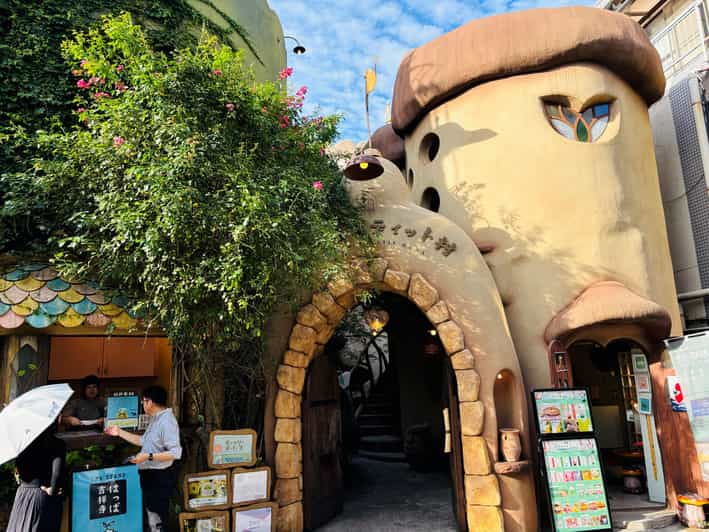
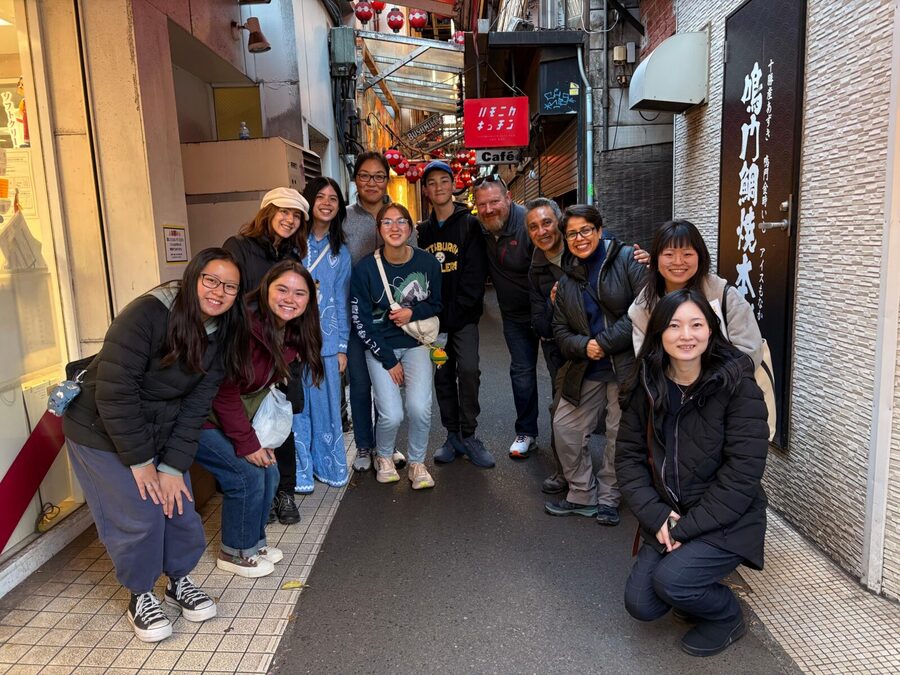
Next up is Harmonica Yokocho, also guided. This lane is known for its cramped, narrow shape and a dense lineup of small food options. It’s the kind of street where the smells and sights do half the work for you.
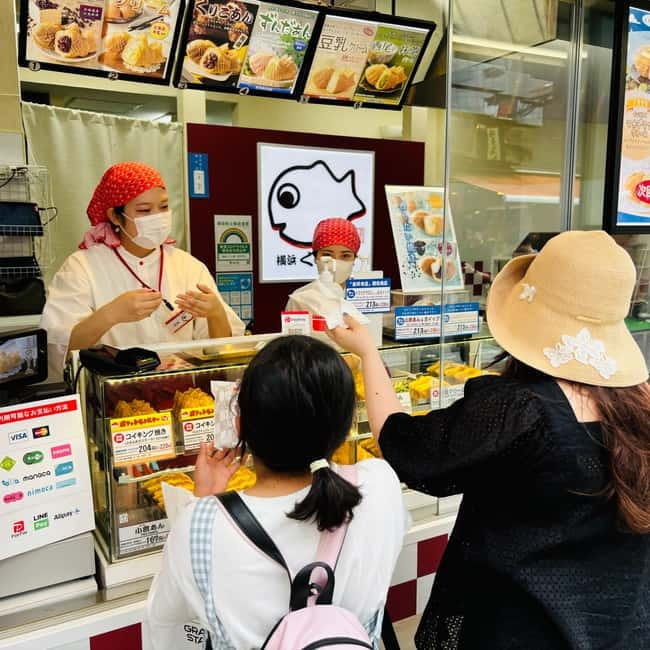
This is one of the most praised parts of the whole experience. People mention that the alley lives up to its name, with tight spacing packed full of food choices. The tour includes a snack, and depending on the guide and timing, you might also find yourself eating things like Japanese sweets or fish-shaped pastries along the way. The key is this: you’re not guessing. The guide points you toward what fits the moment.
A practical note: because Harmonica Yokocho is narrow and crowded, comfortable shoes matter even more here than on a wide pedestrian avenue. If your feet get tired easily, pace yourself and drink some water before you enter the busiest stretch.
Inokashira Park: where the pace slows and your Tokyo day breathes
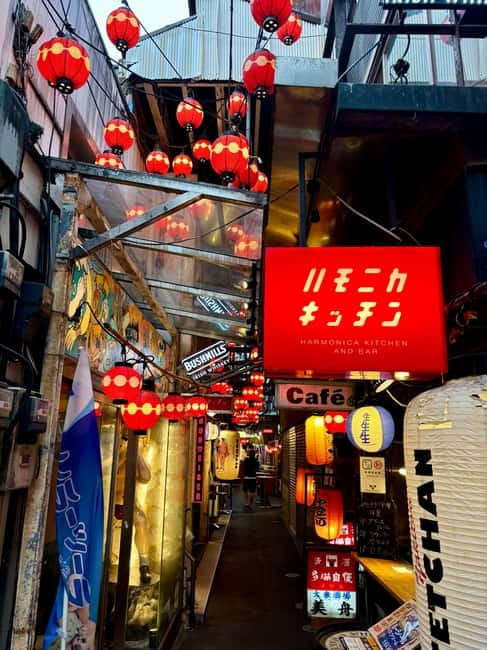
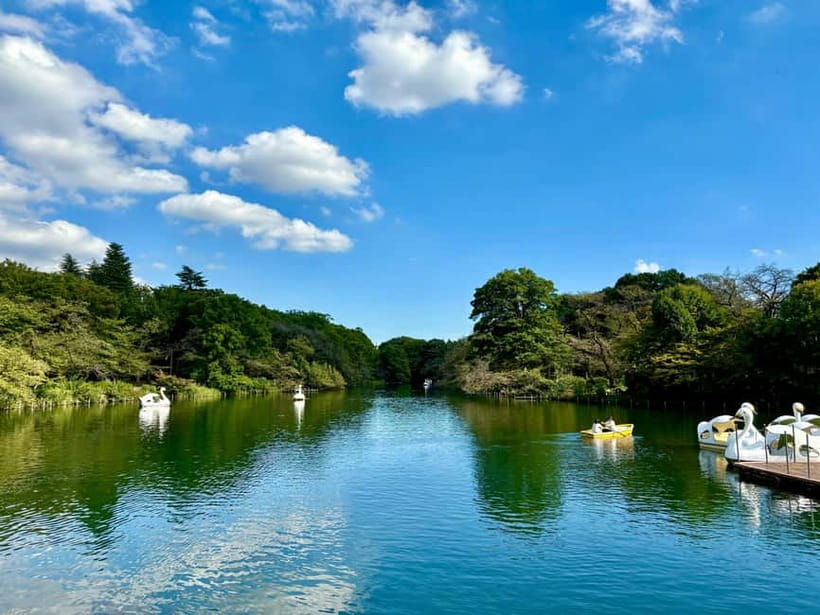
After the street segments, you’ll move into Inokashira Park for guided time. This is your reset button. The park is popular with locals throughout the year, and on a typical afternoon it feels like a pocket of calm right inside a huge city.
What stands out in the reviews is how real the park atmosphere feels. People described it as a true oasis after busier Tokyo areas, and they also mentioned the lake and swan boats, which add a small, memorable visual moment to an otherwise simple walk. You may also pass shrines or quiet corners on the way, and you’ll have chances to pause and look around instead of treating the park like a corridor.
If you want a useful mental picture: think of this part as the “Tokyo detox.” Once you’re walking under trees and along calmer paths, you’re in the right headspace for the museum later.
The walk to the Ghibli Museum: the calm before the ticket moment
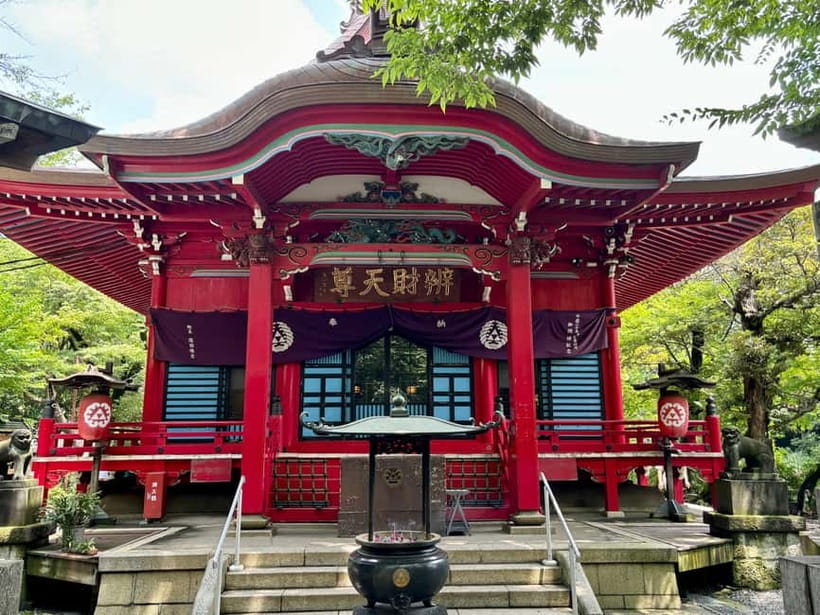
You’ll then have a short on-foot stretch toward the Ghibli Museum. This is when the day feels like it’s transitioning from “neighborhood tour” to “anime day.”
One reason this works so well is timing. You’re not arriving exhausted, and you’re not arriving too early. You’ve just had snacks and a park stroll, which means you’ll actually enjoy the museum window rather than feel like you’re dragging yourself through it.
Keep in mind photography rules. The activity info notes that photography may be limited inside the museum. Plan for that. Bring the expectation that you’ll take most photos around the exterior areas, and let your memories do the rest inside.
You can also read our reviews of more guided tours in Tokyo




Inside the Ghibli Museum: your 2-hour window to explore your way
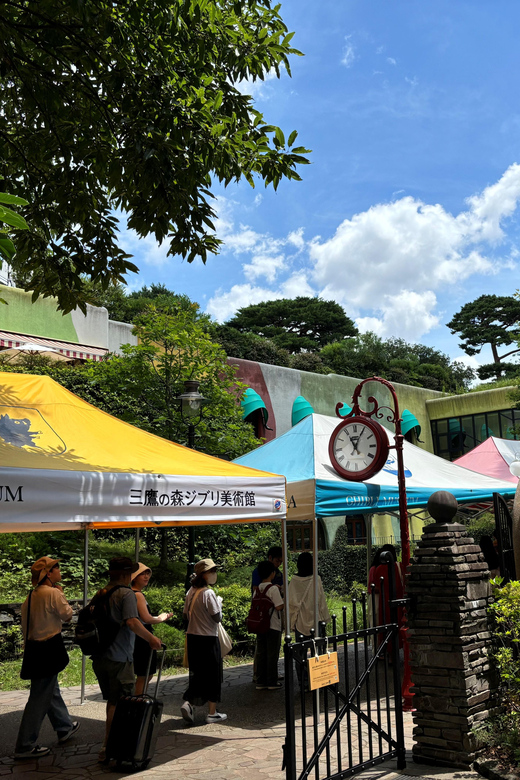
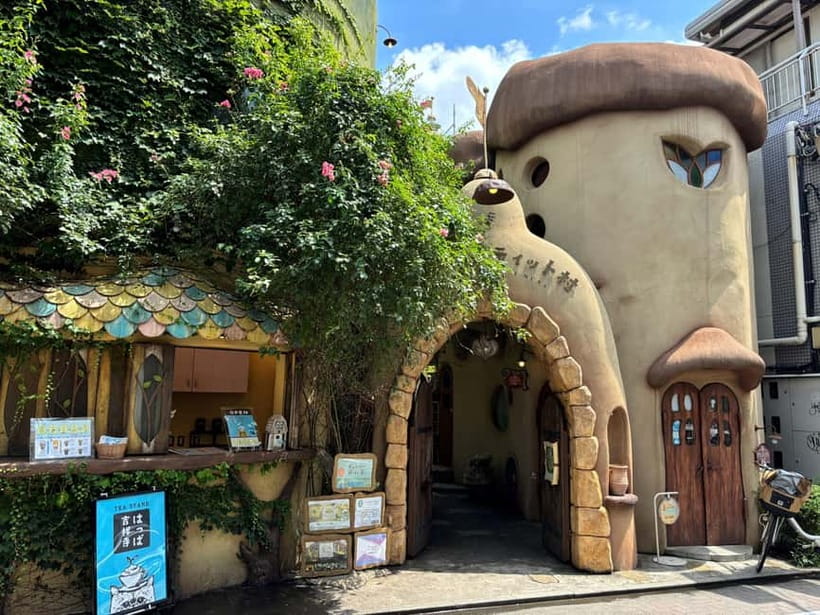
At the Ghibli Museum, the tour includes admission and then gives you about 2 hours of free time. That’s the sweet spot for most people. The museum experience isn’t just “see everything fast.” It’s more like letting the atmosphere work on you.
A few smart tips based on real visitor guidance from the group experience:
- Don’t plan on a full-day museum mission. Two hours is usually enough to enjoy the key exhibits without turning the visit into homework.
- Use your navigation strategically. One review mentioned a route tip: starting at the bottom can help you end near the gift shop at the top, though you still need stairs to exit.
- Assume you’ll photograph more outside. People noted that outside photo opportunities can be a pleasant bonus, while inside is more restricted.
Also, this tour can be especially appealing if you struggled to get tickets on your own. Several reviews describe situations where booking directly was difficult, and people were genuinely relieved to have an alternative that still delivers the museum visit. If that’s you, this tour isn’t just a “nice extra.” It can be the difference between skipping the museum and actually going.
Snack, lunch options, and how to eat without derailing the schedule
The tour specifically lists a snack as included, and lunch is listed as not included. So I’d plan your day with that in mind: you’ll get a small food stop included, but you should expect to pay for any full meal separately.
That said, the guides often make food easy in practice. Multiple reviews talk about lunch stops at local places, including fish restaurants, sushi, and desserts like taiyaki. The consistent theme is that the guide helps you pick something that works with the area and the time you have, including options if you have food preferences.
If you want an efficient strategy, do this:
- Eat something light from the included snack stop.
- Keep lunch flexible and follow your guide’s direction when you reach the neighborhood meal area.
- If you’re sensitive to long waits at popular counters, let the guide steer you rather than chasing the first place you see.
And yes, your group may get small sweets even beyond the main snack, depending on the guide and what’s available that day. Just don’t count on it as a guarantee.
Guides make the difference: why this feels like friends, not a lecture
This is a small-group walking tour, and the guides are the product. The reviews repeatedly describe guides as friendly, organized, and warm, with a “like a good friend showing us around” feel.
You might meet Mina, Mimi, Yuma, Daiske, Shinjo, Kahou, Yuta, Miko, Chono, or Oishi depending on your date. The recurring strengths across names are practical: they explain what you’re seeing, they help with local food choices, and they keep you on track without rushing you.
One more practical win from the review stories is communication. Several groups mentioned WhatsApp contact the day before, and one review mentioned how the tour team was understanding if someone arrived a few minutes late. That kind of calm management helps your day stay smooth, especially in a train-heavy city.
Price and value: what $88 buys you, and when it’s worth it
Let’s talk money like an adult.
At $88 per person for 4 hours, you’re paying for:
- guided walking through Kichijoji highlights
- a small group (max 5)
- snack inclusion
- and Ghibli Museum admission (plus your timed 2-hour visit)
If you only wanted a quick neighborhood walk, the price would be hard to justify. But you’re also buying the museum access and the guidance that gets you there in a structured way.
So the best value scenario is when:
- you want the Ghibli Museum, and you’d rather not gamble on ticket timing
- you enjoy learning local context (shops, street life, and what to eat)
- you prefer a calmer pace with time to breathe in a park
A consideration: you’re paying more than the museum ticket alone would cost in isolation. But the overall package makes sense if you value a guide-led day and want the museum visit without extra planning stress.
Who this tour suits best (and who might prefer to DIY)
This tour fits best if you want a slower, local Tokyo afternoon with a clear structure. It’s also described as relaxed and family-friendly, which checks out given the pacing and the mix of shopping streets, park time, and museum time.
It’s also a strong pick if you’re an anime fan who wants more than just a ticket. You’ll get the local context before the museum, which makes the experience feel connected to real places, not just fandom tourism.
You might consider a DIY plan instead if:
- you’re only interested in the museum and you’re comfortable navigating Kichijoji on your own
- you don’t want any guided stops at all and prefer a free-for-all itinerary
- you’re on a tight budget and the extra cost over museum-only entry feels too steep
For most people balancing “I want Tokyo flavor” and “I really want Ghibli,” this is a very workable compromise.
Should you book this Kichijoji and Ghibli afternoon?
I’d book it if you want the easiest path to a Ghibli Museum visit with admission included, plus a guided taste of Kichijoji that doesn’t require a lot of map work. The Inokashira Park reset is a real payoff, and the small-group guide approach keeps it from feeling like a rushed checklist.
I would think twice if you mainly want the museum and already have a plan to get tickets smoothly. In that case, you might be paying mostly for guidance and neighborhood orientation rather than unlocking something you can’t do yourself.
If you’re the kind of traveler who likes your Tokyo day to include snacks, side streets, and quiet moments, this one is worth it. Plan on comfortable shoes, expect limited museum photos, and enjoy the fact that Kichijoji has a way of making even a short afternoon feel full.
FAQ
Where do I meet the guide?
Meet at the Hanako Elephant Statue (ゾウのはな子) at Kichijoji Station North Exit. Look for a guide with a lanyard.
How long is the walking tour and museum time?
The total experience is about 4 hours. The schedule includes guided walking segments and roughly 2 hours of free time at the Ghibli Museum.
Is Ghibli Museum admission included?
Yes. Admission to the Ghibli Museum is included, along with the walking tour, guide, and a snack.
What language is the tour guide?
The guide works in English and Japanese.
Is lunch included?
No. Lunch is not included in the package, though you can grab food in the area during the day.
Does the tour run in the rain?
Yes, the tour operates rain or shine.
What should I bring?
Bring comfortable shoes. Also note that smoking is not allowed.
More Walking Tours in Tokyo

More Tours in Tokyo






More Tour Reviews in Tokyo


Not for you? Here's more nearby things to do in Tokyo we have reviewed












Tokyo City Tours, side by side.
 ★ 5.01-Day Tokyo Bus TourFrom $12914,250 reviews
 ★ 4.5TOKYO SKYTREE® Admission ticketFrom $1311,192 reviews
 ★ 4.6teamLab Planets TOKYO Digital Art Museum Entry TicketFrom $259,779 reviews
 ★ 4.0Mt Fuji & Hakone Cruise, Drum Show Bullet Train 1 Day from TokyoFrom $1497,413 reviews
 ★ 5.0Shinjuku Food Tour (13 Dishes at 4 Local Eateries)From $866,603 reviews
 ★ 4.4Tokyo Mt Fuji 5th St & Hakone Cruise Bus Tour w/Bullet TrainFrom $1545,024 reviews
 ★ 5.0Flagship 2-Hours Official Street Go-Kart Tour – Tokyo Bay ShopFrom $644,974 reviews
 ★ 4.5From Tokyo: Mount Fuji Full-Day Sightseeing TripFrom $684,970 reviews
This tour also belongs to