
Review · TOKYO CITY TOURS
Tokyo: Manga Drawing Workshop Guided by Pro Manga Artist
In 150 minutes, you’ll draw like a pro. This Tokyo manga workshop in Shibuya is built around real mangaka technique, guiding you from first ideas to a finished manga panel. You’re not just watching art happen, you’re making it happen.
I love that no previous skills are required, and the class is designed so you can still end with a clean, manga-style result. I also like the focus on traditional process, especially inking, solid blacks, and how screentones change the mood of a page.
One consideration: the session is structured around producing a finished panel, so it’s not total free-form “anything goes” art time.
Key Points I’d Prioritize Before You Go
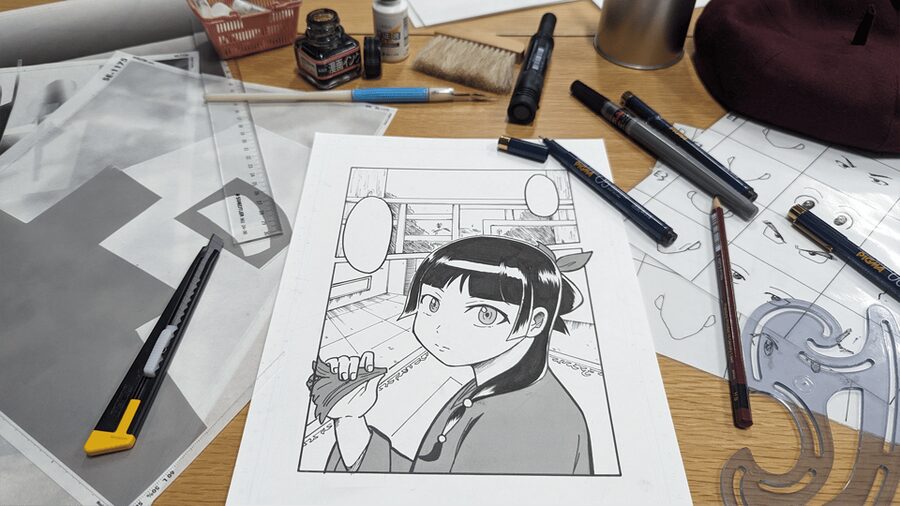
- A pro mangaka runs the steps from rough layout through inks and finishing
- Small group size (up to 8) keeps the attention personal
- Interpreter included, with English and Japanese support throughout
- Materials are provided, so you can show up empty-handed
- You take home your finished manga panel, typically laminated for keeping
Why This Tokyo Manga Workshop Feels Like a Creator’s Studio

If you’ve ever wanted to understand how manga panels get made, this is the rare workshop that treats manga like craft, not just a hobby project. You’ll follow the same broad workflow professionals use, from the first concept to the final touches that make the page read like manga.
The best part is the “pro feedback loop.” A manga artist is right there steering your choices, correcting proportions, and guiding the parts that usually trip up beginners. That support is what turns a fun dream into something you can actually bring home.
Also, this isn’t a purely theoretical class. You’ll use physical manga tools and techniques, including inking and screentones, which is where manga starts looking like manga instead of cartoon practice.
You can also read our reviews of more guided tours in Tokyo


The 150-Minute Flow: From Idea to Inks, Screentones, and Speech Bubbles
The full session follows a clear sequence. Even if you’re new to drawing, the structure gives you momentum, and the instructor can steer you when you get stuck.
1) Choosing your subject and getting the idea down
Early on, you’ll start with an idea for what you’ll draw. In some sessions, you can work from a given prompt or samples. Other times, you may bring your own reference image and adapt it into manga style.
This stage matters because manga is more than outlines. You’re thinking about pose, expression, and how the panel will be read in a single glance.
2) Rough sketching and drafting
Next comes the rough layout. The instructor helps you plan the shapes before you commit to final lines. This is where manga drawing gets practical: you’re learning to build a panel in steps, rather than trying to draw everything perfectly at once.
A big win here is that you don’t need to be “good” yet. You’re learning the method, and the class is paced for you to finish.
3) Inking and getting that manga contrast
Then you move into drafting with ink. In manga, solid blacks are not decoration, they’re structure. They sharpen characters, emphasize silhouettes, and add punch to the panel.
This is also the moment you’ll see how pros handle line weight and clarity. Even when you’re drawing your own character, the instructor’s guidance helps your lines look intentional.
More Tokyo tours and experiences for the shortlist




4) Screen tones that create shadow, texture, and mood
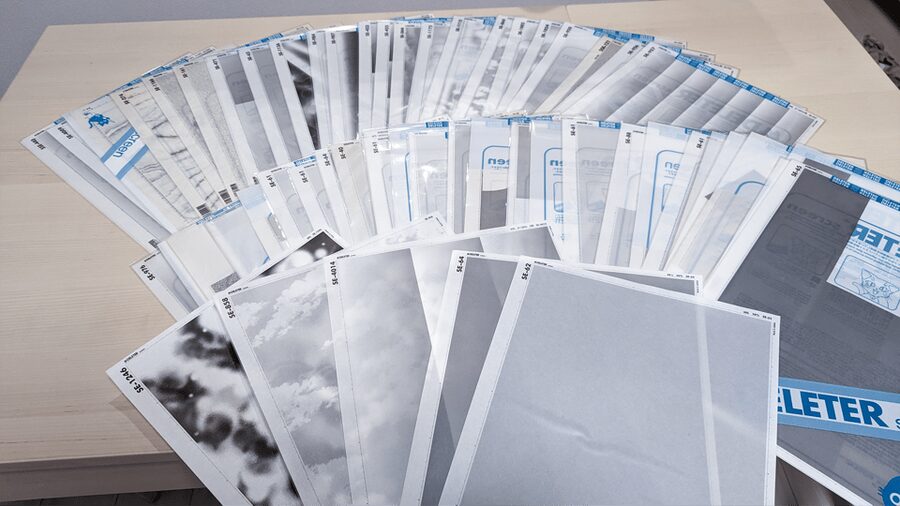
After the inking, you apply screen tones. This is one of the most “real manga” parts of the experience, because screen tones are what give flat drawings depth and atmosphere.
You may use tone materials that are applied with cutting and placement techniques. One participant described using a calque-like paper approach and a cutter for tone placement, which tells you the class can get hands-on and technical in the best way.
5) Speech bubbles and finishing touches
Finally, you add speech bubbles and complete the panel. This is where the page becomes a real manga moment, not just a portrait.
By the end, you’ll have a finished work that feels complete as a panel, with the elements that make manga read smoothly.
Meeting Point in Shibuya: Finding 6F at the Thin Black TR Building
Your meeting point is 6F, Shibuya 3-chome TR Building, 3-8-11 Shibuya, Shibuya-ku, Tokyo. The building is described as black and relatively thin, which can make it a little harder to spot at first.
My practical advice: arrive early enough that you’re not rushed. Shibuya itself can be confusing, and walking around with a phone map while you try to identify a thin building wastes time and patience.
Once you find the right building, everything becomes straightforward. You’re going upstairs to the studio area and then the real workshop starts.
The Pro Manga Artist Plus Interpreter Setup (Why It Works for Beginners)

This workshop is built as a duet: a professional manga artist teaching the craft, plus an interpreter helping you move through the process in English and Japanese.
You’ll see how much this matters if you’re a beginner. Manga instruction often depends on small communication details, like how to place tones, how to structure a face, or how to think about negative space. When the interpreter is there, you get those small explanations instead of guesswork.
In the sessions that have run, interpreters with names like Machi, Madoka, Ai, and Hanae have shown up in feedback. Instructors named in past sessions include artists such as Shige Mathumori, Hiroshi, and Rokkaku-sensei, depending on the day. The point for you: you’ll be guided by an experienced sensei, and the language support is part of the design, not an afterthought.
Also, the class format is small, limited to 8 participants. That size helps the instructor correct mistakes faster and keep explanations clear for different skill levels in the same room.
What You Actually Keep: A Finished Manga Panel, Laminated

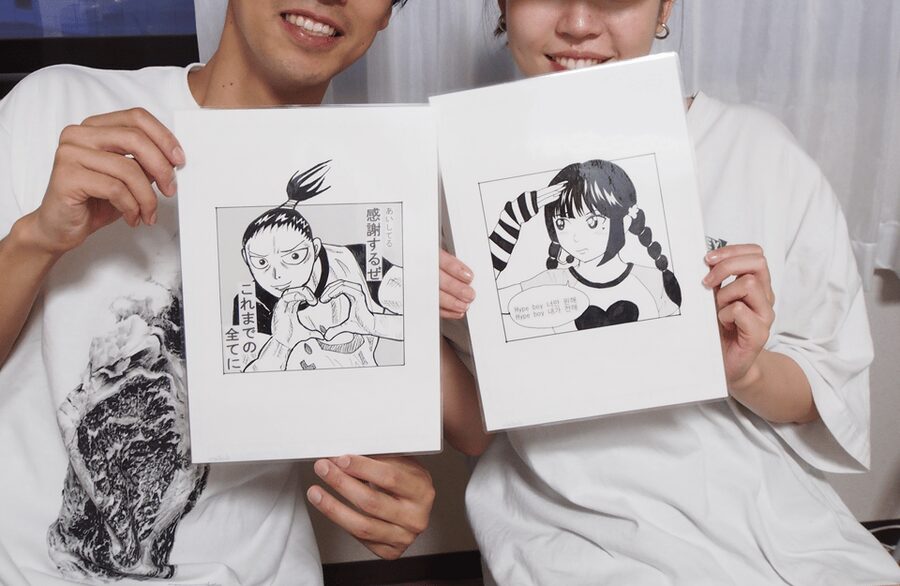
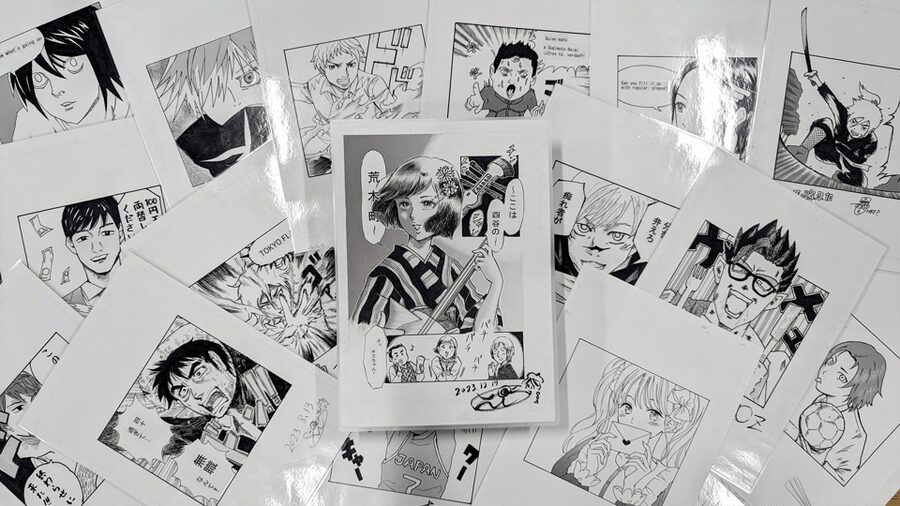
One of the best parts of this experience is the take-home factor. You don’t just leave with a worksheet or a photo on your phone. You leave with your own self-drawn manga panel as a physical keepsake.
Multiple participants specifically noted that the final art is laminated. That’s smart for two reasons:
1) Laminating protects your work so it lasts.
2) It makes framing easier, because it’s less fragile than loose paper art.
And yes, people call it one of the best souvenirs they’ve found in Japan. The value is emotional and practical. You get something personal to your hands, not just something mass-produced.
Price and Value: Why $129 for 150 Minutes Can Be a Good Deal

At $129 per person for 150 minutes, you’re paying for more than an activity. You’re paying for:
- A professional manga artist instructor (20+ years of experience)
- An interpreter
- All drawing materials
When you add those together, the price starts to make sense. A typical “classroom” fee usually covers tools, but it often does not include hands-on guidance from a practicing professional plus full language support.
Also, manga drawing has a technical part that many casual workshops skip. Inking, screen tones, and the way speech bubbles are integrated are where this gets real. If you want the full process, not just a sketch session, this format is priced fairly.
The materials are included, and that matters because it’s easy to underestimate what manga tools actually cost after you go home.
The Best Fit: Who This Workshop Suits in Tokyo
This is a strong match if you:
- Love manga and want to understand how panels are built
- Want a hands-on experience with no prior drawing skills required
- Are traveling with a partner or family and want something that feels special
- Like learning with your hands, not just watching demonstrations
- Want to reset your drawing approach using traditional tools
You’ll also probably enjoy it if you’re an artist who wants to try traditional manga techniques again. Several participants described learning about screentones and returning to drawing afterward with new motivation.
Where you might hesitate:
- If you want total freedom to invent a highly complex original manga page with no structure, the workshop is geared toward producing a finished panel within time.
- If you dislike step-by-step guidance, the class may feel like it starts a bit slow while you set up the drawing plan, but it tends to pick up as inks and tones happen.
Small Details That Make or Break the Experience

A few things to plan for so your session feels smooth.
Go with the right expectations
You’re not just learning to draw one character. You’re learning the workflow that turns a loose idea into manga-style presentation. That workflow is the point, and it’s what makes the final panel feel authentic.
Bring your curiosity, not your ego
Beginners often worry they’ll ruin the page or take too long. The class is built for beginners, with guidance through the full process.
Plan food around it
Food and drinks are not included. So plan to eat before or after. You’ll enjoy the class more if you’re not dealing with hunger mid-session.
Should You Book This Tokyo Manga Drawing Workshop?
I think you should book it if you want a hands-on Tokyo experience with a clear outcome: a manga panel you made, with professional guidance, in a small group. It’s especially worth it for manga fans who want more than a souvenir photo, and for beginners who want to learn the real steps of manga craft.
I’d skip or reconsider only if you know you want free-form, highly self-directed art time. This workshop is structured for a polished final panel, and that structure is part of the value.
If you’re in Tokyo and you even slightly love manga, this one is a smart use of time. You’ll come away with a technique you understand and a piece of your own drawing to prove it.
FAQ
How much does the Tokyo manga drawing workshop cost?
The price is $129 per person.
How long is the workshop?
The duration is 150 minutes.
Where is the meeting point?
The meeting point is 6F, Shibuya 3-chome TR Building, 3-8-11 Shibuya, Shibuya-ku, Tokyo.
Do I need to know how to draw manga before I go?
No. The experience is designed so you can draw manga even if you are unsure about your skills.
What languages are available during the class?
The languages are English and Japanese.
Is an interpreter included?
Yes. A professional manga artist instructor and an interpreter are included.
How big is the group?
It is a small group, limited to 8 participants.
Are art materials provided?
Yes. Manga drawing materials are included, so you can come as you are.
What do I take home at the end?
You keep your self-drawn manga as a one-of-a-kind keepsake.
Is free cancellation available?
Yes. You can cancel up to 24 hours in advance for a full refund.
More Workshops & Classes in Tokyo
More Guided Tours in Tokyo



More Tour Reviews in Tokyo






Not for you? Here's more nearby things to do in Tokyo we have reviewed












Tokyo City Tours, side by side.
 ★ 5.01-Day Tokyo Bus TourFrom $12914,250 reviews
 ★ 4.5TOKYO SKYTREE® Admission ticketFrom $1311,192 reviews
 ★ 4.6teamLab Planets TOKYO Digital Art Museum Entry TicketFrom $259,779 reviews
 ★ 4.0Mt Fuji & Hakone Cruise, Drum Show Bullet Train 1 Day from TokyoFrom $1497,413 reviews
 ★ 5.0Shinjuku Food Tour (13 Dishes at 4 Local Eateries)From $866,603 reviews
 ★ 4.4Tokyo Mt Fuji 5th St & Hakone Cruise Bus Tour w/Bullet TrainFrom $1545,024 reviews
 ★ 5.0Flagship 2-Hours Official Street Go-Kart Tour – Tokyo Bay ShopFrom $644,974 reviews
 ★ 4.5From Tokyo: Mount Fuji Full-Day Sightseeing TripFrom $684,970 reviews
This tour also belongs to