
Review · ASAKUSA TOURS
Tokyo Morning Tour: Meiji Shrine, Asakusa & Fish Market
Tokyo wakes up fast, so does this tour. This half-day loop is built for early hours, when the air feels cooler and the city is easier to read on foot. You get a serene Meiji Shrine break, then switch gears to serious eating at Tsukiji and old-school streets in Asakusa.
I especially like how this experience mixes food tastings with cultural context, not just photos and quick stops. The guide-led stories help you understand what you are seeing, from shrine customs to the big religious themes you will notice in Asakusa. One thing to consider is that the tour is paced for walking, and you will still pay some extra for public transportation and any optional extras you want to buy on top of the included stops.
Key things that make this tour worth your morning
- Meiji Shrine reset, one hour that feels far quieter than central Tokyo
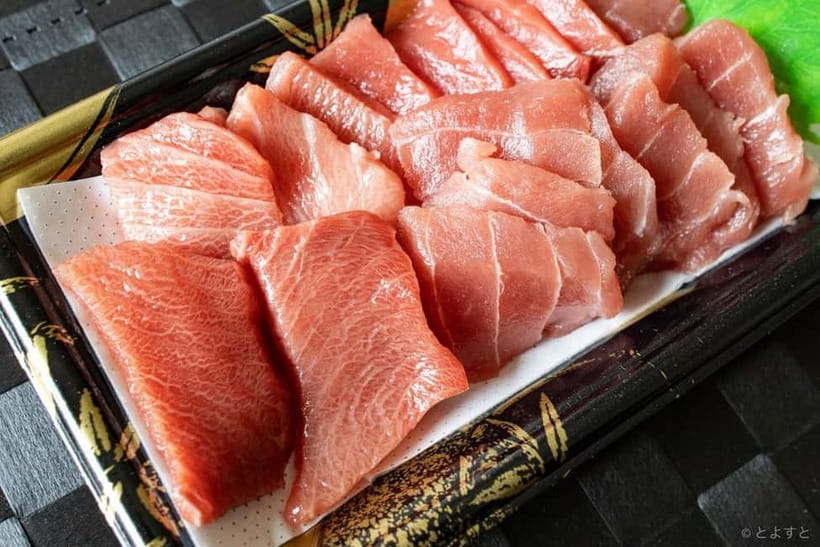
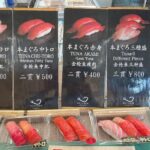
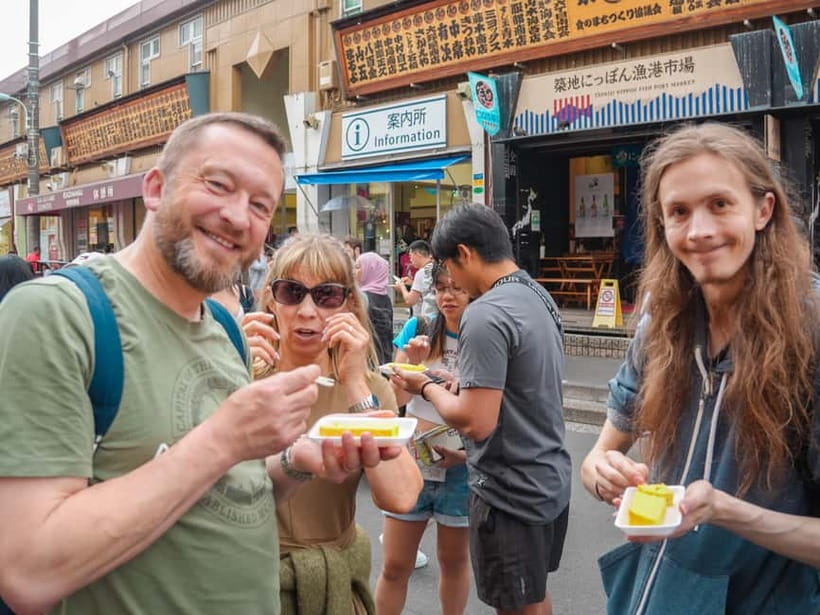
- Tsukiji Outer Market tastings, with fresh sushi and sashimi from lively market stalls
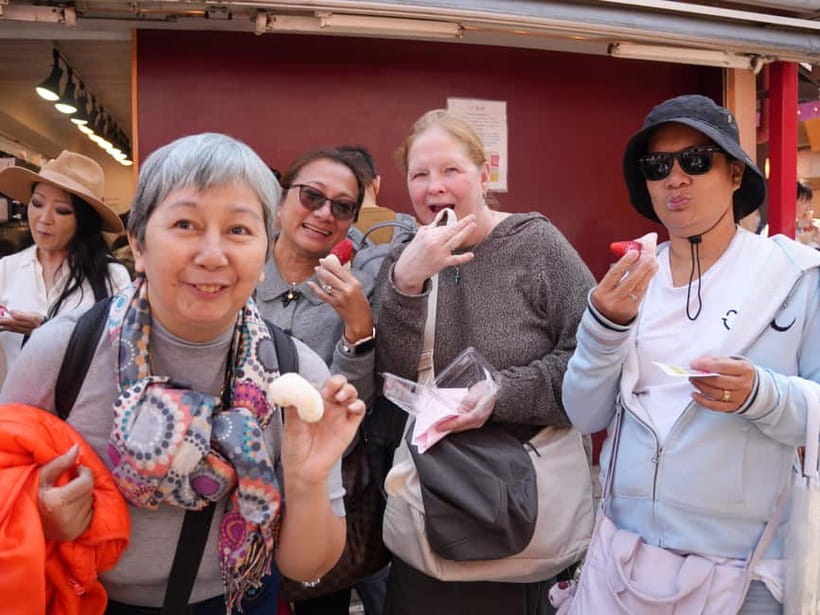
- Asakusa street snacks, including croquettes and traditional Japanese sweets
- Senso-ji Temple admission included, so you do not have to figure out tickets
- English-speaking guide with strong pacing, plus photos taken during the tour
Starting at IKEA Harajuku: your easy jump-in to Tokyo’s morning
This tour begins in front of IKEA HARAJUKU, which is helpful if you are not trying to wrestle with multiple meeting points across the city. Once you meet your guide, the whole morning feels like it has a plan, not a scattered checklist.
The duration is about 270 minutes, so you get enough time to move through three very different Tokyo neighborhoods without it turning into a marathon. Expect a morning that starts with calm, shifts into food mode, then finishes in a classic sightseeing area where you can keep wandering on your own after the tour ends.
Practical tip: wear comfy shoes. You will be on your feet a lot, especially in Asakusa where the streets and temple approach can slow you down if you keep stopping for photos and snacks.
You can also read our reviews of more shopping tours in Tokyo
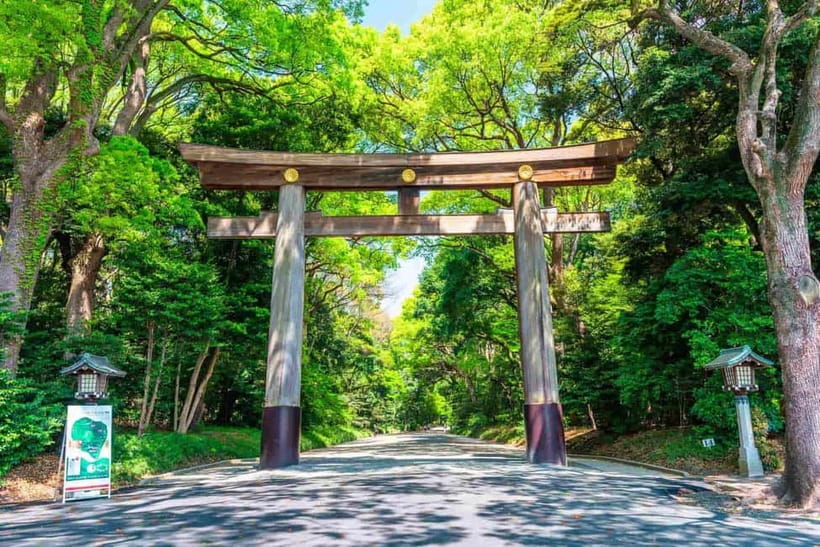
Meiji Jingu Shrine: Shinto calm, plus a spiritual story you can actually follow
The first big stop is Meiji Jingu Shrine, and it is a fantastic way to start. Even though you are in Tokyo, the moment you are in the shrine grounds, the mood changes. This is the kind of place where your senses settle. The guide’s job here is not just to point you toward the main areas, it is to explain what you are looking at.
A recurring theme from guides on this tour is how they bring religion into focus in a way that feels understandable, not academic. You will hear about shrine customs and the way Shinto and Buddhism show up differently across Japan, plus how people often experience both traditions in their daily lives. Some guides also mention a fire ritual moment that adds intensity to the spiritual atmosphere. If you care about meaning and not just scenery, this stop is the payoff.
What to watch for:
- How the shrine space is structured to create quiet and respect
- The small customs you might notice around worship areas
- The way your guide connects the place to broader Japanese culture
One drawback to flag: one hour goes quickly at Meiji. You will enjoy it more if you arrive ready to slow down, because you will not have time to stroll for ages. If you are hoping for a deep, solo, hour-and-a-half temple wander, you might want a separate visit later.
Tsukiji Outer Market: where fresh sushi and sashimi turn into a morning mission
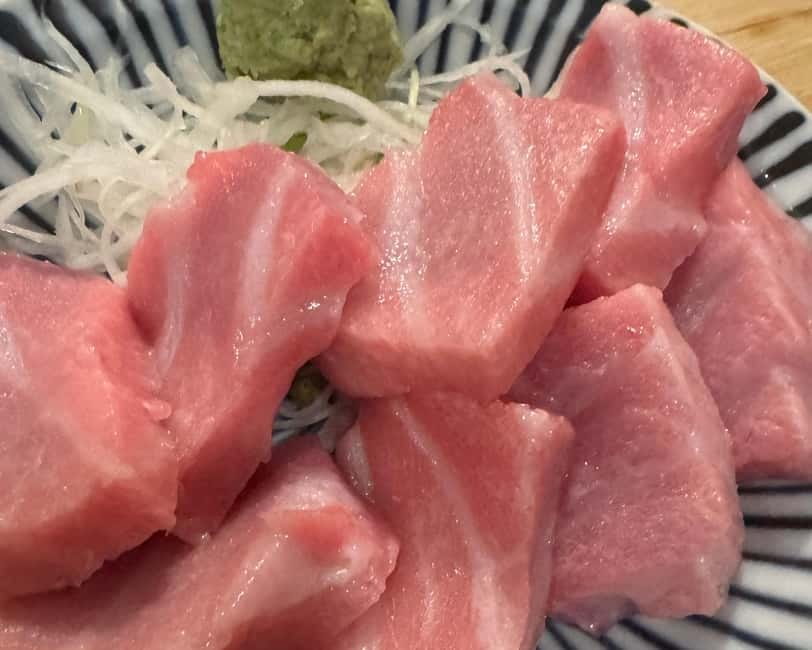
Next comes the part most people book for: the Tsukiji Outer Market experience. Here, Tokyo feels loud and fast in the best way. Think of it as the city’s food engine in motion, with stalls, smells, and people all focused on what is in front of them right now.
You get 110 minutes at Tsukiji, and that matters. Too many short market stops turn into rushed looking. This gives you time to sample, ask questions, and notice how the market works. The highlight here is tasting fresh sushi and sashimi that you can enjoy right from market stalls.
How to make the most of Tsukiji in a group:
- Eat what your guide suggests first, then use the leftover time for browsing
- Pace yourself. You do not want to hit Asakusa too full to enjoy the street snacks
- Keep an eye on what looks best in the moment, since markets reward quick decisions
Another big plus is that the guide usually adds practical context, not just facts. You will hear about why certain stalls and foods matter, and you will learn how to read the market crowd without panicking. Some guides on this route, like Yosuke and Lex, are especially praised for answering questions and explaining history and culture with real energy.
If you are sensitive to crowds, Tsukiji can be a bit much in peak moments. The morning timing helps, but it still feels like a real market, not a show.
Asakusa: croquettes, sweets, and Senso-ji Temple after the market buzz
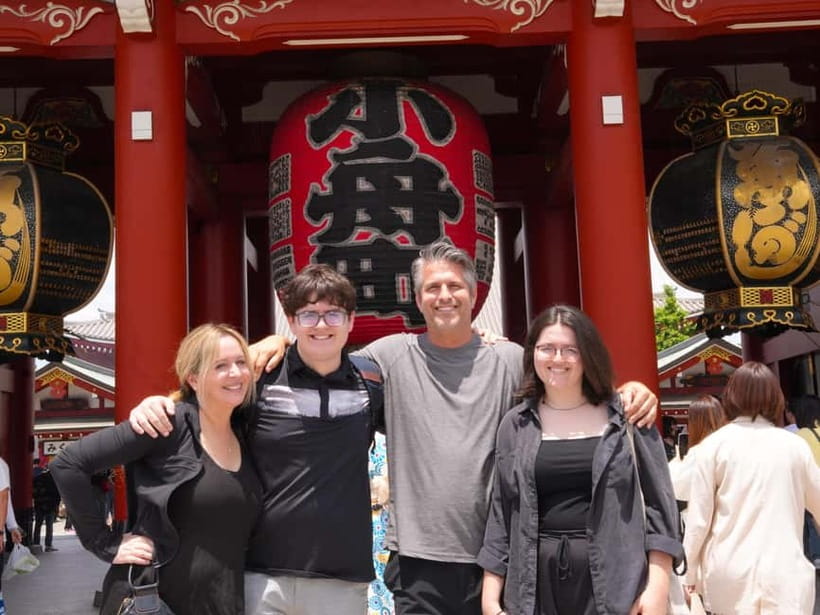
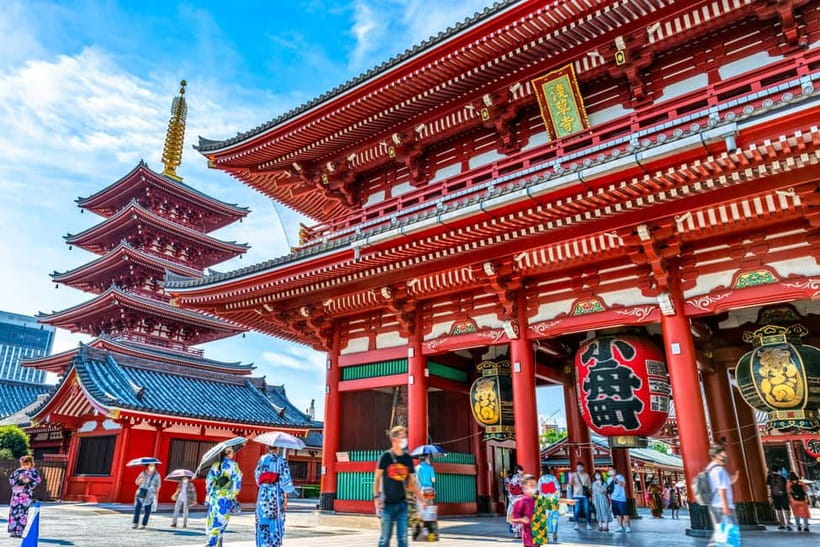
After Tsukiji, you head toward Asakusa, with about one hour to enjoy the streets and sights. Asakusa is built for walking and snack breaks. This stop is where the tour turns more playful, less intense. You will get a chance to try croquettes and traditional Japanese sweets, then stroll through the historic area at a pace that lets you actually enjoy the details.
Asakusa also includes Senso-ji Temple admission, which is a big deal because it saves you time and decision fatigue. The temple area tends to be visually dramatic, and it is also the kind of place where your guide can help you connect what you see to the broader religious themes you heard earlier at Meiji.
Why this pairing works:
- Meiji gives you calm and framework (how shrine life works)
- Tsukiji gives you taste and texture (how Tokyo food culture moves)
- Asakusa brings it all together with a temple you can feel in the atmosphere, plus street food that keeps you energized
Shop and snack smart: Asakusa shopping can tempt you into extra spending. If you want souvenirs, set a tiny budget in your head before you start browsing. That keeps the tour fun, not stressful.
Also, because the tour finishes in Asakusa, you have a smooth next step. You can continue walking, grab a proper meal afterward, or take a slower stroll back. If you finish at a station you like, this layout can save you time later.
The guide matters more than you think: English storytelling and real care
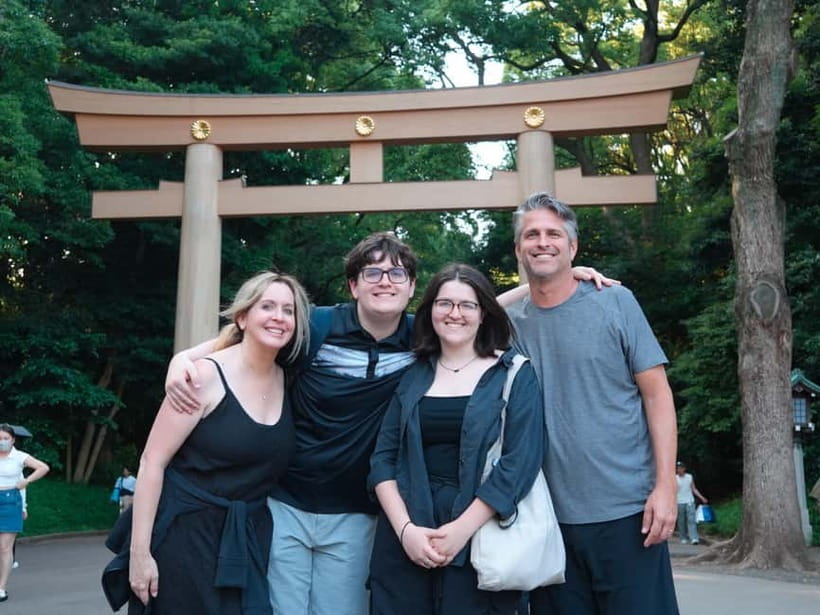
A morning tour like this rises or falls on the guide. The best ones do two jobs at once: they handle the route, and they make the sights make sense.
On this tour, you will have an English-speaking guide and you will get historical insights as you go. That is not filler. It helps you understand why Meiji and Senso-ji feel different, why market culture works the way it does, and what to look for in the street scenes around Asakusa.
You may be guided by someone like Lax, Yosuke, Remu, or Ken. Names vary by date, but the common thread in the tour experience is clear: guides are active, positive, and quick to answer questions. People also highlight that the guide takes care of the group, including families traveling with kids.
One practical perk you might not expect: photos taken during the tour. This can be handy at Meiji and around temple approaches, where getting a good shot without slowing everyone down can be tricky. It also saves you from juggling camera settings while your guide is explaining what you are looking at.
More Tokyo tours and experiences for the shortlist
Price and logistics: what $83 buys you, and what you still cover
The price is $83 per person, and for Tokyo, that can be good value if you care about both food and cultural stops. You are paying for:
- An English guide for the full morning
- Admissions for Meiji Jingu Shrine, Tsukiji Fish Market, and Senso-ji Temple
- Historical insights tied to what you are seeing
- Photos taken during the tour
So you are not just paying for walking. You are paying for structure. And in Tokyo, structure is time. It is also stress reduction when you are trying to connect neighborhoods efficiently.
Not included: you should plan on public transportation fare, listed around 550 yen. You will also likely spend a bit extra on anything you want to buy or eat beyond tastings. The tour helps you navigate the food side, but it cannot prevent you from wanting snacks after learning about them.
Quick budgeting math: factor in the base price plus transit, then add a buffer for souvenirs and extra food. That is the safest way to keep the morning enjoyable.
Who this Tokyo Morning Tour is perfect for
This tour is a strong match if you:
- Want a morning-focused experience instead of a full-day grind
- Like food culture, but also want it explained
- Prefer a guide to handle timing and admissions so you can enjoy the moments
- Are comfortable walking through three areas in one trip (Meiji, Tsukiji, Asakusa)
It is also a great fit if this is your first Tokyo visit and you want to get your bearings fast. Meiji shows you a different Tokyo tone. Tsukiji shows you Tokyo food at full speed. Asakusa shows you Tokyo tradition with street-level energy.
Who might hesitate:
- If you need extra time at any one site, the stops are timed for flow. You will want to come back for a slower solo visit later.
- If you are not interested in food tastings, Tsukiji will feel less useful than it is for food lovers.
- If crowds are a big issue for you, Tsukiji can be intense even in the morning.
Should you book this Tokyo Morning Tour with Goen Japan?
If you want an early Tokyo taste, with Meiji Shrine calm, Tsukiji sushi and sashimi, and Asakusa street snacks plus Senso-ji Temple, I think this is an easy yes. The value comes from how well it blends three different parts of Tokyo into one guided morning, with admissions handled and photos included.
Book it especially if you like tours where the guide does more than read a script. The strongest feedback centers on guide energy, clear English, and thoughtful answers, including highlights around spiritual moments like shrine customs and a fire ritual. And with a high overall rating of 4.9 out of 44 bookings, you are not rolling the dice on quality.
If you can only choose one morning plan, this one is a solid way to get Tokyo’s contrast in one pass: quiet, food, and tradition.
FAQ
How long is the Tokyo Morning Tour?
The tour duration is listed as 270 minutes (about 4.5 hours).
How much does the tour cost?
The price is $83 per person.
Where do I meet the tour?
You meet in front of IKEA HARAJUKU.
Where does the tour finish?
The tour finishes in Asakusa.
What stops are included?
The included stops are Meiji Jingu Shrine, Tsukiji Fish Market (Outer Market), and Senso-ji Temple in Asakusa.
What is included in the price?
Included are an English speaking guide, photos taken during the tour, historical insights, plus entry/admission for Meiji Jingu Shrine, Tsukiji Fish Market, and Senso-ji Temple.
What is not included?
Public transportation fare is not included, listed as around 550 yen.
What languages are available?
The tour language is English.
Is there free cancellation?
Yes. You can cancel up to 24 hours in advance for a full refund.
More Shopping Tours in Tokyo
More Tours in Tokyo




More Tour Reviews in Tokyo


Not for you? Here's more nearby things to do in Tokyo we have reviewed












Asakusa Tours, side by side.
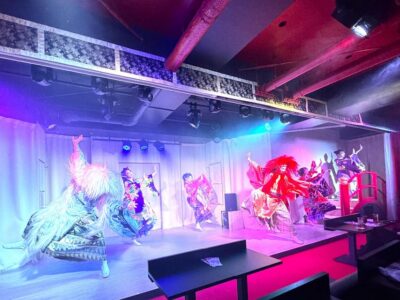 ★ 4.8Japanese Dance Cabaret Theater Asakusa-Kaguwa TicketFrom $492,270 reviews
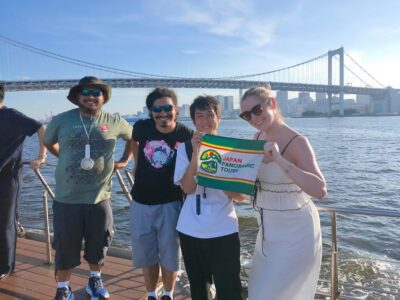 ★ 4.7Meiji Shrine, Asakusa, Skytree Bus Tour and CruiseFrom $1221,986 reviews
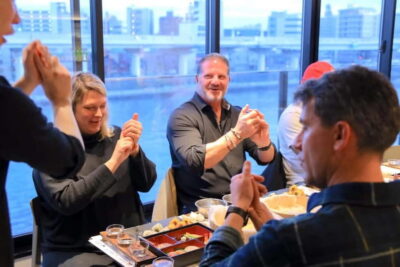 ★ 4.9Roll and Authentic Sushi Making Class in AsakusaFrom $581,957 reviews
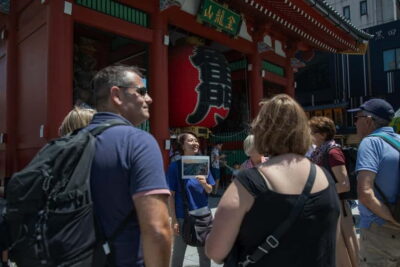 ★ 4.8Asakusa Walking Tour with Sensoji Temple VisitFrom $221,583 reviews
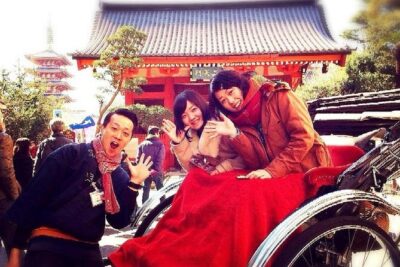 ★ 5.0Tokyo Asakusa Rickshaw TourFrom $421,375 reviews
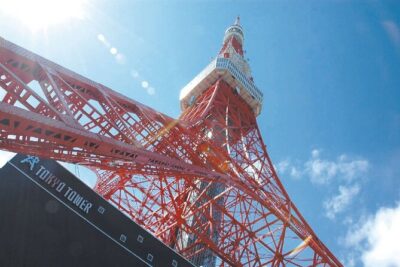 ★ 4.5Tokyo Panoramic 1 Day: Meiji Shrine, Asakusa, Odaiba and SKYTREE®From $851,222 reviews
 ★ 5.0Tokyo Go Kart: Asakusa, Skytree, and Akihabara **IDP MUST**From $99988 reviews
 ★ 4.7Asakusa, Skytree & Akhihabara Go-Kart City ExperienceFrom $96761 reviews
This tour also belongs to