
Review · TOKYO CITY TOURS
Tokyo Old Town Discovery Walk. Lunch Included
Old Tokyo is only a walk away. This 7-hour route ties together Asakusa and Ueno through temples, shrine views by the Sumida River, and market street food culture. You also get a structured look at how Japanese religious traditions and everyday shopping habits show up in real life.
I love the way the guide turns sights into context, from learning temple and cultural symbols to understanding the Buddhism vs Shinto contrast at Asakusa Shrine. I also like the built-in value of a course lunch, plus the hands-on shopping energy around Kappabashi Street, famous for chef tools and food replicas.
One consideration: it is a long walk, and the tour is noted as weather dependent, so plan for comfy shoes and a flexible mindset if conditions are not great.
Key things to look forward to
- Senso-ji Temple basics plus shopping know-how, including the tradition of omiyage
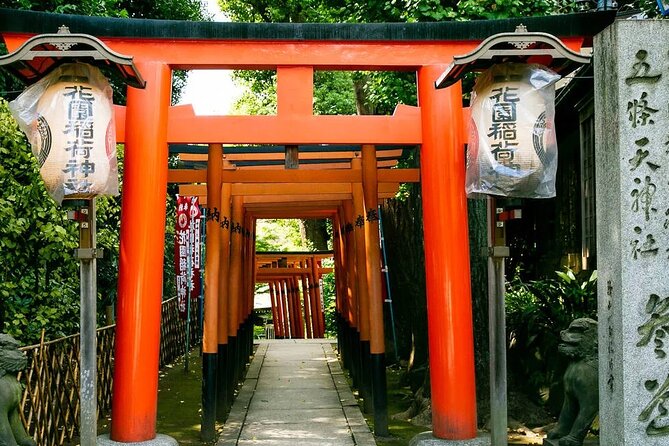
- Asakusa Shrine next door, with clear explanations of Buddhism vs Shinto
- Included course lunch, with guidance on what to eat and lunch etiquette
- Kappabashi Dogugai for kitchen tools and food replicas, plus souvenir browsing
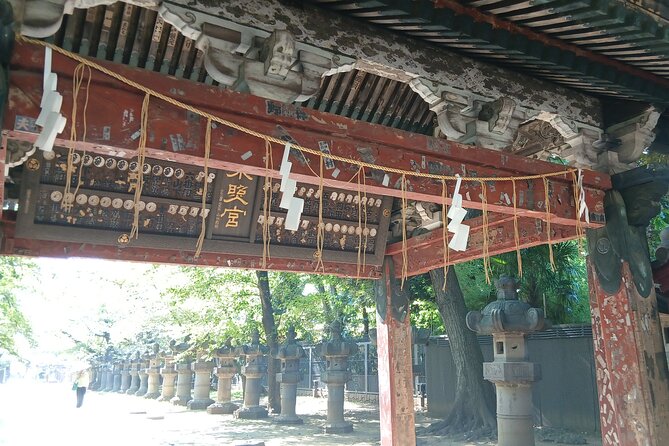
- Ueno Park and Ueno Toshogu Shrine, ending at an Edo-era architectural landmark
Tokyo’s Asakusa to Ueno route, designed for real old-town texture
Tokyo can feel split in two. You get the bright modern world, then you step into neighborhoods where rituals and daily routines still shape the streets. This walk is built for that second side, starting in Asakusa and working your way toward Ueno.
The best part is that the route is not just sightseeing. You move through temple streets, market areas, and food-focused shopping streets, so you see how people actually eat, shop, and behave around sacred places. It also helps that the tour is kept to a small group, capped at 12 people, so questions do not get lost.
Expect a full half-day. The tour runs about 7 hours and uses public-transit-friendly meeting points. You’ll also want to dress for good walking weather, since the experience is explicitly described as requiring good weather.
You can also read our reviews of more walking tours in Tokyo


Starting in Asakusa: skyline views, shrine streets, and quick orientation
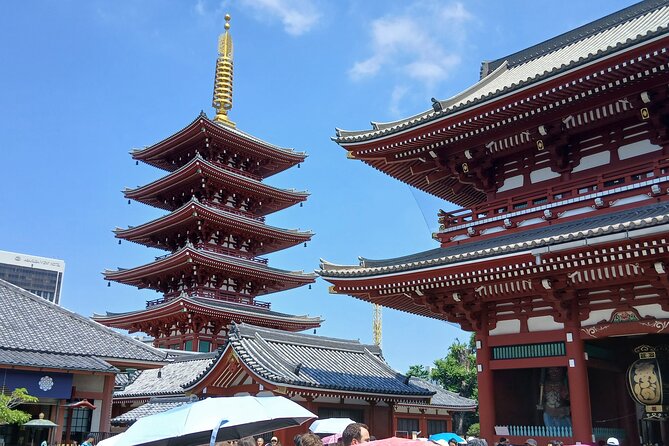
You begin in Asakusa, in the Taito City area, with a meeting point near 1-chōme-1-3 Asakusa. From there, the tour starts with an orientation moment, taking in the Asakusa skyline and then moving through the access streets toward Senso-ji.
This is a smart start if you are new to Tokyo. You get bearings early, and you also get the “how to look” skills the rest of the day depends on: what kinds of signs and symbols show up around religious spaces, and how shopping and spirituality overlap in the same blocks.
The tour also includes a visit to Asakusa Shrine. Even though it’s close to Senso-ji, it plays a different role, which matters later when you compare Buddhism vs Shinto. If you are the type who likes to understand why things are arranged the way they are, you’ll appreciate how this opening sets the tone.
Senso-ji Temple and the art of omiyage shopping
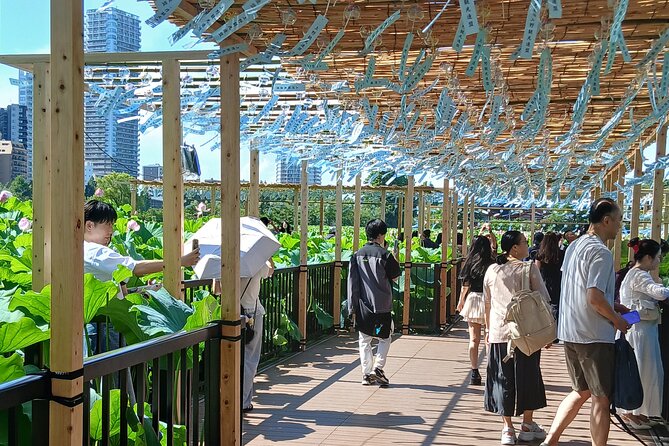
Senso-ji is the centerpiece, and the tour gives you a focused visit plus time for the surrounding traditional shopping streets. You will see the temple area up close, then get guided guidance on what to notice when you browse.
A big highlight here is the practical lesson on omiyage, the custom of bringing back small gifts when you travel or visit important places. You’ll also learn about traditional or religious items sold at the temple, which turns “shop window chaos” into something you can actually interpret.
Food shows up in a grounded way, too. You’ll have the chance to taste Japanese treats along the temple streets, and the guide connects that with the broader idea of how these places function in daily life. It’s not just about taking photos and moving on.
Possible drawback: temple-area shopping can be tempting and slow you down. If you want tight control over your spending, set a plan before you arrive. Otherwise, you might end up with more snacks and souvenirs than you meant to carry.
Asakusa Shrine: Buddhism vs Shinto without the confusion
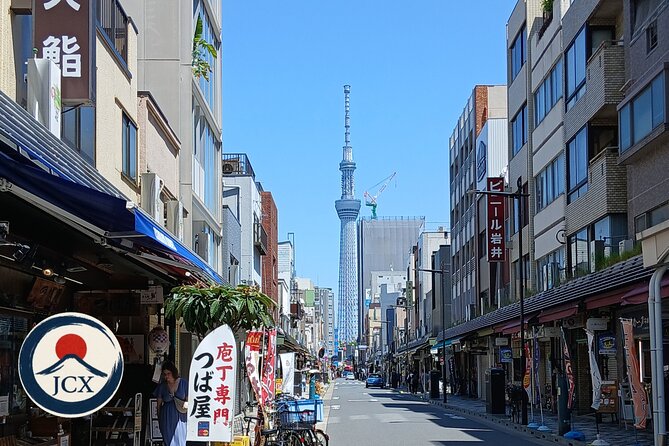
Right next to the temple world, Asakusa Shrine is where the tour draws a clear line for you. You spend about 30 minutes here, and the emphasis is on the relationship between Buddhism vs Shinto in Japan.
This matters because many visitors see shrines and temples as “Japanese things to photograph.” Here, you get a guided framework for understanding how the two traditions show up side by side and how that affects the experience on the ground.
It also keeps the day from turning into a single-note march. Senso-ji is all movement and crowds and food-street energy. Asakusa Shrine slows you down just enough to notice symbols and space, then hands that insight back to you when you continue walking.
Course lunch in Asakusa: what to eat and how to eat it
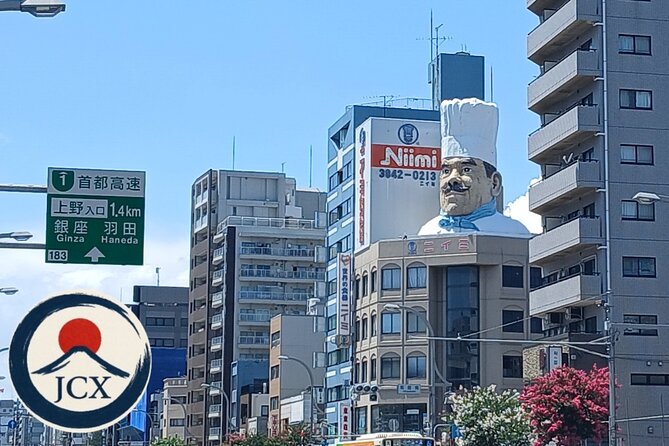
Lunch is included, and it’s not treated like a random break. The tour gives you about 2 hours connected to walking and lunch around the temple area and market streets.
The guidance focuses on what to eat and how, including customs and etiquette. That kind of coaching is helpful if you do not read menus easily or if you feel unsure about how ordering works at crowded places. The goal is to get you seated, fed, and confident enough to keep exploring after.
Value-wise, this is where the tour earns its keep. You are paying for a half-day of structured walking plus a Japanese lunch included in the schedule, while also being carried through key cultural sites without needing to plan transfers between stops.
Diet note, for real life: if you have dietary restrictions, you should inform the operator in advance so they can arrange meal alternatives. If you give notice at least 24 hours before start, the meal portion can be refunded on location if you choose not to take the meal.
More Tokyo tours and experiences for the shortlist




Kappabashi Street for kitchen tools, chef gear, and food replicas
After lunch, you shift from temple streets to a very different kind of Tokyo. Kappabashi Street, including the Kappabashi Dogugai area, is a shopping zone built around one theme: kitchen culture.
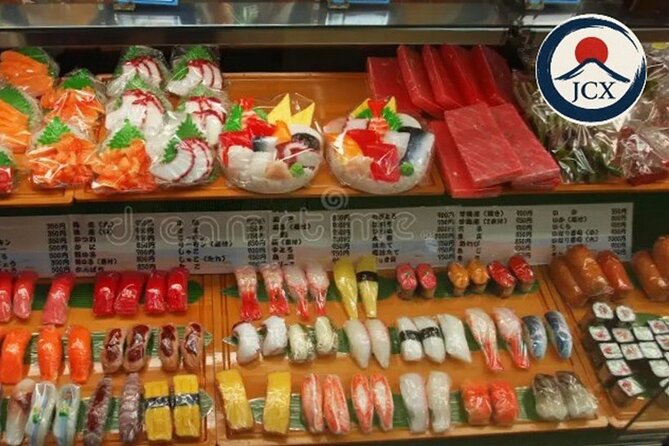
This is where the tour gets fun, especially if you love practical souvenirs or you cook at home. The area is known for places where chefs get their knives, and you’ll also see stores making food replicas. Those lifelike display foods are a unique slice of Japanese everyday industry, and the tour time gives you a chance to browse without feeling lost.
You’ll spend about 1 hour here. That is long enough to compare styles, understand what the stores are specialized in, and grab small items that actually fit into a suitcase.
One possible consideration: this stop can be a trigger zone for impulse buys. If you are traveling with carry-on only, set a size limit before you get tempted by knife shapes and heavy-looking cookware.
Matsuzakaya Ueno food court: a higher-end pause point
Next comes Matsuzakaya Ueno, with about 30 minutes at a fabled higher-end food court. Even if you do not plan to shop, this is a good mental reset after market streets and temple lanes.
This stop is also useful for leveling expectations. You see how food culture spans from street treats to more polished indoor eating, all within the same Tokyo day. It helps you connect the dots: the same city that sells festival snacks also runs formal food spaces with real attention to presentation.
At this point, you’ve already been through religious sites and outdoor shopping energy. You’ll likely appreciate the shorter time here, just enough to look and maybe snack, then move on without dragging the day out further.
Ueno Park and Toshogu Shrine: Edo-era calm in the middle of the city
The day ends with a cultural finishing stretch around Ueno Park and Ueno Toshogu Shrine.
First you spend about 30 minutes in Ueno Park, a historic cultural park that houses museums, the Ueno zoo, and numerous shrines and temples. It’s also called out for seasonal highlights like cherry blossoms, lotus flowers, wind chimes, and festivals. Even if you are not there during a major festival, the setting tends to feel more spacious than the earlier areas.
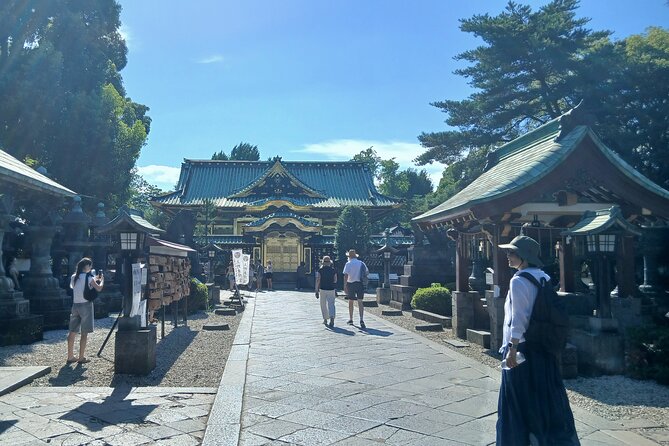
Then you go to Toshogu Shrine for about 1 hour. This shrine is described as one of the Edo period’s architectural and historic landmarks, surrounded by serene walkways. After hours of walking through crowded market streets, this ending choice is a good reward. You get quiet time, plus an architectural landmark that brings the day’s theme full circle: how history lives in place, not just in facts.
If you like structure, you’ll appreciate that you end at a shrine site with a clear historical style, not just another shopping street.
Price, pace, and who this $90 half-day fits best
At $90 per person for about 7 hours, you are paying for a lot of guided value. You get entry to the key historic stops with admission listed as free for the locations included, plus a quality course lunch built into the schedule. You also get concentrated time in two major shopping streets that match the day’s theme, Kappabashi Street and the market areas around the temple zones.
Group size matters here. With a maximum of 12 people, you are less likely to feel like a number. It also makes questions easier when the guide is explaining symbols, traditions, and practical shopping culture.
Pace wise, it works best if you like walking and you enjoy learning by moving through neighborhoods rather than sitting in a classroom. It may feel long if you want frequent stops to rest, or if you are traveling with mobility constraints. Still, the tour notes that most people can participate, and it is designed around well-known areas.
This is a strong fit for:
- first-time visitors who want a clear path through two of Tokyo’s most memorable old-town districts
- people who like cultural context, not just photos
- food-curious travelers who want both street snacks and formal food browsing
Should you book the Tokyo Old Town Discovery Walk?
I think you should book it if you want a well-structured Tokyo day that connects temples, everyday shopping, and food culture into one story. The included course lunch and guided explanations are the two biggest value drivers, and the final stop at Ueno Toshogu Shrine gives you a calm ending after the busier earlier neighborhoods.
Skip it, or at least think twice, if you hate long walks or you know you struggle in changing weather. Also, if you have strict dietary needs, plan ahead and communicate those restrictions early, because the meal matters since it is part of the core day.
FAQ
How long is the Tokyo Old Town Discovery Walk?
The tour lasts about 7 hours.
What is included in the price besides the walking sites?
A course lunch is included, and you also get access to the listed historic stops. Admission is listed as free for the included sites.
Where do I meet the group, and where does the tour end?
The start is at 1-chōme-1-3 Asakusa, Taito City, Tokyo 111-0034. The end is at ベビカルNewDaysエキュート上野公園改札外 (レンタルベビーカー), near Ueno Station Park Gate, outside the JR ticket gate.
Is lunch included, and what if I have dietary restrictions?
Lunch is included. If you have dietary restrictions, you should inform the operator in advance and arrange meal alternatives. If you give notice at least 24 hours before the start, the meal portion can be refunded on location if you opt out of the meal.
How many people are in the group?
The group is capped at a maximum of 12 travelers.
Does the tour run in any weather?
The experience requires good weather. If it is canceled due to poor weather, you will be offered a different date or a full refund.
Can I cancel and get a full refund?
Yes. You can cancel up to 24 hours in advance for a full refund. If you cancel less than 24 hours before the experience starts, the amount paid is not refunded.
More Lunch Experiences in Tokyo
More Walking Tours in Tokyo
More Tour Reviews in Tokyo






Not for you? Here's more nearby things to do in Tokyo we have reviewed












Tokyo City Tours, side by side.
 ★ 5.01-Day Tokyo Bus TourFrom $12914,250 reviews
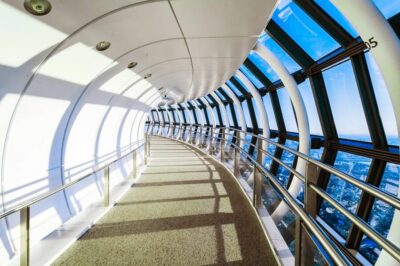 ★ 4.5TOKYO SKYTREE® Admission ticketFrom $1311,192 reviews
 ★ 4.6teamLab Planets TOKYO Digital Art Museum Entry TicketFrom $259,779 reviews
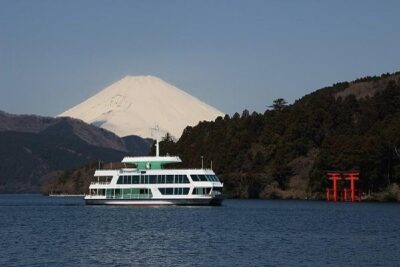 ★ 4.0Mt Fuji & Hakone Cruise, Drum Show Bullet Train 1 Day from TokyoFrom $1497,413 reviews
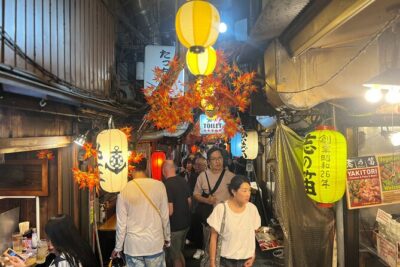 ★ 5.0Shinjuku Food Tour (13 Dishes at 4 Local Eateries)From $866,603 reviews
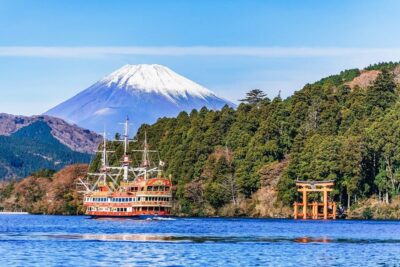 ★ 4.4Tokyo Mt Fuji 5th St & Hakone Cruise Bus Tour w/Bullet TrainFrom $1545,024 reviews
 ★ 5.0Flagship 2-Hours Official Street Go-Kart Tour – Tokyo Bay ShopFrom $644,974 reviews
 ★ 4.5From Tokyo: Mount Fuji Full-Day Sightseeing TripFrom $684,970 reviews
This tour also belongs to