
Review · TOKYO CITY TOURS
Tokyo: Private Custom Walking Tour with Local Guide
Tokyo feels big, until you walk with a local guide. This private tour helps you turn the city’s chaos into something you can actually follow, with a customizable route and start-to-finish guidance. I love the way the guide connects the “must-see” icons with real street-level context, and I also like that you get help figuring out public transport so you spend less time guessing and more time seeing.
The big catch is simple: it’s a walking tour. Even though it is private and adjustable, you should plan for comfortable shoes, and you may end in a different place than you started unless you ask ahead.
Key Things That Make This Tour Worth Your Time
- Hotel pickup in central Tokyo saves you from your first-day route stress
- Your itinerary, your pace works for couples, solo travelers, and families
- Public transport coaching helps you stop getting lost on the subway
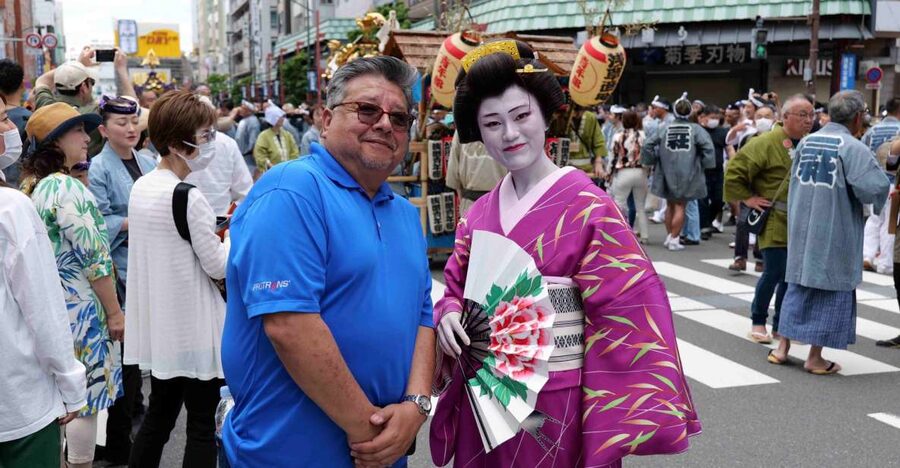
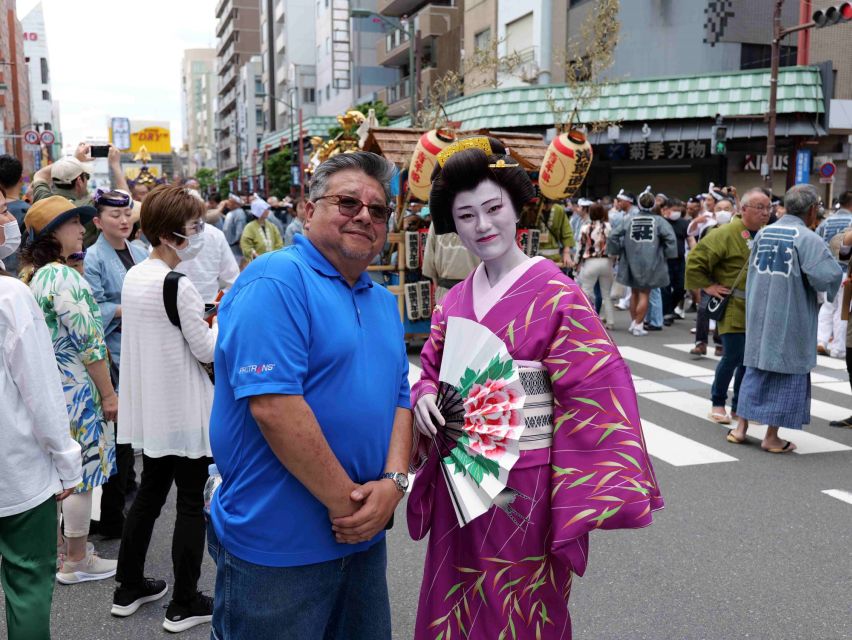
- Iconic stops with smart view angles like Senso-ji area viewpoints and Sky Tree Tower area time
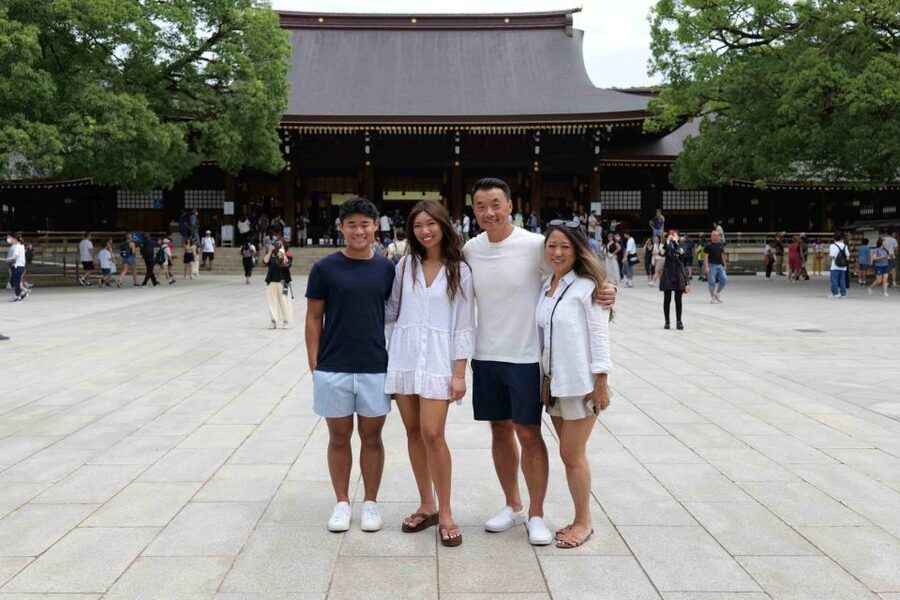
- Culture and etiquette tips that make temples and shrines feel more meaningful
Tokyo With a Human Map, Not a Paper One
Tokyo is overwhelming in the first 24 hours. Streets look familiar, then you turn a corner and everything changes again. A private custom walking tour fixes that by putting a person beside you who can read the city in motion.
For me, the best part is not the checklist. It is the way your guide turns places into something you can understand fast. You’ll hear context about neighborhoods, what you are looking at, and why certain sights matter. Guides also build in practical advice so you know what to do next, even after the tour ends.
The tour is private, so you are not squeezed into someone else’s idea of a “perfect day.” You can ask for a mix that makes sense for you, whether that means temples and classic streets, modern towers and viewpoints, or a more local feel through shopping lanes and everyday corners.
You can also read our reviews of more walking tours in Tokyo


Hotel Pickup and “Custom” Actually Means Something
This tour is set up to be flexible from the start. If your hotel is in Tokyo, your guide can pick you up from your accommodation. If you are outside the center, you will meet at a convenient central point instead.
Before you go out, the guide contacts you to understand your preferences. That pre-chat matters. You are not just selecting a theme, you are telling the person on the ground what you care about, your pace, and any must-dos. In practice, that is why guides are able to adjust when you change your mind mid-walk.
Also pay attention to logistics: the tour may end at a different location than where it starts unless you request otherwise in advance. That is not bad, just plan for it. It can even be a win if your final stop puts you closer to dinner plans.
How a Guide Builds Your Day Around Asakusa and Senso-ji
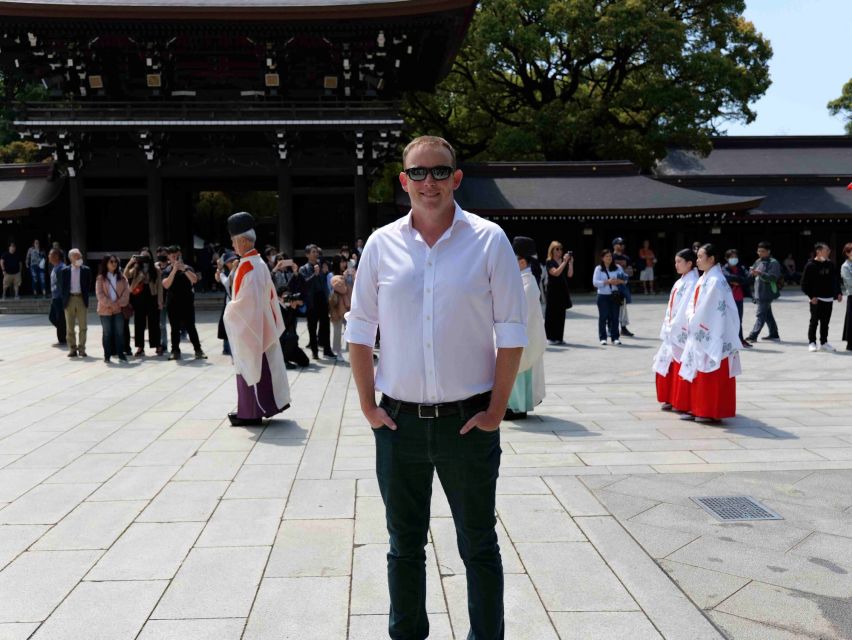
Asakusa and Senso-ji show up again and again in the best tour moments. That makes sense. This is Tokyo at its most layered, where you can go from big temple energy to small side streets that feel lived-in.
A strong version of this stop usually includes a mix of temple time and city-watching. Guides often bring you to easier viewing angles too, including spots where you can see over the area around Senso-ji. If you want “photos that work,” ask for a view point early, before crowds pile in.
You may also be able to add nearby extras that fit your interests. One guide route included trying treats in Asakusa and even stopping by a Pokemon Mega Center. Another route included helping plan what to do after the main sights, so your day does not end when the tour does.
One more practical note: temple visits go smoother when you know how to behave respectfully. More than one guide specifically guided guests on how to enter shrines and temples the right way. If that matters to you, make it part of your message before the walk begins.
Sky Tree Tower Time and Other “See Tokyo From Above” Moments
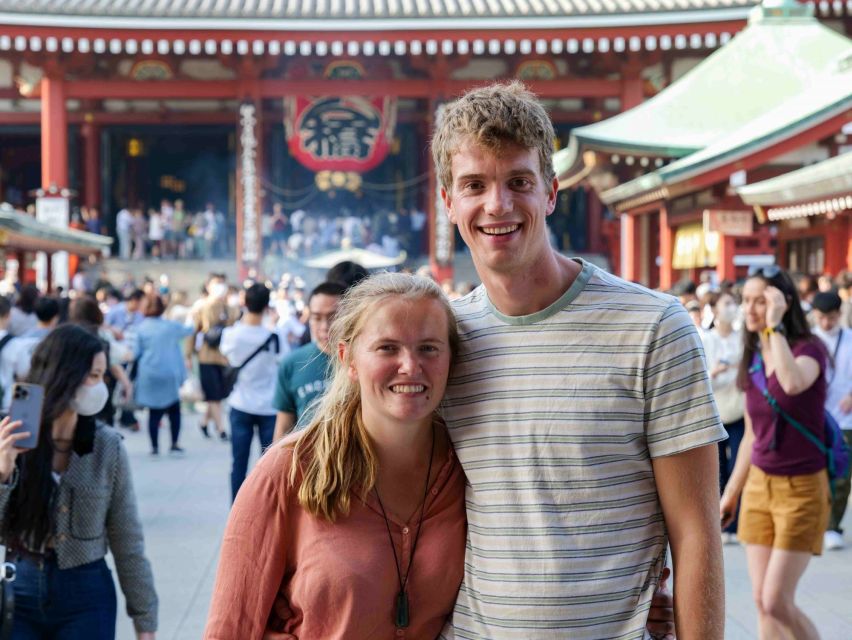
Tokyo’s best magic is height. Walking lets you understand the street grid, but viewpoints let you understand the city itself.
In the routes people rave about, Sky Tree Tower appears as a highlight, paired with temple time around Asakusa. That combination works because it balances history and modern scale. You get sacred space on the ground, then a wide view that makes the entire city layout click.
Some guides also add extra “bonus” viewpoints, such as time at the Metropolitan Building for views over Shinjuku and beyond. If you are the type who loves architecture or just wants the most dramatic photo angle without wasting time, this is a place to lean on the guide’s instincts.
Just remember: ticketed viewpoints or museum stops are not included. The tour includes help booking tickets for the visits you want, so you still get support. You just budget for entry fees separately.
Imperial Palace Gardens and Marunouchi for a Softer Side of Tokyo
Not every Tokyo day has to be neon all day. If you want a calmer rhythm, Imperial Palace Gardens and Marunouchi are a smart switch.
These areas feel different from the temple lanes and shopping districts. They are more open, more spacious, and often less frantic. That matters if you are walking hard for the first time in Japan and want a break that still feels central.
Marunouchi also gives you a classic Tokyo “center city” feel. Pair it with Imperial Palace Gardens and you get contrasts you would not easily build on your own. You go from structured, historic grounds to modern business streets, with plenty of photo opportunities that are not just signs and crowds.
If you are traveling with kids or you need a smoother pace, ask your guide to build in breathing room. Several guides have specifically been praised for making quick detours and handling breaks without turning the day into chaos.
You can also read our reviews of more guided tours in Tokyo

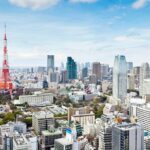

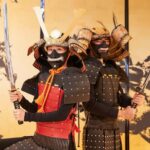
Shinjuku and Shibuya by Foot and Subway: Order in the Neon
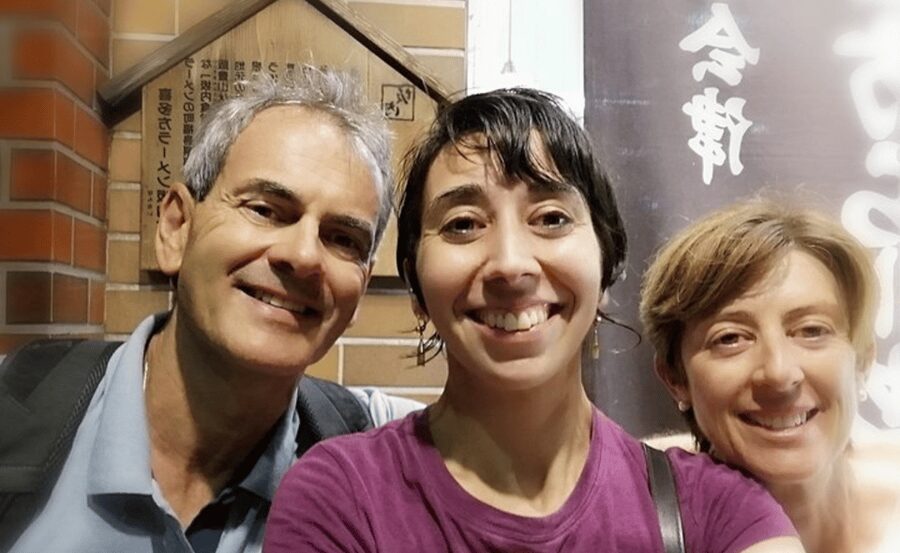
Shinjuku and Shibuya are where Tokyo becomes a full sensory experience. The good news is that this tour can make that less intimidating.
Guides are often the difference between enjoying these areas and getting spun around by the subway maze. Multiple routes included learning how to navigate Tokyo Metro and train systems, plus practical advice like where to find bathrooms. If you want the confidence to return to these neighborhoods later on your own, this is a strong use of your tour time.
Also look for guides who tailor the route between the big famous spots and quieter pockets. One guide experience highlighted covering different qualities of Tokyo life, not only the top landmarks. Another set of routes focused on diverse parts of Shinjuku and Shibuya, mixing temples and iconic buildings with more peaceful streets.
If you care about nightlife, it is also worth asking. One guide route included sharing favorite bars, restaurants, and even karaoke recommendations. That kind of insider intel can save you time and help you find places that match what you want to do that evening.
Akihabara, Odaiba, and Side Quests That Feel Personal
Tokyo has clear “categories,” but the best days include side quests. That is where this private format really pays off.
Akihabara is a common add-on because it is unmistakably Tokyo and feels playful if you like pop culture. One itinerary specifically included Akihabara alongside other major areas, and the guide was praised for connecting Japanese culture and history to what you were seeing.
Odaiba shows up too, often as a change of pace. One guide experience included going to Odaiba Marina, which is a reminder that Tokyo has waterfront calm, not only city heat. If you want a break from dense streets, ask for a route that includes Odaiba-like areas.
If you love skyline visuals, ask your guide to include a “high spot.” Viewpoints are a recurring theme in the best feedback. The key is to pair them with the right ground stops so your day stays coherent, not random.
Food, Culture, and Etiquette Tips You Can Use Right Away
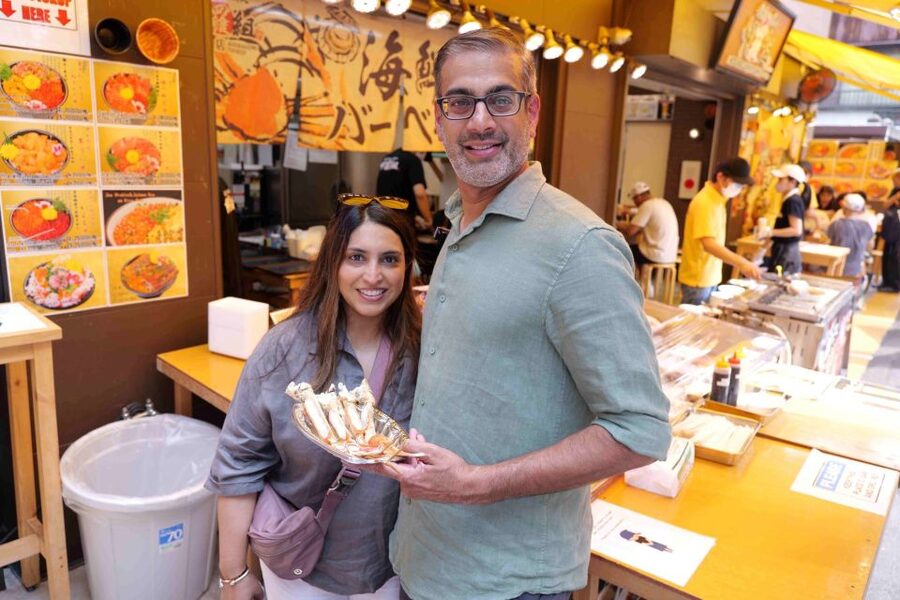
This tour includes no food and drinks, but it gives you something more useful than a random meal: choices that fit your needs.
Some guides were praised for going beyond typical sightseeing to help with food finding. One highlight route involved a fish market experience with help locating food for a guest with celiac needs. That is exactly the kind of practical support that changes a trip, because dietary restrictions are stressful when you are on your own.
Even if you do not have a special diet, ask your guide for what to eat next based on what you like. The tour can also include time to try treats near temples and markets, which often beats grabbing the first thing you see.
Culture and etiquette tips are another big strength. Several guides focused on how to behave at shrines and temples, plus general do’s and don’ts. If you want your Tokyo time to feel respectful and relaxed, ask your guide to teach you a few simple rules before you reach the most sensitive places.
Price and Value: Why $53 Can Be a Smart Move
The price is listed at $53 per person, and the tour is private. That is a fair deal if you think about what you get: a local guide, route customization, and support with getting around by walking and public transport.
Here is how I judge value for this kind of experience. If you would otherwise spend hours researching transit lines and trying to match neighborhoods to a tight schedule, the guide time often pays for itself in stress reduction. You also get better sequencing, so you see more of what matters to you rather than bouncing between far-apart areas.
The other value factor is group size. Private tours are usually best when at least two people split the cost in a way that feels comfortable. But solo travelers still benefit, especially if you want explanations while you walk and you want the confidence boost for later days.
Duration is 2 to 8 hours, so you can choose intensity. A 2 to 3 hour plan works well for orientation, like Asakusa plus a major transport lesson. A 6 to 8 hour plan makes sense if you want a full highlight day across multiple neighborhoods, plus time for viewpoints.
Languages, Private Size, and Comfort Level on the Ground
This tour offers a live guide in several languages: English, French, Italian, Japanese, Spanish, and Portuguese. That matters because Tokyo is full of signage, etiquette cues, and small rules. Being able to ask questions clearly can change your whole experience.
It is also a private group, which means you can bring your own rhythm. One family-focused experience praised a guide for managing regular breaks and detours without losing momentum. If you are traveling with kids, this flexibility is the difference between “we made it through” and “we enjoyed it.”
The tour is listed as wheelchair accessible. Even so, you should still discuss your needs with the guide during your planning contact. A walking tour can be smooth, but it depends on route choices, sidewalk conditions, and transport transfers.
Best-Fit Travelers and When to Use It
This tour fits best when you want a practical Tokyo intro without the pressure of planning every step yourself. It is great for first-time visitors who feel overwhelmed, solo travelers who want explanations on the go, and couples who want a thoughtful mix of iconic and local.
It is also a good option if you care about using public transport confidently. Multiple guides were praised for navigating the subway system and helping with things like Suica cards and JR rail passes. If you want to keep your self-guided days calmer after this, this is a strong setup.
If your entire trip is focused on one narrow topic and you already have a tight plan in place, you might not need a full custom walking tour. In that case, you could consider a smaller, targeted visit. But if you want a day that feels designed for you, the private format is the point.
Should You Book This Private Tokyo Walking Tour?
Yes, if you want Tokyo explained in real time and you like the idea of shaping your own day. The rating is strong, at 4.8 from 533 reviews, and the most consistent compliments point to the same themes: guides who tailor the itinerary, make transport easier, and add practical advice you can use beyond the tour.
I would book it if you fall into any of these groups:
- First-time Tokyo travelers who want confidence with trains and walking
- Families and couples who need flexibility, pacing, and clear guidance
- People who want more than landmarks, meaning etiquette tips and local recommendations
Skip it only if you already love planning routes, navigating transit, and choosing sights on your own. Otherwise, this is a straightforward way to turn a confusing city into a day that feels organized and personal.
FAQ
How long is the Tokyo private custom walking tour?
The duration is flexible from 2 to 8 hours. You can check starting times based on availability.
Is the tour private?
Yes, it is a private group. Your guide works with your party instead of mixing you with strangers.
Does the guide pick you up from your hotel?
If your hotel is located in Tokyo, pickup from your accommodation is included. If your hotel is outside the city center, you will be assigned a convenient meeting point in the city center.
Are tickets for attractions included?
No. Tickets to attractions are not included, but the tour includes help from the team to book tickets for the visits you want.
What transportation is used during the tour?
The experience includes a walking tour and public transport (unless you select an option that changes this). Exact transport use depends on your customized itinerary.
What about food and drinks?
Food and drinks are not included.
What languages are available for the live tour guide?
Live tour guides are available in English, French, Italian, Japanese, Spanish, and Portuguese.
Is the tour wheelchair accessible?
Yes, the tour is listed as wheelchair accessible.
More Walking Tours in Tokyo

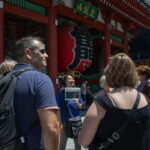
More Tours in Tokyo





More Tour Reviews in Tokyo


Not for you? Here's more nearby things to do in Tokyo we have reviewed












Tokyo City Tours, side by side.
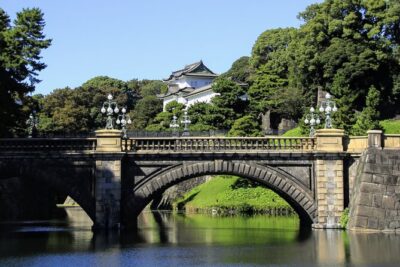 ★ 5.01-Day Tokyo Bus TourFrom $12914,250 reviews
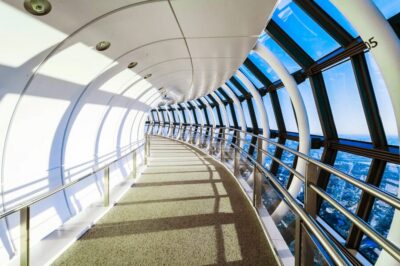 ★ 4.5TOKYO SKYTREE® Admission ticketFrom $1311,192 reviews
 ★ 4.6teamLab Planets TOKYO Digital Art Museum Entry TicketFrom $259,779 reviews
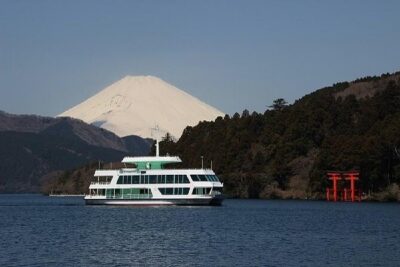 ★ 4.0Mt Fuji & Hakone Cruise, Drum Show Bullet Train 1 Day from TokyoFrom $1497,413 reviews
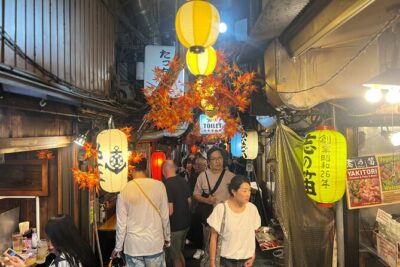 ★ 5.0Shinjuku Food Tour (13 Dishes at 4 Local Eateries)From $866,603 reviews
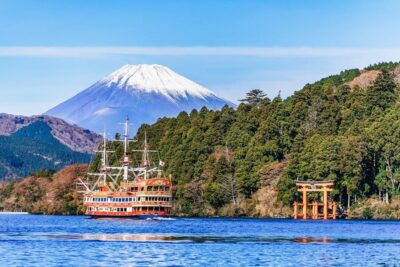 ★ 4.4Tokyo Mt Fuji 5th St & Hakone Cruise Bus Tour w/Bullet TrainFrom $1545,024 reviews
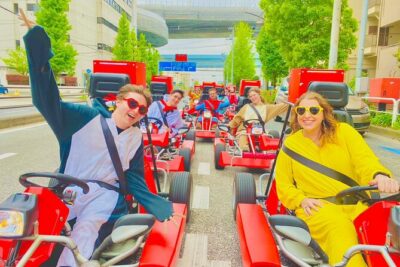 ★ 5.0Flagship 2-Hours Official Street Go-Kart Tour – Tokyo Bay ShopFrom $644,974 reviews
 ★ 4.5From Tokyo: Mount Fuji Full-Day Sightseeing TripFrom $684,970 reviews
This tour also belongs to