
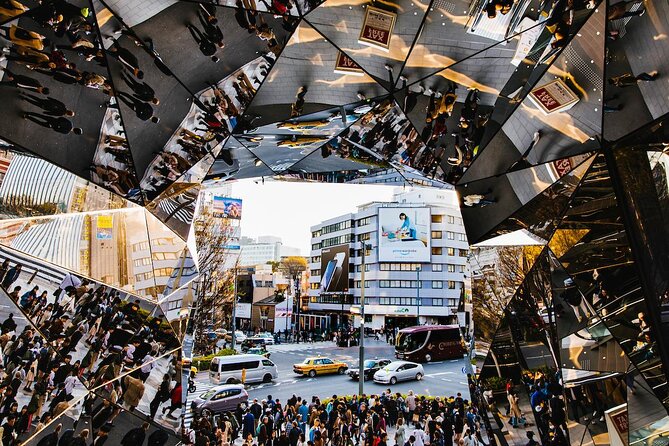
Review · SHIBUYA TOURS
Tokyo Shibuya and Harajuku Walking Tour With A Guide
Three hours in Tokyo, and you feel the pulse. You’ll follow a guided route from the Shibuya Scramble Crossing area into Harajuku street style, so you can look around instead of fumbling with trains.
I love the mix of major photo spots and street-level details, including Hachiko, Shibuya 109, Takeshita Street, and the alternative back lanes people call Ura-Hara. I also like the cultural explanations, because a good guide helps you understand what you’re seeing in everyday Tokyo life.
The one tradeoff is the walking, plus crowds at key stops. If you hate busy streets or you want long shop browsing, you may feel time pressure in a 3-hour loop.
Key reasons this Shibuya and Harajuku walk works
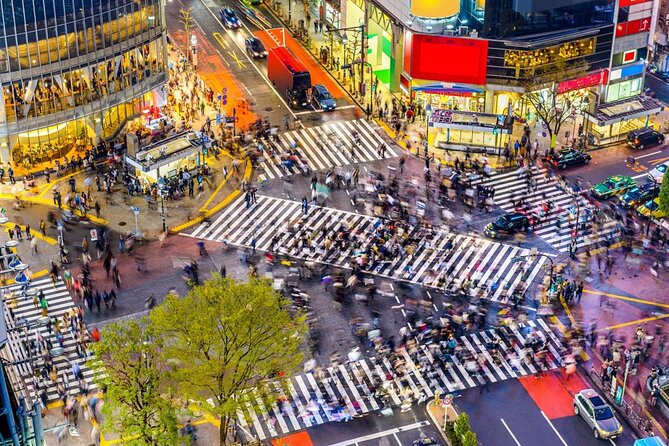
- A smart route without public-transport headaches: you cover several neighborhoods on foot instead of hopping lines.
- Icon stops plus fashion texture: Scramble crossing area, Hachiko, Shibuya Center-gai, Shibuya 109, Takeshita Street, Ura-Hara.
- Omotesando contrast: you get the sleek designer-and-cafe side of Tokyo before shifting into a calmer moment at Meiji Shrine.
- Most stops are free to enter: you’re not paying monument fees just to look around.
- Guides make it personal: customization is available, and guides can tailor the walk to what you care about.
Why Shibuya and Harajuku are perfect for a first Tokyo walking hit
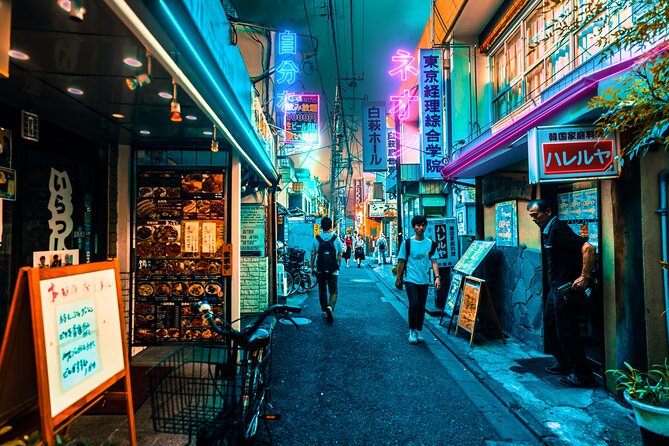
If Tokyo feels like a lot at first, this route is a good shortcut. Shibuya shows you modern street Tokyo, fast and loud, while Harajuku slows you down just enough to notice fashion details and the smaller shops you would normally skip. The walking format is the point, because Tokyo is made for street-level discovery.
This tour is also built for people who want variety without spending the whole day figuring out transit. At roughly 3 hours, you get a focused taste of neighborhoods that are close enough to connect, but different enough that you won’t feel like you’re repeating the same street scene. And since it’s a private tour for your group, you’re not stuck following a rigid script.
You can also read our reviews of more walking tours in Tokyo


The value of $48.21 for 3 hours of guided Tokyo
At $48.21 per person, you’re paying for time, local direction, and smoother decision-making. In Tokyo, the hard part is often not seeing sights, it’s choosing what order to do them in and how long to stay. A guide helps you make that call while keeping you moving at a reasonable pace.
You also get mobile ticketing, which is handy because you can keep everything on your phone. Plus, the tour includes help from the team to book tickets for the visits you want, which matters if you decide to add something on the fly after the walk.
One more value point: the stops are mostly marked as admission ticket free, so you’re not paying extra entry fees at every step. You still might choose to spend money afterward on snacks or shopping, but the core experience stays straightforward.
Meeting point, timing, and what the pace feels like
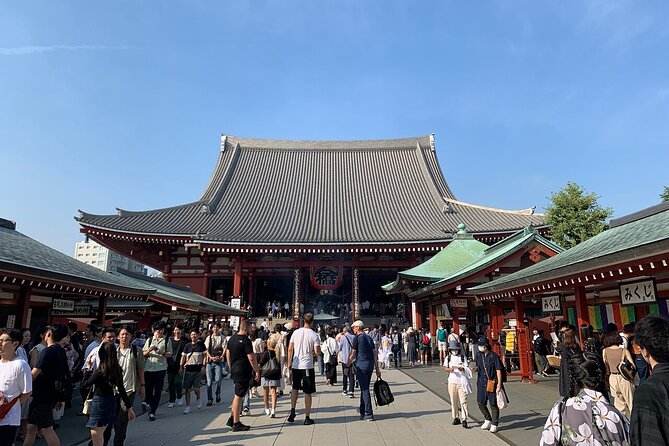
You start at 24-2 Sakuragaokachō, Shibuya, Tokyo 150-0031. The tour ends back at the meeting point, which is convenient if you’re planning dinner or heading to another neighborhood right after.
The schedule is built around short segments, with about 20 minutes per stop. That means you get enough time to see, take photos, and move on, without burning your whole day in one location. It also means the guide’s choices matter a lot, because how you spend those 20 minutes can make the difference between a quick walk-by and a real experience.
Expect some stop-to-stop movement through dense streets. If you’re prone to getting over-stimulated, bring a little patience. Crowds are part of Shibuya and Harajuku’s identity, so the best strategy is to slow your eyes down, not your feet.
Stop 1 at the Shibuya Station tourist area: get your bearings fast
Your first stop is at the Tokyu Tokyo Metro Shibuya Station Tourist Center, a practical place to start. It’s right in the transportation heart of Shibuya, which helps you understand the neighborhood layout in minutes. Even if you don’t ride the trains during the tour, you’ll see how this district moves people like a system.
This is also a smart early moment because Shibuya is known for the pedestrian flow around Scramble Crossing. Starting here gives context, so when you reach the iconic crossing zone later in your walk, it feels less random and more like the centerpiece it really is.
If you’re nervous about navigating Tokyo, this opener is a confidence builder. You see the big hub first, then the neighborhoods become easier to read.
Hachiko: the meeting point with real emotional weight
Next you’ll head to Hachiko, just outside Shibuya Station. This statue isn’t just a famous photo spot. It’s a symbol tied to loyalty and memory, and it shows how Tokyo balances serious sentiment with everyday hustle.
In a walking tour, Hachiko works well because it’s a break in intensity. You’ll be surrounded by people, but the statue itself gives you a focal point where you can actually listen to the story the guide shares. It’s also a useful landmark in Tokyo, so you’ll remember the area better for future self-guided wandering.
The practical side: it’s easy to orient yourself after, since Hachiko is a recognizable reference point.
You can also read our reviews of more guided tours in Tokyo




Shibuya Center-gai: street culture you can actually walk through
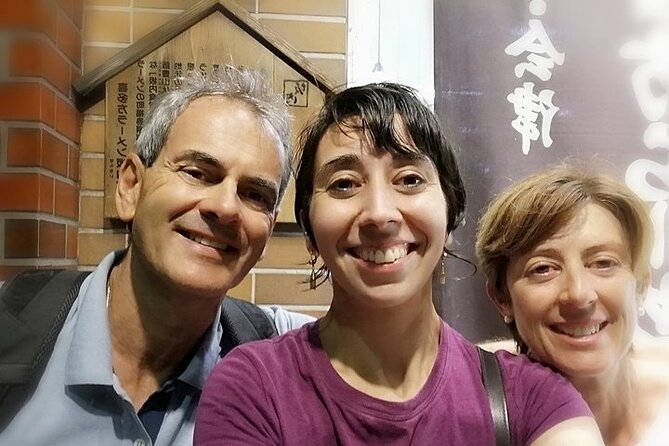
Then it’s on to Shibuya Center-gai, a pedestrian stretch known for youth energy and shopping around-the-corners variety. This part is great for people who like atmosphere. You’re not just looking at one building, you’re walking through the in-between spaces where Tokyo’s pop culture vibe shows up.
What I like about Center-gai in particular is that it feels like the Tokyo you’d casually stroll in even if you weren’t shopping. It’s the kind of place where you can glance at clothing displays, snack stands, and quick cafes without needing a reservation or a ticket.
A consideration: it can be crowded, so keep your eyes on the flow. If you stop too long in the middle, you’ll end up fighting the stream of pedestrians.
Shibuya 109: trend-first retail for younger Tokyo style
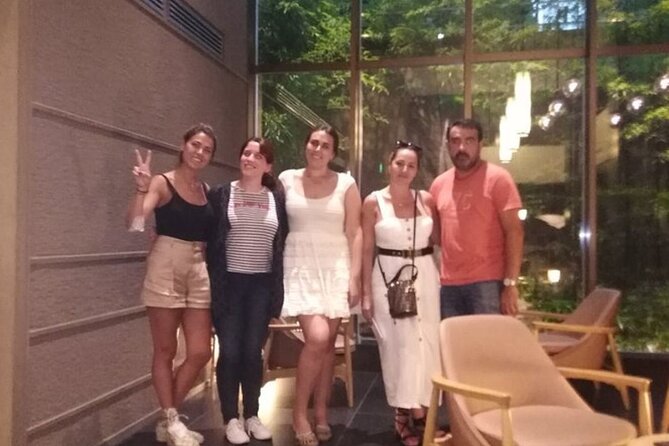
After Center-gai, the route includes Shibuya 109, the landmark department store especially associated with trend-forward fashion for young women. Even if you don’t go inside, seeing it in context helps you understand why Shibuya became a global style symbol.
If you like fashion, this stop is useful because it connects the street-level look you see in Harajuku with a more centralized retail world. It’s like seeing how style scales up from sidewalk trends to department-store visibility.
Time-wise, 20 minutes is usually enough for a quick scan, a couple photos, and a feel for the types of brands and displays you’re seeing. If you want a long shopping session, you may have to save that for after the tour.
Harajuku Station and Takeshita Street: where youth fashion turns into theater
The walk shifts to Harajuku Station, then straight into Takeshita Street. This is the area most people picture: colorful stores, accessories, snack options, and constant people-watching. The value of having a guide here is simple, you get help picking what to look at and how to move so you don’t get lost in the fun chaos.
Takeshita Street is a big sensory input. The guide’s job is to keep it from feeling like a blur. They can point out what’s worth your attention and what’s mostly there for passing trend moments.
If you’re traveling solo, Takeshita Street can be fun but also tiring. A guide helps you pace yourself so you can enjoy the variety without getting dragged along by crowds.
Ura-Hara, the back streets: the alternative side of Harajuku
Next comes Urban Harajuku, also called Ura-Hara, the backstreet alternative-fashion side of the neighborhood. Compared to Takeshita Street’s obvious front stage, these lanes often feel more like Tokyo’s street style workshop area.
This is one of the best parts of the itinerary because it gives you contrast. You’ll see the same Harajuku identity, but with different attitudes, different shopping choices, and often more independent-feeling boutiques.
The practical tip here: bring curiosity more than expectations. You’re not going to find everything you want in every shop window. The fun is in browsing slowly and noticing the styling choices people are making.
Omotesando: sleek streets, fashion at a different volume
After Harajuku’s street energy, you head to Omotesando on the Avenue area. This is often described as Tokyo’s high-end shopping corridor, with designer flagship stores and modern architecture. It’s a clean contrast, and it helps your day feel balanced rather than stuck in one style lane.
I like Omotesando because it resets your eyes. You’re moving from intense pedestrian retail scenes into a calmer streetscape with more planned storefronts and architectural rhythm. Even if you’re not shopping luxury, it’s a useful comparison point for how Tokyo designs shopping and public space.
Also, cafes here are common, so if you want a quick break, this stop gives you a natural pause.
Meiji Shrine Imperial Garden: a quiet reset inside Shibuya
The last major stop is Meiji Shrine and its surrounding imperial garden grounds. This part is important in the overall value because it gives you a decompression moment after the urban intensity. Instead of ending your walk still overloaded by noise and crowds, you end somewhere you can slow down.
Meiji Shrine is a major Shinto site dedicated to Emperor Meiji and Empress Shoken. The experience here is more about atmosphere and respect than about buying tickets or rushing to “finish” a list. It pairs well with the earlier stops because it shows Tokyo’s ability to hold tradition inside a modern city.
Consideration: since it’s a shrine setting, be mindful of how you behave in quiet zones. Keep your voice low and your attention on the surroundings.
Tips to make the most of the walking tour
A guided route is great, but you still control your comfort level. Here are a few practical moves I recommend for Tokyo walking days.
- Wear shoes you trust. This is a city walking tour, and you’ll be moving between neighborhoods and busy street sections.
- Bring a light layer. Even in pleasant weather, stations and shaded street segments can feel cooler.
- If you care about fashion, tell the guide early. Customization is available, and you’ll get better results if the guide knows what matters to you.
- For shopping-heavy days, treat the tour as your orientation session. Use it to find neighborhoods and vibe, then go deeper on your own later.
Also note: food and drinks are not included, so plan a meal before or after. You’ll likely want snacks and something to drink during the day, especially around the more concentrated shopping streets.
Who this tour is best for
This one fits best if you want a confident first look at Shibuya and Harajuku without doing trial-and-error navigation. It’s also a great fit for style lovers who like both mainstream landmarks and alternative side streets.
It’s not ideal if you want a history-only or museum-only schedule. This is a city walk designed for street scenes and neighborhood contrast, not for long monument or indoor museum time.
If you’re traveling as a couple or small group and you want a shared experience with a guide who can adjust the route to your interests, you’ll probably feel the value quickly.
Should you book this Shibuya and Harajuku tour?
I’d book it if you want a smart, guide-led orientation to Tokyo’s most recognizable fashion districts, with time-saving routing and a mix of iconic stops plus street texture. For first-timers, it’s a strong way to get your bearings and understand what each neighborhood feels like. For repeat visitors, it still works because the combination of Harajuku front street plus Ura-Hara back lanes plus Omotesando contrast is a good day structure.
Skip it if you dislike crowds or if you plan to treat Harajuku as a full shopping marathon. With limited time at each stop, you’ll spend more time moving than browsing.
If you want, tell me your travel dates and whether you care more about fashion shopping, photography, or cultural context. I can suggest how to focus your attention during each stop so the day feels tailored to you.
FAQ
How long is the Shibuya and Harajuku walking tour?
It runs for about 3 hours.
What does the tour cost?
The price is $48.21 per person.
Where do I meet the guide?
The start location is 24-2 Sakuragaokachō, Shibuya, Tokyo 150-0031, Japan. The tour ends back at the meeting point.
Is this tour private or group-based?
It can be private or small group. Only your group participates on the tour. For the group option, a minimum of 2 participants is required.
What languages are available for the guide?
The guide is available in English, Spanish, French, and Italian.
Is there a mobile ticket?
Yes, the tour includes a mobile ticket.
Are entrance fees included for the stops?
The provided stops are listed as admission ticket free, but entry to monuments and museums is not included in general.
What is not included in the price?
Food and drinks, tips (optional), entry to monuments and museums, and public transportation are not included.
Do I need to pay for public transport during the tour?
Public transport costs are at your own expense.
Can I cancel?
You can cancel up to 24 hours in advance for a full refund.
Is the tour suitable for most people?
Most travelers can participate.
More Walking Tours in Tokyo

More Tours in Tokyo




More Tour Reviews in Tokyo

Not for you? Here's more nearby things to do in Tokyo we have reviewed






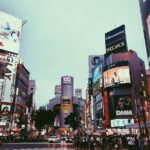

Shibuya Tours, side by side.
 ★ 5.0Official Street Go-Kart in ShibuyaFrom $763,435 reviews
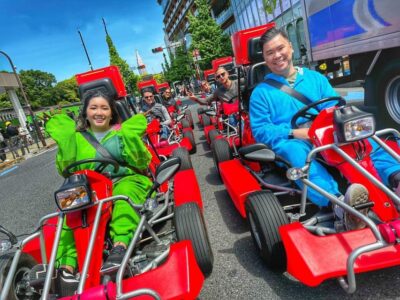 ★ 4.9Street Kart Experience in ShibuyaFrom $741,484 reviews
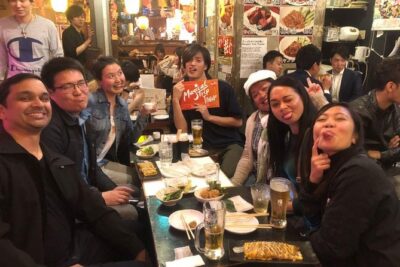 ★ 5.0Shibuya Meltdown Nightlife Tour: All-You-Can-Drink Bar HoppingFrom $1061,058 reviews
 ★ 5.0Shibuya Official Street Go-Kart in Shibuya AnnexFrom $69972 reviews
 ★ 5.0Shibuya Food Tour (13 dishes and 4 Eateries)From $77770 reviews
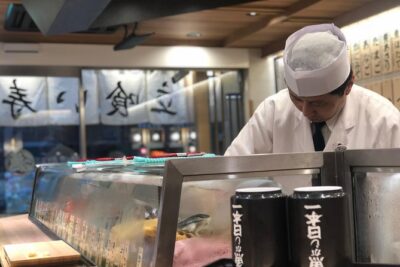 ★ 5.0Best of Shibuya Food TourFrom $217612 reviews
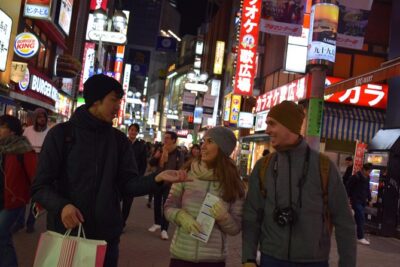 ★ 4.8Shibuya Highlights Walking TourFrom $19601 reviews
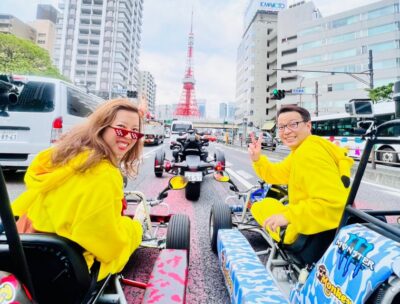 ★ 4.7Premium Go-Kart Tour with Tower & Shibuya CrossingFrom $116528 reviews
This tour also belongs to