
Shinjuku at night shows its layers fast. This 90-minute walk pairs neon streets like Kabukicho with the quiet pause at Hanazono Shrine, guided by pros like Haydn and Karen who can explain what you are really seeing and why it matters.
I also love how the route flips between old-school lanes like Omoide Yokocho and the tiny-bar chaos of Golden Gai, so you get more variety than you would by wandering alone. One possible drawback: you are walking through an area known for late-night entertainment, so if you prefer calm neighborhoods, Kabukicho’s energy may feel a little intense.
Key highlights to look forward to
- Kabukicho to Golden Gai in 90 minutes without bouncing around the city
- Omoide Yokocho, Memory Lane, with narrow alleys and retro drinking spots
- Hanazono Shrine, a sacred stop that many first-time visitors miss
- Kabukicho Tower pass-by, a sign of Shinjuku’s modern shift
- Guides with real Shinjuku street skill, including names like Haydn, Ryota, Yota, and Nao
Why This Shinjuku Night Walk Works for Real People
Shinjuku at night can feel like you stepped into a movie set, then got lost in the best possible way. The trick is knowing where to go, and more importantly, what you are looking at. This tour strings together the key areas of Shinjuku so you see the contrast in one smooth night.
I like that it is short and focused at 90 minutes. You are not signing up for a long slog, and you still get meaningful variety: adult-entertainment streets, old Tokyo alley life, and a Shinto shrine moment of calm. It is also an English live-guided walk, which helps if you want the story without guessing.
You can also read our reviews of more walking tours in Tokyo


Meeting Point Near Shinjuku Station, Then Straight Into Kabukicho
You meet in front of happy lemon close to Shinjuku Station. That is practical. You can show up easily from multiple subway lines and avoid a long pre-walk scramble.
From there, you start in Kabukicho, Tokyo’s best-known nightlife zone. Expect neon signs, themed spots, and the kind of street energy that makes Shinjuku famous. Your guide puts the area into context, describing how Kabukicho grew from earlier post-war black market energy into the entertainment hub it is today. That history matters because it changes how you read the streets. You stop seeing it as random chaos and start seeing it as a neighborhood with a timeline.
A heads-up from the vibe: this is not a quiet temple walk. You will see bars and signs geared toward late-night crowds. If you are uncomfortable with that atmosphere, plan to keep your comfort level in mind.
Kabukicho Tower, Then Omoide Yokocho’s Memory Lane Smells
Next comes a pass by Kabukicho Tower, one of Shinjuku’s newer landmarks. Even if you are not a “look at buildings” person, it helps to connect old and new. Shinjuku is famous for mixing eras, and this stop is a blunt example of the modern side, wrapped into entertainment and nightlife.
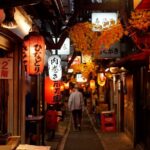
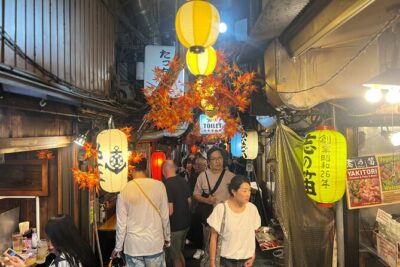
Then you shift into Omoide Yokocho, also called Memory Lane. This is where the night changes texture. Instead of big signage and open streets, you get narrow alleys lined with tiny spots, often associated with quick bites and retro bar atmosphere. The smell of grilled skewers and the sight of lantern-lit lanes do more than set a mood. They help you understand why people come here to eat and drink like it is a ritual.
What I love about this sequence is the pacing. Kabukicho sets the big picture. Omoide Yokocho gives you close-up details. You get the feeling of stepping from a soundtrack into a specific scene.
Hanazono Shrine: The Quiet Pause Between Neon Streets
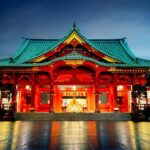
Then you hit the part many people miss: Hanazono Shrine. This is the hidden Shinto stop that keeps the tour from being only about nightlife. It is a sacred site that has been in Shinjuku for centuries, placed in a spot you might not expect once you are surrounded by tall buildings and bright signs.
Why this matters for you, practically: a shrine stop gives your brain a reset during an active night. You can slow down, look around, and actually notice the space instead of only chasing what is loudest. It also teaches you a basic Tokyo skill, which is reading a city as layers, not as one theme park.
Etiquette-wise, keep it simple: be respectful, keep your voice down, and follow any posted signs. This kind of pause is where the tour’s “secret” element becomes more than a route trick. It turns the night into something you can remember for more than neon photos.
Golden Gai’s Tiny Bars, Ending With a Good Local Feel
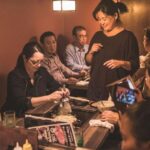
Your tour wraps up in Golden Gai, one of Shinjuku’s most famous nightlife districts. Here, the bars are famously small, often just one room at a time. That physical scale changes everything. You do not feel like you are roaming a strip. You feel like you are stepping into someone’s living room, even if you are only there briefly.
This ending is smart because it builds on what you learned earlier. After seeing the shrine and the alley food vibe, Golden Gai feels less like an attraction and more like a living pattern. Your guide helps you navigate the area by pointing you toward the kind of places that fit what you want from the night.
One more practical consideration: because it is small-space nightlife, you might feel close quarters when you stop outside or inside a venue. If you hate tight crowding, you can still enjoy the district by staying aware and moving with the group.
You can also read our reviews of more evening experiences in Tokyo

Price and Value: Is $32 Worth 90 Minutes in Shinjuku?
At $32 per person for a 90-minute guided walk, you are not paying for a meal. You are paying for three things that are hard to DIY at night: timing, context, and introductions.
First, timing: Shinjuku at night is not just bright, it is confusing. A guided route helps you hit the right pockets without wasting time zigzagging between areas.
Second, context: your guide shares stories about how Kabukicho evolved, what Omoide Yokocho represents, and why Hanazono Shrine still matters in the middle of entertainment streets. That kind of explanation can be the difference between seeing places and understanding them.
Third, introductions: guides like Ryota and Nao are praised for being friendly and for steering people toward good spots, not just famous postcard stops. Yota also gets credit for pointing out strong places to have a drink. That street-level guidance is value, because it saves you from the trial-and-error phase that costs time and sometimes money.
If you like walking tours that do more than point, this price feels fair for what you get. If you mainly want a passive sightseeing stroll with no context, you might feel like you could do parts alone. But the combination of Kabukicho, Omoide Yokocho, Hanazono Shrine, and Golden Gai in one night is the part that makes the cost make sense.
Best Fit: Who Should Book This Night Walk
This tour is best for you if:
- You want to understand Shinjuku beyond neon photos
- You like a mix of night energy and a calm cultural stop
- You enjoy being guided through small alley spaces where you might get lost alone
- You want an English live guide for the explanations
It is also a good fit for a first Tokyo trip. Shinjuku is huge and intimidating, so having a plan helps you get value fast. And if you have visited Tokyo before, it still works because the itinerary focuses on the parts that connect nightlife with Shinto history, not just bars and crowds.
Who Might Skip or Adjust Their Expectations
If you strongly prefer quiet neighborhoods and low-key evenings, Kabukicho may not be your favorite starting point. Similarly, Golden Gai is all about tiny bars and close quarters, so crowd comfort matters.
Also, keep your expectations aligned with a walking tour. You are moving through districts and making a few key stops. This is not an all-night food crawl where you stop at many restaurants and try lots of dishes. The real win is the route and the stories, not a long sit-down meal plan.
Should You Book This Tour? My Decision Checklist
I’d book this if you want one focused night that covers the big-name Shinjuku nightlife districts plus a less obvious shrine stop. The 90-minute length makes it a solid evening activity, and the fact that guides like Haydn, Karen, Ryota, Yota, and Nao are repeatedly highlighted for their explanations and friendliness is a good sign of the experience you will actually get.
I would skip it if your idea of a great Tokyo night is all calm streets, no late-night entertainment zones, and minimal group movement.
If you are on the fence, use this simple test: do you want your Tokyo night to teach you something, not just keep you entertained? If yes, this tour is a smart bet.
FAQ
How long is the Shinjuku night walking tour with Secret Alley?
The tour lasts 90 minutes.
Where is the meeting point?
You meet in front of happy lemon close to Shinjuku station.
What areas does the tour cover?
You explore Kabukicho, pass Kabukicho Tower, visit Omoide Yokocho (Memory Lane), go to Hanazono Shrine, and end in Golden Gai.
Is the tour guided in English?
Yes. The tour has a live guide and the language is English.
What is the price?
The price is $32 per person.
Is there free cancellation?
Yes, you can cancel up to 24 hours in advance for a full refund.
More Walking Tours in Tokyo

More Tours in Tokyo






More Tour Reviews in Tokyo


Not for you? Here's more nearby things to do in Tokyo we have reviewed












Shinjuku Tours, side by side.
 ★ 5.0Shinjuku Food Tour (13 Dishes at 4 Local Eateries)From $866,603 reviews
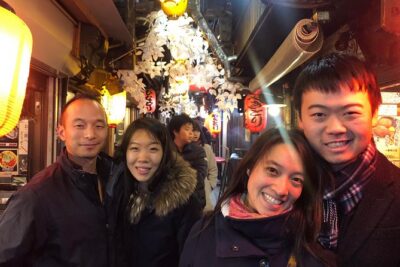 ★ 5.0Tokyo Bar Hopping Tour in Shinjuku (All-You-Can-Drink + Dinner)From $1063,587 reviews
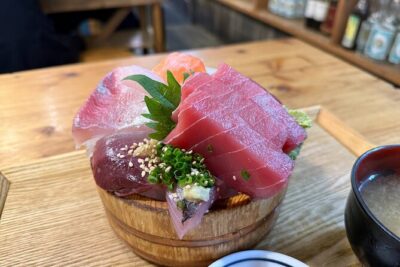 ★ 4.9Shinjuku Food Tour (15 Dishes and 4 Eateries)From $852,033 reviews
 ★ 5.0Best of Shinjuku: Izakaya Food Tour (4 Stops, 14+ Tastings)From $921,863 reviews
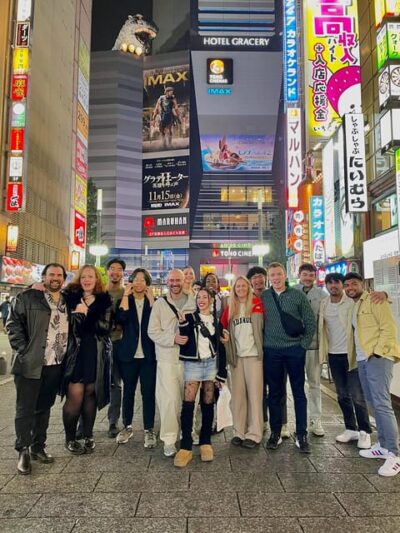 ★ 4.9Shinjuku Local Bar and Izakaya Guided Walking TourFrom $341,794 reviews
 ★ 5.0Tokyo Shinjuku Chopsticks Making ClassFrom $201,763 reviews
 ★ 5.0Tokyo Shinjuku Sumo Show & Experience with PhotoFrom $791,750 reviews
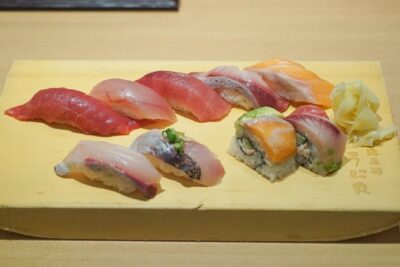 ★ 5.0Tokyo Night Foodie Tour in Shinjuku – Seasonal Sushi, Wagyu BeefFrom $1111,161 reviews
This tour also belongs to