
Tsukiji is a food street you can walk. This Tsukiji Fish Market Walking Tour takes you through the Outer Market for a focused look at Tokyo’s seafood culture, with an English guide and a small group. You start at Starbucks near Tsukiji Station, then spend about 2 hours on foot before heading back.
What I like most is how the guide steers you toward food and shops you might miss on your own. I also really enjoy the vendor stories, with guide names like Yayoi, Nicholas, Doren, and Yota showing up in past groups and making the market feel like more than just a photo stop.
One thing to plan for: you need cash. Several stops for sampling can be cash only, so bring bills even if you are used to card everywhere.
Key highlights worth knowing
- Small group (up to 10) keeps it easy to ask questions while you walk.
- English live guide explains what you are seeing, not just where to stand for photos.
- Market stall tips help you try items you would not naturally choose on your own.
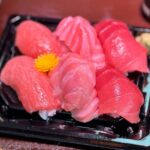
- Food samples and dessert variety can include things like fatty tuna, Kobe beef, wagyu skewers, wasabi beans, eel, and mochi.
- Cash is important for sampling at some stalls that may not take cards.
- Short temple or shrine stops may happen, like Tsukiji Hongwanji Temple, depending on the flow.
Tsukiji Outer Market tour basics, from the Starbucks meeting spot
This is a 2-hour walking tour built around the Outer Market area, not the early-morning wholesale auction sections. That matters because you get a market-style experience you can actually enjoy at human pace, while still seeing the sights and smells that make Tsukiji famous.
You meet at Starbucks Coffee near Tsukiji Station, about a 2-minute walk away. The listed coordinates are 35.6679239, 139.7720981, which is handy if you are using a map app on the day.
The group stays small, limited to 10 participants, and the guide works in English. That small size pays off. In a crowded market like this, you do not want to be shuffled at the back. You want to be close enough to hear the explanations and ask why a vendor recommends one cut, one preparation, or one flavor combo.
Wheelchair accessibility is included, so the pace and routing are planned for easier participation. You will still be walking on market floors, so bring shoes you can trust.
You can also read our reviews of more walking tours in Tokyo

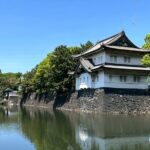

Walking in Tsukiji: what you will see along the stalls
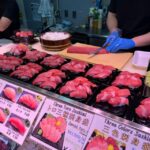
Once you start the walk, you are in the heart of Tsukiji Outer Market life: narrow lanes, stall counters, seafood displays, and specialty shops packed into a small area. This is not just about fish. You also see tools and packaged goods tied to Japanese cooking, the kind of items people buy when they want the market to stay in their kitchen at home.
A guided route helps because Tsukiji can feel confusing if you land with no plan. Some stalls are focused on one thing, like tuna cuts or specific seafood products. Others lean into dried items, sauces, or cooking-adjacent goods. A guide can point out what you are looking at and how the local seafood culture connects to meals you might recognize later in Tokyo.
Expect the market to be busy. Past groups even called out that it can be rainy and still enjoyable, which tells you the organizers plan to keep moving and keep the experience going even when the weather is not cooperating.
Also, time is tight in the best way. You get 2 hours, and that is usually enough to cover several stops without turning the walk into a marathon. One review specifically mentioned that a 2-hour tour gave plenty of time for multiple stalls and a variety of bites.
The food stops: where the guide earns the ticket price
Here is the real value question for a tour like this: will you just look at stalls, or will you actually taste and learn something useful?
This tour is designed to do both. Guides are there to explain what you are sampling and how to think like a local buyer. That is why so many reviews focus on tasting things people would never choose on their own. When you are standing in front of a vendor, you might be staring at a menu that is half flavor, half tradition, and half local slang. The guide translates the logic.
From past tastings, you can reasonably expect examples like:
- fatty tuna and toro-style options
- wagyu skewers and even Kobe beef
- oysters
- eel and high-quality tuna preparations
- wasabi beans and other small snacks
- fruit and dessert items like mochi
Important practical note: the tour includes the walking guide, but sampling costs are not listed as included. A review also warned clearly that cash is required for sampling. So think of the $17 as paying for the route, the explanations, and the guidance to the best stops, while food purchases happen at the stalls.
Also, guides help you avoid the guesswork of what is worth it. In a market full of temptation, the guide makes it more likely you try a few standout items instead of sampling ten things that do not click for you.
One more pattern from past experiences: guides sometimes help you pair food choices with small treats or even a drink while you sample. If you see someone with a drink during the walk, it is part of how the market can feel festive, not just technical.
Seafood culture lessons you can use after the tour
Tsukiji is famous for seafood, but the guide focus makes it more than a place to eat. You learn the language of seafood culture: how Japan thinks about freshness, cuts, seasoning styles, and how certain ingredients fit into everyday culinary habits.
I like this angle because it changes what you order later. After a market tour, you start asking better questions in restaurants. You notice when something is likely fatty versus lean. You learn that certain flavors in Japan show up as snack versions, not just in formal meals. And you start recognizing ingredient names you saw at the stalls.
You also get stories tied to the vendors and their traditions. One review even highlighted how the guide knowledge of local culture and habits made the tour more informative. That kind of context is what turns a food stop into a cultural snapshot.
If you are a foodie, this is where it pays off. You are not just collecting photos. You are picking up patterns. For example, mochi as a dessert stop works well because it shows how market life connects to sweet traditions too, not only seafood plates.
If you are more cautious and you do not want adventurous eating, you still benefit. You can use the guide’s advice to choose safer items, while still learning what makes each option distinct. That is also how a 2-hour walk stays satisfying instead of stressful.
Logistics that matter: 2 hours, small group, and cash
The tour runs for 2 hours. That is the sweet spot for Tsukiji Outer Market. You will not feel trapped for half a day, and you still get enough time to hit multiple stall clusters and taste a variety of items.
The group size cap, 10 participants, matters more than you might think. In a place with tight aisles, a large group turns into a traffic jam. With a small group, the guide can react to what is happening at each stall. You can also hear explanations without leaning in awkwardly.
Language is English, and the guide is live. That matters for two reasons. First, you get real-time answers. Second, the guide can correct misunderstandings, like how to interpret a vendor’s suggestion or what a product is actually meant for.
Now the one detail that can ruin your day if you ignore it: bring cash. The tour listing says to bring cash, and multiple experiences mention that some sampling stops do not take cards. So even if you plan to pay with your card for everything else in Tokyo, bring cash just for this walk.
Weather is another practical factor. At least one review called out rain and still praised the tour. That usually means you should dress for wet conditions and accept that you will keep walking. A compact umbrella helps, but you will still want waterproof shoes or at least shoes that can handle puddles.
You can also read our reviews of more shopping tours in Tokyo

Who this Tsukiji walk is best for
This tour is a great fit if you like food, want structure, and want to learn without researching every stall. It also works well for first-timers to Japanese markets, because the guide gives you a path and a set of questions to ask.
If you are traveling with limited time in Tokyo, 2 hours is efficient. You also get a high-signal overview of the market area without needing to commit to an early-morning schedule.
You should consider skipping or adjusting expectations if you want a hands-on cooking class or a deep look at the auction side. This is about the Outer Market walking experience and understanding seafood culture through vendors and tastings you can do during the walk.
For accessibility, wheelchair access is supported. Still, you should plan for walking on market ground and narrow spaces.
If you are the kind of traveler who loves shopping for ingredients, this tour can be useful because you get exposed to specialty goods and culinary tools people buy for Japanese cooking. Just remember, the tour is the guide and the walk. Purchases are up to you.
Price and value: why $17 makes sense, and when it may not
At $17 per person, the price is low for what you are buying: a guided route through one of the most famous food areas in Tokyo, in English, for 2 hours, with a small group cap. The base cost is mainly for the guide and the walking plan. Sampling and purchases are separate, and you will need cash for some of them.
So the value is strongest if:
- you plan to try at least a few items
- you want explanations while you walk
- you want to avoid wasting time guessing which stalls are worth your money
If you are not planning to spend on food samples, then you might be paying mostly for the route. In that case, the route is still helpful, but your satisfaction will depend on how much you enjoy learning while walking.
One more value angle: guides can help you find stops that are good and avoid overpriced chaos. Multiple reviews said the guide took people to the best or most affordable shops, and that they ended up trying unique items they would have walked past.
Should you book the Tsukiji Fish Market Walking Tour?
I would book it if you want a structured Tsukiji Outer Market visit with an English guide, small group pacing, and a good chance to taste standout seafood and market snacks. The cash reality is the only real downside, but it is easy to manage as long as you come prepared.
I would skip it if your idea of value is a self-guided wander with zero spending and no interest in explanations. Also skip it if you are expecting the auction floor experience.
If you do book, plan for comfort: wear good shoes, bring cash, and come hungry enough to enjoy samples without turning picky at the first stall. You will leave with more than photos. You will leave with a better sense of how Tokyo thinks about seafood, from cuts and preparation to the snack-sized traditions that show up along the way.
FAQ
Where is the meeting point for the Tsukiji Fish Market walking tour?
You meet at Starbucks Coffee near Tsukiji Station, about a 2-minute walk from the station. The coordinates are 35.6679239, 139.7720981.
How long is the tour?
The tour duration is 2 hours.
How much does the tour cost?
The price is $17 per person.
Is hotel pickup and drop-off included?
No, hotel pickup and drop-off are not included.
What is included in the tour price?
Included is a walking tour and a guide.
Is the tour offered in English?
Yes, the live tour guide is English.
How large is the group?
The group is small, limited to 10 participants.
Is the tour wheelchair accessible?
Yes, it is listed as wheelchair accessible.
Do I need to bring cash?
Yes. You are instructed to bring cash, and sampling may require it at some stops.
Can I cancel for a full refund, and can I pay later?
You can cancel up to 24 hours in advance for a full refund. You can also reserve now and pay later.
More Walking Tours in Tokyo
More Tours in Tokyo



More Tour Reviews in Tokyo

Not for you? Here's more nearby things to do in Tokyo we have reviewed







Tsukiji Market Tours, side by side.
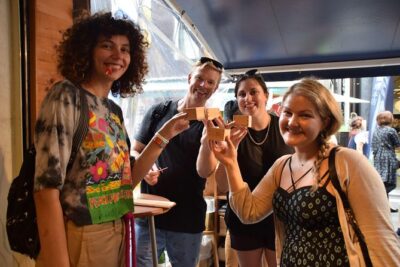 ★ 5.0Tokyo Tsukiji Fish Market Food and Culture Walking TourFrom $993,184 reviews
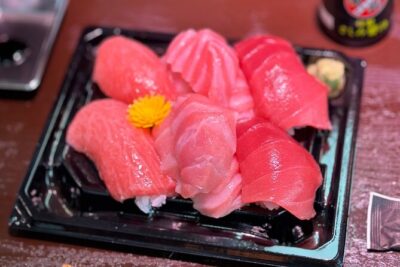 ★ 5.0Tsukiji Fish Market Food and Walking tourFrom $301,724 reviews
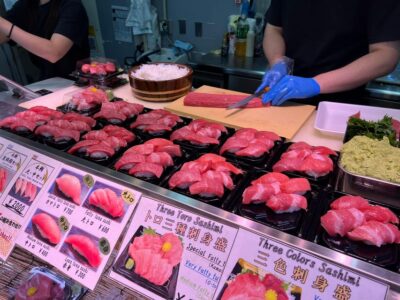 ★ 4.9Tsukiji Fish Market Guided Walking TourFrom $221,397 reviews
 ★ 5.0Tokyo Sushi Making Class in Tsukiji with Professional ChefFrom $491,177 reviews
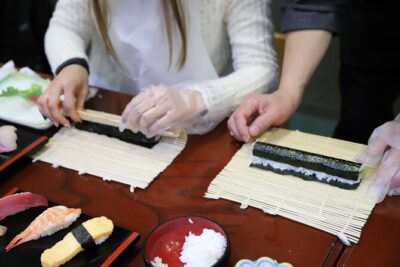 ★ 5.0Tsukiji Fish Market Guided Tour and Sushi Making with Pro ChefFrom $104775 reviews
★ 4.7Tsukiji Fish Market Food and Culture Walking TourFrom $96757 reviews
★ 5.0Tsukiji Fish Market Guided Tour and Sushi Making with Pro ChefFrom $104775 reviews
★ 4.7Tsukiji Fish Market Food and Culture Walking TourFrom $96757 reviews
 ★ 5.0Tsukiji Fish Market: Street Food & Culture Walking TourFrom $33669 reviews
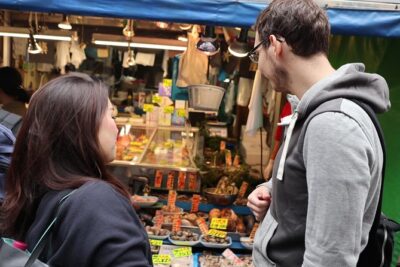 ★ 5.0Tsukiji Fish Market Small-Group Food Walking TourFrom $87621 reviews
This tour also belongs to