
Review · SHIBUYA TOURS
Full Day Walking Tour in Shinjuku and Shibuya
A full day that keeps moving, on foot.
This Shinjuku and Shibuya walking tour strings together old Tokyo and pop Tokyo in one easy plan, with a real guide leading the way. You get museum time, garden calm, shrine stops, and free time in the neighborhoods that people actually come to photograph.
I especially like the mix of themes. One part is traditional culture in Meiji Jingu, and another part is modern city energy in Shinjuku Golden Gai and Kabukicho. I also like the included tea-house experience in Shinjuku Gyoen, since it adds something hands-on instead of just walking past sights.
One possible drawback to plan for: it is a full day with several hours of outdoor walking and it uses public transport, so comfortable shoes matter more than you think.
Key points before you go
- Start at Yotsuya Sanchome at 9:30 am, meeting at the yellow information stand outside the ticket gates
- Small group size, up to 20 travelers, which keeps the walking pace manageable
- Shinjuku Gyoen tea-house moment with matcha and wagashi during the garden visit
- Guided wandering in Golden Gai and Kabukicho plus time to find your own lunch options
- Meiji Jingu Shrine and then Harajuku time after a short train ride from Shinjuku to Harajuku
- No private vehicle, so you rely on public transport and the group stays on a walking schedule
Why this Shinjuku and Shibuya day makes sense
Tokyo days get tricky when you want both context and variety. This one works because it hits two of the city’s biggest name districts, then fills the middle with places that explain how Tokyo became what it is. You are not just chasing photos. You are getting a spine for the day.
The Shinjuku portion sets up the story first. Then Shinjuku Gyoen gives you a slow-down break, which you usually want after the subway walkways and busy streets. After that, the tour moves into the lane-level texture of Golden Gai and the louder atmosphere of Kabukicho.
By the time you reach Meiji Jingu, the day has already taught you how to look at Tokyo in layers. The shrine gives you a different pace, and then Harajuku brings the modern, quirky street culture back into the frame. If you are short on time, this is a smart way to see a lot without feeling totally rushed from place to place.
You can also read our reviews of more walking tours in Tokyo


Entering the day: meeting point, mobile ticket, and public transport
The tour starts at Yotsuya-Sanchome Station at 9:30 am. You meet outside the ticket gates at the yellow information stand. That small detail matters because train stations can be huge, and you do not want to start your day in sprint mode.
You also get a mobile ticket, which is handy on a phone when you are hopping between stations. The tour uses public transport, not a private vehicle. Translation: expect short transit segments and plenty of walking between stops.
The tour includes at least one train fee, the ride from Shinjuku Station to Harajuku Station later in the day. Beyond that, the plan is built around moving on foot as a group. So I recommend you travel with patience. Give yourself time to move up and down stairs and through station corridors without getting flustered.
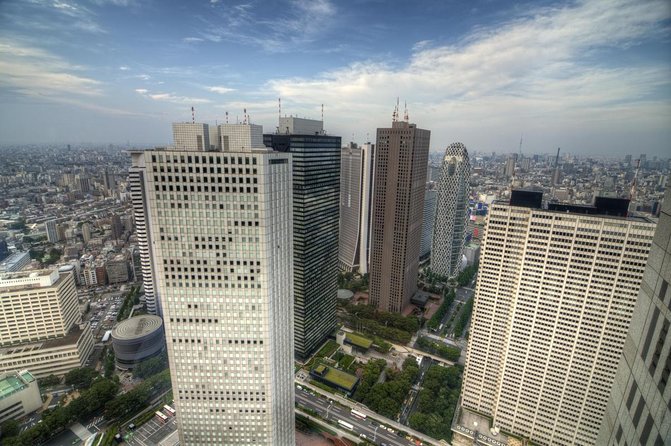
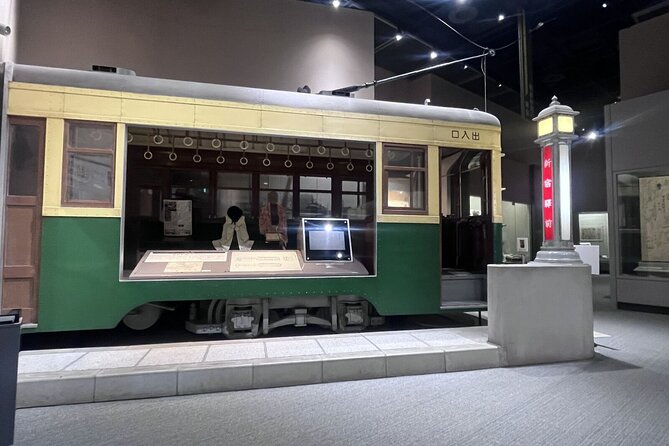
Stop 1: Shinjuku Historical Museum as your Tokyo setup
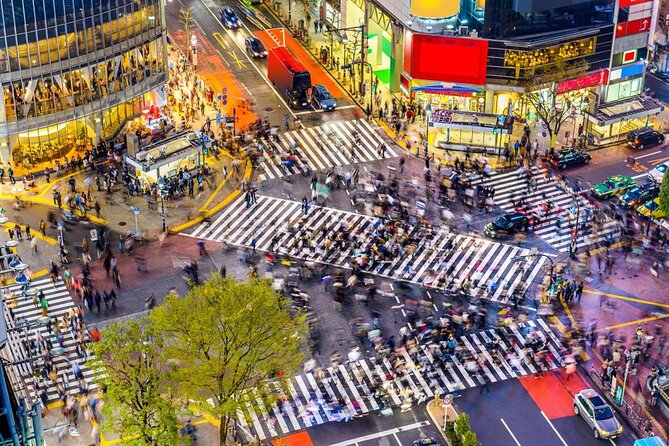
The day opens at the Shinjuku Historical Museum with about 1 hour 30 minutes, and admission is included. This is not the kind of place you visit only for a quick photo. It is more useful as orientation.
Why it matters: Shinjuku is known for lights, offices, and that constant sense of motion. The museum helps you understand what you are walking through later, including the shift from older Shinjuku character into the high-energy district it is today. Even if you are not a museum person, this is a practical way to get context before you hit neighborhoods that can feel chaotic.
The guide leads you through the museum and then keeps you moving so you do not lose the rest of the day. If you like a tour that gives you a reason for each stop, this first segment earns its place.
Stop 2: Shinjuku Gyoen garden time plus matcha and wagashi
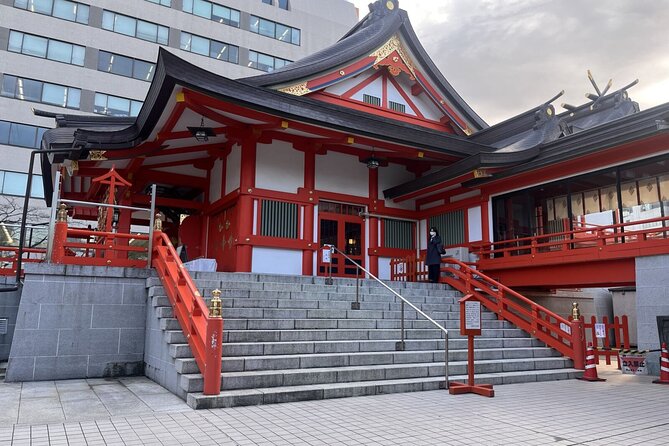
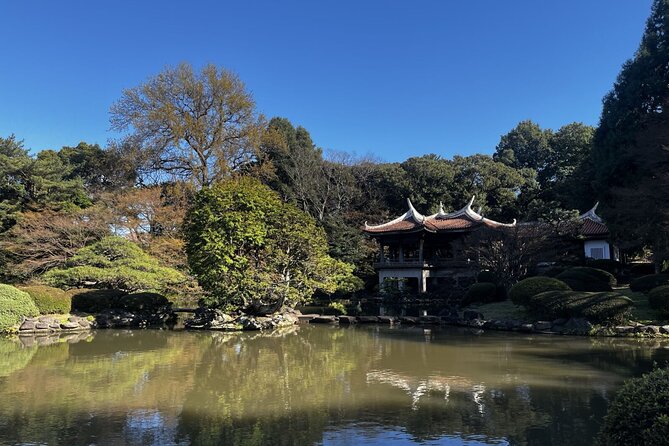
Next comes Shinjuku Gyoen National Garden, with about 2 hours 15 minutes. Garden admission is free for the tour, and you also get a guided visit. The big value here is the tea-house experience, including matcha and wagashi.
I like this stop because it balances the day. Shinjuku and Shibuya can be sensory overload. A garden gives your brain a breather. It also makes it easier to enjoy shrines later, since your pace is already slowed down.
The tea-house moment adds meaning. Instead of treating Japan like a checklist of landmarks, you get a small ritual you can participate in. Matcha and wagashi are not just a snack. It is a way to connect food and culture, and it gives you a break that does not require you to search for something on your own while the group keeps rolling.
If it is a hot day, this part can feel especially welcome, since you get guided breaks inside the garden flow.
Stop 3: Golden Gai and Kabukicho, where lunch is part of the plan
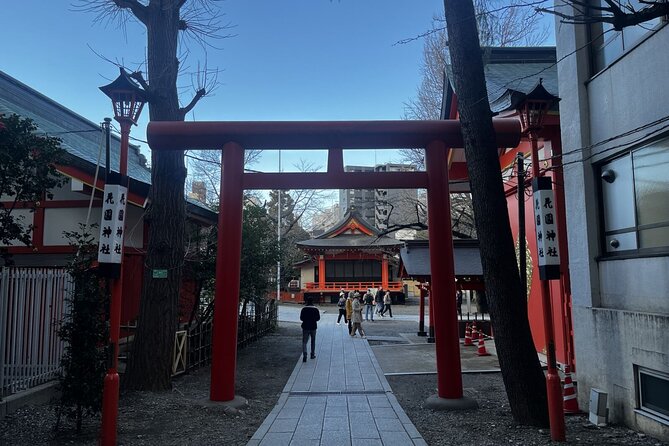
After the garden, the tour heads toward Shinjuku Golden Gai and Kabukicho. This segment is about 1 hour 15 minutes, and admission is free since you are exploring the neighborhoods rather than entering a ticketed site.
This is the time when Shinjuku leans into what people think of as nightlife Tokyo, narrow lanes, dense energy, and signage everywhere. The guide gives you a tour of the area, which is useful here. Without guidance, it is easy to miss why Golden Gai is talked about and why the streets feel the way they do.
It is also lunch time. Lunch is at your own expense, so you will want to have your appetite ready but also keep in mind that this is not an all-inclusive meal stop. The tour focuses on orientation and time in the streets, then lets you choose what you eat.
The practical takeaway: if you are picky about food, decide what kind of lunch you want before you get there. If you are adventurous, use the guided orientation to pick a place that fits your comfort level.
More Tokyo tours and experiences for the shortlist


Stop 4: Meiji Jingu Shrine, then Harajuku’s street-world
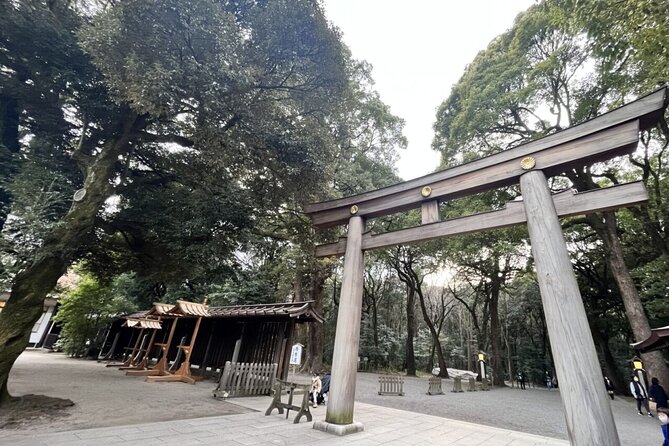
The final stop is Meiji Jingu Shrine for about 3 hours. Admission is free, and you take a short train ride from Shinjuku to Harajuku first.
This portion matters because it shifts the day from city noise to a more ceremonial pace. A shrine visit works best when you slow down and follow the guide’s flow, and this stop gives you that structure. You get a guided tour around the shrine area, then you move across to Harajuku, described as energetic and quirky.
I like that the tour does not leave Harajuku as a drive-by. You get time to wander in that area after the shrine, which is where you can turn the day into a personal mix of photos, shopping, and people-watching.
Just remember that Harajuku time happens after you have already walked for hours. Keep your plans flexible. If you see something you really want, focus on that instead of trying to hit every storefront.
Price and what you actually get for $165.19
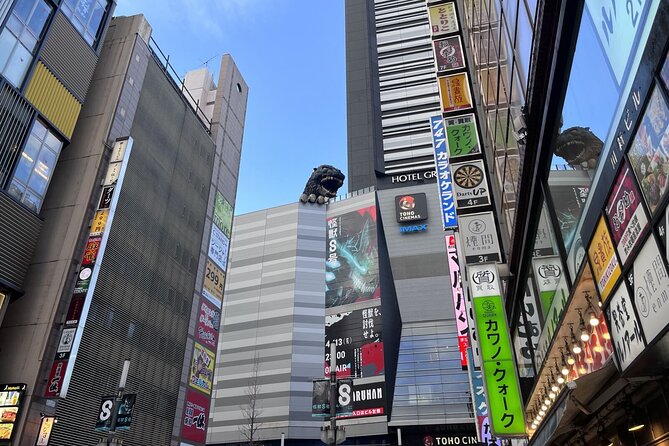
At $165.19 per person, this is not a cheap add-on. But it is also not priced like a luxury private tour. The value comes from the combination of guide time, tickets, and transportation included.
Here is what is clearly included:
- Admission fees for Shinjuku Historical Museum and Shinjuku Gyoen Park
- Shinjuku Gyoen tea-house experience with matcha and wagashi
- Train fee from Shinjuku Station to Harajuku Station
- A local English-speaking guide
When you add that up, you are paying for someone to manage the day so you can move efficiently across multiple districts. You are also paying for the “why,” meaning the guide’s historical framing and the order of stops that keeps you from doubling back.
A small detail I pay attention to: the group cap is 20 travelers. That matters more on a walking tour than it does on a bus tour, because crowding can ruin the experience fast.
One more planning point: the tour is commonly booked around 68 days in advance. If you travel in peak season, that is a sign it can fill up, so earlier booking reduces stress.
What the guides get praised for, and how you can use that
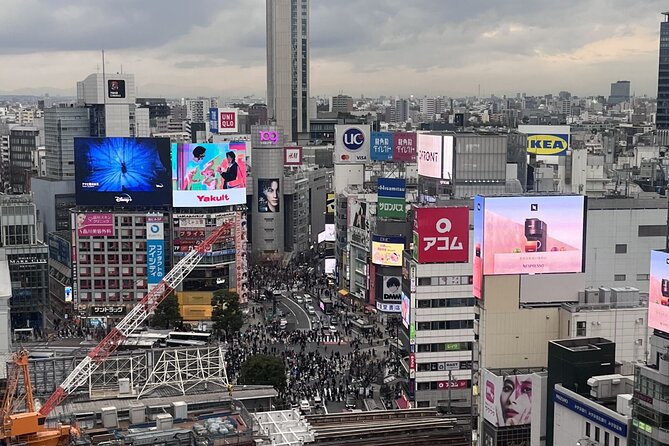
The standout theme in feedback is the guide. Names come up directly: Jeff and Beth. Both are praised for being friendly and for making routes feel easy even when the day is hot or hectic.
What that means for you in real terms:
- You are likely to get clear direction on where to go and how to move between stops
- You can expect someone to handle the complicated parts, like station navigation and the best order to see things
- Flexibility is a plus, especially if your group asks for small adjustments
If you want the most out of a guide like Jeff or Beth, come with two or three priorities. For example: you want museum context, you want a garden break, you want the shrine, and you want enough time in Harajuku to browse. When the guide knows your goals, you waste less time.
Also, bring your best question style. Ask how to tell the difference between what you see at ground level in Golden Gai versus the broader Shinjuku city picture. It helps you connect stops into one story.
Pace, heat, and what to pack for an outdoor-heavy day
This tour is built for walking outdoors for several hours. That does not mean marathon. It does mean you need the basics right.
My packing checklist for this kind of itinerary:
- Comfortable walking shoes with grip
- A small water bottle or a plan to buy water on the way
- Sun protection for the garden and street segments
- A light layer if you get cold on trains or in museums
Also, since lunch is on your own, bring a snack tolerance plan. If you are the kind of person who gets hungry quickly, you will feel calmer if you carry a small backup snack.
And because it ends at Shibuya Station, your walking day does not end at the last attraction. Shibuya station can be a busy place to reorient, so give yourself a little buffer before dinner reservations.
Making Shibuya work after the tour ends
The tour concludes at Shibuya Station. That is a smart finish point because it is easy to go wherever you want next, by train and by foot.
I recommend you use the end of the day to do one simple thing, not five. Pick either a nearby dinner plan or a short post-tour stroll, then call it a win. Shibuya can be intense. If you try to squeeze in a full second evening plan right away, the walking fatigue catches up.
If you still have energy, you can treat Shibuya as your final “modern Tokyo” chapter. If you do not, Shibuya station itself is plenty convenient for catching a train back to your lodging without stress.
Should you book this Shinjuku and Shibuya walking tour?
Book it if you:
- Want one organized day that connects Shinjuku and Shibuya without piecing together transfers
- Like the idea of mixing a museum, a garden tea moment, and a shrine, plus neighborhood time
- Prefer a guided plan over trying to manage multiple districts alone
Consider skipping or modifying your plan if you:
- Hate long walking days or you know your stamina drops quickly in heat
- Want a more relaxed pace with fewer stop transitions
- Are looking for a fully scheduled lunch, since lunch is at your own expense
If you are on your first Tokyo trip, or you are here for a short window and need a strong sampler menu of neighborhoods, this tour is a practical choice. You get structure, ticketed value, and guided context, then you finish where Tokyo stays open late.
FAQ
What time does the tour start, and where do I meet?
The tour starts at 9:30 am. You meet at Yotsuya-Sanchome Station, outside the ticket gates at the yellow information stand.
How long is the walking tour?
It runs for about 8 hours.
Does the tour use public transport?
Yes. The tour does not use a private vehicle and instead uses public transport. There is also several hours of outdoor walking.
What is included in the price?
Admission fees for Shinjuku Historical Museum and Shinjuku Gyoen Park, the tea house experience at Shinjuku Gyoen, the train fee from Shinjuku Station to Harajuku Station, and a local English-speaking guide.
Is lunch included?
No. Lunch is at your own expense.
How many people are in the group?
The tour has a maximum of 20 travelers.
Can I cancel for a full refund?
Yes, you can cancel for free up to 24 hours in advance for a full refund. If you cancel less than 24 hours before the start time, the amount paid is not refunded.
More Walking Tours in Tokyo


More Tours in Tokyo






More Tour Reviews in Tokyo


Not for you? Here's more nearby things to do in Tokyo we have reviewed












Shibuya Tours, side by side.
 ★ 5.0Official Street Go-Kart in ShibuyaFrom $763,435 reviews
 ★ 4.9Street Kart Experience in ShibuyaFrom $741,484 reviews
 ★ 5.0Shibuya Meltdown Nightlife Tour: All-You-Can-Drink Bar HoppingFrom $1061,058 reviews
 ★ 5.0Shibuya Official Street Go-Kart in Shibuya AnnexFrom $69972 reviews
 ★ 5.0Shibuya Food Tour (13 dishes and 4 Eateries)From $77770 reviews
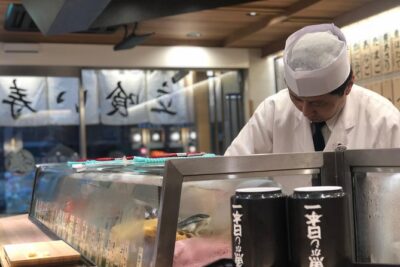 ★ 5.0Best of Shibuya Food TourFrom $217612 reviews
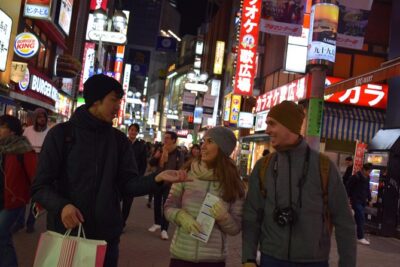 ★ 4.8Shibuya Highlights Walking TourFrom $19601 reviews
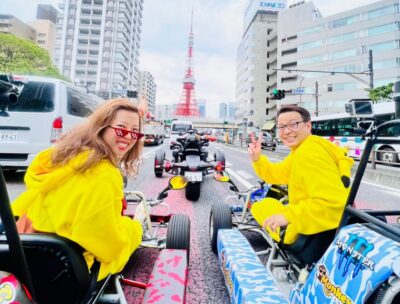 ★ 4.7Premium Go-Kart Tour with Tower & Shibuya CrossingFrom $116528 reviews
This tour also belongs to