
Review · TOKYO FOOD TOURS
Tokyo Haneda: Bento & Ramen Gyoza Cooking Class in a Local home
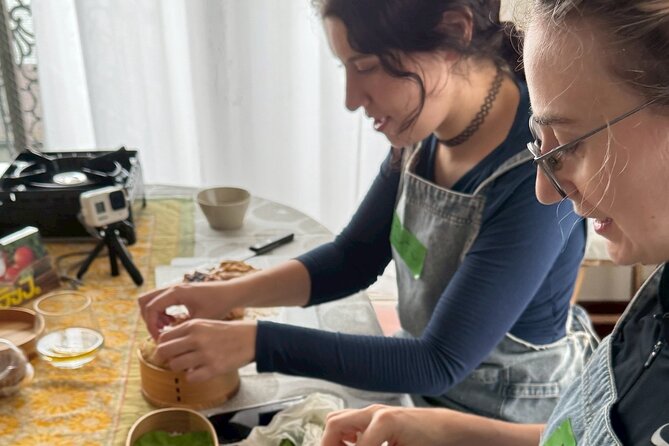
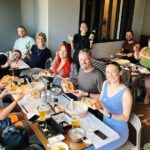
Cooking with family in Tokyo beats any restaurant. This hands-on class has you making your own bento box plus ramen and gyoza in a friendly Ota City home, guided by hosts like Nao and Machiko. I also love the easy pace and the free-flow drinks at the table. One consideration: it is a true cooking class, so you will be working with your hands for about 3 hours, not just watching.
The setting matters here. You are in Nishirokugō, a quieter neighborhood with the Tama River nearby for a calm pre or post-walk, and the tour is private, so it stays relaxed. You’ll eat what you make, leave with a small souvenir set, and head back to the same meeting point.
Key highlights that make this class worth your time
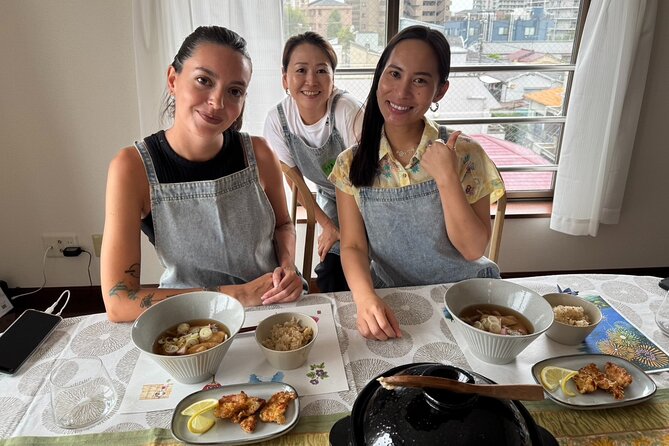
- A real home kitchen in Ota City, not a rented demonstration space
- Step-by-step guidance from English-speaking hosts such as Nao, Machiko, and sometimes Yoko
- Your own bento box and meal, cooked and eaten within the class
- Free-flow drinks including sake, beer, coffee, tea, and Japanese tea
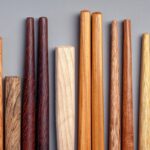
- Souvenir chopsticks and a chopstick rest, plus a letter
Bento, Ramen, Gyoza, and the Ota City home where you actually cook
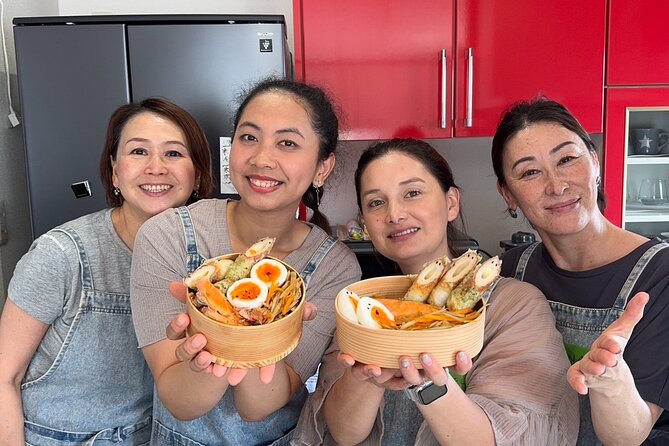
This is the kind of Tokyo experience that feels simple, but it lands differently than a standard activity. You are not collecting photos. You are learning how Japanese home cooking works, by doing it. The goal is to spread Japanese food culture through cooking in a neighborhood setting supported by Ota Ward, and that tone shows in how the class is run.
The standout strength is that it is start-to-finish hands-on. You get from prep to cooking to eating, with clear instructions and patient help. Names you may hear during your session include Nao and Machiko, and in some runs Yoko has been part of the guidance too. That matters because it is easier to learn when you can ask small questions and correct mistakes early, before they turn into soggy gyoza or overcooked noodles.
Another thing I appreciate is that it feels like you are visiting a friend, not following a script in a sterile room. It is relaxed, and that makes the learning stick.
The main drawback is also the nature of a cooking class: you need enough energy to participate. If you want a passive, sit-down show, this is not that. If you like being active, it is a great match.
You can also read our reviews of more cooking classes in Tokyo
Getting to Nishirokō 10 and why the location near Haneda matters
The meeting point is in Ota City, Nishirokugō, at Grace Mansion Harada (address listed as 4-chōme 109). Start time is 11:00 am, and the activity ends back at the meeting point.
This area is an easy win if you are near Haneda Airport. One review described the place as only a few minutes’ walk from a nearby train station, and the general info also says it is easily accessible from Haneda. In practice, that means less Tokyo-transit stress, more time for your actual meal.
Also, Nishirokugō gives you a different Tokyo feel than the usual big-city loop. You get a more local rhythm, and if you have time before or after, the Tama River nearby is a nice option for a low-key walk without the pressure of a tight itinerary.
You should still plan for normal neighborhood transit time, because it is a home location. You are close to public transportation, but you will want to arrive a little early so you do not feel rushed in someone’s residential area.
The cooking lesson you can repeat at home: bento box building
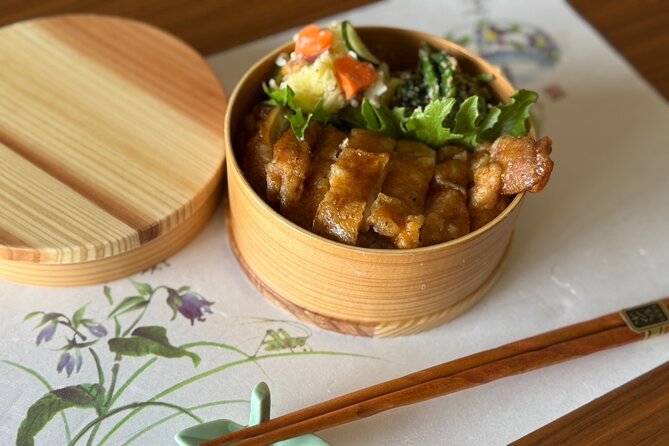
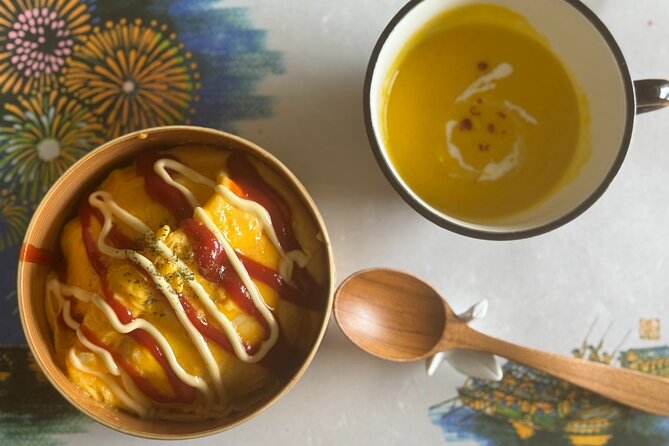
The class centers on making your own bento-style lunch. That phrase sounds simple, but it is one of the best ways to understand Japanese everyday eating: balance, portion control, and how flavors stay good even when things cool a bit.
In your session, you will handle the work from the start, then assemble your box. That includes the mindset behind bento, not just the final result. You learn how to prep components so they go together cleanly, and how to make choices that fit Japanese home cooking routines.
Because this is a home kitchen, you also learn the small habits that never make it into restaurant kitchens. The pacing tends to be gentler, and the hosts can correct you quickly. That helps a lot if this is your first time cooking Japanese food.
You are not left with a theory packet. You leave with a lunch you can point to, cut into pieces, and explain.
Ramen and gyoza at a local pace, not a factory workflow
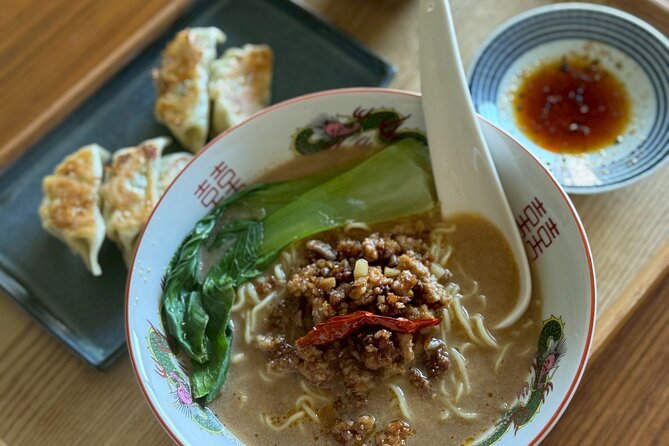
The theme includes ramen and gyoza, and that combination is a smart one for travelers. Ramen can feel intimidating if you only know instant packets. Gyoza can feel mysterious if you think you need special wrappers and magic timing.
In this class, you get practical steps and guidance while you work. Hosts such as Nao and Machiko are known for being kind and patient, and Yoko also appears as a guide in some sessions. The repeated message in participant feedback is clear: instructions are easy to follow, and they keep things moving without leaving you behind.
Also, this class has shown flexibility in what you make beyond the core theme. Some people have mentioned making items like udon broth from scratch, tempura, gluten-free udon noodles, and even mochi. That suggests the menu can vary by session and ingredient needs, so the safest expectation is that you will learn core ramen and gyoza techniques plus additional Japanese dishes depending on the day.
What you should watch for is your comfort with hands-on kitchen work. Gyoza, in particular, can involve folding and pan-cooking steps where you need to pay attention to heat and timing. If you enjoy process learning, you will have fun here. If you hate being at the stove, it may feel like more effort than you expected.
The table meal and the free-flow drinks that change the mood
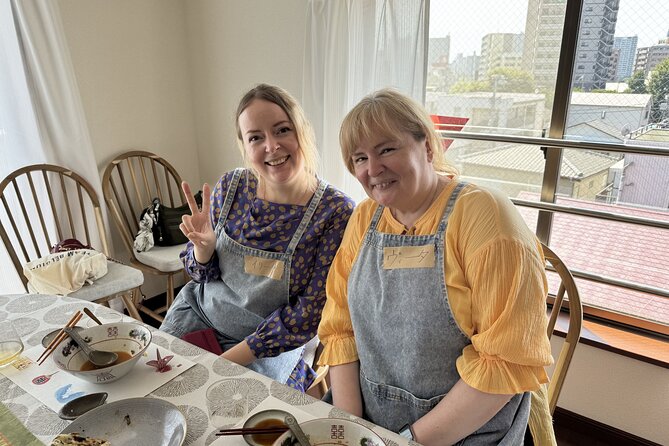
After cooking comes the part that makes the class feel worth it: you eat what you made. This is one of the most satisfying structures for a cooking experience, because it closes the loop. You get to judge flavor, texture, and balance in the moment, not later.
And then there is the free-flow drink setup. The included beverages include alcoholic options such as sake and beer, plus wine. You’ll also find coffee, tea, Japanese tea, and soft drinks.
That drink mix does more than add comfort. It helps you settle in and talk, especially if your group is international and you want a less formal atmosphere. One of the best parts of a home class is that the kitchen conversation feels natural, and the hosts can explain ingredients and preferences while you eat.
If you do not drink alcohol, you are not forced into it. The tea and coffee options are part of the free-flow list, so you can stay relaxed either way.
More Tokyo tours and experiences for the shortlist


Souvenir chopsticks and a chopstick rest, plus a little paper note
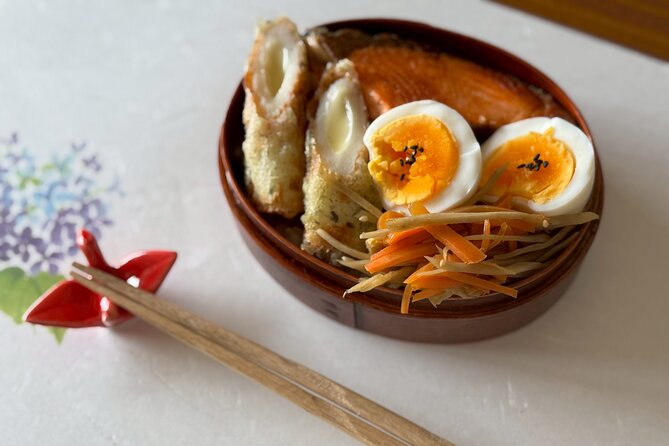
The included souvenir set is a practical Japanese takeaway: chopsticks plus a chopstick rest, along with a letter.
This is not a random keychain souvenir. It is something you can use at home, and it connects to what you learned in the class, since bento and gyoza are part of the chopstick world. The chopstick rest is also a nice touch because it is the small everyday item people often forget to buy.
If you have ever gone to Japan and wished you had one small object that actually made sense in daily life, this one does.
Price, $60 per person: where the value really comes from
At $60 per person for about 3 hours, this is priced like a mid-range food experience. On paper, you might wonder why it costs that much for a home class.
Here’s the value logic I see:
- You get hands-on cooking rather than a lecture, and the class includes the meal you make.
- Drinks are included and are genuinely broad (alcohol plus coffee and tea), which can add noticeable value.
- You leave with a useful souvenir set (chopsticks, a chopstick rest, and a letter).
- The tour is private, meaning only your group participates, so you are not squeezed into a crowded format.
What you should note is what is not included: private transportation. So if you are coming from far away, factor in transit time and cost. Still, the location near Haneda is a real advantage if you are already in that area.
For travelers who like cooking, learning the why behind techniques, and enjoying a meal in a local setting, $60 can feel like a fair deal. For people who only want to taste and do zero cooking, it may feel like you are paying for more participation than you want.
Who should book this class, and who might want a different option
This fits best if you want a Tokyo experience that is active, personal, and not locked into tourist scripts.
It is a great match for:
- Families looking for a shared activity. One booking experience specifically mentioned cooking with kids during a short trip.
- Food lovers who want techniques you can repeat, not just flavors you can copy.
- Small groups who like private settings and conversation with patient, English-speaking hosts.
It might not fit as well if:
- You have low tolerance for hands-on kitchen work.
- You want a quick stop with no cooking component.
- You are traveling only for views and prefer passive activities.
If you do have allergies, you should inform the provider in advance. The class data specifically asks you to share allergy details ahead of time.
Practical tips so you enjoy the class more (and not just survive it)
A cooking class in a home kitchen works best when you come ready to learn. Here are simple, practical moves that will help:
- Arrive a few minutes early and keep the area quiet and respectful. It is a residential location.
- Wear comfortable clothes you do not mind getting a little kitchen-smudged.
- Go in with curiosity. Ask how something should feel, not just what to do next.
- If you drink alcohol, enjoy it slowly. The class includes free-flow drinks, but you will still be cooking.
- Tell the hosts about allergies before you arrive, so adjustments can be made.
Also, if you have time around Haneda, you can build your day like this: land or settle, do the 11:00 am class, then take a calm walk later near the Tama River. The schedule in Tokyo can be intense, and this gives you a quieter rhythm.
Should you book this cooking class near Haneda?
I think you should book it if you want a Tokyo food experience that is genuinely hands-on, in a local home, with a meal you can share and repeat later. The combination of bento plus ramen and gyoza, step-by-step hosts like Nao and Machiko, and included free-flow drinks makes it feel like more than just a ticketed activity.
Skip it if you want a passive tasting, or if you are unlikely to enjoy cooking. This is work at the stove, even if the hosts make it easy.
If you are planning a Tokyo trip and you have even a small interest in Japanese everyday food, this class is a strong choice because it turns learning into lunch, and it gives you a souvenir you will actually use.
FAQ
What is the approximate duration of the class?
The class runs for about 3 hours.
What time does the activity start?
The start time is 11:00 am.
Where do I meet for the cooking class?
The meeting point is in Ota City, Nishirokugō, at Grace Mansion Harada, listed as 4-chōme109.
Is the tour private?
Yes. It is a private tour or activity, and only your group participates.
What’s included in the price?
Meals (what you cook and eat), free-flow alcoholic beverages and non-alcoholic drinks, and a souvenir set that includes chopsticks and a chopstick rest plus a letter.
What beverages are included?
The free-flow drinks include sake, beer, wine, coffee, tea, Japanese tea, and soft drinks.
Is private transportation included?
No. Private transportation is not included.
Can I bring up food allergies?
Yes. You should inform the provider about any food allergies in advance.
What is the cancellation policy?
Free cancellation is available. You can cancel up to 24 hours in advance for a full refund.
More Workshops & Classes in Tokyo
More Cooking Classes in Tokyo
More Tour Reviews in Tokyo






Not for you? Here's more nearby things to do in Tokyo we have reviewed












Tokyo Food Tours, side by side.
 ★ 5.0Shinjuku Food Tour (13 Dishes at 4 Local Eateries)From $866,603 reviews
 ★ 5.0Tokyo Bar Hopping Tour in Shinjuku (All-You-Can-Drink + Dinner)From $1063,587 reviews
 ★ 4.9Shinjuku Food Tour (15 Dishes and 4 Eateries)From $852,033 reviews
 ★ 5.0Best of Shinjuku: Izakaya Food Tour (4 Stops, 14+ Tastings)From $921,863 reviews
 ★ 5.0Shibuya Meltdown Nightlife Tour: All-You-Can-Drink Bar HoppingFrom $1061,058 reviews
 ★ 5.0Eat and Drink Like a Local: Tokyo Ueno Food Tour-Taverns&RamenFrom $95957 reviews
 ★ 5.0Ramen & Gyoza Cooking Class in Tokyo with Local Supermarket VisitFrom $122823 reviews
 ★ 5.0Shibuya Food Tour (13 dishes and 4 Eateries)From $77770 reviews
This tour also belongs to