
Review · TOKYO CITY TOURS
Yanaka Walking Tour: Historic and Traditional District of Tokyo
Tokyo has a quieter side. This Yanaka walk trades skyscrapers for Edo-period lanes and a major stop at Yanaka Cemetery, plus a friendly English guide to bring it all to life. I like that the tour includes free admissions at key cultural stops and ends back where you started, so it feels simple and low-stress. I also like the small group size, which makes it easier to ask questions as you go. One possible drawback: the cemetery is one of the longer segments, so if you dislike slow, reflective stops, plan to bring extra patience.
If you want a mini-retreat on a Tokyo trip, this is a strong pick. You’ll spend 3.5 hours (approx.) walking through Shitamachi-style neighborhood streets, crossing from temples into traditional home architecture and local shopping rhythms.
Key Highlights You Will Care About
- A walk through Edo-era Tokyo in Yanaka, one of the city’s best-preserved older districts
- Yanaka Cemetery and Tennoji Temple stops with free admission and big historical atmosphere
- Small-group feel (maximum 8 travelers noted for the activity) with lots of room for questions
- English-speaking guides that really teach, with many visitors praising clear explanations and thoughtful pacing
- Optional add-ons like tea on tatami at Gallery Okubo, plus afternoon art stops on select departures
- Yanaka Ginza Shopping Street for practical, snack-friendly neighborhood time
Yanaka: the old-Tokyo feeling you can actually walk into
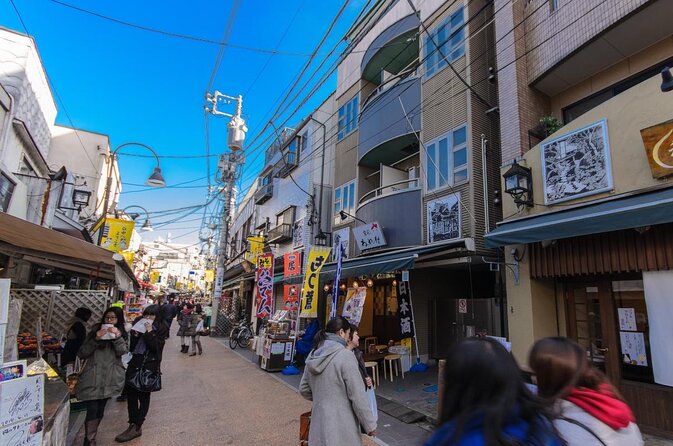
Yanaka works because it doesn’t try to be a theme park. You’re moving through real streets where daily life still looks traditional: quiet residential lanes, temple grounds, older buildings, and that slower, human scale Tokyo visitors rarely get to see.
This tour is designed for that exact mood shift. You’re not just looking at sights, you’re getting the “why” behind them, from how the district fits into Edo-era life to how religious sites function in Japanese culture. And because you’re going on foot, the neighborhood texture sticks. It’s the kind of Tokyo day where you leave with better bearings, not just photos.
The guides are a standout part of the experience. Many departures have been praised for friendly, engaging storytelling, clear English, and guides who adjust the pace for the group. You’ll feel like you’re walking with someone who knows how to connect the past to what you’re seeing in front of you.
You can also read our reviews of more walking tours in Tokyo


Price and what $72.96 buys you in real value
At $72.96 per person for a 3.5-hour walk, you’re paying for three things: a live English guide, guided time in places that usually require admissions, and the convenience of not having to plan each stop.
A big value point here is that the core listed stops are free admission. Tennoji Temple, Yanaka Cemetery, and other neighborhood sites on the standard route are described as free, which means your money goes mostly to interpretation and logistics, not ticket math. The tour also includes all fees and taxes, plus photos of participants, so you’re not hit with extra line-item surprises.
Food and drinks are not included. That’s normal for this kind of neighborhood walk, but it does matter for budgeting. You’ll likely want cash or card for snacks along Yanaka Ginza, and you should expect to buy your own water and small bites as you go.
Timing, start point, and the walking reality
This is a 3.5-hour (approx.) guided walk with a moderate fitness level, and it’s truly built around moving. Wear comfy shoes. More than one reviewer suggestion was basically the same advice: bring shoes you can walk in for a sustained period.
You have two main start times: 9:00 am or 14:00 pm. Most visitors do the morning option if they want a calmer start, but the afternoon choice can be great if you want the additional stops that appear on afternoon departures.
The meeting point is Nippori Station, 2 Chome-19 Nishinippori, Arakawa City, Tokyo. The tour ends back at the meeting point, which is a practical feature in Tokyo. You don’t have to worry about finishing somewhere complicated.
Group size is capped (the activity notes a maximum of 8 travelers, and it also lists a maximum of 10 people per booking). That matters because it supports a more personal guide conversation, not just a headcount shuffle.
Yanaka District streets: where Edo-era mood meets everyday Tokyo
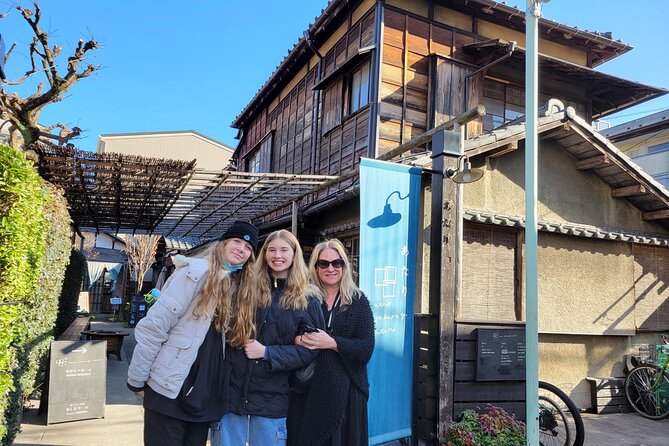
Your first stop is the Yanaka area itself, and this is where the “old Tokyo” feel starts to make sense. You’re stepping into streets that support that Edo-period contrast: fewer modern interruptions, more traditional building lines, and a calmer pace.
This is also where the guide’s role becomes most important. Without context, these lanes can look like quaint streets. With a good guide, they become a map of how communities formed, how religious space sat in daily life, and why certain neighborhoods survived in the shape they did.
One practical way to enjoy this portion is to slow down your own pace. Let the group go ahead slightly, then catch up when you want to ask questions. Many guests praised guides who keep things flexible, even when people wanted refreshment stops or brief shop detours.
If you like photo stops, this is the time. The best images aren’t always the most famous ones. It’s the small architectural details and street rhythms that make Yanaka feel real.
Tennoji Temple: a garden-edge intro to long timelines
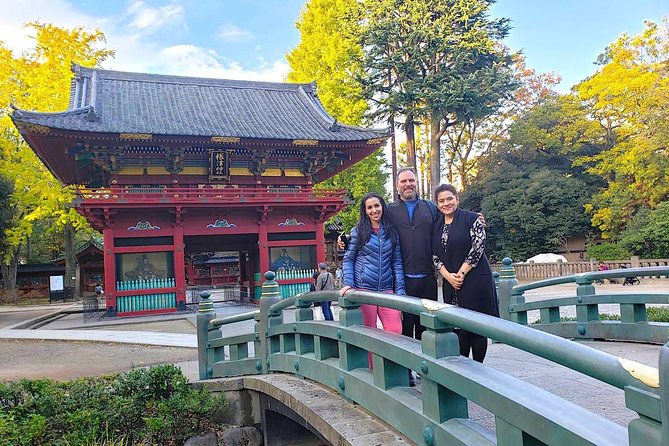
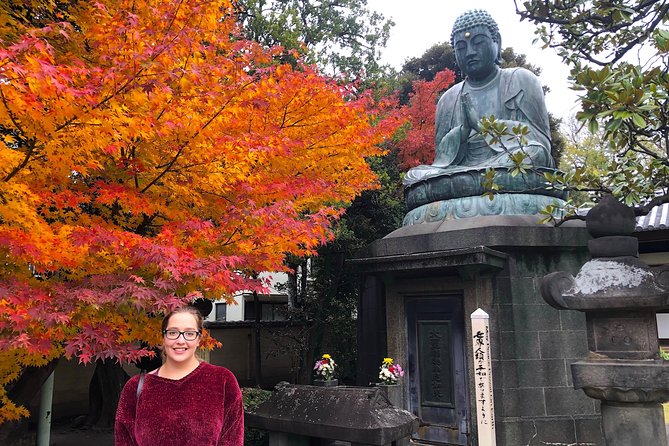
Tennoji Temple is the next key cultural anchor, and it dates back to 1274. It sits right along the edge of the Yanaka Cemetery, which is a smart pairing for a walking tour. You get the sense that sacred space isn’t isolated, it’s part of the neighborhood geography.
Expect a calm shift when you enter. The temple is described as having a pleasant garden behind an old wooden gate, and that “threshold feeling” is one reason these stops work well on foot tours. It’s not just sightseeing, it’s a change in atmosphere.
This stop also helps set up the religion conversation your guide will likely bring up. Some guests specifically mentioned the tour covering how shrines and temples differ, and how customs and courtesies work at religious sites. Even if you already know the basics, it’s useful to get your etiquette sorted before the deeper cemetery segment.
If you’re hoping for quiet and reflection, Tennoji is a nice buffer. It breaks the walk into a more thoughtful rhythm.
You can also read our reviews of more historical tours in Tokyo



Yanaka Cemetery: the reflective segment worth planning for
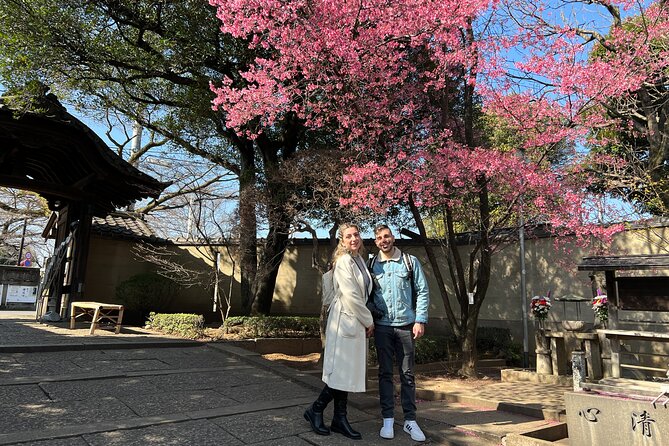
Yanaka Cemetery is the big “this is why we came” stop. It covers 100,000 square meters and has over 7,000 graves. It’s also described as the kind of place tourists don’t usually route through, which means you’re seeing something that feels more local and less curated.
This stop can be emotionally heavy, but the tour context makes it easier to understand. You’re learning how cemetery sites fit into Japanese religious and cultural traditions, and how historical memory stays physically present in the neighborhood.
One tradeoff: this segment can feel long. A couple of guests flagged that the cemetery time takes more of the walk than they expected. If you prefer short, brisk photo stops and then back outside, mentally prepare for a slower pace here.
Practical tip: bring a bit of calm time into your schedule. If you try to rush this stop, you’ll miss what makes it powerful. The value is less about speed and more about context.
Optional tea on tatami at Gallery Okubo
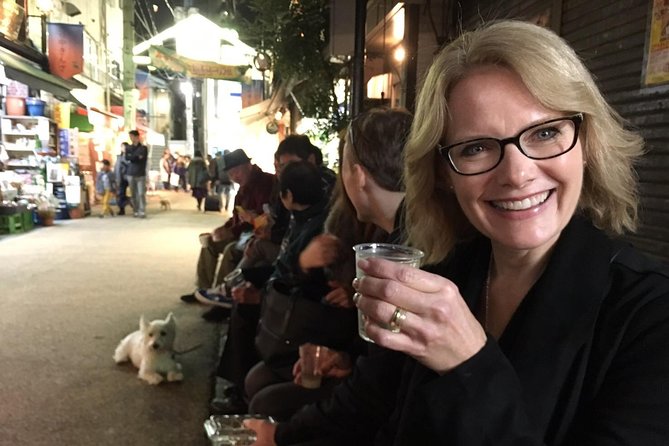
At Gallery Okubo, there’s an optional tea experience on tatami mats. It’s listed as ¥1,000, and that cost is not included in the tour price.
This is a good optional add-on if you want a breather in the middle of walking. Tea sessions also give you something to do besides watch sights, and they fit nicely with the tour’s “daily life meets tradition” theme.
Because this part is optional, you can decide based on your energy level. If you’re walking with people who want more shopping time or you want to keep the pace moving, you can skip it.
If you do go, treat it like a short pause, not a full meal replacement. Then you can rejoin the walking rhythm without feeling sluggish.
Afternoon-only art stop at SCAI The Bathhouse
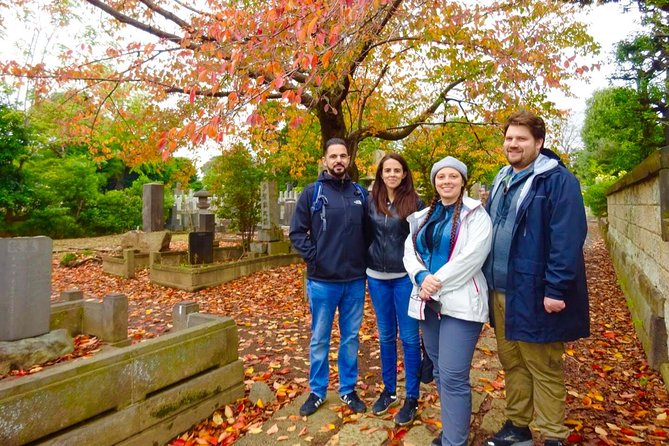
If you book the afternoon departure, you may visit SCAI The Bathhouse, a contemporary art gallery housed in a venerable public bath building. That’s a fun contrast point in a tour that otherwise focuses heavily on Edo-era atmospheres.
What works here is the building itself. You’re seeing the kind of adaptive reuse Tokyo does, where older communal spaces can become cultural sites for modern visitors. It helps break up the heavier temple and cemetery themes without turning the day into pure museum time.
Admission is listed as free for this stop, based on the provided info. The visit is also short in the itinerary description, so it won’t derail your day if you like structure.
If you’re an art lover, this is a nice bonus. If you’re not, it still offers architectural interest and a change of pace.
Shitamachi Customs Museum: when everyday objects explain the city
Another optional stop is the Shitamachi Customs Museum & Exhibit Hall. It’s described as being established to teach future generations about Shitamachi, basically down-town Tokyo life.
This is the type of stop that can quietly improve your understanding. Instead of talking only about famous temples and big historical eras, it points to how normal people lived, worked, and owned things. The tour description says most objects displayed are actual items that were used, which helps the museum feel grounded.
If you like museums but don’t want to spend half a day, this optional visit can be a good middle step. It also gives you a break from walking, especially if you’re touring in warm or rainy conditions.
Skip this if you’re already museumed out that day. The rest of Yanaka still delivers strongly.
Edokoro Alan West: the studio in an old auto-body past
For afternoon departures, there’s also Edokoro Alan West. The description says it was once an auto body garage and is now presented as the only operating traditional studio in the area (the wording here is that it is the only operating studio of its kind).
This stop is a clever reminder that Yanaka is not just preserved history. It also holds craft, workspaces, and ongoing local identities, even when the outside city changes fast.
This part of the tour is described as short, and admission is listed as free. In other words, it’s a quick add-on if you want one more story-anchored look at how traditional Tokyo continues to function.
The shrine garden with azalea, trees, and Shinto-Buddhist context
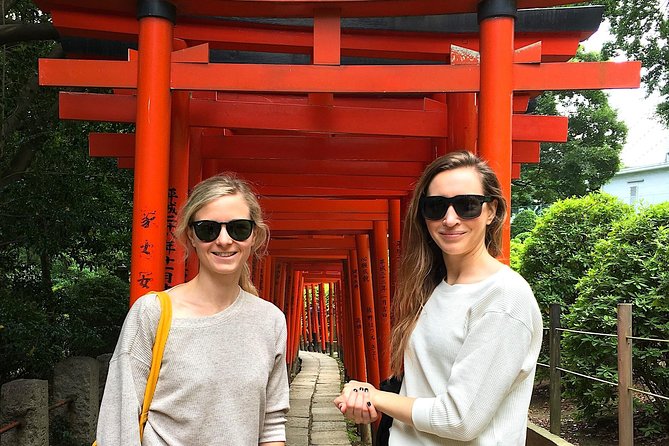
There’s a shrine stop on the route that’s described as one of Japan’s oldest shrines, with huge trees, flowering azalea (つつじ), ponds and pathways, and colorful wooden structures. The name isn’t provided in the itinerary text you shared, but at least one guide-led experience described visiting Nezu Jingu and learning about Shinto and Buddhist connections.
Either way, the important thing is what you’ll likely get from your guide: a clearer sense of how Shinto and Buddhism coexist in Japanese religious culture. Multiple reviews also mentioned learning about customs and courtesies at religious sites, and how shrines vs temples fit together.
From a practical viewpoint, this is also a great photo and atmosphere stop. The garden layout naturally creates sight lines, pathways, and framed views without feeling like a forced stop.
Wear shoes that handle uneven ground if your group goes into garden areas. Tokyo shrine grounds can have paths that are charming but not always flat.
Yanaka Ginza Shopping Street: snacks, souvenirs, and the last stroll
The tour ends with time at Yanaka Ginza Shopping Street, described as one of the best local shopping streets with a well-preserved Shitamachi atmosphere. This is a smart final segment because it helps you translate the day into something immediate.
You can shop for small souvenirs, and you can focus on eating. The tour description even tells you not to forget local snacks, which is exactly the kind of advice that saves you later when you realize you skipped dinner.
One detail I like from guide-led experiences here is that some departures include a taste-oriented vibe, like sweets or even a sake stop, depending on time and the route the guide chooses. The key point is that the shopping street is flexible and human, so the day can shift based on your interests.
If you’re tired, this part still works because you don’t have to “perform” sightseeing. You can browse slowly, snack, and then head back to your meetup.
Guides you might meet, and what to look for on your departure
What stands out most in the feedback isn’t just that guides are friendly. It’s how many visitors highlighted the guide’s ability to answer questions, explain customs, and keep the group safe and moving at the right speed.
You’ll see lots of guide names praised in past departures, including Keita, Charlotte, Kiyo, Machi, Kaori, Miho, Michiko, Mana, Sue, Ken, Ryan, Fushi-son, Muchan, Satsuki, and Fumiko. That tells me something important: the “guide factor” is a consistent strength, not a one-off.
When you’re choosing what to bring into the experience, don’t over-prepare. Instead, be ready to ask. Guides tend to respond well to simple questions like:
- How should I behave at temples and shrines?
- What’s the difference between shrines and temples in practice?
- Why does this district still feel traditional?
Also, bring your own walking comfort. Review comments mention heat management and breaks in cooler spots on hot days, and at least one guide used cooling and bug spray preparation. You can help by carrying water, and you’ll enjoy the day more.
Who this Yanaka walking tour is best for
This is ideal if you want an organized day that still feels local. It’s especially good for:
- First-time Tokyo visitors who want an “old Tokyo” contrast without doing heavy rail transfers
- People who enjoy walking between religious, historical, and neighborhood stops
- Travelers who like learning etiquette and cultural context, not just dates and facts
- Anyone planning a multi-day Tokyo trip and wants a mini-retreat from the fast city feel
It’s less ideal if you:
- Hate cemeteries or prefer only quick photo stops
- Want lots of food included, not just snack time on your own
- Are expecting a full museum day, since only some afternoon options include museum-style content
Should you book this Yanaka Walking Tour?
I think this is a solid booking if your goal is to see Tokyo through everyday old-street life, with a real guide connecting the dots. The price looks fair when you factor in a live English guide, free admission stops, and the fact the tour keeps returning you to familiar, easy logistics back at Nippori.
If you’re sensitive to reflective stops, be aware that Yanaka Cemetery can take more time than you expect, so choose your mental mode before you arrive. If you’re flexible and curious, the experience is exactly the kind of day that makes Tokyo feel personal rather than rushed.
If you want, tell me when you’re going (morning or afternoon) and what you care about most (temples, cemeteries, shopping street snacks, or optional art and museums). I can help you decide which departure slot fits your style.
More Walking Tours in Tokyo


More Tours in Tokyo






More Tour Reviews in Tokyo


Not for you? Here's more nearby things to do in Tokyo we have reviewed












Tokyo City Tours, side by side.
 ★ 5.01-Day Tokyo Bus TourFrom $12914,250 reviews
 ★ 4.5TOKYO SKYTREE® Admission ticketFrom $1311,192 reviews
 ★ 4.6teamLab Planets TOKYO Digital Art Museum Entry TicketFrom $259,779 reviews
 ★ 4.0Mt Fuji & Hakone Cruise, Drum Show Bullet Train 1 Day from TokyoFrom $1497,413 reviews
 ★ 5.0Shinjuku Food Tour (13 Dishes at 4 Local Eateries)From $866,603 reviews
 ★ 4.4Tokyo Mt Fuji 5th St & Hakone Cruise Bus Tour w/Bullet TrainFrom $1545,024 reviews
 ★ 5.0Flagship 2-Hours Official Street Go-Kart Tour – Tokyo Bay ShopFrom $644,974 reviews
 ★ 4.5From Tokyo: Mount Fuji Full-Day Sightseeing TripFrom $684,970 reviews
This tour also belongs to