
Review · COOKING CLASSES
Okonomiyaki & Gyoza Cooking Class with Local Supermarket Visit
Tokyo smells amazing when you cook it. This class teaches you okonomiyaki and gyoza hands-on, plus a local supermarket stop.
I love that it happens in Yuca’s kitchen, in a real residential Tokyo neighborhood, so you get the feeling of everyday food life, not a staged show. I also like the structure: a short food culture talk, then you cook and eat, so you leave with skills you can use later.
One thing to consider: the recipes include pork (both dishes are built around pork), so if you avoid pork or have strong dietary limits, you should think twice or ask ahead.
Key highlights I’d plan around
- Small group max of 7 means more attention while you’re cooking.
- Two full dishes you make yourself: okonomiyaki and gyoza, not just watching.
- Lunch is included, so your day stays delicious and low-stress.
- Optional supermarket tour helps you shop for Japanese ingredients with less guesswork.
- One-way taxi ride included cuts commute friction in Tokyo.
- A brief lecture on food culture and ingredients gives you context for what you’re tasting.
Inside Yuca’s Kitchen, in a Real Tokyo Neighborhood
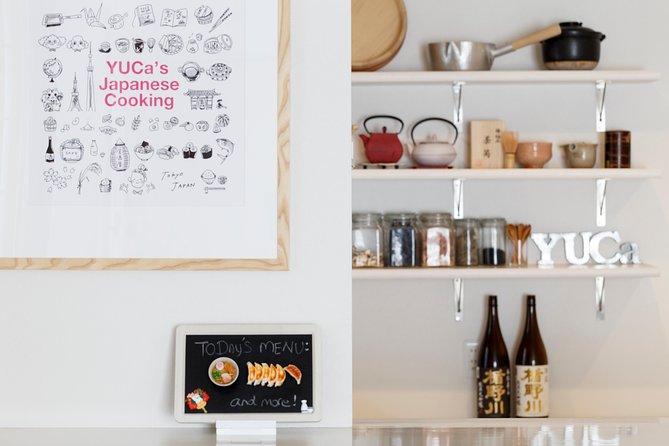
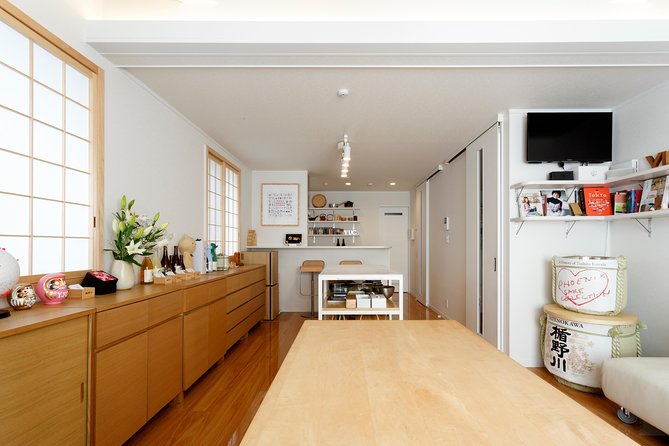
You start with a meeting time that feels friendly, 9:50 to 10:00, and the session proper begins shortly after. You’ll meet at YUCa’s Japanese Cooking in Arakawa City (Nishiogu), and the location is near public transportation, so you are not totally dependent on taxis.
What makes this class different from a typical cooking demo is the setting: you are coming into Yuca’s home cooking space in a residential neighborhood. That matters, because it changes the vibe. Instead of standing in a formal studio while someone performs, you’re in an environment that feels lived-in and practical. From the reviews, it’s clear Yuca is warm and welcoming, and she communicates in very good English, which helps a lot if your Japanese is basic.
The group is capped at 7 travelers, and that size is a big deal. You can ask questions without feeling lost in a crowd. It also makes the class more family-friendly in practice. If you’re traveling with kids, this kind of small group and hands-on setup is easier than crowded classes where everyone has to wait their turn.
You can also read our reviews of more cooking classes in Tokyo

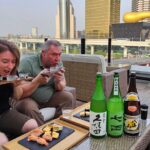
The Short Lecture That Makes the Food Make Sense
Right after you settle in, you get a lecture from 10:15 to 10:30. It’s not long, but it’s timed well. You get just enough background on Japanese food culture and ingredients before you start cooking, so you can connect what’s on your plate with why it’s done that way.
Why I like this approach: it prevents the classic souvenir-cooking problem. You don’t just memorize steps and hope the results magically work at home. Instead, you learn how Japanese cooks think about ingredients and how flavors are built. Even if you don’t remember every detail, having that context helps you make better choices when you shop later.
For you, that means the dishes are more than tasty outcomes. They become repeatable skills.
Hands-On Cooking: Okonomiyaki and Gyoza, Made by You
From 10:30 to 12:30, you’re in the main cooking block. You learn how to make two dishes: okonomiyaki and gyoza.
Okonomiyaki, the savory pancake that feels like a meal
Okonomiyaki is described as a Japanese savory pancake with vegetables, pork, and egg noodles. That combination is the point. It’s filling without being heavy, and it has that mix of crunchy, soft, and saucy textures that makes it easy to love even if it’s your first time eating it.
What you’ll get out of the class here is not just the taste. You’ll be coached through making it yourself, which teaches you how the batter and fillings behave when heat hits them, and how the dish comes together into something cohesive. This is the kind of food where small technique differences matter, especially when you’re trying to get a pancake that holds together and still has appeal.
Gyoza, pan-fried dumplings with pork and vegetables
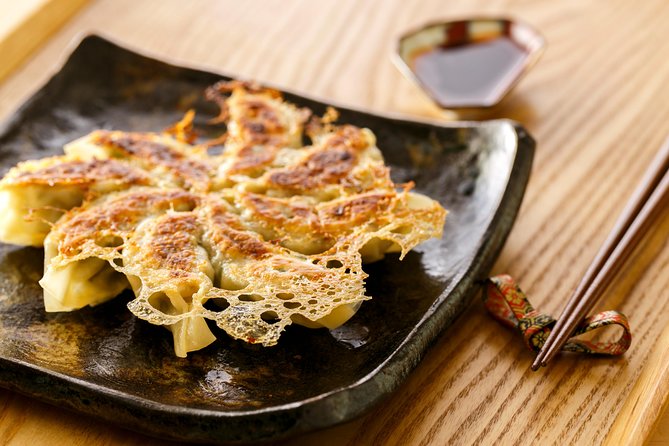
Gyoza in this class is dumpling-style cooking using minced pork and vegetables. The dumpling form is part of the fun, and the cooking style is what makes it special. You’re working with a filling, shaping dumplings, and then cooking them until they taste right.
I like gyoza for a simple reason: once you learn the basic method, you can adapt it. Even if you don’t copy the exact ingredients later, the idea of a seasoned filling plus a dumpling wrapper gives you a template for future meals.
More Tokyo tours and experiences for the shortlist




Cooking class reality check
Hands-on classes are great, but you should go in with the expectation that you’ll be actively participating. You’re not sitting and watching for two hours. With the small group size, that’s a plus, not a hassle. But if you want a fully passive experience, you may find the pace demanding.
Also, because both dishes include pork, plan around that. If your diet is strict, you may need an alternative, and the tour info doesn’t say pork substitutes are guaranteed.
Tasting and Lunch: the Point Where Your Work Pays Off
The tour is designed so you don’t leave hungry. Lunch is included, and the overall promise is no hunger pangs, because you eat what you make.
That included meal is a real value add. In Tokyo, getting a decent lunch can be a mini-adventure, and you can spend time searching when you’d rather be enjoying your day. Here, the lunch is built into the experience, so your schedule stays simple.
Also, tasting during or right after cooking is where the learning clicks. You can compare how your version tastes versus what you expected, which is the fastest way to understand flavors. Even small differences, like how savory it ends up or how the pork tastes once cooked, helps you calibrate.
Optional Supermarket Tour (12:30 to 13:00): Shop Like a Local
After cooking and eating, you have an optional supermarket tour from 12:30 to 13:00. This is where the class becomes more useful for your life after Tokyo.
The goal is practical: you see Japanese ingredients up close, and you learn what to look for, including items you might not know exist. A lot of people leave Japan knowing what they ate, but not knowing what to buy. This stop helps close that gap.
Here’s what I’d watch for if you join the supermarket portion:
- What sauces and seasonings are used to create the flavor base
- How ingredients are packaged and labeled
- What staples are common for everyday cooking, not just restaurant dishes
Even if you don’t cook all the time back home, this kind of shopping orientation makes it easier to recreate one or two signature meals without endless trial and error.
Since it’s optional, you can decide based on your energy. If you want a food-focused finale, do it. If you’d rather explore on your own right after lunch, you’re not forced to stay.
One-Way Taxi Help: Less Commute Stress, More Time for Food
Tokyo transit is great, but cooking classes take you off the main tourist grid, and timing can get tight. That’s why I appreciate the included one-way taxi ride. It reduces the mental load of getting to the start, especially if you’re coming from a hotel far from the Arakawa area.
This isn’t just comfort. It helps you arrive calm. When you arrive slightly stressed, your cooking experience gets harder because you’re thinking about logistics instead of learning technique.
Combine that with the small group size, and the overall day feels controlled instead of chaotic.
Value Check: Is $121.89 Worth It?
At $121.89 per person, this isn’t a budget snack-and-learn. But it also isn’t overpriced for what you get, because the experience bundles several things into one block:
- You cook two dishes yourself: okonomiyaki and gyoza
- You get a short food culture and ingredient lecture
- You receive lunch included, so you’re not paying extra during the day
- There’s an optional supermarket tour where you learn what to buy
- You get a one-way taxi ride, which saves time and reduces hassle
So the real question isn’t just cost. It’s whether you value hands-on cooking plus meal plus shopping context in one package. If you do, the price makes sense.
One more detail: this kind of class is often booked in advance, and the average booking time listed is 47 days. That’s a good signal. It usually means demand is strong, and popular time slots can go first. If your trip dates are fixed, booking earlier is the smart move.
Also, you’ll use a mobile ticket, which is simple and reduces paper chaos.
Who This Cooking Class Fits Best
This class is ideal if you want a true food experience in Tokyo that isn’t just eating. You’re learning the why and the how, with a strong emphasis on doing, not just watching.
You’ll likely enjoy it if:
- You like hands-on activities and want a skill you can repeat
- You’re interested in Japanese ingredients and how they show up in everyday cooking
- You want a smaller group experience with more personal attention
- You’re traveling as a family, since the class setup is described as welcoming and approachable for kids
You might want to skip or research more if:
- You avoid pork, since both dishes in the class include pork
- You want a purely sightseeing-focused day with minimal participation
Should You Book It?
If your goal is to leave Tokyo with more than photos, I’d book this. The combination of two real cooking outcomes, a sit-down lunch, and the option to learn ingredient shopping makes it a practical foodie experience. Add in the small group size and the one-way taxi help, and it’s the kind of day that stays fun instead of turning into logistics work.
My only hesitation is pork. If that’s an issue, check with the provider before you commit. If pork is fine, this is a strong choice for a hands-on Tokyo day that actually teaches you something you can use back home.
FAQ
What dishes will I learn to make?
You’ll learn to make okonomiyaki and gyoza.
How long is the experience?
It runs about 2 hours 30 minutes.
Is lunch included?
Yes. A delicious lunch is included, and the experience is designed so you do not get hungry during the class.
Is the supermarket tour included?
The supermarket tour is optional and is scheduled for 12:30 to 13:00.
How many people are in the group?
This activity has a maximum of 7 travelers.
Do I get transportation help?
Yes, the experience includes a one-way taxi ride.
More Workshops & Classes in Tokyo
More Cooking Classes in Tokyo
More Tour Reviews in Tokyo






Not for you? Here's more nearby things to do in Tokyo we have reviewed












Cooking Classes, side by side.
 ★ 5.0Ramen & Gyoza Cooking Class in Tokyo with Local Supermarket VisitFrom $122823 reviews
 ★ 4.6Easy Ramen Cooking Experience in Kabukicho, ShinjukuFrom $29321 reviews
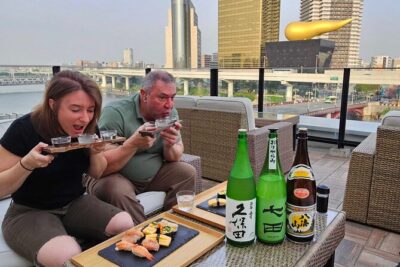 ★ 5.0Ramen and Sushi Cooking Class with Sake Pairing Set in TokyoFrom $79291 reviews
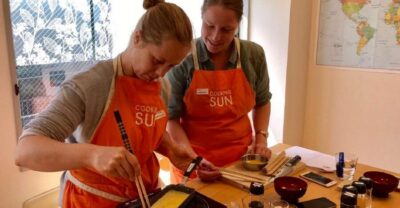 ★ 4.9Wagyu and 7 Japanese Dishes Cooking ClassFrom $67273 reviews
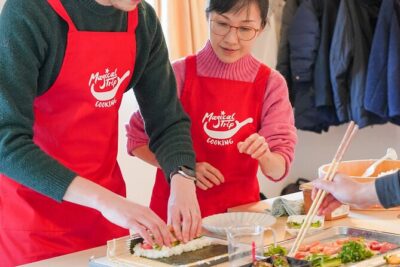 ★ 5.0Tokyo Washoku 4-hour Cooking Class: From Market to TableFrom $79253 reviews
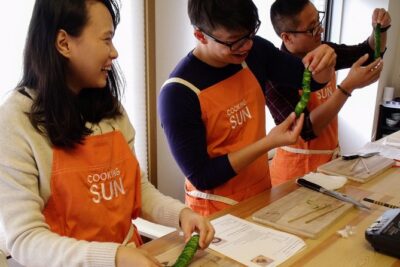 ★ 5.0Small-Group Wagyu Beef and 7 Japanese Dishes Tokyo Cooking ClassFrom $72190 reviews
 ★ 5.0Private Home Cooking in Yanaka – Local Flavors in a Warm SettingFrom $122173 reviews
 ★ 5.0Tokyo Sushi Making Experience & Japanese Cooking ClassFrom $59150 reviews
This tour also belongs to