
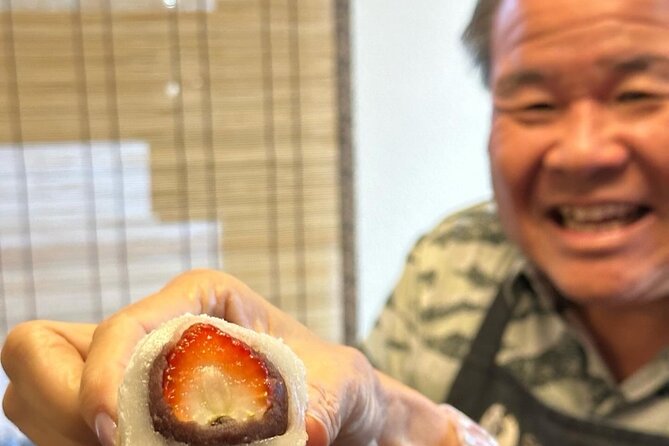
Review · TOKYO CITY TOURS
Mochi Sweets Making Class in Tokyo
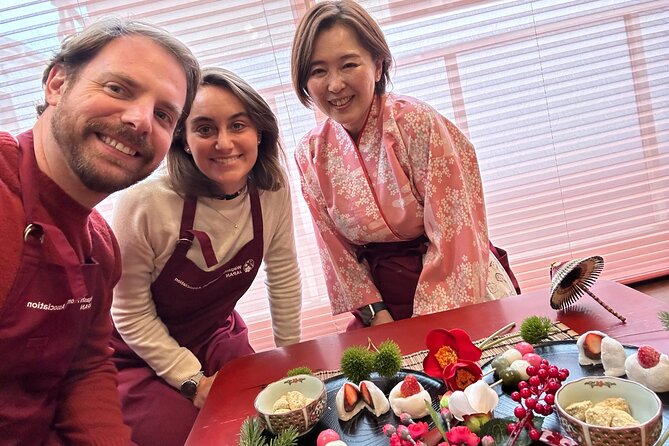
Mochi is stickier than you expect. This class is a hands-on mochi-making lesson held in a cozy private residence, with Satoko San guiding you through multiple wagashi styles plus the food’s traditions. One practical heads-up: the home has two short hair cats, kept in the bedroom during the lesson, so plan accordingly if you have allergies.
What I really like is the way you learn by doing, not watching, and the teacher explains the why behind the mochi, not just the how. Satoko San’s English is easy to follow, and you leave with downloadable recipes plus a takeaway setup, so you can recreate the sweets at home.
Key Highlights You Will Actually Care About
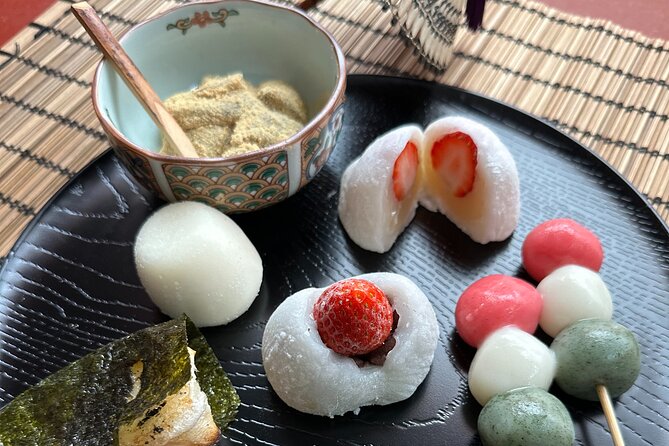
- You make several mochi-based sweets, including strawberry daifuku (with alternate fruits when strawberries are out of season)
- Recipes are downloadable, including a mochi-ice cream recipe option
- You taste what you make, with Japanese green tea or hojicha
- Everything is provided, so you do not need to bring kitchen tools or ingredients
- Plant-based options are built in, with vegan options available using ingredients that are easy to find at home
- Your group gets step-by-step attention, since it is a private lesson for your group
Getting A Real Mochi Lesson, Not a Quick Demo
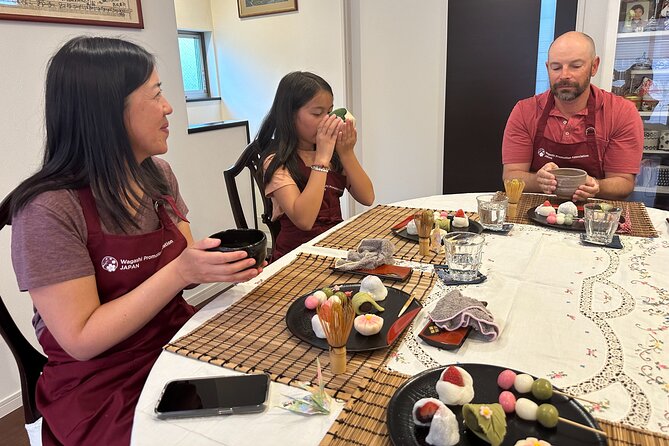
If you’ve ever watched a mochi video and thought, That looks fun but I’d mess it up, this is the right format. The class is set up for you to work through the process yourself. You learn how to make mochi using glutinous rice flour, which is the core for everything else you’ll shape and finish.
It takes about 1 hour 30 minutes, and the vibe is relaxed because it happens in a private home. Instead of racing through steps, you can move at your pace while Satoko San teaches you what matters, like texture, timing, and handling sticky dough.
The location also helps. The lesson meets in Kitaminemachi, Ota City, which is around 15 minutes by train or car from central Tokyo. That means you get out of the nonstop city motion without losing easy access to the rest of Tokyo.
More Tokyo tours and experiences for the shortlist



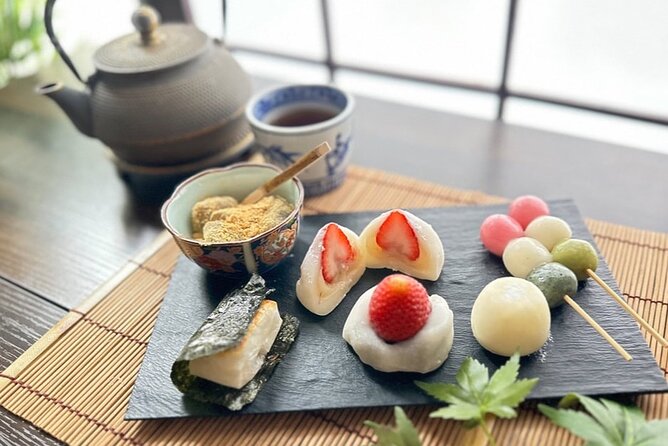
What You Make: Daifuku, Dango, Warabi Mochi, Isobe Mochi, and Mochi Ice Cream
This is not a one-sweet workshop. You learn several Japanese mochi styles, so you leave with a bigger sense of how versatile mochi can be.
Strawberry Daifuku (Seasonal Fruit Swap)
You’ll start with mochi and then use it to make strawberry daifuku. The lesson notes that when strawberries are out of season, you’ll use other fruits like pineapple or kiwi. That matters because it keeps the class realistic and also lets you taste how different fruit flavors work with the sweet, chewy mochi.
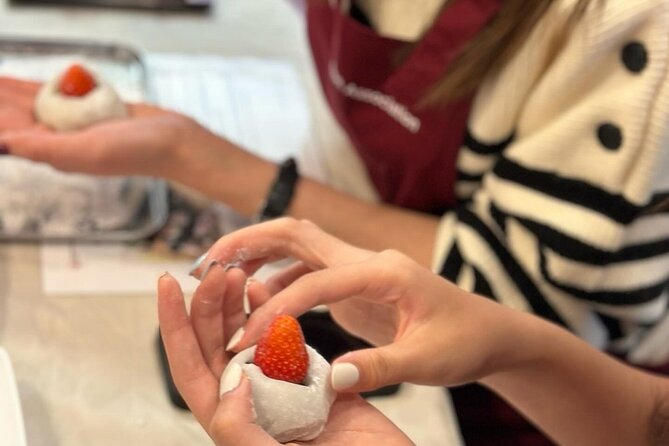
Daifuku is a classic reason to love wagashi. The fun part is learning how to form mochi neatly around the fruit without squashing it.
Several Flavors of Dango on Skewers
Next up: dango, the mochi-like dumplings often served on skewers. You’ll make several flavor variations during the lesson. The practical value here is that you see how the same basic mochi concept turns into different shapes and flavors.
Skewered sweets also make good takeaway vibes. If you’re thinking ahead to travel, you’ll appreciate that these are portion-friendly compared to fragile pastries.
Warabi Mochi
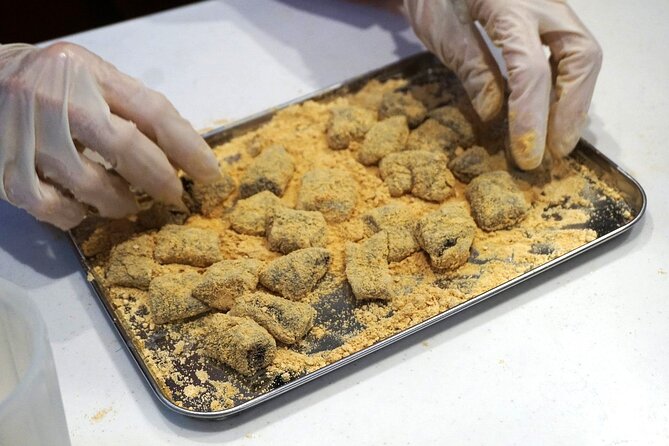
Then you’ll make warabi-mochi. This is a different kind of mochi experience than daifuku, and the lesson helps you understand how these styles relate while still tasting distinct. If your only mochi memory so far is ice cream mochi, warabi-mochi is a great way to expand your palate.
More Tokyo tours and experiences for the shortlist






Isobe Mochi
You’ll also make isobe-mochi. The class is structured so you are not just copying a shape, you’re understanding the underlying steps and techniques so you can adapt later at home.
Mochi Ice Cream Recipe Option
After the making part, you’ll be able to taste mochi creations including mochi-ice cream, and the class also offers a downloadable recipe for mochi-ice cream. Even if you do not plan to make it right away, having that recipe is one of those leave-with-it extras that makes the experience feel worth revisiting.
The Step-By-Step Teaching Style That People Rave About
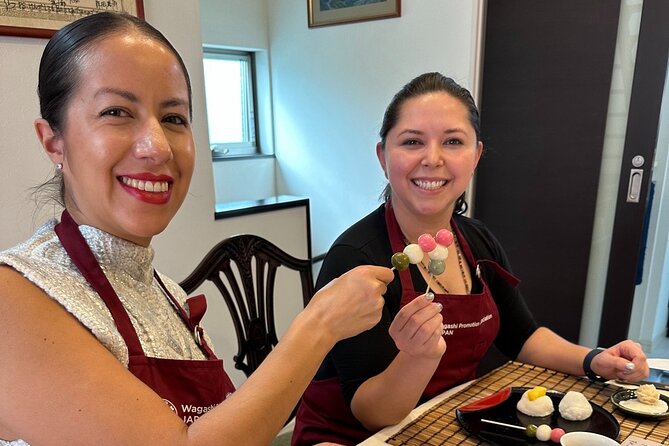
Satoko San is the key reason this class consistently gets top marks. The pattern in the feedback is clear: you get a smooth flow, good explanations, and enough patience that first-timers still feel confident.
In a home lesson, that matters. You’re not in a lab with a checklist on a screen. You’re in someone’s private space with real tools. So the teacher has to guide you through sticky moments like a pro. That includes telling you exactly how to handle the dough and how to shape without tearing.
You also get cultural context, not just instructions. The class includes history of mochi and how it connects to Japanese tradition, plus various ways to eat mochi. For many people, that’s what turns a sweet-making activity into a story they can remember.
What Happens During the 1 Hour 30 Minutes
Even with a short runtime, the class covers a lot. Here’s the flow you can expect, in plain terms.
1) Welcome, tools, and the mochi base
You’ll begin by learning the mochi-making process with glutinous rice flour. You do not need to bring anything. The lesson includes essentials like an apron, hand towel, special tools for wagashi making, drinking water, and a special box for takeaway.
This is a huge value point because cooking classes often make you guess what’s provided. Here, the setup is ready, so you spend your time learning, not hunting for supplies.
2) Shape and fill: daifuku, plus fruit options
Once the mochi base is ready, you move into shaping. You’ll make daifuku, and when strawberries are out of season you’ll use the other fruits noted by the lesson. This part is hands-on and tends to be where people get excited, because it looks like real wagashi instead of just dough.
3) Dango on skewers and flavor variations
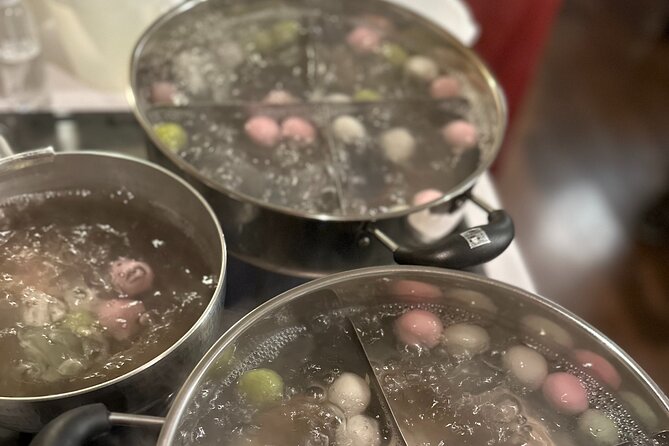
Then you form dango and finish it as skewered sweets. You learn how to keep the pieces consistent, because dango is all about even portions.
4) Warabi-mochi and isobe-mochi
As you progress, you’ll make warabi-mochi and isobe-mochi. These steps expand your understanding beyond one texture or one final form.
5) History, eating styles, and tasting
Along the way, you’ll get history and tradition elements and ways to enjoy mochi. After you’ve made your creations, you taste them with Japanese green tea or hojicha.
You can also take some sweets home in the provided box, so you’re not stuck finishing everything on the spot.
6) Photos and videos for your memories
You also get portrait photos and videos taken during the class. That’s a small detail, but it adds real value if you want proof that you did this, not just a selfie at the entrance of a cooking school.
Price and Value: Why $75.12 Can Make Sense
At $75.12 per person, this class sits in the “worth it if you want a hands-on skill” category. The key is what’s included.
You are not just buying a seat. You get:
- Apron, towel, and special wagashi tools
- A takeaway box
- Drinking water
- A guide (Satoko San)
- Taste session with green tea or hojicha
- Downloadable recipes, including a mochi-ice cream recipe
- Photos and videos
Many food workshops charge similar amounts but leave you missing one big piece: instructions you can repeat at home. Here, the downloadable recipes are the bridge between vacation and real-life cooking.
One more value factor: the plant-based approach. The lesson says the ingredients are plant-based and easily available in your own country, with vegan options available. That can make it easier to fit your diet and reduces the “I’ll never replicate this at home” problem.
The Location Strategy: Ota City Before or After the Class
You meet in Ota City, and the lesson is about a short 15-minute ride from central Tokyo. That is a smart setup if you want a calm break without getting stuck far away.
Before or after your lesson, you can explore:
- Local shops and supermarkets
- Cafes
- A shrine
- A nearby public bath (sento)
This is not a forced add-on. It’s more like a suggestion baked into the experience. You can turn your mochi class into a mini neighborhood day, instead of squeezing everything between train transfers.
Practical tip: if you’re pairing this with a sento visit, plan to keep your schedule light. You will be handling mochi, and you’ll probably want time to cool down afterward.
Dietary Fit: Vegetarian and Vegan Friendly Without Feeling Like a Compromise
This class is designed with dietary needs in mind. The lesson states that the menu uses plant-based products that are easily available in many countries, and it includes vegetarian suitability with vegan options available.
That matters because wagashi often gets treated as “just desserts,” but ingredient choices change both taste and texture. Here, you are learning a mochi technique that can still work within plant-based constraints.
If you’re vegetarian or vegan, this is the type of class that helps you avoid the usual situation where you can watch but cannot fully participate.
Cat Allergy Note: One Real Consideration
The home has two short hair cats, and they stay in the bedroom during the lesson. For most people, that’s fine. If you have strong allergies, you should take this seriously.
This is the one drawback I’d put on your checklist before booking, because it’s specific and not something most cooking classes advertise clearly.
Who This Mochi Class Is Best For
This experience fits best if you want something more than a snack. You’ll enjoy it if you like:
- learning a repeatable kitchen skill
- making multiple sweets instead of just one
- a small, private group feel
- a cultural explanation alongside cooking
It is also described as solo and family friendly, which makes it easier to match to your travel style. If you’re traveling with kids, you get a step-by-step setup that is built to keep things fun and understandable.
Should You Book This Mochi Making Class in Tokyo?
If your idea of a good Tokyo day includes getting your hands dirty and leaving with recipes you can actually use, I think this class is a strong booking.
Book it if you want:
- hands-on mochi skills
- multiple wagashi styles like daifuku, dango, warabi-mochi, and isobe-mochi
- downloadable recipes plus mochi-ice cream guidance
- a calmer neighborhood experience in Ota City
Skip it if:
- you have strong cat allergies, even if the cats stay in a separate room
- you only want to taste mochi and would rather not do any making
FAQ
What will I make in the mochi sweets making class?
You will learn how to make mochi using glutinous rice flour, then make strawberry daifuku (with other fruits when strawberries are out of season), several flavors of dango on skewers, warabi-mochi, and isobe-mochi. The class also includes tasting mochi-ice cream, and a downloadable mochi-ice cream recipe is available.
Do I need to bring any ingredients or cooking tools?
No. You do not need to bring anything. The lesson provides the apron, hand towel, special tools for wagashi making, drinking water, and a takeaway box.
How long is the class?
It lasts about 1 hour 30 minutes.
Is the class suitable for vegetarians or vegans?
Yes. The menu is made from plant-based products and is appropriate for vegetarians, with vegan options available.
Where does the class take place, and is it easy to reach?
The class meets at 20-15 Kitaminemachi, Ota City, Tokyo 145-0073, Japan, and it is near public transportation. It is described as about 15 minutes by train or car from central Tokyo.
Are photos or videos included?
Yes. The class includes portrait photos and videos taken during the lesson for your experience.
More Workshops & Classes in Tokyo
More Dessert Tours in Tokyo


More Tour Reviews in Tokyo






Not for you? Here's more nearby things to do in Tokyo we have reviewed












Tokyo City Tours, side by side.
 ★ 5.01-Day Tokyo Bus TourFrom $12914,250 reviews
 ★ 4.5TOKYO SKYTREE® Admission ticketFrom $1311,192 reviews
 ★ 4.6teamLab Planets TOKYO Digital Art Museum Entry TicketFrom $259,779 reviews
 ★ 4.0Mt Fuji & Hakone Cruise, Drum Show Bullet Train 1 Day from TokyoFrom $1497,413 reviews
 ★ 5.0Shinjuku Food Tour (13 Dishes at 4 Local Eateries)From $866,603 reviews
 ★ 4.4Tokyo Mt Fuji 5th St & Hakone Cruise Bus Tour w/Bullet TrainFrom $1545,024 reviews
 ★ 5.0Flagship 2-Hours Official Street Go-Kart Tour – Tokyo Bay ShopFrom $644,974 reviews
 ★ 4.5From Tokyo: Mount Fuji Full-Day Sightseeing TripFrom $684,970 reviews
This tour also belongs to