
Review · TOKYO CITY TOURS
Matcha Making Class in Tokyo with Authentic Japanese Sweets Set
Whisking matcha is oddly calming. This Asakusa class turns a simple drink into a skill, with hands-on guidance and English-speaking hosts walking you through the steps. You’ll also taste your work alongside carefully chosen seasonal Japanese sweets, not just watch someone else do it.
The best part for me is how practical it feels: you learn what to do, then you do it. The only real drawback is that this is a relaxed workshop, not a full, ultra-formal tea ceremony with the deepest ritual pacing.
In a short 1-hour block near public transport, you’ll leave with better matcha technique, a photo moment, and a clearer idea of what makes quality powder taste smoother.
Key reasons this matcha class works so well
- Asakusa location with a traditional Tokyo feel and an easy-to-find meeting point
- English-speaking instruction that explains the why, not just the how
- Small-group format (maximum 30) that keeps the lesson attentive
- Step-by-step whisking practice with hands-on correction as you go
- Seasonal Japanese sweets pairing that shows how flavors work together
- Beginner-friendly approach with no prior tea ceremony experience needed
First steps in Asakusa, where the lesson starts fast
This is the kind of Tokyo activity that fits early sightseeing or a later break. You go to the meeting point at Matcha Making Tokyo | Cooking Class in Japan, 2-chōme-17-9 Kaminarimon in Taito City. There’s a mobile ticket, and the class ends back at the same place, so you can plan your day without complicated logistics.
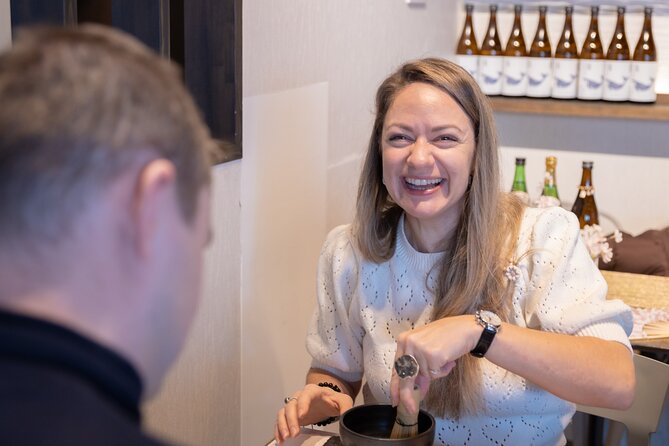
Once you arrive, the tone is friendly and low-pressure. Several guides are highlighted by name in past sessions, including Hiya, Rino, Shuri, and Nama, and the common thread is warm welcome plus clear explanations. If you’re the type who gets nervous in a classroom, this setup is designed to feel like you’re learning with a guide beside you.
Also, the overall pace is short and sweet. You’re not committing to hours of formal ceremony steps, and that makes it a good match for families and anyone who wants a real taste of Japanese culinary culture without it taking over your schedule.
More Tokyo tours and experiences for the shortlist


A typical 1-hour matcha workflow you can actually repeat
The core of the experience is step-by-step matcha making, taught for beginners. Expect the lesson to move in a practical order so you can succeed on your first attempt.
Here’s the flow you’ll likely experience:
1) Quick orientation and matcha basics
You’ll hear about matcha and how it’s grown, plus the difference between matcha and regular green tea leaves. Some classes use tools like an iPad to show pictures and keep the story clear in English.
2) Quality checks you can taste and see
One of the most useful parts is learning how to spot higher quality matcha powder. You’re not just whisking blindly, you’re learning what “good” looks like and why it affects bitterness and flavor.
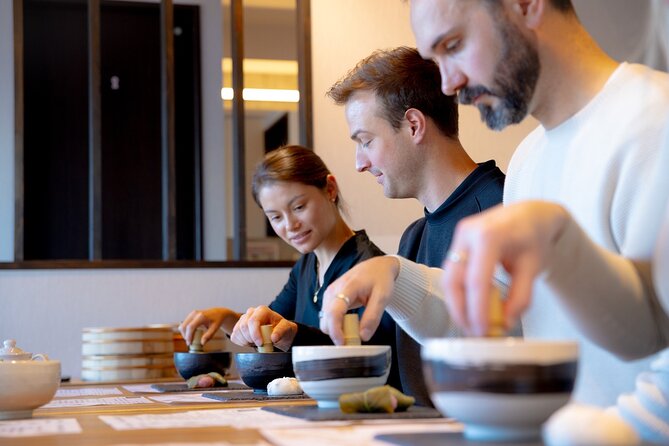
3) Hands-on whisking practice with traditional tools
You’ll make matcha using traditional equipment. The instructor watches your whisking and helps you adjust so you get the right texture in the cup. This is where the one-to-one attention matters most, because small changes in technique affect how smooth the tea feels.
4) A short photo moment
You’ll get time to take photos as part of the experience. In past sessions, instructors helped groups take family photos, which is great if you’re traveling with kids or want something more personal than a generic souvenir shot.
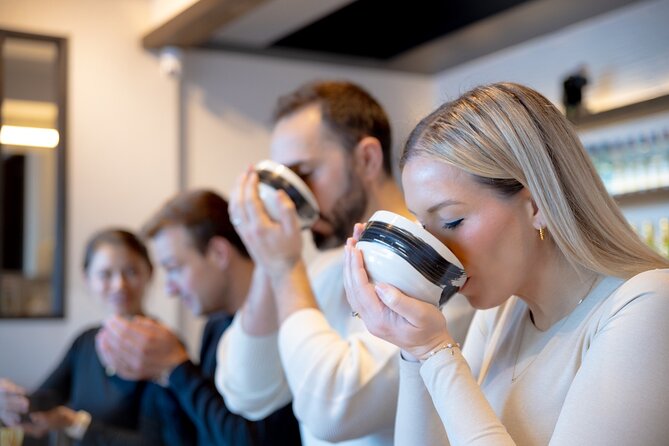
5) Tasting matcha with Japanese sweets
The class finishes with your matcha served alongside seasonal Japanese sweets. This turns the session into a full mini experience, not just a technique demo.
One nice detail from real sessions is that the classroom atmosphere can be cozy and intimate, such as an upstairs nook and traditional style seating. Even if your setup differs, the goal stays the same: calm space, clear instruction, and you doing the whisking.
What you learn beyond whisking, the matcha “why”
The class isn’t just a recipe. You’ll also pick up cultural context that helps the drink make sense.
Expect explanations that cover:
- the history and origins of matcha (in a way beginners can follow)
- how matcha fits into Japanese tea culture
- what changes when you use different quality powder
- why technique affects the final taste
This matters because most home attempts fail for one of two reasons: the powder isn’t great, or the whisking method isn’t working. When you understand what to look for and what to adjust, you can improve quickly.
A detail that stands out in the teaching style is how interactive it feels. Hosts and instructors are described as fun and engaging, and they work to keep everyone participating, including kids in family groups. So even if you’re visiting Tokyo as a first-timer, you won’t sit through a lecture and then be left alone with a whisk.
The seasonal sweets pairing, where the flavors click
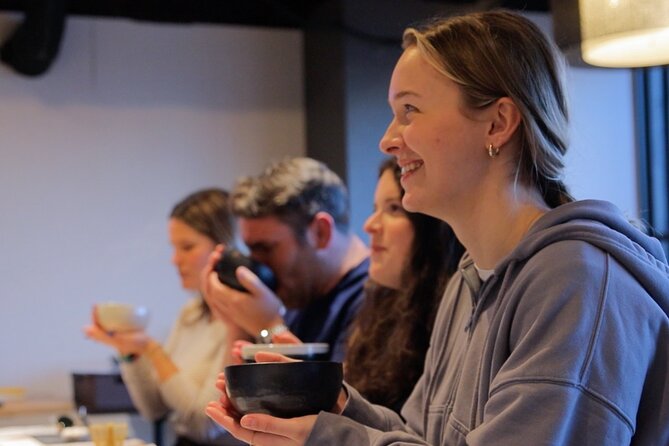
Matcha is often described as earthy, sometimes slightly bitter. The sweets are the bridge that shows you how Japanese flavors balance that profile.
In this class, you’ll enjoy matcha with Japanese sweets as part of the included experience. The sweets are seasonal, meaning the pairing is meant to match the tea rather than just be a random snack.
Why this pairing is valuable for you:
- You learn how matcha can taste smoother and more balanced with the right sweetness.
- You understand that the drink is part of a broader eating rhythm, not a standalone beverage.
- You get a “complete” souvenir in your memory, because you taste a combination rather than one flavor.
If you’re a picky eater, this is still a smart move. You’re not choosing from a menu. You’re sampling what the instructor has matched to the tea, and you can judge the pairing for your own preferences during the tasting part.
Price and value, is $21.89 really enough time?
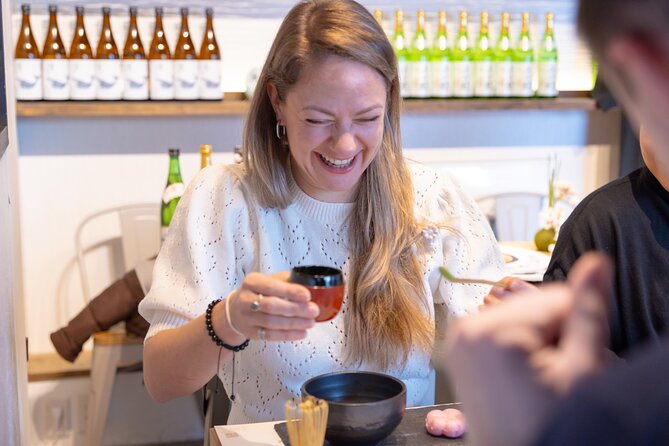
At $21.89 per person for about 1 hour, this class is priced for learning, not for a long show. The key value point is what you actually get included: an English-speaking instructor and your matcha with Japanese sweets.
If you’ve spent any time buying tea in Tokyo, you know tastings can add up fast. Here, you get:
- instruction
- hands-on practice with traditional tools
- a cultural explanation in English
- a paired tasting with seasonal sweets
That’s a lot for a short slot. The small-group nature, plus the attention to technique, is also part of the value. With maximum group size of 30, it’s easier for the instructor to notice who needs help during whisking, rather than just presenting a finished drink.
The main thing to consider is time. If you want a long, slow ceremony with lots of ritual steps, this may feel too short. But if you want an authentic skill you can repeat at home, the time is focused.
More Tokyo tours and experiences for the shortlist




Where to go, what to bring, and how to make it easy
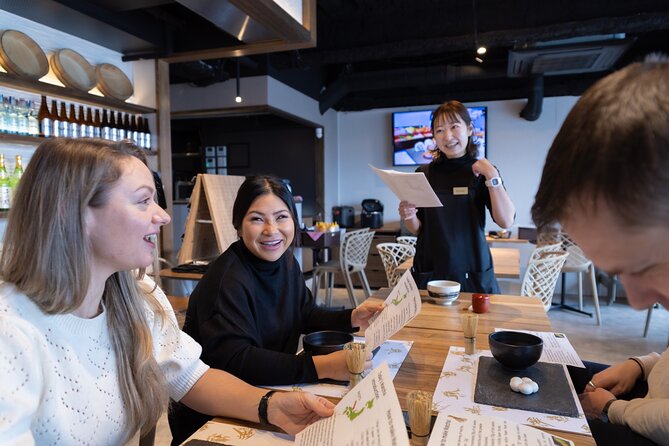
The meeting point is clearly listed, and the session starts and ends back there. That matters because you can build your day around it.
Practical tips:
- Use the mobile ticket on arrival.
- Plan to arrive a few minutes early so you can settle in.
- Bring a smartphone if you want photos, since the experience includes time for pictures.
- Wear what you’d wear to a relaxed class. You’ll be seated during instruction and tasting.
One practical benefit is that the experience is near public transportation. That helps if you’re pairing it with other Asakusa stops, like temples, shopping streets, or riverside walks.
Who this matcha class is best for
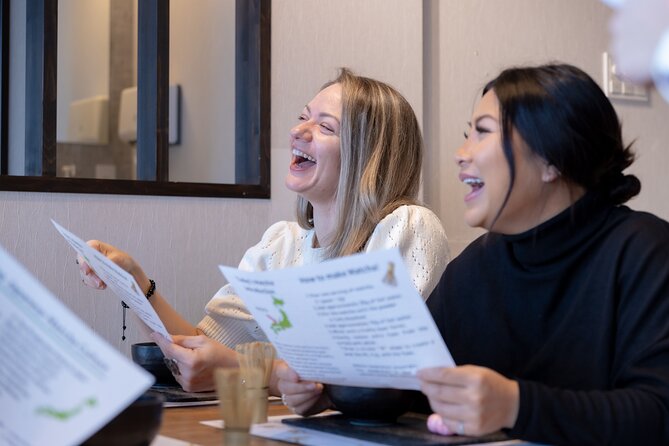
This is a good fit when you want hands-on culture without being overwhelmed.
It especially suits:
- Beginners who want a clear first attempt at whisking
- families, because the tone is relaxed and the lesson style can include kids
- solo travelers who want a friendly English-speaking conversation and a skill outcome
- food lovers who enjoy learning what makes quality taste different
It’s also a strong first Tokyo food activity. Doing it early helps you recognize matcha quality later when you see it in cafes and shops.
A realistic drawback to consider before you book
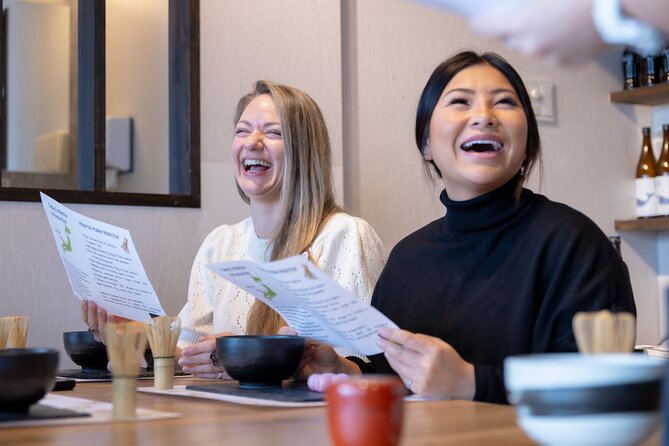
Here’s the only hesitation to flag. This is described as a matcha workshop with ceremonial-style techniques, but it is not pitched as a full, formal tea ceremony experience.
So if you want every ritual detail at a slower tempo, you might feel this is more modern and practical than traditional ceremony. For most people, that’s a plus, because you finish with skills and taste, not just observation.
Should you book this matcha making class?
Book it if you want an authentic Tokyo food experience with a clear payoff. You’ll get hands-on technique, English explanations, and a seasonal sweets pairing, all in a manageable 1-hour window.
Skip it only if your top priority is a long, highly formal tea ceremony with strict ritual structure. Otherwise, this class is strong value for the money, easy for beginners, and designed so you leave knowing what to do next time you make matcha at home.
FAQ
How long is the matcha making class?
It runs about 1 hour.
Where is the meeting point in Tokyo?
The meeting point is Matcha Making Tokyo | Cooking Class in Japan, 2-chōme-17-9 Kaminarimon, Taito City, Tokyo 111-0034, Japan.
Do I need hotel pickup or drop-off?
No. Hotel pickup and drop-off are not included.
What’s included in the price?
You’ll get an English-speaking instructor, plus matcha with Japanese sweets.
Is the class in English?
Yes. The hosts and instructor are English-speaking.
Do I need prior tea ceremony experience?
No prior tea ceremony experience is required.
How many people will be in the class?
The group size has a maximum of 30 travelers.
Is it easy to get to?
Yes, it is near public transportation.
What is the cancellation policy?
You can cancel for free up to 24 hours before the experience starts for a full refund. If you cancel less than 24 hours before, you will not receive a refund.
More Workshops & Classes in Tokyo
More Dessert Tours in Tokyo
More Tour Reviews in Tokyo






Not for you? Here's more nearby things to do in Tokyo we have reviewed












Tokyo City Tours, side by side.
 ★ 5.01-Day Tokyo Bus TourFrom $12914,250 reviews
 ★ 4.5TOKYO SKYTREE® Admission ticketFrom $1311,192 reviews
 ★ 4.6teamLab Planets TOKYO Digital Art Museum Entry TicketFrom $259,779 reviews
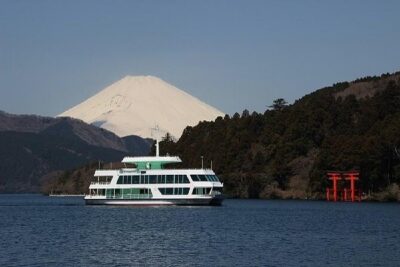 ★ 4.0Mt Fuji & Hakone Cruise, Drum Show Bullet Train 1 Day from TokyoFrom $1497,413 reviews
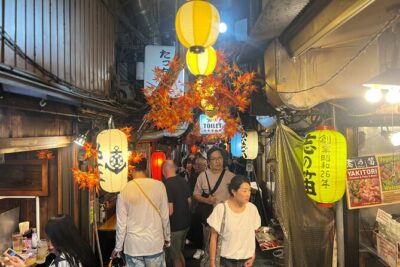 ★ 5.0Shinjuku Food Tour (13 Dishes at 4 Local Eateries)From $866,603 reviews
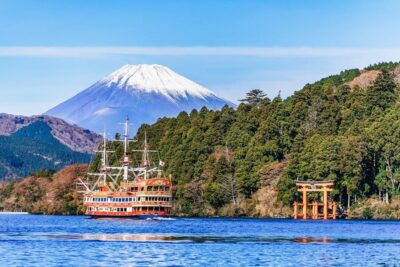 ★ 4.4Tokyo Mt Fuji 5th St & Hakone Cruise Bus Tour w/Bullet TrainFrom $1545,024 reviews
 ★ 5.0Flagship 2-Hours Official Street Go-Kart Tour – Tokyo Bay ShopFrom $644,974 reviews
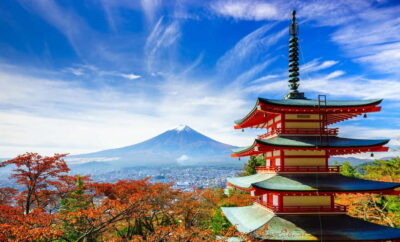 ★ 4.5From Tokyo: Mount Fuji Full-Day Sightseeing TripFrom $684,970 reviews
This tour also belongs to