
Review · SHIBUYA TOURS
Mochi Matcha Gluten Free Japanese Sweets Class near Shibuya area
Sticky hands, sweet rewards in Tokyo. This gluten-free mochi and matcha class is a hands-on workshop in Sakura-san’s home kitchen, set up for learning and photos even when Tokyo weather is unpredictable. You get a real recipe to take home, not just a souvenir plate.
I especially like the private, instructor-led format, which keeps the lesson focused and beginner-friendly. I also love the way you finish with both a photo op table and a written recipe, so your desserts feel like a trip memory you can repeat.
One thing to consider: the meeting point is in Sangenjaya (Setagaya City), so give yourself a little extra time for transit depending on where you’re staying around Shibuya.
Key Highlights You’ll Feel During the Class
- Private workshop energy, with your group getting Sakura-san’s undivided attention
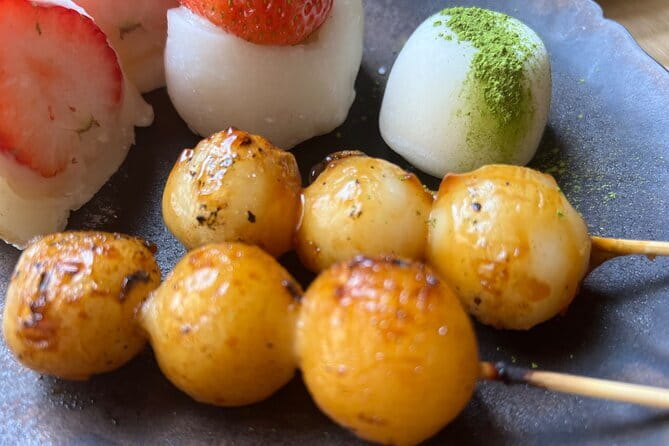
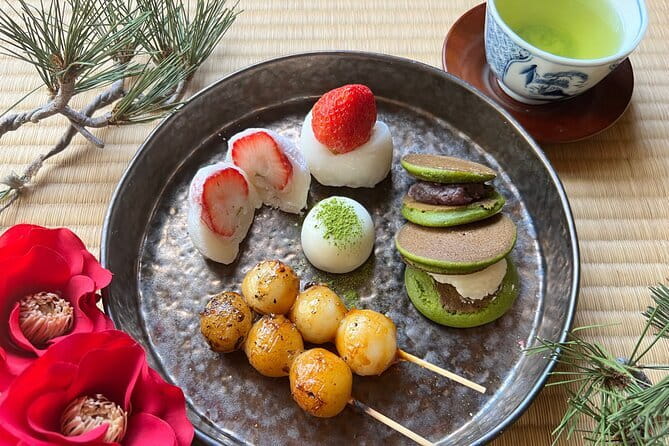
- Make 4 types of sweets, including matcha green tea mochi and other Japanese-style treats
- Gluten-free focus, designed for people who need gluten-free Japanese sweets
- Photo op table, so you can show off your finished desserts
- Take-home recipe, so you can try again after you fly back
- Tea and guided support included, plus an apron for the session
A Cozy Mochi Class in Sakura’s Home, Near Shibuya
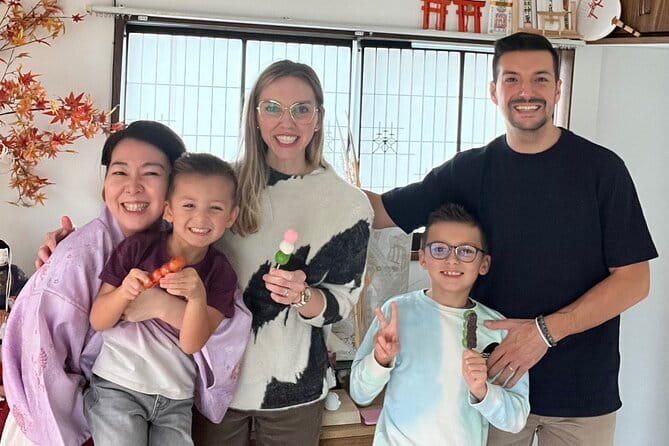
This is the kind of Tokyo experience I like because it’s not about standing in line and watching someone else work. You meet in Sangenjaya and spend the time in a home setting, where the vibe feels calm and practical, not staged. One reason it works so well is that the workshop is built for learning through doing, with room for questions.
Sakura-san is the teacher, and the class is described as welcoming and warm, with clear instruction. English support shows up in the experience too, which makes a big difference if your Japanese is more selfie than conversation. If you’re traveling with kids or just want a relaxed pace, the lesson is designed to be suitable for all ages.
It’s also a good rain-or-shine choice. When Tokyo weather turns, you still get a full activity that stays centered on food, hands-on technique, and a finished product you can hold and share.
More Tokyo tours and experiences for the shortlist


What You Make: Matcha Mochi and 4 Gluten-Free Japanese Sweets
The centerpiece is matcha green tea mochi, plus you’ll make 4 different types of sweets during the session. That variety matters. One or two desserts can feel like a one-note souvenir, but four gives you range in texture, sweetness, and what you’ll actually want to repeat later at home.
The class also keeps mochi’s cultural side in the mix. You learn about the origins of mochi as you start working, so the lesson isn’t just measurements and timing. You’ll also hear context on the cultural significance of different kinds of mochi, which helps you understand why textures and shapes matter in Japanese sweets.
Because the workshop is specifically framed as gluten-free Japanese sweets, it’s a strong option if you need to avoid gluten. If you have celiac or strict dietary rules, you should still mention it clearly before starting so the instructor can guide you appropriately within the class format.
The 2-Hour Workshop Flow, Step by Step
This is a 2-hour class that’s paced like a real kitchen lesson, not a slow lecture. You’ll start by getting set up with an apron and tea, then ease into what you’re making and why mochi is so specific in texture. That warm-up is useful because it gets you comfortable before your hands get sticky.
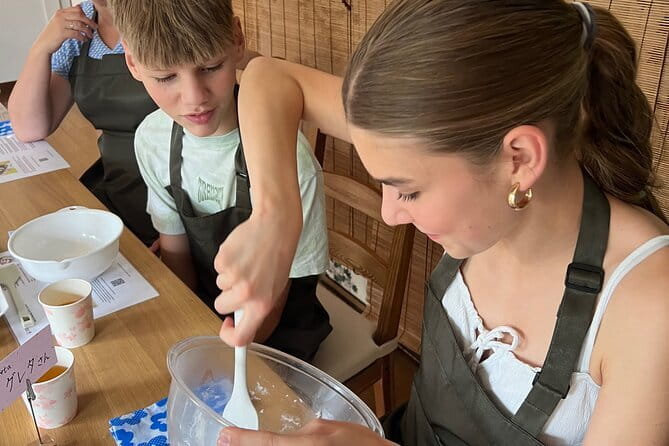
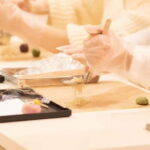
From there, the bulk of the time is hands-on. You make the mochi and the other sweets together as the instructor guides you through the technique. Expect a “hands-on learning” moment, since mochi work is famous for being tactile and sometimes messy in a fun way. That texture challenge is also the point, and the class is structured so you learn how to handle it without panic.
As you finish, you move toward cooling and presentation. Then you get that built-in photo op table moment to showcase your finished desserts. It’s small, but it changes how you experience the end of the class. Instead of rushing out with a bag, you get a proper “look what we made” pause.
Teacher Attention You Actually Feel in a Private Lesson
A big reason this workshop gets top scores is the teaching style. Sakura-san is described as welcoming and kind, and the lesson includes getting her undivided attention. In a group class, you can lose track of what to do next. In this format, you can ask questions and fix technique in real time.
It’s also framed as a one-on-one-style workshop, even though your group size can vary. Some sessions may end up feeling like a true private lesson, which makes it easier to learn the details, especially if you’re new to Japanese sweets. If you’re the kind of traveler who hates guessing at the last step, this matters.
There’s also a confidence boost in how the class supports beginners. One participant highlighted that the instructor is patient, and that the desserts came out delicious. Another mentioned the class was easy enough to enjoy even when they were only starting out. That combination is what turns a cooking activity into a skill you take home.
Tea, Apron, and the Small Details That Make It Feel Worth It
You’re not just given a recipe and sent away. The class includes an apron, coffee and/or Japanese green tea, and guided instruction. That might sound basic, but in Tokyo, small inclusions can turn a “watch me cook” event into a real experience.
The tea part also makes sense with matcha sweets. It keeps the session connected to flavors rather than treating tea like a random add-on. And because you’re working with texture and timing, something warm to settle into helps the lesson feel more relaxed.
The most charming detail is the home setting itself. Several notes point out how authentic it feels to learn in a private kitchen rather than a staged studio. One small anecdote even mentions a dog named Chocolate, which adds personality without turning the class into a circus. If you like human-scale Tokyo experiences, that comfort factor matters.
More Tokyo tours and experiences for the shortlist




Photo Op Table and Take-Home Recipes That Actually Help
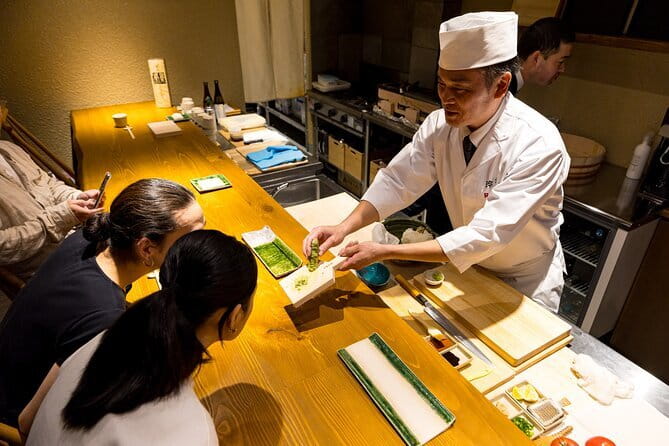
A lot of food classes end with a plate you eat and forget. This one ends with two tools that stretch the experience after you leave: a recipe and a photo op table.
The recipe is a practical gift. The class emphasizes that you come away with instructions, so you can make mochi and the other sweets again at home for family and friends. Even if ingredients are slightly different in your country, having a method you can follow is what separates a hobby from a one-time memory.
The photo op table matters too, especially if you like capturing small wins. You’ll have a place to arrange your finished desserts for photos, which makes your last 5 minutes feel like part of the class rather than an afterthought.
Price and Value: Is $112.01 Per Person a Fair Deal?
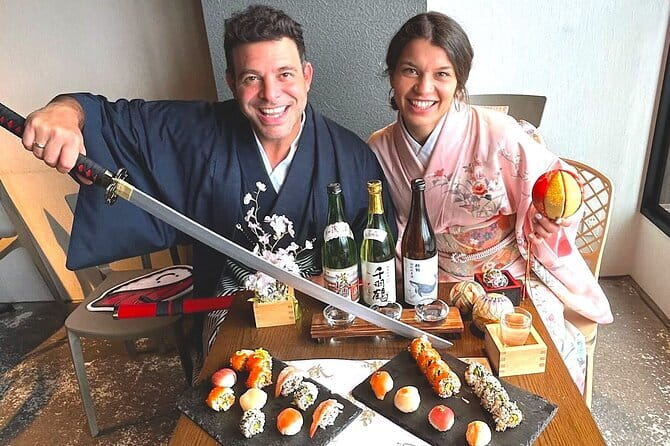
At $112.01 per person, you’re paying for more than ingredients. You’re paying for (1) private access to an instructor, (2) guided technique, (3) a home-kitchen setting, (4) tea and an apron, and (5) the take-home recipe that helps you repeat the results.
In Tokyo, cooking experiences can range from quick demos to full multi-hour classes. This one hits a sweet spot: long enough to learn multiple sweets (4 types), but short enough to fit smoothly into your itinerary. The value improves further because it’s private, so you are not spending your time waiting for others.
One way to judge value before booking is to ask yourself a simple question: do I want to learn the process or just taste something? If you want process and you have gluten-free needs, this price starts to look very reasonable.
Planning Your Day from Shibuya to Sangenjaya
The meeting point is in Sangenjaya, Setagaya City, at 1-chōme-11-13. The listing frames it as near the Shibuya area, which is useful when you’re basing yourself around central Tokyo. Still, Sangenjaya is not Shibuya Station, so plan for actual transit time rather than assuming it’s next door.
Because it’s close to public transportation, you can treat this like a normal Tokyo appointment. I’d recommend checking your route the same day or the night before, and giving yourself a small buffer. Cooking classes can run on a tight kitchen schedule, and you’ll enjoy it more if you arrive without stress.
Also, because the workshop is in a private home setting, dress like you’re going somewhere you might get slightly flour or mochi residue on you. Comfortable clothes are the move, and you’ll feel freer during the sticky-texture parts.
Who This Mochi and Wagashi Workshop Suits Best
This class fits a lot of travelers, but it’s especially strong for a few groups:
- If you need gluten-free Japanese sweets, this is one of the clearest ways to focus on sweets without guessing at ingredients.
- If you love matcha, you’re getting center-stage matcha green tea mochi plus other Japanese sweets, not just one flavor.
- If you’re traveling with kids, the teacher is described as great at teaching kids, and the workshop is framed as suitable for all ages.
- If you want a Tokyo activity that’s indoors and weather-proof, the kitchen workshop format keeps you covered.
If you’re a solo traveler who likes food lessons and hates crowded group tours, the private setup is a big win. If you’re a couple who wants something more personal than a restaurant meal, the home setting adds warmth.
Should You Book This Mochi Matcha Gluten-Free Sweets Class?
I’d book it if you want a true hands-on food skill in Tokyo, and you care about gluten-free Japanese sweets done in a guided way. The combination of matcha mochi, multiple desserts, a recipe to take home, and a teacher you can ask questions of is exactly what makes a class worth your time and money.
I might skip it if you only want a quick tasting experience, or if you’re uncomfortable with the messy, sticky nature of mochi making. But if you’re the type who likes learning technique, this is the kind of class that turns travel into something you can recreate.
FAQ
Where is the meeting point for this sweets class?
The meeting point is 1-chōme-11-13 Sangenjaya, Setagaya City, Tokyo 154-0024, Japan.
How long does the Mochi Matcha Gluten-Free Japanese Sweets Class take?
The class runs for about 2 hours.
Is this a private class?
Yes. It’s a private tour or activity, so only your group will participate.
What sweets will we make during the lesson?
You will make 4 different types of sweets, including matcha green tea mochi.
Is the class actually gluten free?
Yes, it’s a Mochi Matcha Gluten Free Japanese Sweets class, and it includes gluten-free sweets as part of the experience.
What’s included in the price?
Included items are an apron (eppron), coffee and/or Japanese green tea, and guided instruction.
Do I get a recipe to take home?
Yes. You will come away with a recipe so you can make the sweets again at home.
What is the cancellation policy?
You can cancel for a full refund if you cancel at least 24 hours before the start time. If you cancel less than 24 hours before, the amount paid will not be refunded.
More Workshops & Classes in Tokyo
More Dessert Tours in Tokyo
More Tour Reviews in Tokyo





Not for you? Here's more nearby things to do in Tokyo we have reviewed









Shibuya Tours, side by side.
 ★ 5.0Official Street Go-Kart in ShibuyaFrom $763,435 reviews
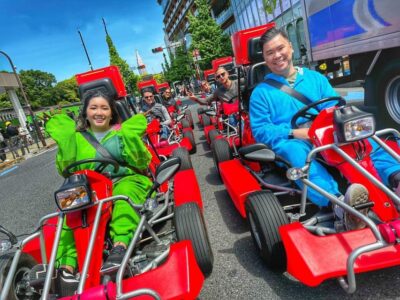 ★ 4.9Street Kart Experience in ShibuyaFrom $741,484 reviews
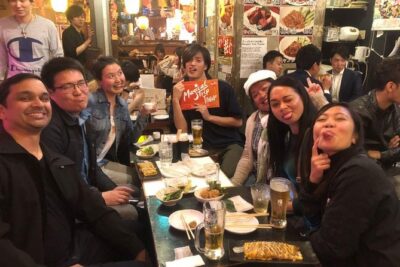 ★ 5.0Shibuya Meltdown Nightlife Tour: All-You-Can-Drink Bar HoppingFrom $1061,058 reviews
 ★ 5.0Shibuya Official Street Go-Kart in Shibuya AnnexFrom $69972 reviews
 ★ 5.0Shibuya Food Tour (13 dishes and 4 Eateries)From $77770 reviews
 ★ 5.0Best of Shibuya Food TourFrom $217612 reviews
 ★ 4.8Shibuya Highlights Walking TourFrom $19601 reviews
 ★ 4.7Premium Go-Kart Tour with Tower & Shibuya CrossingFrom $116528 reviews
This tour also belongs to