
Review · COOKING CLASSES
Small Group Sushi roll and Tempura Cooking Class in Nakano
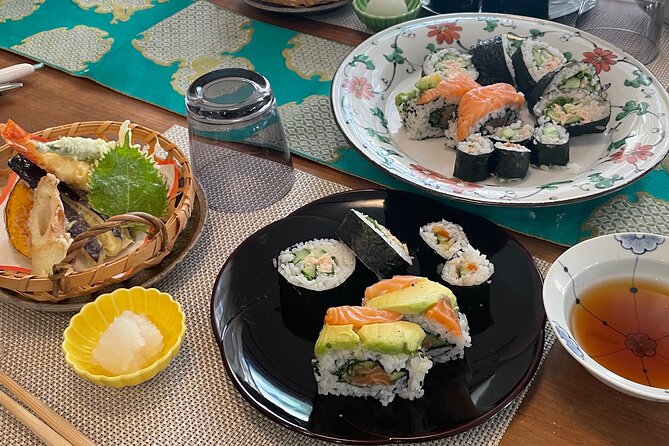
Crisp tempura and perfect rolls, in someone’s home. In Nakano’s Asagaya area, this class puts you at Eri’s table, where you make 3 sushi rolls and tempura with hands-on help. I love how practical it is, especially the sushi rice and rolling coaching, but the $160 price tag may feel more like a hobby starter than a quick bite.
The biggest win is that this is not just eating Japanese food. You learn how ingredients like nori and dashi fit together, then you practice techniques you can actually repeat at home.
The only real consideration I see is that it takes 2.5 hours. If you want a purely sightseeing tour with zero time in the kitchen, you might prefer something lighter.
Key points to know before you go
- A home kitchen in Nakano: you cook where Tokyo locals actually live and eat
- In-the-moment guidance from Eri: clear steps, support while you roll and fry
- 3 sushi rolls plus tempura: more than just one dish, with room to choose fillings
- Learn the fundamentals: rice for sushi, dashi concepts, and clean cutting practice
- Crisp tempura technique: you aim for fluffy inside, crispy outside
- Dietary flexibility: adjustments can be made for vegetarian and other restrictions
Why this Nakano sushi and tempura class feels different
This is a Tokyo cooking class with a real home base, not a big production kitchen. That matters because you get a calmer pace, more personal attention, and a better sense of how everyday Japanese meals are approached.
I also like that you are not stuck with whatever the menu decides. You choose what goes into your sushi rolls and what you use for tempura, then you cook it with support.
And you still get the food payoff. After cooking, you sit down, set the table in Japanese style, and enjoy what you made, including the ritual moment of Itadakimasu.
You can also read our reviews of more cooking classes in Tokyo


Finding the meeting point near JR Asagaya (and why it’s easy)
You meet at NewDaysJapan, 166-0004 Tokyo, Suginami City, Asagayakita, 3-chōme 3361, at the JR Asagaya Station area, on the 2nd floor near the exit outside the ticket gates concourse. It ends back at the same place, which keeps your evening simple.
The location is near public transportation, so you can treat this class like a focused stop rather than a whole day plan. The tour uses a mobile ticket too, which helps on arrival.
Because it is private for your group, you are not sharing a cramped kitchen with strangers. That usually makes it easier to ask questions while you cook.
Getting started: sushi basics, dashi talk, and nori know-how
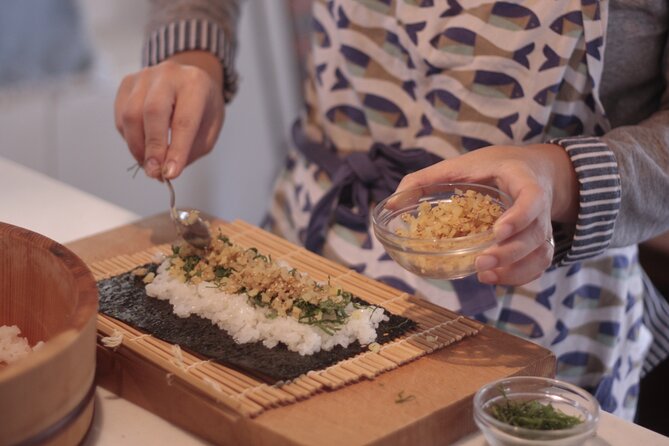
Right when you begin, you get an explanation of core Japanese ingredients. Expect clear guidance around sushi rice, dashi, and nori (seaweed sheets), plus how they connect to flavor.
This is not just trivia. Sushi tastes the way it does because every part is balanced, especially the rice. If your rice is off, the whole roll feels off, even if your fillings are great.
You will also get lots of tips on making sushi rice tasty and rolling it nicely. This is exactly the kind of step that turns sushi from awkward DIY into something you can repeat.
Rolling three sushi types: choosing fillings and getting clean cuts
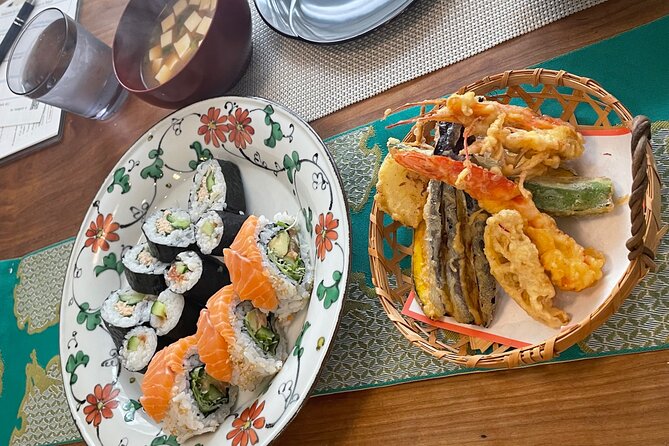
The class then shifts into hands-on work. You make sushi rolls with my support in an intimate small-group setting, and the instructor helps you as you go.
One of the best parts is choosing what to put into your rolls. You get to pick, which keeps the experience from feeling like a fixed recipe you never cared about.
You also learn rolling technique, including how to roll neatly and how to cut beautifully. Cutting is where homemade sushi often looks homemade, so getting coached here is a real value.
Plan to spend real time practicing your hands. You are not just watching someone else assemble food, you are learning the physical steps, rolling and shaping until it looks right.
What you likely will notice when you roll
Even without special equipment, sushi becomes easier once you learn what the instructor is watching for. You start thinking about rice distribution and roll tightness, not just the end result.
That means when you go home, you will know what to adjust if your roll loosens or if the seaweed feels dry.
More Tokyo tours and experiences for the shortlist




Tempura time: picking ingredients and aiming for fluffy, crispy texture
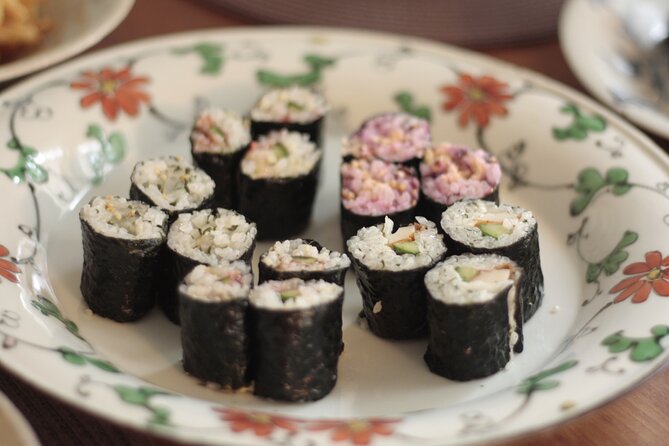
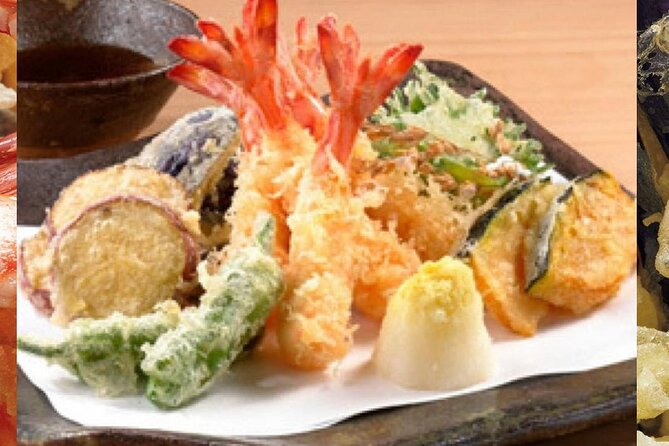
After sushi rolls, you move to tempura, another Japanese favorite where technique matters more than people expect.
Tempura in this class includes ingredient choice, with seafood and vegetables available for you to select. You will make tempura with the instructor, learning how to get that fluffy inside and crispy outside texture.
The instructor supports you throughout, so if you are new to frying, you are not left to guess. You also learn the idea that tempura is not only about batter, it is about how you handle the process.
Your tempura meal, your choices
You can enjoy tempura as you like, because the ingredients are flexible. The class also notes that adjustments can be made for vegetarian or other dietary restrictions for both sushi and tempura.
That flexibility is a big deal for groups, especially in Tokyo where it can be hard to find hands-on cooking that respects dietary needs.
Setting the table and eating what you made
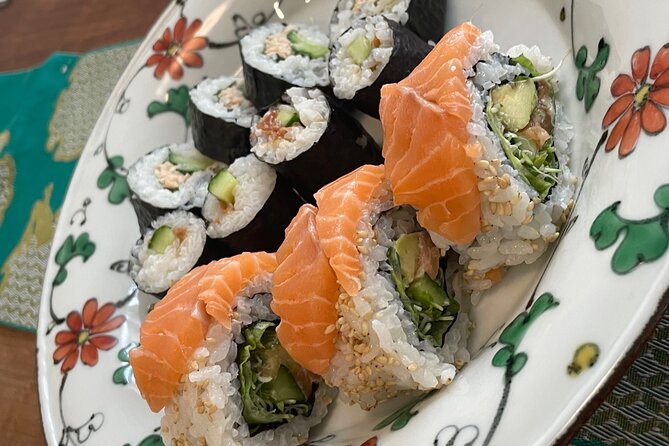
Once cooking is done, you set the table in Japanese style and say Itadakimasu. It is a small ritual, but it helps you shift from cooking mode into eating mode.
Then you enjoy the meals you created. This is one of the most satisfying parts because you can taste what you learned, immediately.
You also leave with recipes to make at home. That turns the class from a one-time meal into something you can actually use later.
What $160 buys you, and whether it’s good value
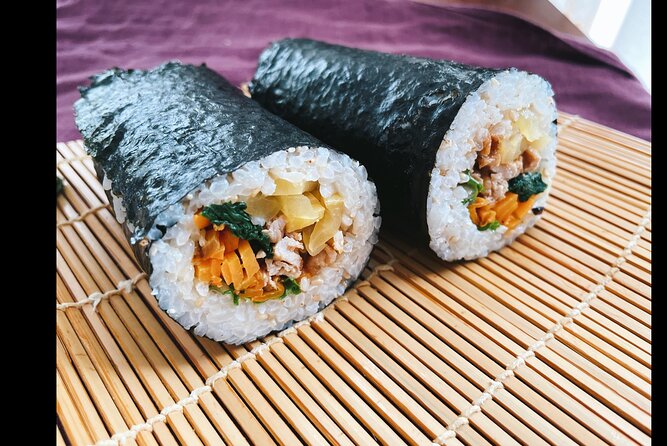
At $160 per person for about 2 hours 30 minutes, this is not a bargain snack class. It is a focused hands-on experience that includes instruction, ingredient choice, cooking, and the fact you are learning multiple techniques.
Here is how I think about value for this kind of class:
- You are learning sushi rice, rolling, and cutting, then moving to tempura frying technique.
- You also get recipes you can use later, which stretches the value beyond the meal.
- The class is in a host’s home, which usually means a more personal experience than a commercial kitchen.
If you already love cooking and you want to go beyond restaurant-only sushi and tempura, the price makes more sense. If your goal is mostly to eat and you do not care about technique, you may find it easier to justify a different kind of Tokyo food stop.
Who should book this Nakano class
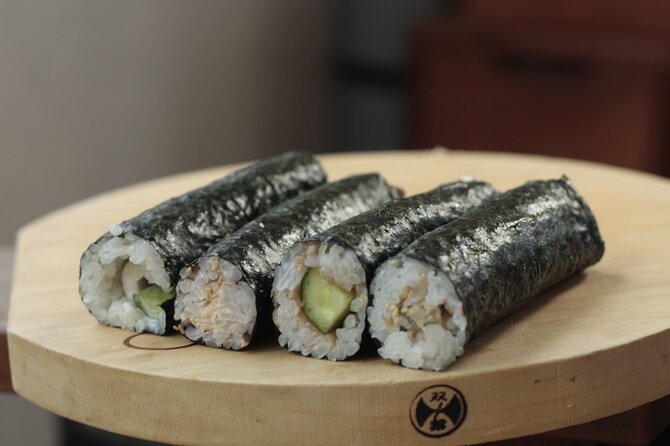
This class suits you if you want to learn Japanese cooking in a practical way, not just sample dishes. You will likely enjoy it most if you like hands-on learning and want to practice your own sushi rolling and cutting.
It is also a great choice for couples or small groups who want a private setting. You get personalized guidance in an intimate environment, which makes questions easy and awkward parts less stressful.
If you have dietary restrictions, the class notes adjustments can be made for vegetarian and other restrictions for both sushi rolls and tempura. That gives you a stronger chance of a comfortable, inclusive experience.
Should you book this sushi roll and tempura class in Nakano?
Book it if you want a genuine technique class, especially if you care about learning how sushi rice works and how to get tempura right. The fact that you choose fillings and ingredients also makes it feel more like your meal, not just a demonstration.
Skip it if you want a quick, low-effort food experience or if you would rather spend your 2.5 hours exploring Tokyo instead of cooking. This is time in a kitchen, and that is the point.
If you do book, come ready to pay attention to the small details, rice texture, rolling tightness, and how you cut. Those are the things that make the class worth it, and they are the things you will be able to repeat at home.
FAQ
How long is the sushi roll and tempura cooking class in Nakano?
The class runs for about 2 hours 30 minutes.
Where is the meeting point?
You meet at NewDaysJapan in Suginami City, Asagayakita, near JR Asagaya Station, at the 2nd floor area outside the ticket gates concourse. The activity ends back at the meeting point.
What will I cook during the class?
You will learn to make three kinds of sushi rolls and also make tempura, with fluffy and crispy results.
Can the class accommodate vegetarian or other dietary restrictions?
Yes. Adjustments can be made to accommodate vegetarian and other dietary restrictions for both sushi rolls and tempura.
Is this class private?
Yes. It is a private tour or activity, so only your group participates.
What is the cancellation policy?
You can cancel for free up to 24 hours in advance for a full refund. If you cancel less than 24 hours before the start time, the amount paid is not refunded.
More Workshops & Classes in Tokyo
More Cooking Classes in Tokyo
More Tour Reviews in Tokyo






Not for you? Here's more nearby things to do in Tokyo we have reviewed












Cooking Classes, side by side.
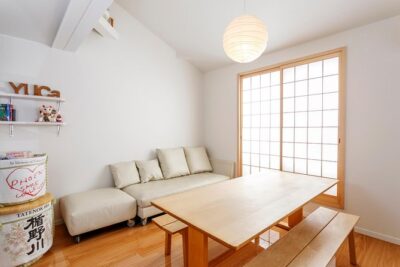 ★ 5.0Ramen & Gyoza Cooking Class in Tokyo with Local Supermarket VisitFrom $122823 reviews
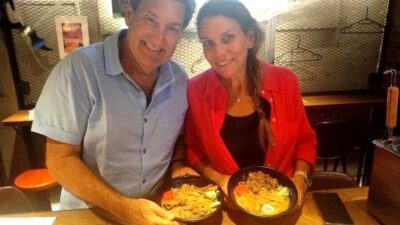 ★ 4.6Easy Ramen Cooking Experience in Kabukicho, ShinjukuFrom $29321 reviews
 ★ 5.0Ramen and Sushi Cooking Class with Sake Pairing Set in TokyoFrom $79291 reviews
 ★ 4.9Wagyu and 7 Japanese Dishes Cooking ClassFrom $67273 reviews
 ★ 5.0Tokyo Washoku 4-hour Cooking Class: From Market to TableFrom $79253 reviews
 ★ 5.0Small-Group Wagyu Beef and 7 Japanese Dishes Tokyo Cooking ClassFrom $72190 reviews
 ★ 5.0Private Home Cooking in Yanaka – Local Flavors in a Warm SettingFrom $122173 reviews
 ★ 5.0Tokyo Sushi Making Experience & Japanese Cooking ClassFrom $59150 reviews
This tour also belongs to